The rapid growth of electric vehicles and stationary energy storage systems has created an entirely new category of high-performance coating applications. Battery enclosures — the structural housings that contain, protect, and thermally manage lithium-ion battery packs — require coatings that simultaneously address corrosion protection, electrical insulation, flame retardancy, and thermal management in ways that no previous application has demanded.
Industrial
Powder Coating for Battery Enclosures: EV and Energy Storage Protection
Sundial Powder Coating·April 23, 2026·12 min
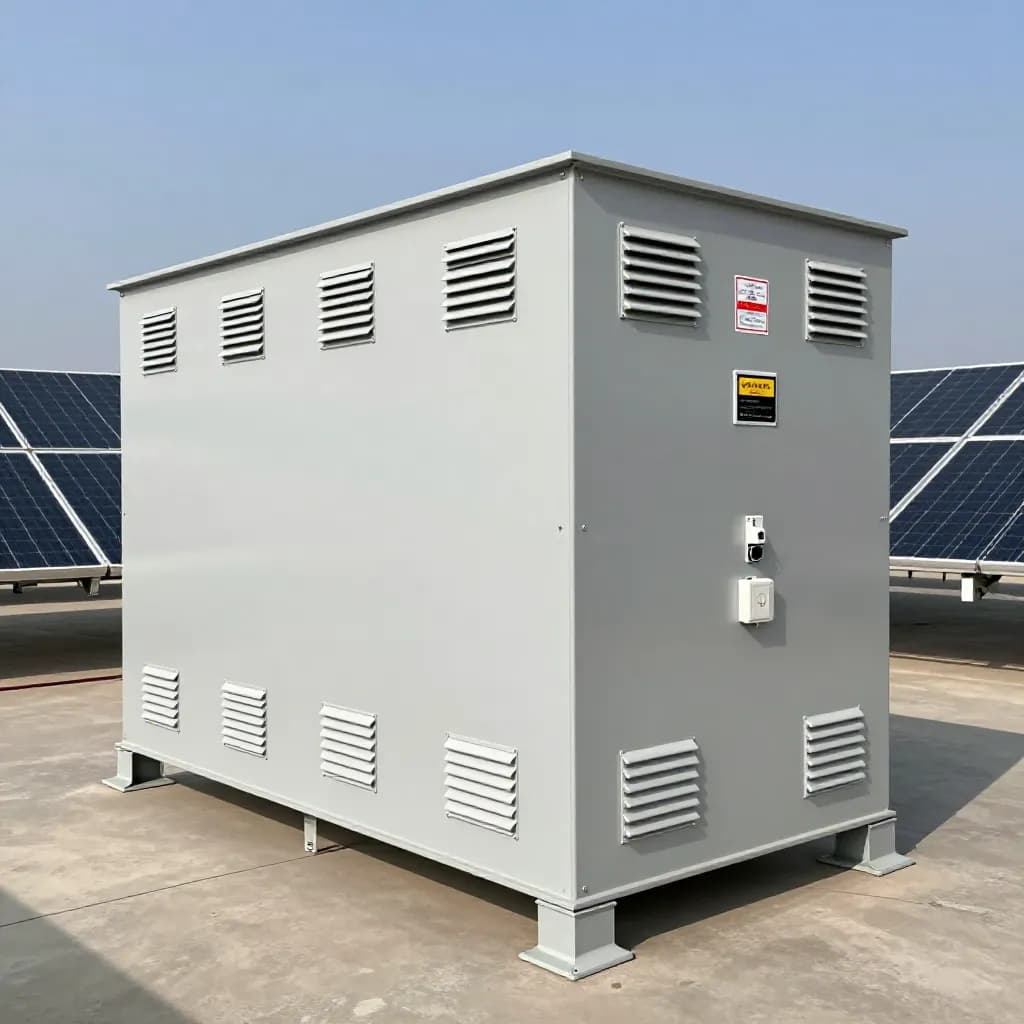
An EV battery enclosure is typically a large aluminum or steel fabrication weighing 50-150 kg, housing battery modules worth tens of thousands of dollars and containing enough stored energy to present serious safety hazards if the enclosure fails. The coating on this enclosure is not merely cosmetic — it is a functional safety component that must perform reliably across a 15-year vehicle life spanning temperature extremes from -40°C to +60°C ambient, road salt exposure, stone chip impacts, and the ever-present risk of thermal runaway events.
Ready to Start Your Project?
From one-off customs to 15,000-part production runs — get precise pricing in 24 hours.
On This Page
Battery Enclosures: A New Frontier for Powder Coating Technology
Stationary energy storage systems present different but equally demanding requirements. Grid-scale battery installations, commercial behind-the-meter systems, and residential storage units must meet stringent fire safety codes while operating in environments ranging from climate-controlled utility rooms to exposed outdoor installations in coastal or industrial atmospheres.
Powder coating has emerged as the preferred finishing technology for battery enclosures, offering advantages over liquid paint in film uniformity, edge coverage, environmental compliance, and the ability to incorporate functional additives that enhance fire resistance and electrical insulation. This article examines the specific requirements and coating solutions for this rapidly evolving application sector.
Flame Retardant Powder Coatings for Battery Safety
Fire safety is the paramount concern for battery enclosure coatings. Lithium-ion battery thermal runaway events can generate temperatures exceeding 700°C and produce flammable gas emissions that can ignite explosively. The enclosure coating must not contribute to fire propagation and, ideally, should provide additional fire resistance to protect adjacent components and occupants.
Flame-retardant powder coatings for battery enclosures incorporate halogen-free fire retardant additives — typically aluminum trihydrate (ATH), magnesium hydroxide, or intumescent systems based on ammonium polyphosphate — that suppress combustion through endothermic decomposition, gas-phase dilution, or char formation. These formulations are designed to meet UL 94 V-0 flammability ratings, indicating self-extinguishing behavior within 10 seconds of flame removal with no dripping of flaming particles.
Intumescent powder coatings represent the most advanced fire protection option for battery enclosures. When exposed to heat above 200-250°C, intumescent coatings expand to 10-50 times their original thickness, forming a carbonaceous foam that insulates the substrate from the heat source. This expansion can provide 30-60 minutes of fire resistance, buying critical time for vehicle occupants to evacuate or for fire suppression systems to activate in stationary installations.
The challenge with flame-retardant powder coatings is balancing fire performance with other required properties. High loadings of fire retardant additives can reduce coating flexibility, adhesion, and corrosion resistance. Formulation optimization is required to achieve the necessary fire ratings while maintaining the mechanical and chemical properties needed for automotive or outdoor service.
Regulatory requirements for battery enclosure fire safety are defined by standards including UN ECE R100 for EV battery safety, UL 9540A for energy storage system fire testing, and NFPA 855 for stationary energy storage installation. The coating specification must be developed in conjunction with the overall enclosure fire safety strategy, which may include thermal barriers, fire suppression systems, and ventilation provisions.
Dielectric Properties and Electrical Insulation
Battery enclosures operate at voltages that present serious electrical safety hazards. EV battery packs typically operate at 400-800 volts DC, and next-generation systems are moving toward 900-1000 volts. The enclosure coating must provide reliable electrical insulation to prevent current leakage, arc tracking, and shock hazards in both normal operation and fault conditions.
Standard powder coatings provide dielectric strength of 20-40 kV/mm, which at typical film thicknesses of 60-100 microns translates to dielectric withstand voltages of 1200-4000 volts. For 400V battery systems, this provides adequate insulation margin. For 800V+ systems, higher film thicknesses or specialized high-dielectric formulations may be required to maintain the safety margins specified by automotive electrical safety standards.
The dielectric performance of powder coatings must be maintained across the full range of operating conditions. Moisture absorption reduces dielectric strength, and coatings exposed to road spray, condensation, and humidity cycling must maintain their insulating properties when wet. Epoxy and epoxy-polyester powder coatings generally provide better wet dielectric performance than polyester formulations due to their lower moisture permeability.
Comparative tracking index (CTI) is another critical electrical property for battery enclosure coatings. CTI measures the resistance of a coating surface to electrical tracking — the formation of conductive carbon paths on the surface due to electrical discharges in contaminated or humid conditions. Battery enclosure coatings should achieve CTI values of 400V or higher (Material Group II or better per IEC 60112) to prevent surface tracking in the contaminated, humid environment under a vehicle.
The coating must also maintain its dielectric properties after aging, thermal cycling, and mechanical stress. Automotive qualification testing typically includes thermal shock cycling (-40°C to +85°C for 1000 cycles), humidity exposure (85°C/85% RH for 1000 hours), and salt spray testing (1000+ hours per ASTM B117) followed by dielectric testing to verify that insulation performance has not degraded.
At mounting points, grounding locations, and electrical connection interfaces, the coating must be precisely masked to maintain bare metal contact for electrical bonding while ensuring that insulated areas maintain their dielectric integrity up to the edge of the masked zone.
Thermal Management Integration
Battery enclosures are integral components of the battery thermal management system (BTMS), and the coating must be compatible with — and in some cases contribute to — the thermal management strategy. Lithium-ion batteries operate optimally between 20-40°C, and maintaining this temperature range across all ambient conditions and charge/discharge rates is critical for battery performance, longevity, and safety.
For air-cooled battery systems, the enclosure coating's thermal emissivity affects radiative heat rejection. As with electronic heat sinks, powder-coated surfaces with emissivity of 0.85-0.95 radiate significantly more heat than bare aluminum (emissivity 0.04-0.09). In air-cooled EV battery packs, this enhanced radiation can reduce peak cell temperatures by 3-8°C during high-power discharge events, extending battery life and reducing the risk of thermal runaway.
Liquid-cooled battery systems — now standard in most EVs — circulate coolant through channels integrated into the enclosure base plate. The coating on coolant channel surfaces must not significantly impede heat transfer from the battery cells through the enclosure wall to the coolant. Thin-film coating (25-40 microns) on coolant-side surfaces minimizes thermal resistance while still providing corrosion protection against the ethylene glycol-based coolants used in automotive thermal management systems.
Thermal interface materials (TIMs) used between battery modules and the enclosure must adhere reliably to the powder-coated surface. Gap-filling thermal pads, structural adhesives with thermal conductivity, and potting compounds must be tested for compatibility with the specific powder coating formulation. Surface energy and texture of the coating affect TIM wetting and adhesion — some powder coatings may require plasma treatment or primer application to achieve adequate TIM bonding.
For stationary energy storage systems in outdoor installations, the coating's solar reflectance becomes important. High solar reflectance coatings in white or light colors reduce solar heat gain on the enclosure, lowering the cooling load on the BTMS and reducing energy consumption for thermal management. Cool-roof coating technology adapted for powder coating formulations can achieve solar reflectance values of 0.70-0.85, significantly reducing enclosure temperatures in direct sunlight.
Substrate Preparation for Aluminum and Steel Enclosures
Battery enclosures are manufactured from aluminum alloys (typically 5000 or 6000 series) or high-strength steel, with aluminum increasingly preferred for its weight advantage in EV applications. Each substrate requires specific pretreatment to achieve the adhesion and corrosion resistance demanded by automotive and energy storage specifications.
Aluminum battery enclosures are typically fabricated by welding extruded profiles, cast components, and sheet metal into complex assemblies. The welding process creates heat-affected zones with altered metallurgy and surface oxide characteristics that can affect coating adhesion. Weld spatter, flux residues, and discoloration must be removed before pretreatment, typically by mechanical cleaning or localized blasting.
The standard pretreatment sequence for aluminum battery enclosures begins with alkaline cleaning to remove oils, lubricants, and handling contamination. This is followed by an acid etch or deoxidizer step that removes the natural aluminum oxide layer and any surface alloying element enrichment. A chromate-free conversion coating — typically based on zirconium, titanium, or trivalent chromium chemistry — is then applied to create a conversion layer that promotes coating adhesion and provides underfilm corrosion resistance.
The automotive industry has largely transitioned to chromate-free pretreatment chemistries for environmental and regulatory reasons. Zirconium-based conversion coatings (often called zirconium oxide or nano-ceramic pretreatments) have proven effective on aluminum battery enclosures, providing adhesion and corrosion performance comparable to traditional chromate systems while eliminating hexavalent chromium from the process.
Steel battery enclosures — used in some commercial vehicle and stationary storage applications — follow a more conventional pretreatment path of alkaline cleaning, zinc phosphate conversion coating, and optional chromate-free seal rinse. The zinc phosphate layer provides excellent adhesion promotion and underfilm corrosion resistance, and the process is well-established in automotive manufacturing.
For multi-material enclosures that combine aluminum and steel components, the pretreatment process must be compatible with both substrates. Zirconium-based conversion coatings are effective on both aluminum and steel, making them the preferred choice for mixed-metal assemblies. The pretreatment line must be designed to handle the large size and weight of battery enclosures, which may exceed 2 meters in length and 150 kg in weight.
Automotive Qualification and Testing Requirements
Battery enclosure coatings for EV applications must pass a comprehensive suite of automotive qualification tests that evaluate performance across the full range of conditions the vehicle will encounter over its service life. These tests are significantly more demanding than standard industrial coating specifications.
Corrosion resistance testing follows automotive protocols that combine salt spray, humidity, and temperature cycling to simulate real-world exposure. The standard automotive cyclic corrosion test (such as SAE J2334, VDA 233-102, or manufacturer-specific protocols) subjects coated panels to alternating cycles of salt spray, humidity, and drying over periods of 6-12 weeks. Acceptance criteria typically require no more than 2-3 mm of creep from a scribed line and no blistering or delamination on unscribed areas.
Stone chip resistance testing per ASTM D3170 (gravelometer test) or VDA 621-427 evaluates the coating's ability to withstand impacts from road debris. Battery enclosures mounted on the vehicle underside are particularly exposed to stone chip damage, and the coating must resist chipping without exposing the substrate to corrosion. Multi-coat systems with a flexible primer and tough topcoat provide the best stone chip resistance.
Chemical resistance testing exposes the coating to automotive fluids including brake fluid, coolant, windshield washer fluid, fuel, and battery electrolyte. Electrolyte resistance is particularly critical — lithium-ion battery electrolyte (typically lithium hexafluorophosphate in organic carbonate solvents) is highly corrosive and can rapidly degrade coatings not specifically formulated to resist it. In the event of a cell leak, the enclosure coating must contain the electrolyte and prevent it from attacking the enclosure structure.
Thermal cycling tests subject the coated enclosure to repeated temperature excursions between -40°C and +85°C (or higher for components near heat sources) to verify that the coating maintains adhesion and integrity through the expansion and contraction cycles that occur in automotive service. A minimum of 1000 thermal cycles is typical for automotive qualification.
Adhesion testing after environmental exposure is the ultimate measure of coating durability. Cross-cut adhesion (ISO 2409) and pull-off adhesion (ISO 4624) tests performed after completion of corrosion, humidity, and thermal cycling sequences verify that the coating remains firmly bonded to the substrate after simulated lifetime exposure.
Stationary Energy Storage System Requirements
Stationary energy storage systems (ESS) present coating requirements that differ from EV applications in several important respects. While the fundamental needs for corrosion protection, electrical insulation, and fire safety remain, the operating environment, regulatory framework, and service life expectations create distinct specification requirements.
Outdoor ESS installations must withstand decades of weather exposure without maintenance access to the battery enclosures. Super-durable polyester powder coatings meeting AAMA 2604 or Qualicoat Class 2 specifications provide the UV resistance and color retention needed for 20-30 year outdoor service. For coastal installations, enhanced salt spray resistance (minimum 2000 hours per ASTM B117) and Qualicoat Seaside certification may be required.
Fire safety requirements for stationary ESS are governed by codes including NFPA 855 (Standard for the Installation of Stationary Energy Storage Systems), UL 9540 (Energy Storage Systems and Equipment), and UL 9540A (Test Method for Evaluating Thermal Runaway Fire Propagation in Battery Energy Storage Systems). These codes define requirements for fire resistance, spacing, ventilation, and suppression that directly affect enclosure coating specifications.
For indoor ESS installations in commercial buildings, the enclosure coating must meet building code requirements for flame spread and smoke development. ASTM E84 (Standard Test Method for Surface Burning Characteristics of Building Materials) classifies materials by flame spread index and smoke developed index. Class A ratings (flame spread index 0-25, smoke developed index 0-450) are typically required for indoor installations, and flame-retardant powder coatings can achieve these ratings.
Containerized ESS — battery systems housed in modified shipping containers — present unique coating challenges. The container exterior requires marine-grade corrosion protection for outdoor installation, while the interior must provide electrical insulation, fire resistance, and compatibility with the battery thermal management system. Powder coating the interior of a 20-foot or 40-foot container requires specialized application equipment and careful process control to achieve uniform coverage on the large interior surfaces.
The expected service life of stationary ESS enclosures — typically 20-25 years — exceeds that of most EV applications and demands coating systems with proven long-term durability. Accelerated weathering testing per ASTM G154 or ASTM G155 for a minimum of 3000-5000 hours provides confidence in long-term outdoor performance.
Frequently Asked Questions
What fire ratings do battery enclosure powder coatings need to meet?
Battery enclosure coatings typically need UL 94 V-0 flammability rating for self-extinguishing behavior. Additional requirements may include UN ECE R100 for EV battery safety, UL 9540A for energy storage fire testing, and ASTM E84 Class A for indoor stationary installations. Intumescent powder coatings can provide 30-60 minutes of fire resistance.
Can powder coating provide electrical insulation for 800V battery systems?
Standard powder coatings provide 20-40 kV/mm dielectric strength. At 80-100 microns thickness, this provides 1600-4000V withstand capability, adequate for 800V systems with safety margin. Wet dielectric performance and comparative tracking index (CTI ≥400V) must also be verified for automotive operating conditions.
How does powder coating affect battery thermal management?
Powder coating increases surface emissivity from 0.04-0.09 (bare aluminum) to 0.85-0.95, significantly improving radiative heat rejection in air-cooled systems. For liquid-cooled systems, thin-film coating (25-40 microns) on coolant channel surfaces minimizes thermal resistance while providing corrosion protection against glycol-based coolants.
What pretreatment is used for aluminum battery enclosures?
The standard sequence is alkaline cleaning, acid etch or deoxidizer, and chromate-free conversion coating (typically zirconium-based). The automotive industry has largely transitioned to chromate-free chemistries for environmental compliance. Zirconium-based systems provide comparable adhesion and corrosion performance on both aluminum and steel substrates.
What automotive tests must battery enclosure coatings pass?
Key tests include cyclic corrosion testing (SAE J2334 or VDA 233-102 for 6-12 weeks), stone chip resistance (ASTM D3170), chemical resistance to automotive fluids and battery electrolyte, thermal cycling (-40°C to +85°C for 1000+ cycles), and adhesion testing after environmental exposure sequences.
Ready to Start Your Project?
From one-off customs to 15,000-part production runs — get precise pricing in 24 hours.