Powder coating is one of the most durable finishes available for metal surfaces, but like any coating system, it benefits significantly from regular maintenance. Environmental contaminants such as dirt, pollution, salt spray, bird droppings, and industrial fallout can accumulate on coated surfaces over time. If left uncleaned, these deposits can degrade the coating's appearance and, in aggressive environments, even compromise its protective performance.
Guides
How to Clean and Maintain Powder Coated Surfaces
Sundial Powder Coating·April 20, 2026·7 min
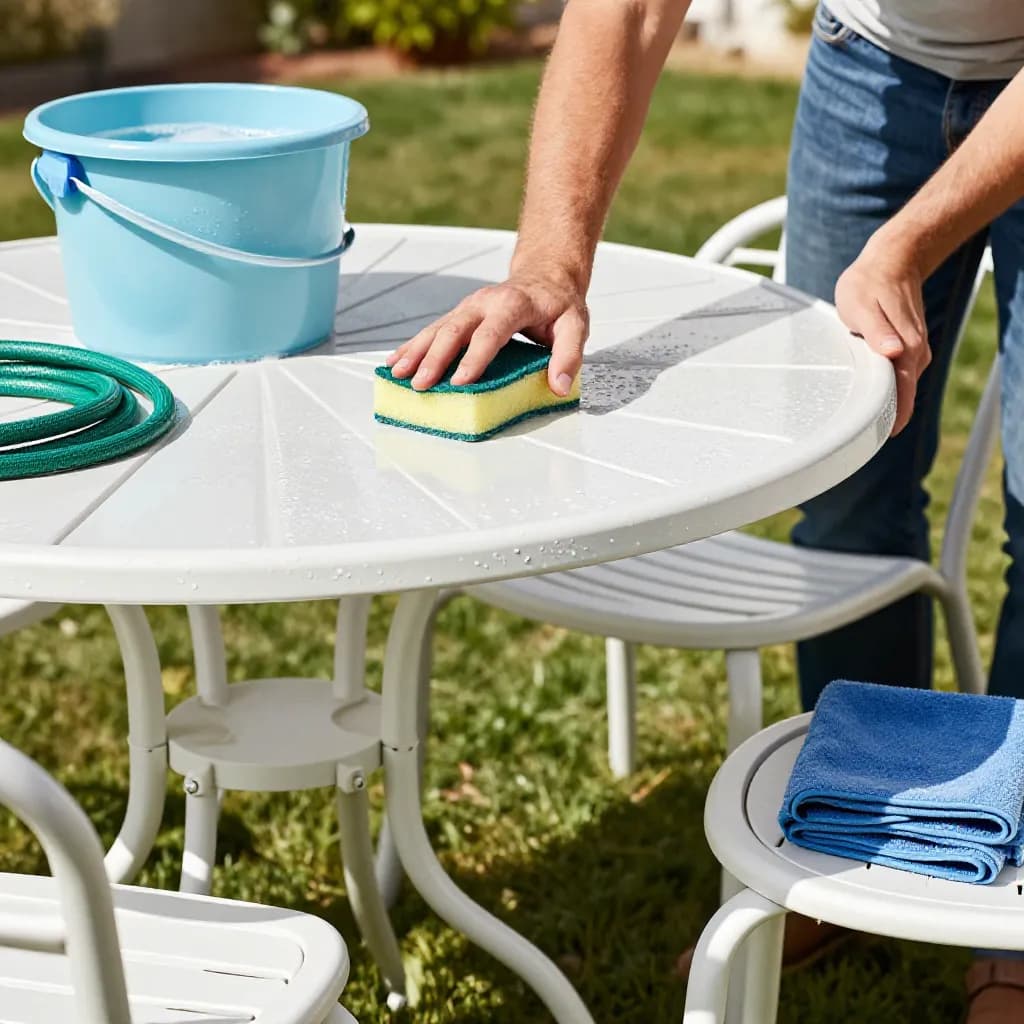
Regular cleaning removes contaminants before they have a chance to cause permanent staining or chemical attack. Acidic pollutants from industrial emissions, alkaline deposits from concrete dust, and chloride-rich salt spray from coastal environments are all capable of etching or discoloring powder coated surfaces if allowed to remain in prolonged contact. Quality standards such as Qualicoat and GSB explicitly require regular maintenance as a condition of their performance warranties.
Ready to Start Your Project?
From one-off customs to 15,000-part production runs — get precise pricing in 24 hours.
On This Page
Why Maintenance Matters for Powder Coating
The good news is that powder coating maintenance is straightforward and inexpensive. A simple cleaning routine using readily available materials can keep powder coated facades, windows, doors, and furniture looking like new for decades. The key is consistency — establishing a cleaning schedule appropriate to the environment and sticking to it.
Recommended Cleaning Methods and Products
The recommended cleaning method for powder coated surfaces is simple: warm water, a mild pH-neutral soap or detergent, and a soft cloth, sponge, or soft-bristle brush. This combination is effective at removing the vast majority of surface contaminants without any risk of damaging the coating. pH-neutral cleaners with a pH between 5 and 8 are safe for all powder coating chemistries and finishes.
For routine cleaning, wet the surface with clean water first to loosen and remove loose dirt and debris. Then apply the soap solution with a soft cloth or sponge, working from top to bottom to prevent dirty water from running over already-cleaned areas. Rinse thoroughly with clean water to remove all soap residue, and allow the surface to air dry or wipe with a clean, soft cloth. For large facade areas, a garden hose with a gentle spray nozzle provides effective rinsing.
For more stubborn deposits such as grease, adhesive residue, or bird droppings, isopropyl alcohol (IPA) or white spirit can be used sparingly on a soft cloth. Apply the solvent to the cloth rather than directly to the surface, and test on an inconspicuous area first. Specialized powder coating cleaning products are also available from coating manufacturers and are formulated to be safe for use on all standard powder coating finishes.
Cleaning Frequency by Environment
The appropriate cleaning frequency depends primarily on the environment in which the powder coated surface is installed. Quality standards and coating manufacturers provide guidelines based on environmental categories that reflect the level of atmospheric pollution and corrosive exposure.
For inland rural environments with low pollution, cleaning once every 12 months is typically sufficient to maintain appearance and warranty compliance. Urban environments with moderate pollution and traffic emissions require cleaning every 6 to 12 months. Coastal environments within 5 kilometers of the sea, where salt spray is a constant factor, should be cleaned every 3 to 6 months. Industrial environments near chemical plants, power stations, or heavy manufacturing may require cleaning as frequently as every 1 to 3 months, depending on the specific pollutants present.
These are general guidelines, and the actual cleaning frequency should be adjusted based on visual inspection. If the surface appears visibly dirty or discolored, it should be cleaned regardless of the schedule. Buildings near construction sites may need more frequent cleaning during the construction period due to cement dust and other alkaline deposits. Seasonal factors also play a role — spring cleaning after winter salt exposure is particularly important in coastal and road-adjacent locations.
What to Avoid When Cleaning Powder Coated Surfaces
Knowing what not to use is just as important as knowing the correct cleaning method. Abrasive materials are the most common cause of cleaning-related damage to powder coated surfaces. Never use steel wool, scouring pads, abrasive powders, or rough brushes, as these will scratch the coating surface, dulling the finish and creating micro-scratches that trap dirt and accelerate degradation.
Aggressive chemical cleaners should also be avoided. Strong acids, strong alkalis, and chlorinated solvents can attack the powder coating film, causing discoloration, softening, or delamination. Bleach, ammonia-based cleaners, and oven cleaners are all too aggressive for powder coated surfaces. Similarly, MEK (methyl ethyl ketone) and acetone, while common industrial solvents, can soften or damage certain powder coating formulations and should not be used.
High-pressure washers are another common source of damage. While a gentle garden hose is perfectly safe, pressure washers operating above 500 PSI can force water under the coating film at edges, joints, and any areas with minor damage, leading to adhesion loss and blistering. If pressure washing is necessary, keep the pressure below 500 PSI, maintain a distance of at least 30 centimeters from the surface, and avoid directing the spray at edges, seams, or damaged areas.
Repairing Minor Damage to Powder Coated Surfaces
Despite its excellent durability, powder coated surfaces can occasionally sustain minor damage from impacts, scratches, or installation activities. Addressing these issues promptly prevents moisture from reaching the substrate and initiating corrosion, which can spread beneath the coating and cause far more extensive damage over time.
For small scratches and chips, touch-up paint matched to the original powder coating color is the most practical repair method. Most powder coating manufacturers and applicators can supply touch-up paint in the correct color and gloss level. Clean the damaged area thoroughly, lightly sand any rough edges with fine-grit sandpaper (320-400 grit), apply a thin coat of touch-up paint, and allow it to cure fully. While touch-up paint will not perfectly replicate the texture and durability of the original powder coating, it provides effective corrosion protection and is visually acceptable for small repairs.
For more extensive damage — large scratches, significant chips, or areas where corrosion has already begun — professional repair or recoating is recommended. A qualified powder coating applicator can strip the damaged area, treat any corrosion, and recoat the component to restore full protection and appearance. If damage is widespread or the coating is approaching the end of its service life, full stripping and recoating of the entire component may be the most cost-effective long-term solution.
Frequently Asked Questions
Can I use a pressure washer on powder coated surfaces?
Pressure washers should be used with caution on powder coated surfaces. Keep the pressure below 500 PSI, maintain at least 30 cm distance from the surface, and avoid directing the spray at edges, seams, or damaged areas. A gentle garden hose is the safer and recommended option for routine cleaning.
How often should I clean powder coated window frames?
Cleaning frequency depends on your environment. In rural areas, once a year is sufficient. In urban areas, clean every 6-12 months. In coastal locations within 5 km of the sea, clean every 3-6 months. Near industrial sites, cleaning every 1-3 months may be necessary. Always clean sooner if visible dirt or discoloration appears.
What soap should I use to clean powder coating?
Use a mild, pH-neutral soap or detergent with a pH between 5 and 8. Common dish soap diluted in warm water works well. Avoid strong acids, alkalis, bleach, ammonia-based cleaners, and abrasive cleaning powders, as these can damage the powder coating finish.
Can scratches on powder coating be repaired?
Minor scratches and chips can be repaired with color-matched touch-up paint available from powder coating manufacturers or applicators. For larger areas of damage or where corrosion has started, professional repair or recoating by a qualified applicator is recommended to restore full protection.
Ready to Start Your Project?
From one-off customs to 15,000-part production runs — get precise pricing in 24 hours.