Lighting fixture coating occupies a unique intersection of aesthetic design, optical performance, thermal management, and environmental protection. The coating on a luminaire is not merely a protective or decorative layer — it actively influences the fixture's optical efficiency through its reflectance properties, affects thermal performance through its emissivity and thermal conductivity characteristics, and defines the fixture's visual integration with its architectural environment through color and texture.
Architecture
Powder Coating Lighting Fixtures and Luminaires: Heat Dissipation, Reflectance, and Architectural Design
Sundial Powder Coating·April 22, 2026·11 min
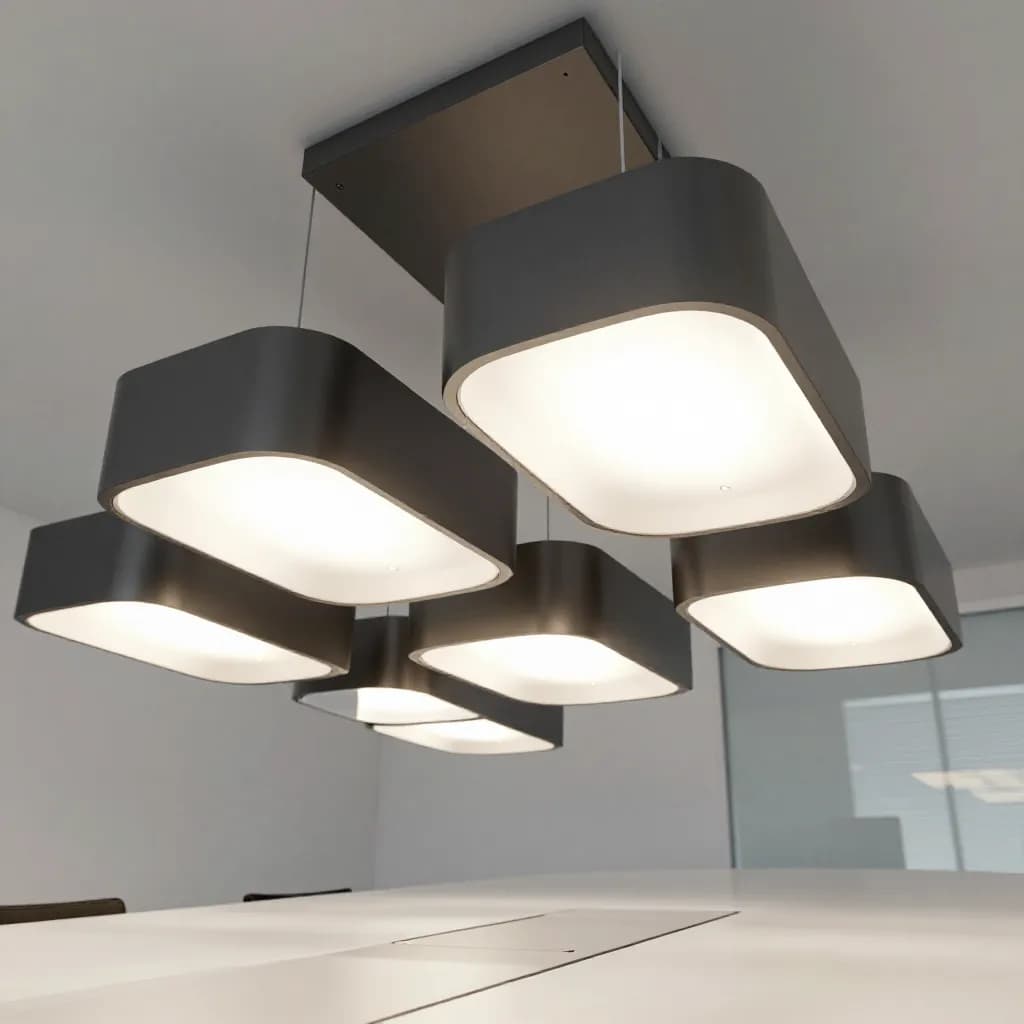
The transition from traditional light sources (incandescent, fluorescent, HID) to LED technology has fundamentally changed the coating requirements for lighting fixtures. LED luminaires generate less radiant heat than traditional sources but concentrate their thermal output at the LED junction, requiring effective heat dissipation through the fixture housing. The coating on LED fixture housings must facilitate rather than impede this heat transfer, making thermal performance a primary coating specification parameter alongside the traditional requirements of corrosion protection and appearance.
Ready to Start Your Project?
From one-off customs to 15,000-part production runs — get precise pricing in 24 hours.
On This Page
Lighting Fixture Coating: Where Optics Meet Protection
Powder coating dominates the lighting fixture market, with an estimated 85-90% of commercial and architectural luminaires using powder-coated housings. The technology's combination of consistent finish quality, wide color and texture range, excellent corrosion protection, and production efficiency aligns perfectly with the lighting industry's requirements for high-volume manufacturing of aesthetically demanding products. From decorative pendant lights to industrial high-bay fixtures to outdoor street lighting, powder coating provides the versatile finishing platform that lighting manufacturers need.
Thermal Management: Heat Dissipation in LED Fixtures
LED luminaires convert 30-50% of input electrical energy to light, with the remaining 50-70% dissipated as heat through the fixture housing. Effective heat dissipation is critical for LED performance and longevity — every 10°C increase in LED junction temperature reduces light output by 2-5% and can halve the LED's rated lifetime. The coating on the fixture housing directly affects heat dissipation through two thermal transfer mechanisms: conduction through the coating film and radiation from the coating surface.
Thermal conductivity of the coating affects conductive heat transfer from the housing to the ambient air. Standard polyester powder coatings have thermal conductivity of approximately 0.2-0.3 W/m·K, compared to 150-200 W/m·K for the aluminum housing substrate. At typical film thicknesses of 60-80 microns, the thermal resistance added by the powder coat is small but measurable — approximately 0.3-0.4°C·cm²/W, which can increase LED junction temperature by 2-5°C depending on the fixture's thermal design. For thermally critical fixtures, minimizing film thickness (40-60 microns) and selecting powder formulations with higher thermal conductivity reduces this thermal penalty.
Radiative heat transfer from the fixture surface is significantly affected by the coating's thermal emissivity. Bare aluminum has a thermal emissivity of only 0.04-0.09, meaning it radiates very little heat. Powder-coated aluminum has a thermal emissivity of 0.85-0.95, dramatically increasing radiative heat transfer from the fixture surface. This means that powder coating actually improves the overall thermal performance of aluminum LED fixtures by enabling radiative cooling that more than compensates for the small conductive thermal resistance of the coating film.
Dark-colored powder coatings have slightly higher thermal emissivity (0.92-0.95) than light-colored coatings (0.85-0.90), providing marginally better radiative cooling. However, the difference is small enough that color selection for LED fixtures should be driven by aesthetic and optical requirements rather than thermal considerations. The dominant thermal benefit comes from having any powder coating versus bare aluminum, not from the specific color choice.
Reflectance and Optical Performance
The reflectance properties of the powder coating inside a luminaire directly affect the fixture's optical efficiency — the percentage of generated light that exits the fixture and reaches the intended target surface. Interior reflector surfaces, housing cavities, and optical chambers all contribute to light distribution, and the coating on these surfaces determines how much light is absorbed (lost as heat) versus reflected (contributing to useful light output).
High-reflectance white powder coatings with total reflectance values of 90-95% are used for luminaire interior surfaces where maximum light output is required. These formulations use high-purity titanium dioxide pigment at high loading levels (25-35% by weight) to achieve reflectance values approaching those of dedicated optical reflector materials. The reflectance must be maintained across the visible spectrum (400-700 nm) to avoid color shifting of the reflected light, which would affect the luminaire's color rendering performance.
Matte white powder coatings (5-15 GU at 60°) are preferred over glossy white for luminaire interiors because matte surfaces provide diffuse reflection that distributes light more evenly across the fixture's output aperture, reducing hot spots and improving visual comfort. Glossy surfaces produce specular reflection that can create glare and uneven light distribution. The trade-off is that matte surfaces have slightly lower total reflectance (88-93%) than glossy surfaces (92-96%) due to micro-surface scattering, but the improved light distribution quality typically outweighs the small reflectance reduction.
For exterior luminaire surfaces, the coating's reflectance affects the fixture's visual appearance and its contribution to light pollution. Dark-colored exterior coatings (black, dark grey, dark bronze) minimize upward light reflection from the fixture housing, reducing light pollution and sky glow in compliance with dark sky regulations (IDA/IES Model Lighting Ordinance). Conversely, light-colored exterior coatings can reflect stray light upward, contributing to light pollution. This consideration is increasingly important for outdoor lighting specifications in environmentally sensitive areas.
Architectural and Decorative Lighting Fixtures
Architectural lighting fixtures — pendants, wall sconces, track lights, recessed downlights, and decorative chandeliers — are design objects where the coating finish is a primary aesthetic element. The coating must complement the architectural interior, coordinate with other finishes in the space, and maintain its appearance through years of use in the occupied environment. Powder coating's extensive range of colors, textures, and effects provides lighting designers with virtually unlimited finish options.
Metallic powder coatings are heavily used in architectural lighting, with brushed aluminum, satin chrome, antique bronze, copper, gold, and rose gold effects among the most popular finishes. These metallic effects are achieved through bonded metallic powders that incorporate aluminum flake, mica, or glass flake pigments for consistent metallic appearance. The orientation and size of the metallic pigment particles determine the character of the metallic effect — fine particles create a subtle shimmer, while coarse particles create a more dramatic sparkle.
Matte black (RAL 9005 at 3-10 GU) has become the dominant finish for contemporary architectural track lighting, spotlights, and minimalist pendant fixtures. Achieving a truly uniform matte black finish requires careful powder selection and application — any variation in film thickness or cure conditions can create visible gloss differences that are particularly noticeable on matte black surfaces. Ultra-matte powder formulations with matting agents that provide consistent low gloss across a wide film thickness range (50-100 microns) are specified for critical matte black lighting applications.
Custom color matching for architectural lighting projects enables designers to coordinate fixture finishes with the building's material palette. A lighting fixture finished in the same color as the ceiling (for recessed and surface-mounted fixtures) or the same color as the wall (for wall sconces and picture lights) creates a visually integrated design where the fixture disappears into the architecture, with only the light output visible. Powder coating's ability to match any color reference with Delta E precision below 1.0 makes this level of architectural integration achievable.
Street Lighting and Outdoor Luminaire Protection
Street lights, area lights, floodlights, and other outdoor luminaires face the full spectrum of atmospheric corrosion challenges — UV radiation, rain, temperature cycling, road salt, industrial pollutants, and in coastal areas, saltwater spray. These fixtures must maintain both their protective coating integrity and their optical performance for 20-25 years of continuous outdoor service, often at heights that make maintenance access expensive and disruptive.
The standard coating specification for outdoor luminaire housings is super-durable polyester powder at 60-100 microns over chrome-free conversion coating (for aluminum housings) or zinc phosphate pretreatment (for steel housings). Super-durable polyester formulations with enhanced UV stabilizer packages maintain color and gloss retention for 15-20 years in outdoor exposure, with AAMA 2604 or Qualicoat Class 2 performance as the typical specification benchmark.
Dark grey (RAL 7016 anthracite grey), dark bronze, and black are the most common colors for street lighting fixtures, chosen to minimize the visual impact of the fixture during daylight hours and to reduce upward light reflection at night. These dark colors present a UV stability challenge because dark pigments absorb more solar radiation, accelerating thermal aging of the coating. Super-durable polyester formulations specifically optimized for dark colors incorporate additional UV stabilizers and thermal stabilizers to compensate for the increased thermal and UV stress.
Coastal and marine environment street lighting requires enhanced corrosion protection beyond standard atmospheric specifications. Qualicoat Seaside certification or AAMA 2605 performance is specified for luminaires in direct marine exposure, with salt spray resistance of 1,500+ hours. For the most aggressive coastal environments, a duplex system of anodizing (15-20 microns) plus powder coating (60-80 microns) on aluminum housings provides maximum corrosion protection with the synergistic durability benefit of the duplex approach.
Industrial High-Bay and Hazardous Location Fixtures
Industrial high-bay luminaires and hazardous location (explosion-proof) fixtures operate in environments that impose specific coating requirements beyond standard commercial lighting. High-bay fixtures in manufacturing facilities, warehouses, and distribution centers are exposed to industrial contaminants (oil mist, chemical vapors, dust), elevated temperatures, and mechanical impact from overhead crane operations and material handling equipment.
The coating on high-bay fixtures must resist the specific contaminants present in the industrial environment. In metalworking facilities, oil mist and coolant vapor can soften and degrade standard polyester powder coatings over time. Chemical processing environments may expose fixtures to acid or alkali vapors. Food processing facilities require coatings that withstand the aggressive washdown chemicals used in sanitation. Epoxy-polyester hybrid powder coatings provide good broad-spectrum chemical resistance for most industrial environments, while pure epoxy formulations are specified for the most chemically aggressive locations.
Hazardous location fixtures — rated for use in environments with flammable gases, vapors, or dust (NEC Class I/II/III, ATEX Zone 0/1/2/20/21/22) — must meet specific construction requirements that affect coating specification. The fixture housing must contain any internal explosion without rupturing, and the surface temperature of the housing must not exceed the ignition temperature of the surrounding atmosphere. The powder coating must maintain its integrity at the maximum surface temperature rating of the fixture (typically T3: 200°C, T4: 135°C, or T5: 100°C per NEC temperature classification) without degradation that could create a hot spot or compromise the housing's explosion containment capability.
Corrosion protection for industrial fixtures is particularly important because corrosion can compromise the structural integrity of hazardous location housings, potentially creating a safety hazard. Epoxy powder coatings at 100-150 microns over zinc phosphate pretreatment provide the robust corrosion protection needed for industrial environments, with the coating also serving as a secondary seal against moisture ingress into the fixture's electrical compartment.
Color Rendering and Light Quality Considerations
The color of the powder coating inside a luminaire can subtly affect the color quality of the emitted light, particularly in fixtures where a significant portion of the light output is reflected from coated interior surfaces before exiting the fixture. Understanding this interaction between coating color and light quality is important for specifying coatings in color-critical lighting applications such as retail, museum, healthcare, and photography studio lighting.
White interior coatings with high spectral uniformity — meaning they reflect all visible wavelengths equally — have minimal impact on the color rendering of the luminaire. However, white coatings with a warm tint (slightly yellow or cream) or cool tint (slightly blue) will shift the color temperature of reflected light, potentially affecting the luminaire's rated correlated color temperature (CCT) and color rendering index (CRI). For color-critical applications, specifying a neutral white powder coating with spectral reflectance variation below 5% across the 400-700 nm range ensures that the coating does not compromise the LED source's color quality.
The aging of interior coating reflectance over time can also affect light quality. UV exposure from the LED source (LEDs emit a small amount of near-UV radiation at 380-420 nm) can cause yellowing of white powder coatings, reducing reflectance in the blue portion of the spectrum and shifting the fixture's color temperature warmer over time. UV-resistant white powder formulations with stabilizers effective in the near-UV range minimize this aging effect, maintaining consistent color quality throughout the fixture's service life.
For specialty lighting applications — museum and gallery lighting, retail merchandise lighting, and medical examination lighting — the coating specification should include spectral reflectance requirements in addition to total reflectance. Providing the luminaire manufacturer with the coating's spectral reflectance data enables accurate photometric modeling that accounts for the coating's contribution to the fixture's optical performance, ensuring that the installed lighting meets the project's color quality requirements.
Production Efficiency and Quality Control for Lighting Manufacturing
Lighting fixture manufacturing is a high-volume, cost-sensitive industry where coating production efficiency directly affects product competitiveness. A typical lighting manufacturer produces thousands of fixtures per day across dozens of product lines, requiring coating operations that can handle frequent color changes, tight dimensional tolerances, and consistent quality at high throughput rates.
Automated powder coating lines for lighting manufacturing typically feature multi-axis reciprocating spray guns, automatic gun-to-part distance adjustment, and real-time film thickness monitoring. These systems achieve consistent coating quality across complex fixture geometries — housings with deep cavities, reflector surfaces with precise curvature, and heat sink fins with narrow spacing — that would be difficult to coat consistently with manual application.
Quality control for lighting fixture coatings focuses on three primary parameters: film thickness (affecting corrosion protection and thermal performance), color consistency (affecting aesthetic quality and brand identity), and surface quality (affecting optical performance and visual appearance). In-line measurement systems using non-contact film thickness gauges and spectrophotometric color sensors provide real-time quality data that enables immediate correction of process drift before it results in nonconforming product.
The trend toward customization in architectural lighting — custom colors, custom finishes, and small batch sizes for specific projects — challenges the efficiency of traditional high-volume coating operations. Quick-change powder application systems, digital color management, and flexible production scheduling enable lighting manufacturers to accommodate custom orders without sacrificing the production efficiency needed for standard product lines. The ability to offer custom powder coating finishes has become a competitive differentiator for architectural lighting manufacturers serving the specification market.
Frequently Asked Questions
Does powder coating help or hurt LED fixture thermal performance?
Powder coating dramatically improves radiative heat dissipation from aluminum fixtures by increasing thermal emissivity from 0.04-0.09 (bare aluminum) to 0.85-0.95 (coated). This radiative cooling benefit far outweighs the small conductive thermal resistance of the coating film. Overall, powder-coated LED fixtures run cooler than bare aluminum fixtures.
What reflectance do white powder coatings achieve for luminaire interiors?
High-reflectance white powder coatings achieve 90-95% total reflectance using high-purity titanium dioxide pigment. Matte white (88-93%) is preferred over glossy white (92-96%) for luminaire interiors because diffuse reflection provides more even light distribution and reduces glare, despite slightly lower total reflectance.
How long does powder coating last on outdoor street lights?
Super-durable polyester powder coatings maintain color and gloss for 15-20 years on outdoor luminaires. AAMA 2604 or Qualicoat Class 2 performance is the standard specification. Coastal environments require Qualicoat Seaside or AAMA 2605 rated coatings, with duplex anodizing-plus-powder systems for maximum marine corrosion protection.
Can powder coating affect the color quality of light from a fixture?
Yes, subtly. Interior coatings with warm or cool tints can shift reflected light color temperature. For color-critical applications (museums, retail, medical), specify neutral white powder with spectral reflectance variation below 5% across 400-700 nm. UV-resistant formulations prevent yellowing that would shift color temperature warmer over time.
What coating is specified for explosion-proof lighting fixtures?
Epoxy powder at 100-150 microns over zinc phosphate pretreatment provides the chemical resistance and corrosion protection needed for hazardous locations. The coating must maintain integrity at the fixture's maximum surface temperature rating (T3: 200°C, T4: 135°C, T5: 100°C) without degradation that could compromise explosion containment.
Ready to Start Your Project?
From one-off customs to 15,000-part production runs — get precise pricing in 24 hours.