Laboratories and cleanroom environments impose a unique combination of coating demands that few other building types require. Chemical resistance is paramount — laboratory surfaces are routinely exposed to acids, alkalis, solvents, and specialist reagents that would rapidly degrade conventional paint systems. The coating must maintain its integrity through years of chemical exposure without softening, blistering, or losing adhesion to the substrate.
Architecture
Powder Coating for Laboratories and Cleanroom Environments
Sundial Powder Coating·April 20, 2026·9 min
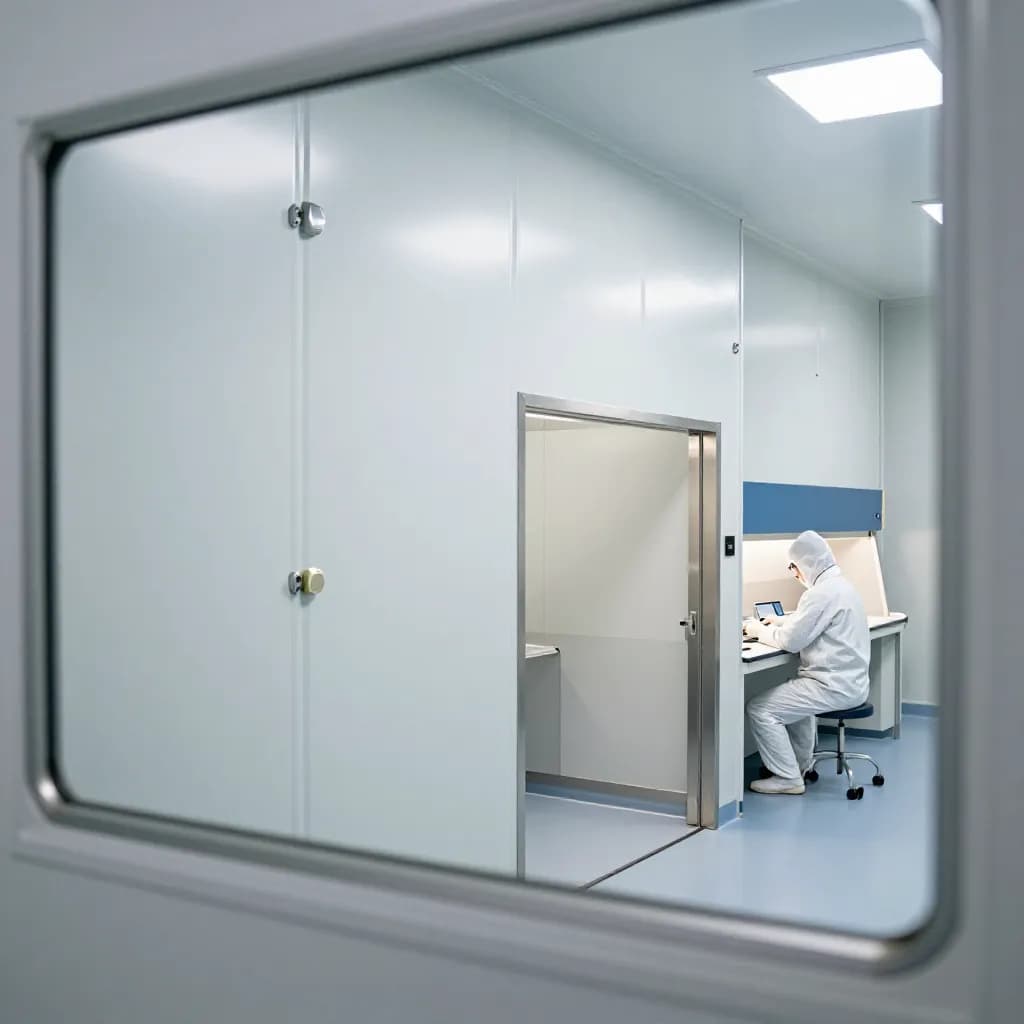
Particle control is equally critical in cleanroom environments. Coatings that flake, chalk, or shed particles contaminate the controlled atmosphere and can compromise sensitive research, manufacturing, or testing processes. Every surface finish in a cleanroom must be stable, non-shedding, and capable of withstanding the rigorous cleaning protocols required to maintain classification standards.
Ready to Start Your Project?
From one-off customs to 15,000-part production runs — get precise pricing in 24 hours.
On This Page
Laboratory and Cleanroom Coating Requirements
Cleanability ties these requirements together. Laboratory and cleanroom surfaces must be cleaned frequently and thoroughly, often with aggressive decontamination agents. The coating must present a smooth, non-porous surface that does not harbor contaminants and can be wiped clean without degradation. Any surface texture or porosity that traps particles or chemical residues is unacceptable in these precision environments.
Furniture and Fixture Applications
Laboratory benches and worksurfaces are the primary working surfaces in any lab environment, and their supporting frames and structures require finishes that match the chemical resistance of the worktop materials above them. Powder-coated steel frames provide the structural support for heavy laboratory equipment while resisting the chemical splashes and spills that inevitably reach below worksurface level during daily laboratory operations.
Fume hood frames and enclosures operate in the most chemically aggressive zone of any laboratory. These components are directly exposed to concentrated chemical vapors and occasional liquid splashes, requiring a coating system with exceptional chemical resistance. Powder coating's cross-linked thermoset structure provides inherent resistance to a broad spectrum of laboratory chemicals, maintaining its protective barrier where liquid paint would soften and fail.
Shelving systems, storage cabinets, and equipment racks throughout laboratory facilities must combine chemical resistance with the mechanical durability to withstand the constant loading and unloading of heavy equipment, glassware, and chemical containers. The 60-120 micron film thickness of powder coating provides robust protection against both chemical exposure and the physical demands of daily laboratory operations, far exceeding the 25-50 micron protection offered by liquid paint.
Zero VOC for Controlled Atmospheres
Laboratories and cleanrooms maintain tightly controlled atmospheric conditions where even trace levels of volatile organic compounds can compromise experimental results, contaminate sensitive processes, or affect the accuracy of analytical instruments. Powder coating produces zero VOC emissions throughout its service life, ensuring that coated surfaces contribute no volatile contaminants to the controlled laboratory atmosphere.
This zero VOC characteristic is particularly important when new furniture or fixtures are installed in operational laboratories. Liquid-painted components can off-gas volatile compounds for weeks or months after application, potentially interfering with sensitive analytical work or contaminating cleanroom environments during the off-gassing period. Powder-coated components can be installed and put into service immediately, with no waiting period required for off-gassing to subside.
For laboratories conducting trace-level chemical analysis, pharmaceutical manufacturing under GMP conditions, or semiconductor fabrication in cleanroom environments, the atmospheric purity provided by zero VOC coatings is not merely desirable — it is a functional requirement. Specifying powder-coated metalwork throughout these facilities eliminates one potential source of atmospheric contamination, supporting the overall environmental control strategy.
Chemical Resistance to Laboratory Reagents and Cleaning Agents
The chemical environment in laboratories is far more aggressive than in any conventional building type. Concentrated acids, strong alkalis, organic solvents, and specialist reagents are used daily, and accidental spills and splashes are inevitable. The coating system on laboratory metalwork must resist this chemical exposure without degradation, maintaining its protective and aesthetic properties through years of laboratory operations.
Powder coating's cross-linked polymer matrix provides broad-spectrum chemical resistance that liquid paint systems cannot match. The dense, fully cured thermoset film resists penetration by most common laboratory chemicals, including dilute acids and alkalis, alcohols, ketones, and aqueous cleaning solutions. For environments with particularly aggressive chemical exposure, specialist epoxy-polyester hybrid powder coatings offer enhanced chemical resistance at the expense of some UV stability — an acceptable trade-off for interior laboratory applications.
Cleaning agent resistance is equally important. Laboratories are cleaned with disinfectants, decontamination solutions, and specialist cleaning agents that are far more aggressive than the mild detergents used in commercial buildings. Powder coating withstands repeated exposure to these agents without softening, discoloring, or losing adhesion, maintaining its smooth, cleanable surface through thousands of cleaning cycles over the facility's operational life.
RAL 7035 and White Finishes for Bright, Clean Environments
Laboratory and cleanroom environments prioritize bright, clean visual aesthetics that support both functional requirements and the perception of cleanliness and precision. RAL 7035 Light Grey and RAL 9010 Pure White are the dominant color choices, providing high light reflectance that maximizes the effectiveness of overhead lighting and creates the bright, even illumination that laboratory work demands.
The choice between light grey and white often depends on the specific application. RAL 7035 is preferred for furniture frames, equipment housings, and structural elements where its slightly warmer tone reduces visual fatigue during long working hours while still providing excellent light reflectance. RAL 9010 and similar whites are used for wall panels, ceiling systems, and cleanroom enclosures where maximum brightness and the visual association with cleanliness are priorities.
Powder coating delivers these light colors with the consistency and durability that laboratory environments demand. The coating maintains its brightness and color accuracy over its 20-25 year service life, resisting the yellowing that can affect some liquid paint systems under artificial lighting and chemical exposure. This long-term color stability ensures that laboratory environments maintain their bright, professional appearance throughout the facility's operational life.
Frequently Asked Questions
Is powder coating chemically resistant enough for laboratory environments?
Yes. Powder coating's cross-linked thermoset structure provides broad-spectrum resistance to dilute acids, alkalis, alcohols, ketones, and aqueous cleaning solutions. For particularly aggressive chemical environments, specialist epoxy-polyester hybrid formulations offer enhanced chemical resistance suitable for demanding laboratory applications.
Why is zero VOC important for cleanroom coatings?
Cleanrooms require tightly controlled atmospheres where even trace VOC levels can contaminate processes or compromise results. Powder coating produces zero VOC emissions throughout its service life, allowing coated components to be installed immediately without off-gassing periods that could affect cleanroom classification or sensitive operations.
What colors are standard for laboratory powder coating?
RAL 7035 Light Grey and RAL 9010 Pure White are the dominant choices for laboratory environments. These high-reflectance colors maximize lighting effectiveness and create the bright, clean visual environment that laboratory work demands. Powder coating maintains these colors without yellowing for 20-25 years.
Does powder coating shed particles in cleanroom environments?
No. Properly applied and cured powder coating forms a stable, non-shedding thermoset film that does not flake, chalk, or release particles under normal conditions. This particle stability makes powder coating suitable for cleanroom environments where surface coatings must not compromise atmospheric cleanliness standards.
Ready to Start Your Project?
From one-off customs to 15,000-part production runs — get precise pricing in 24 hours.