Shipping powder-coated parts across international borders introduces a set of challenges that domestic logistics do not present. The extended transit times, multiple handling points, climate variations, and customs procedures of international shipping all create opportunities for damage, delay, and cost overruns that can undermine the quality and economics of a coating project.
Guides
Shipping Powder-Coated Parts Internationally: Packaging, Protection, and Documentation
Sundial Powder Coating·April 22, 2026·11 min
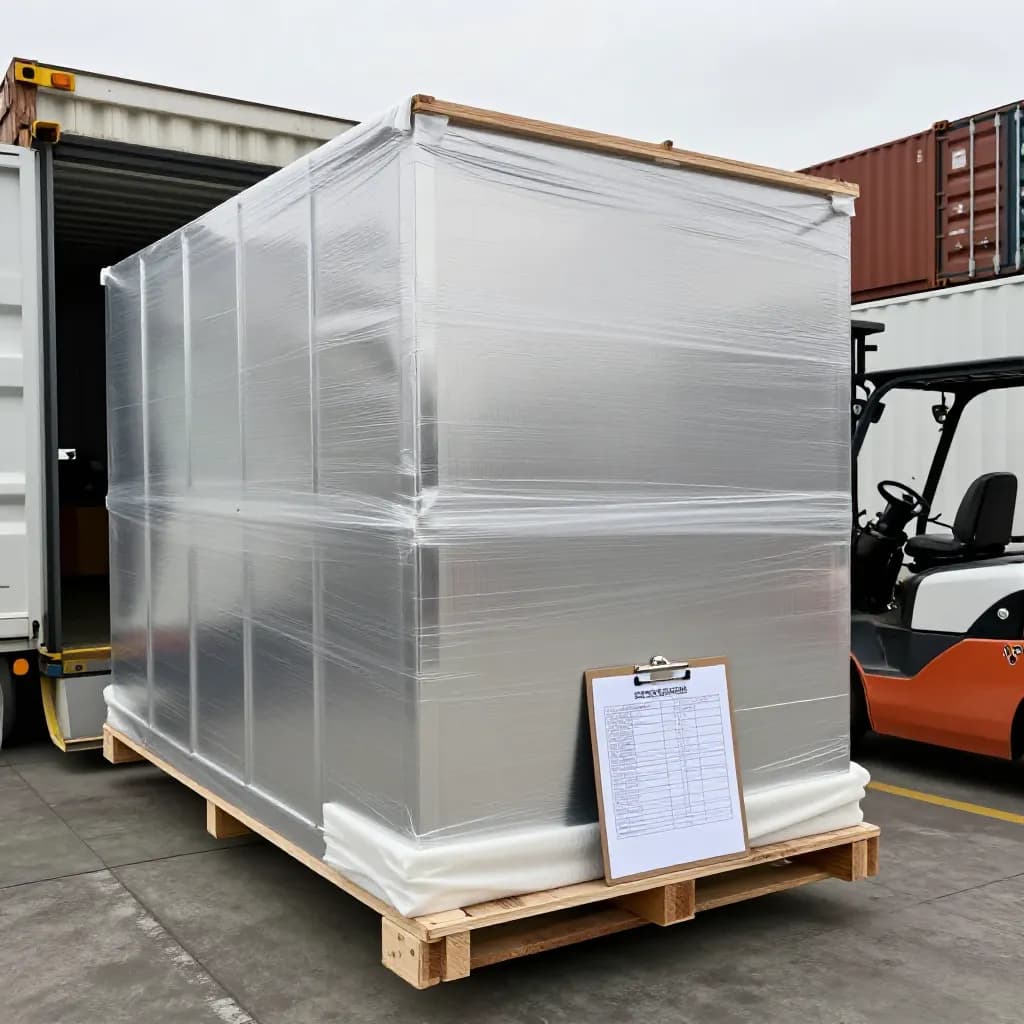
Powder-coated surfaces, while significantly more durable than liquid paint, are not immune to damage during transit. Impact from shifting cargo, abrasion from part-to-part contact, scratching from packaging materials, and marking from condensation or chemical exposure can all degrade the finish quality that was carefully achieved in the coating process. The longer and more complex the shipping route, the greater the cumulative risk of damage.
Ready to Start Your Project?
From one-off customs to 15,000-part production runs — get precise pricing in 24 hours.
On This Page
The Challenge of Shipping Coated Parts Internationally
For businesses that coat parts for international customers or that source coated components from overseas suppliers, understanding how to package, protect, document, and ship coated parts effectively is essential for maintaining quality standards and customer satisfaction. This guide covers the practical aspects of international shipping for powder-coated parts, from packaging design through climate management to customs documentation.
Packaging Design for Coated Parts
Effective packaging for powder-coated parts must protect against the specific hazards of the shipping environment: impact, vibration, abrasion, compression, and environmental exposure. The packaging design should be tailored to the part geometry, the shipping method, and the destination conditions.
For flat panels and sheet components, interleaving with foam sheets, polyethylene film, or non-abrasive paper prevents surface-to-surface contact that causes scratching and marking. Stack panels vertically rather than horizontally where possible — vertical orientation reduces the compression load on lower panels and makes handling easier. Use edge protectors on corners and edges, which are the most vulnerable areas for impact damage.
For profiles, extrusions, and elongated parts, use custom-fitted foam cradles or corrugated dividers that hold each piece in position and prevent lateral movement during transit. Wrap individual pieces in protective film if the surface finish is critical. For complex three-dimensional parts, custom foam inserts or molded packaging that conforms to the part geometry provides the best protection but is more expensive to produce — justify the cost against the value of the parts and the cost of damage claims.
Outer packaging should be robust enough to withstand the rigors of international freight handling — multiple lifts, stacking in containers, forklift handling, and potential exposure to weather during loading and unloading. Use heavy-duty corrugated cartons, wooden crates, or steel stillages depending on the weight and value of the contents. Mark packages clearly with handling instructions — 'Fragile,' 'This Side Up,' 'Do Not Stack' — in the languages relevant to the shipping route.
Preventing Transit Damage: Vibration, Impact, and Abrasion
Transit damage to powder-coated parts typically results from three mechanisms: impact (sudden shocks from dropping, collision, or rough handling), vibration (continuous low-level movement during road, rail, sea, or air transport), and abrasion (rubbing contact between parts, between parts and packaging, or between packaging and the transport vehicle).
Impact protection requires cushioning materials that absorb shock energy before it reaches the coated surface. Closed-cell polyethylene foam is the most common cushioning material for coated parts — it is lightweight, non-abrasive, moisture-resistant, and available in various densities to match the protection requirement. For heavy parts, thicker or denser foam is needed to absorb the higher impact energy. Ensure that cushioning is present on all sides of the part, not just the top and bottom.
Vibration damage is insidious because it occurs gradually over extended transit periods. Parts that are not firmly secured in their packaging can shift and rub against each other or against packaging surfaces, causing abrasion marks that may not be visible until the packaging is opened. Prevent vibration damage by ensuring parts are held firmly in position with no room for movement — use foam inserts, inflatable dunnage bags, or stretch wrap to eliminate voids and prevent shifting. For sea freight, where vibration from engine and wave action is continuous for days or weeks, particularly robust securing is essential.
Abrasion prevention requires selecting packaging materials that will not scratch or mark the coated surface. Avoid rough cardboard, uncoated paper, and any material with abrasive particles in direct contact with coated surfaces. Use smooth, non-abrasive interleaving materials and ensure that any strapping or banding does not contact the coated surface directly — use corner protectors or padding under straps.
Climate Considerations: Temperature, Humidity, and Condensation
International shipping exposes coated parts to climate conditions that can vary dramatically along the shipping route. A container loaded in Northern Europe in winter may pass through tropical heat in the Suez Canal before arriving in a humid Southeast Asian port. These temperature and humidity swings create specific risks for powder-coated parts.
Condensation is the primary climate-related risk. When a sealed container moves from a cold environment to a warm one, moisture in the trapped air condenses on the coldest surfaces — which are typically the metal parts inside the container. This condensation, known as container rain or cargo sweat, can cause water staining on coated surfaces, corrosion of uncoated edges or cut ends, and mold growth on organic packaging materials. The risk is highest for shipments originating in cold climates and transiting through or arriving in warm, humid regions.
Mitigation strategies for condensation include using desiccant products (silica gel bags or calcium chloride containers) inside the packaging and the shipping container to absorb excess moisture. Ventilated containers allow air exchange that reduces condensation buildup but may not be available on all routes. Vapor barrier packaging — wrapping parts or pallets in sealed polyethylene film with desiccant inside — creates a controlled microenvironment that limits moisture exposure regardless of external conditions. For high-value shipments, consider climate-controlled containers (reefer containers) that maintain a constant temperature and humidity throughout the journey, though these are significantly more expensive than standard containers.
Customs Documentation and Regulatory Compliance
International shipments of powder-coated parts require proper customs documentation to clear import and export procedures without delays or penalties. The specific documentation requirements vary by country, but common requirements include a commercial invoice (describing the goods, their value, origin, and the terms of sale), a packing list (detailing the contents of each package), a certificate of origin (confirming where the goods were manufactured or processed), and transport documents (bill of lading for sea freight, air waybill for air freight).
For powder-coated parts, the customs classification (Harmonized System code) depends on the base material and the product type rather than the coating itself. However, the coating may affect the declared value — the customs value typically includes the cost of the coating as part of the total product value. Ensure that your commercial invoice accurately reflects the full value of the coated parts, including the coating service, to avoid customs valuation disputes.
Some countries have specific import requirements for coated products, particularly for construction materials and products that must meet local standards. Architectural coated aluminum, for example, may need to comply with local building codes or quality standards in the destination country. Research the import requirements for your specific products and destination before shipping, and include any required compliance certificates or test reports with the shipment documentation. Working with an experienced freight forwarder or customs broker who understands the requirements for your product type and destination markets can prevent costly delays and compliance issues.
Choosing the Right Shipping Method
The choice of shipping method — sea freight, air freight, road transport, or rail — affects transit time, cost, handling risk, and climate exposure. Each method has characteristics that influence the packaging and protection requirements for powder-coated parts.
Sea freight is the most common method for international shipment of coated parts due to its cost-effectiveness for heavy or bulky cargo. However, sea freight involves the longest transit times (typically two to six weeks depending on the route), the most handling points (factory to port, port loading, transhipment, port unloading, port to destination), and the greatest climate variation. Packaging for sea freight must be robust enough to withstand container stacking, forklift handling, and extended vibration, and must include moisture protection for the condensation risks described earlier.
Air freight offers much shorter transit times (typically one to five days) and more controlled handling conditions, but at significantly higher cost. Air freight is appropriate for urgent shipments, high-value components where the cost of transit damage exceeds the freight premium, and lightweight parts where the cost differential is manageable. Packaging for air freight can be lighter than for sea freight but must still protect against impact and vibration during ground handling at airports.
Road and rail transport are used for continental shipments within Europe, North America, and other regions with developed land transport networks. Transit times and handling risks are generally moderate, and climate exposure is less extreme than for sea freight. For road transport, ensure that parts are secured against movement during braking, acceleration, and cornering — unsecured loads in trucks are a common cause of transit damage.
Claims Management and Damage Documentation
Despite the best packaging and shipping practices, transit damage occasionally occurs. Having a clear process for documenting damage, filing claims, and recovering costs is essential for managing the financial impact of shipping damage on your business.
Inspect all incoming shipments promptly upon arrival and document any visible damage to packaging before opening. Photograph damaged packaging from multiple angles, noting the location and nature of the damage. When opening packages, document the condition of the contents systematically — photograph any damaged parts, measure and record the extent of damage, and retain damaged packaging materials as evidence.
File damage claims with the carrier or insurer promptly — most carriers have strict time limits for claim notification (typically within a few days of delivery for visible damage and within a defined period for concealed damage discovered after unpacking). Include comprehensive documentation with your claim: photographs of packaging and product damage, the commercial invoice and packing list, the transport documents, and a detailed description of the damage and its estimated cost.
For recurring shipping routes, analyze damage patterns to identify systemic issues. If damage consistently occurs at specific handling points, with specific carriers, or on specific routes, address the root cause through improved packaging, carrier selection, or routing changes. Track damage rates and costs as a key performance indicator for your logistics operation, and use the data to justify investments in better packaging or shipping methods where the cost of damage exceeds the cost of prevention.
Frequently Asked Questions
What is the best packaging material for powder-coated parts?
Closed-cell polyethylene foam is the most versatile packaging material for coated parts — it is non-abrasive, moisture-resistant, lightweight, and available in various densities. Use it for interleaving, cushioning, and custom inserts. Avoid rough cardboard, uncoated paper, or any abrasive material in direct contact with coated surfaces.
How do I prevent condensation damage during sea freight?
Use desiccant products inside packaging and containers to absorb moisture. Wrap parts or pallets in sealed vapor barrier film with desiccant inside. Consider ventilated containers for routes with significant temperature variation. For high-value shipments, climate-controlled containers provide the most reliable protection.
What customs documentation is needed for shipping coated parts?
Standard requirements include a commercial invoice, packing list, certificate of origin, and transport documents (bill of lading or air waybill). Some destinations require additional compliance certificates or test reports for construction materials. Work with an experienced freight forwarder to ensure complete documentation for your specific products and destinations.
Should I use sea freight or air freight for coated parts?
Sea freight is cost-effective for large, heavy shipments where transit time is not critical. Air freight is appropriate for urgent shipments, high-value components, and lightweight parts. Consider the total cost including packaging, insurance, and potential damage claims — air freight's higher transport cost may be offset by lower packaging costs and reduced damage risk.
How quickly must I report shipping damage to file a claim?
Most carriers require notification of visible damage at the time of delivery (note damage on the delivery receipt) and notification of concealed damage within a few days of unpacking. Specific time limits vary by carrier and jurisdiction. Inspect and document shipments promptly upon arrival to preserve your claim rights.
Ready to Start Your Project?
From one-off customs to 15,000-part production runs — get precise pricing in 24 hours.