Humid subtropical climates — classified as Cfa and Cwa under the Köppen system — encompass some of the world's most densely populated and rapidly developing regions. The southeastern United States, eastern China, southern Japan, southeastern Brazil, and eastern Australia all share the defining characteristics: hot, humid summers with temperatures of 30-38°C and relative humidity of 70-90%, mild to cool winters, and annual rainfall of 1,000-1,500 mm distributed throughout the year.
Architecture
Powder Coating for Humid Subtropical Buildings: Condensation, Mold Prevention, and Pretreatment
Sundial Powder Coating·April 22, 2026·11 min
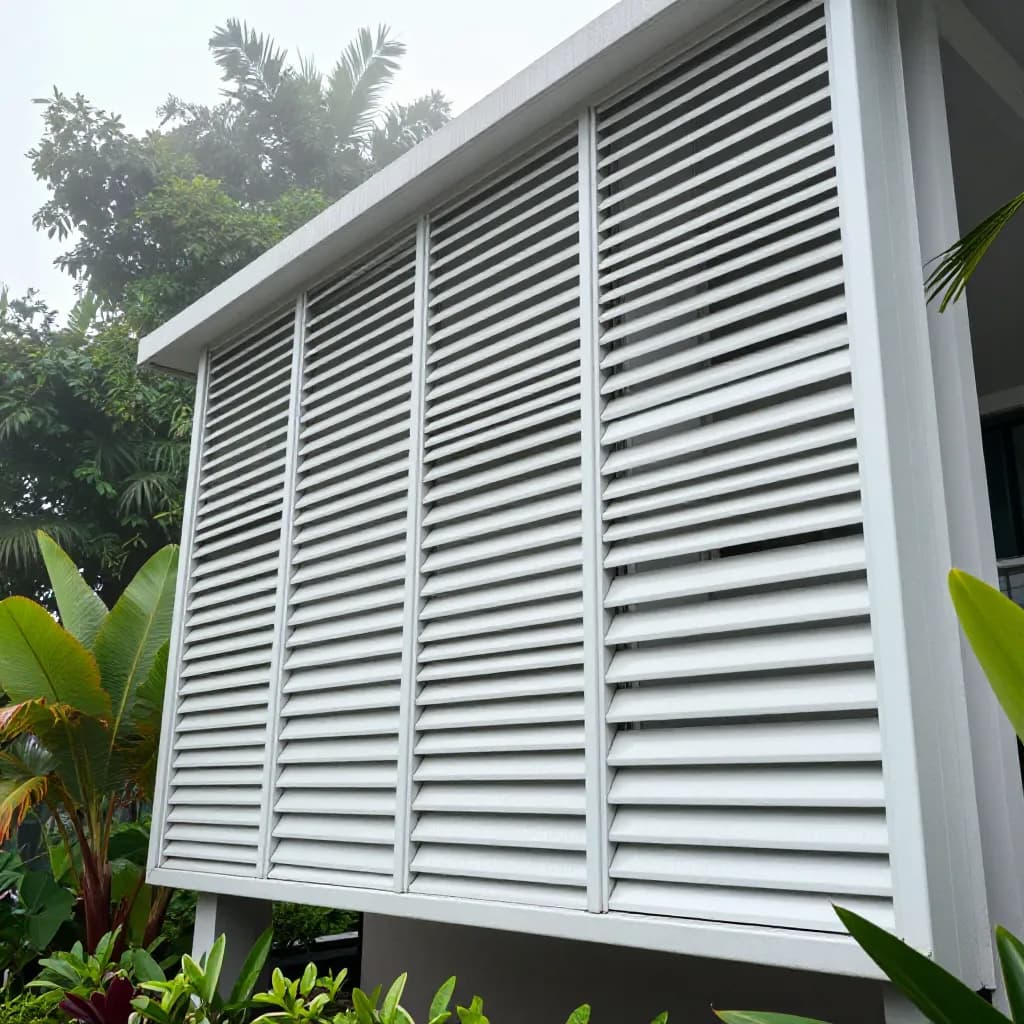
For building envelopes, the humid subtropical climate creates a persistent moisture challenge that affects every component of the facade system, including powder-coated aluminum cladding, curtain walls, and fenestration. The high absolute humidity means that dew point temperatures are frequently reached on building surfaces, causing condensation that can persist for hours. Air-conditioned buildings create additional condensation risk at the interface between the cool interior and warm, humid exterior — exactly where the powder-coated facade components are located.
Ready to Start Your Project?
From one-off customs to 15,000-part production runs — get precise pricing in 24 hours.
On This Page
Humid Subtropical Climate and Building Envelopes
The architectural powder coating industry has extensive experience with humid subtropical conditions, as many of the world's largest construction markets — including the US Gulf Coast, Hong Kong, Shanghai, Tokyo, and São Paulo — are located in these climate zones. The lessons learned from decades of performance data in these regions inform current best practices for coating specification, pretreatment selection, and maintenance protocols.
Unlike tropical climates where UV is the dominant degradation mechanism, humid subtropical environments subject powder coatings to a more balanced combination of UV, moisture, and temperature cycling. This balanced attack profile means that coating systems must perform well across all degradation mechanisms rather than being optimized for a single dominant stress.
Condensation Mechanisms and Coating Impact
Condensation on powder-coated building surfaces occurs whenever the surface temperature drops below the dew point of the surrounding air. In humid subtropical climates, this happens frequently: during nighttime radiative cooling, when air-conditioned interior surfaces cool the facade from behind, during rapid weather changes, and in shaded areas where surfaces remain cool while ambient humidity is high.
The frequency and duration of condensation events directly affect powder coating degradation. Each condensation cycle deposits a thin film of water on the coating surface that dissolves atmospheric pollutants, salt particles, and biological spores, creating a chemically active solution in intimate contact with the coating. As the condensation evaporates, these dissolved substances concentrate on the surface, potentially exceeding the chemical resistance thresholds of the coating.
For powder-coated aluminum curtain walls and window frames, condensation at the thermal bridge between interior and exterior environments is a particular concern. Modern thermally broken profiles are designed to minimize this condensation, but in humid subtropical climates, even well-designed thermal breaks may not completely prevent condensation during peak humidity periods. The condensation that forms at these locations can migrate along the profile, accumulating in joints and drainage channels where it creates sustained wet conditions.
The impact of condensation on powder coating longevity depends on the coating's moisture vapor transmission rate (MVTR), the quality of the pretreatment, and the frequency of wet-dry cycling. Coatings with lower MVTR — achieved through higher crosslink density, barrier pigments, and optimized film thickness — resist moisture penetration more effectively. Pretreatment quality determines whether moisture that does reach the coating-substrate interface causes adhesion loss and corrosion initiation.
Design strategies to minimize condensation impact include ensuring adequate ventilation behind cladding panels, providing drainage paths for condensation runoff, and avoiding thermal bridges that create cold spots on the building envelope.
Mold and Biological Growth Prevention
Mold, algae, and fungal growth on building facades is a significant aesthetic and maintenance concern in humid subtropical climates. The warm, humid conditions provide ideal growth environments, and biological colonization of powder-coated surfaces can occur within months of installation if conditions are favorable.
Mold growth on powder-coated surfaces is primarily a surface phenomenon — the cured thermoset coating does not provide nutrients for microbial growth. However, the accumulation of organic matter on the surface — dust, pollen, insect residues, and atmospheric organic compounds — creates a nutrient layer that supports biological colonization. In humid subtropical climates, this nutrient layer remains moist for extended periods, enabling rapid microbial proliferation.
The orientation and design of the facade significantly influence biological growth risk. North-facing surfaces (in the northern hemisphere) receive less direct sunlight and remain damp longer, making them more susceptible to biological colonization. Recessed areas, overhangs, and surfaces sheltered from rain washing accumulate more organic debris and maintain higher moisture levels. Textured powder coating finishes provide more surface area and micro-niches for biological attachment compared to smooth finishes.
Antimicrobial powder coating technology offers a proactive approach to biological growth prevention. Silver ion-based antimicrobial additives, incorporated into the powder formulation during manufacture, provide sustained antimicrobial activity over the coating's service life. These additives work by disrupting microbial cell membranes and metabolic processes, preventing colonization rather than simply killing established growth. Zinc pyrithione and isothiazolinone-based additives offer alternative antimicrobial mechanisms.
Building design strategies complement coating technology in managing biological growth. Ensuring adequate facade drainage, minimizing horizontal surfaces that trap moisture, providing air circulation behind cladding panels, and designing overhangs that protect vulnerable surfaces from direct rain while allowing UV exposure for natural antimicrobial action all contribute to reduced biological growth risk.
Pretreatment Optimization for Humidity
Pretreatment quality is the single most critical factor determining powder coating longevity in humid subtropical environments. The sustained moisture exposure characteristic of these climates relentlessly tests the coating-substrate bond, and any weakness in the pretreatment layer will be exploited within the first few years of service.
For aluminum substrates, the pretreatment process must create a robust, chemically bonded interface layer that resists moisture penetration and maintains adhesion under sustained wet conditions. Multi-stage chrome-free pretreatment processes — typically incorporating alkaline cleaning, acid etching, de-smutting, and titanium or zirconium-based conversion coating — are the standard for humid subtropical architectural applications.
The conversion coating weight is a critical parameter for humid subtropical performance. Qualicoat Class 1 pretreatment (minimum conversion coating weight) may be adequate for dry inland climates but is insufficient for humid subtropical conditions. Qualicoat Class 1.5 should be considered the minimum for humid subtropical applications, with Class 2 preferred for coastal humid subtropical locations or buildings with high aesthetic expectations.
Boiling water adhesion testing — immersing pretreated and coated panels in boiling water for 2 hours followed by cross-cut adhesion testing — is the most relevant accelerated test for predicting humid subtropical pretreatment performance. This test stresses the coating-substrate interface with sustained hot moisture in a manner that correlates well with long-term humid subtropical exposure. Coatings should achieve ISO 2409 Class 0 (no adhesion loss) after boiling water immersion.
Rinse water quality in the pretreatment process is particularly important for humid subtropical applications. Ionic contamination from poor-quality rinse water can be trapped beneath the conversion coating, creating osmotic blistering nucleation sites that are activated by the sustained moisture exposure of humid subtropical service. Final rinse conductivity below 30 µS/cm — and ideally below 10 µS/cm using deionized water — is recommended.
Facade System Design for Humid Subtropical Climates
The design of powder-coated facade systems for humid subtropical buildings must address moisture management as a primary design objective. Every detail — from panel joints to drainage paths to ventilation provisions — influences the moisture exposure experienced by the powder coating and, consequently, its long-term performance.
Ventilated rainscreen facade systems are strongly recommended for humid subtropical climates. These systems incorporate an air gap (typically 25-50 mm) between the powder-coated cladding panels and the building's weather barrier, allowing air circulation that removes moisture from behind the cladding and reduces condensation on the back surface of the panels. The ventilation also moderates temperature extremes on the cladding, reducing thermal cycling stress on the powder coating.
Joint design in humid subtropical facades must balance weather tightness with drainage capability. Sealed joints prevent rain penetration but can trap condensation moisture behind the cladding. Drained and ventilated joint systems — which allow small amounts of water penetration but provide drainage paths to remove it — generally perform better in humid subtropical climates because they prevent moisture accumulation behind the cladding.
Flashing and drainage details at window heads, sills, and panel transitions are critical for directing water away from vulnerable coating areas. Inadequate flashing allows water to run behind cladding panels, creating sustained wet conditions that accelerate coating degradation from the back surface — a failure mode that is invisible until advanced corrosion has occurred.
Material selection for fasteners, brackets, and support systems must consider galvanic compatibility with the powder-coated aluminum cladding. In humid subtropical conditions, the persistent moisture provides an effective electrolyte for galvanic corrosion between dissimilar metals. Stainless steel or aluminum fasteners are preferred; if carbon steel fasteners are used, they must be isolated from the aluminum cladding with non-conductive washers and coated with a compatible corrosion protection system.
Color and Finish Selection for Humid Subtropical Buildings
Color and finish selection for humid subtropical buildings must balance aesthetic design intent with practical performance considerations related to moisture, UV, and biological growth.
Light colors are generally preferred for humid subtropical buildings because they absorb less solar radiation, resulting in lower surface temperatures that reduce thermal cycling stress and condensation risk. White and light gray facades can maintain surface temperatures 20-30°C below dark-colored equivalents in direct sunlight, significantly reducing the thermal load on both the coating and the building's cooling systems.
Gloss level selection has practical implications beyond aesthetics. High-gloss finishes (above 70 GU at 60°) provide smoother surfaces that resist biological attachment, shed water more effectively, and are easier to clean than matte or textured finishes. However, high-gloss finishes show dirt, fingerprints, and surface imperfections more readily, requiring more frequent cleaning to maintain appearance. Semi-gloss finishes (30-70 GU) offer a practical compromise for most humid subtropical applications.
Metallic and pearlescent powder coating finishes, while architecturally popular, require additional consideration in humid subtropical climates. The aluminum flake pigments used in metallic finishes can create micro-galvanic cells with the aluminum substrate if moisture penetrates the coating film, potentially accelerating corrosion. Specifying metallic finishes with encapsulated aluminum flakes and enhanced pretreatment mitigates this risk.
Wood-effect sublimation transfer finishes on powder-coated aluminum are increasingly popular for humid subtropical residential and hospitality architecture, providing the warm aesthetic of timber without the moisture-related maintenance issues of real wood. These finishes incorporate a sublimation-printed film bonded to the powder-coated surface, and the film itself must be UV-stabilized for humid subtropical exterior exposure. Qualicoat-approved wood-effect systems have demonstrated 10-15 year performance in humid subtropical conditions.
Maintenance Protocols for Humid Subtropical Buildings
Maintenance programs for powder-coated buildings in humid subtropical climates must address the specific degradation mechanisms of these environments: biological growth, dirt accumulation in humid conditions, and moisture-related coating degradation.
Cleaning frequency should be higher than in dry climates — typically every 6-12 months for most facades, with quarterly cleaning recommended for north-facing surfaces and areas prone to biological growth. The cleaning process should use fresh water with mild neutral detergent (pH 6-8), applied with soft brushes or low-pressure washing (below 50 bar). Biocidal cleaning agents may be used for surfaces with established biological growth, but these should be compatible with the powder coating chemistry and rinsed thoroughly after application.
Inspection during cleaning should focus on early signs of moisture-related degradation: blistering (indicating osmotic or cathodic activity at the coating-substrate interface), filiform corrosion tracks on aluminum (visible as thread-like lines beneath the coating), and adhesion loss at edges, joints, and fastener locations. Early detection of these conditions enables targeted repair before damage propagates.
Drainage system maintenance is critical in humid subtropical climates. Blocked drainage channels, clogged weep holes, and debris-filled gutters cause water to back up behind cladding panels, creating sustained wet conditions that accelerate coating degradation. Drainage systems should be inspected and cleared during each maintenance cycle.
Sealant and gasket maintenance is equally important. The high UV and temperature cycling of humid subtropical climates degrades sealants and gaskets faster than in temperate climates, potentially allowing water penetration behind cladding panels. Sealant condition should be assessed during each maintenance cycle, with replacement scheduled before failure occurs.
Documenting coating condition over time using standardized assessment methods (ISO 4628) enables prediction of remaining service life and optimal scheduling of recoating interventions. This data-driven approach to maintenance planning delivers better lifecycle economics than either reactive maintenance (waiting for visible failure) or calendar-based maintenance (recoating on a fixed schedule regardless of condition).
Frequently Asked Questions
How does humidity affect powder coating on buildings?
Sustained high humidity causes frequent condensation on building surfaces, driving moisture through the coating film to the substrate interface. This can cause osmotic blistering, filiform corrosion on aluminum, and adhesion loss. Proper pretreatment (Qualicoat Class 1.5 minimum), adequate film thickness (80+ microns), and ventilated facade design mitigate these effects.
How do you prevent mold on powder-coated facades?
Use smooth, high-gloss finishes that resist biological attachment, specify antimicrobial powder coatings with silver ion or zinc pyrithione additives, ensure adequate facade drainage and ventilation, and implement regular cleaning every 6-12 months. North-facing and sheltered surfaces require more frequent attention than sun-exposed areas.
What pretreatment is best for humid subtropical powder coating?
Multi-stage chrome-free pretreatment with titanium or zirconium conversion coating meeting Qualicoat Class 1.5 minimum (Class 2 preferred). Boiling water adhesion testing should achieve ISO 2409 Class 0. Final rinse water conductivity below 30 µS/cm prevents ionic contamination that causes osmotic blistering in humid service.
Should humid subtropical buildings use ventilated facades?
Yes. Ventilated rainscreen facades with 25-50 mm air gaps behind powder-coated cladding are strongly recommended. Air circulation removes moisture from behind panels, reduces condensation, and moderates temperature extremes. Drained and ventilated joint systems prevent moisture accumulation that accelerates coating degradation.
How often should powder-coated facades be cleaned in humid climates?
Every 6-12 months for most facades, with quarterly cleaning for north-facing surfaces and areas prone to biological growth. Use fresh water with mild neutral detergent and soft brushes. Inspect drainage systems, sealants, and coating condition during each cleaning cycle to catch moisture-related degradation early.
Ready to Start Your Project?
From one-off customs to 15,000-part production runs — get precise pricing in 24 hours.