Altitude has a direct and measurable effect on ultraviolet radiation intensity. For every 1,000 meters of elevation gain, UV-B radiation increases by approximately 10-12%, while UV-A increases by 6-8%. At 3,000 meters — typical of many alpine ski resorts and mountain communities — UV-B intensity is 30-36% higher than at sea level. At 4,000-5,000 meters — relevant for infrastructure in the Andes, Himalayas, and Tibetan Plateau — UV-B can be 50-60% more intense than coastal locations at the same latitude.
Technical
Powder Coating at High Altitude: Increased UV Exposure, Mountain Architecture, and Ski Resort Infrastructure
Sundial Powder Coating·April 22, 2026·11 min
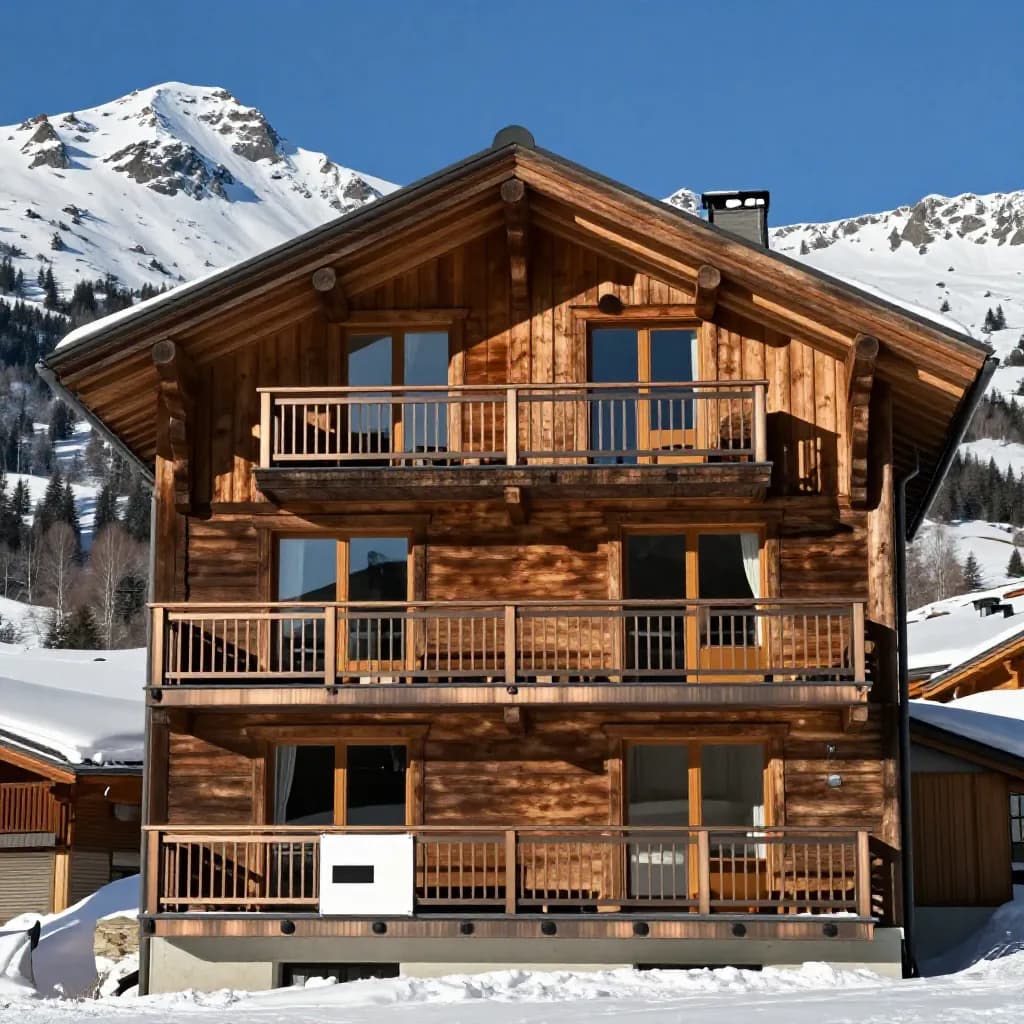
This UV amplification occurs because the thinner atmosphere at altitude absorbs less UV radiation before it reaches the surface. The reduced atmospheric path length, lower aerosol content, and often lower humidity of mountain air all contribute to higher UV transmission. Snow cover compounds the effect through reflection — fresh snow reflects 80-90% of UV radiation, effectively doubling the UV dose on surfaces above snowfields compared to surfaces over dark ground.
Ready to Start Your Project?
From one-off customs to 15,000-part production runs — get precise pricing in 24 hours.
On This Page
The High-Altitude UV Challenge
For powder coatings on mountain architecture and infrastructure, this elevated UV exposure accelerates all photodegradation mechanisms: chalking, gloss loss, color fading, and embrittlement of the organic binder. A powder coating that maintains acceptable appearance for 20 years at sea level may show equivalent degradation in 12-15 years at 2,000 meters and 8-12 years at 3,000+ meters, depending on orientation, snow reflection, and local climate factors.
The combination of high UV with other mountain environmental stresses — freeze-thaw cycling, wind-driven ice and snow, de-icing chemicals, and wide temperature ranges — creates a uniquely demanding environment that requires careful coating specification.
UV Radiation Physics at Altitude
Understanding the physics of UV radiation at altitude is essential for accurate coating specification. Solar UV radiation reaching the Earth's surface is divided into UV-A (315-400 nm) and UV-B (280-315 nm) bands. UV-C (100-280 nm) is completely absorbed by the atmosphere and does not reach the surface at any altitude below the stratosphere.
UV-B is the primary driver of powder coating photodegradation because its higher photon energy (3.94-4.43 eV) is sufficient to break carbon-carbon and carbon-oxygen bonds in organic polymers. The 10-12% increase in UV-B per 1,000 meters of altitude translates directly to accelerated bond-breaking reactions in the coating binder. UV-A, while less energetic per photon (3.10-3.94 eV), contributes to degradation through indirect photochemical mechanisms involving free radical generation.
The spectral distribution of UV radiation shifts toward shorter, more energetic wavelengths at altitude. This spectral shift means that the UV radiation at 3,000 meters is not simply more intense but also more damaging per unit of energy than UV at sea level. Accelerated weathering tests using xenon arc or fluorescent UV lamps should account for this spectral difference when evaluating coatings for high-altitude service.
Seasonal variation in UV intensity is more pronounced at high altitudes in temperate latitudes. Summer UV levels at 2,500 meters in the Alps can exceed tropical sea-level values, while winter UV — though lower in absolute terms — is amplified by snow reflection to levels that still cause significant coating degradation. South-facing surfaces (in the northern hemisphere) receive the highest cumulative UV dose and should be specified with the most UV-resistant coating systems.
Cloud cover at altitude is variable and can both reduce and enhance UV exposure. Thin cloud layers can actually increase UV through scattering effects, while thick cloud cover provides significant attenuation. For specification purposes, using clear-sky UV data provides a conservative basis for coating selection.
Coating Selection for High-Altitude UV Resistance
Selecting powder coatings for high-altitude applications requires upgrading the UV resistance specification compared to equivalent sea-level installations. The standard approach is to specify coatings one performance tier above what would be required at sea level for the same latitude and orientation.
Super-durable polyester powder coatings are the minimum acceptable specification for exterior applications above 1,500 meters. These formulations, designed to pass 3,000+ hours of accelerated weathering (ASTM G154 or ISO 16474-3), provide adequate UV resistance for most mountain architectural applications at altitudes up to 2,500 meters. For higher altitudes or south-facing surfaces with snow reflection, specifying formulations tested to 4,000+ hours provides additional margin.
Fluoropolymer powder coatings — FEVE and PVDF-based systems — are recommended for premium mountain architecture above 2,500 meters and for any high-altitude application requiring 25+ year service life. The carbon-fluorine bond stability provides inherent UV resistance that is independent of stabilizer packages, meaning fluoropolymer coatings do not lose UV resistance as stabilizers are consumed over time — a significant advantage for long-term high-altitude performance.
HALS (hindered amine light stabilizer) and UVA (UV absorber) packages in polyester formulations are consumed during service as they intercept UV-generated free radicals and absorb UV photons. At high altitude, the accelerated UV exposure depletes these stabilizers faster, reducing the effective protection period. Specifying powder coatings with enhanced stabilizer loading — typically 50-100% above standard levels — extends the protection period proportionally.
For applications where both UV resistance and mechanical toughness are required — such as ski lift towers, cable car stations, and mountain safety barriers — polyurethane powder coatings offer an excellent balance of weathering resistance and impact performance. While not matching fluoropolymer UV resistance, polyurethane coatings provide superior flexibility and impact resistance at the low temperatures common at high altitude.
Mountain Architecture: Design and Specification
Mountain architecture presents unique design challenges that directly influence powder coating specification and performance. Buildings at altitude must withstand extreme weather, heavy snow loads, high winds, and intense solar radiation while meeting aesthetic expectations that often emphasize integration with the natural landscape.
Aluminum cladding and fenestration systems are widely used in mountain architecture due to their light weight (important for construction logistics in remote mountain locations), corrosion resistance, and design flexibility. Powder-coated aluminum facades in mountain environments must be specified to Qualicoat Class 2 minimum, with Class 3 (fluoropolymer) recommended for elevations above 2,500 meters or for south-facing facades at any mountain elevation.
Color selection for mountain architecture requires balancing aesthetic preferences with UV performance considerations. Earth tones — browns, greens, and grays based on inorganic pigments — provide the best color stability at altitude and integrate naturally with mountain landscapes. Dark colors, while architecturally popular for mountain buildings, absorb more solar radiation and experience higher surface temperatures, accelerating both UV degradation and thermal cycling stress. If dark colors are specified, IR-reflective pigment technology should be considered to reduce surface temperatures.
Snow load and ice formation create mechanical stresses on powder-coated surfaces that are unique to mountain environments. Sliding snow can abrade coating surfaces, ice formation in joints and drainage channels creates expansion forces, and the freeze-thaw cycling of trapped water can cause coating delamination. Design details should facilitate snow shedding, prevent ice accumulation in critical areas, and ensure adequate drainage to minimize freeze-thaw damage.
Passive house and energy-efficient building standards, increasingly applied to mountain architecture, create additional requirements for powder-coated components. Thermal break profiles in window and curtain wall systems must maintain coating integrity across the thermal bridge, and the coating must not compromise the thermal performance of insulated facade systems.
Ski Resort Infrastructure and Mechanical Equipment
Ski resort infrastructure encompasses a wide range of powder-coated components operating under extreme mountain conditions: ski lift towers and chairs, cable car stations and cabins, snowmaking equipment, safety barriers and signage, and resort buildings. Each application has specific performance requirements driven by the combination of high-altitude UV, cold temperatures, mechanical loading, and public safety considerations.
Ski lift towers and structural steel components require powder coating systems that provide both corrosion protection and UV resistance over 20-30 year design lives. Duplex systems — hot-dip galvanizing plus polyurethane or super-durable polyester topcoat — are the standard specification, providing cathodic protection at damage points and UV-resistant aesthetics. The galvanizing layer is particularly valuable because mechanical damage from ice, snow, and maintenance activities is inevitable over the long service life.
Ski lift chairs and cable car cabins are subject to intense UV exposure (both direct and snow-reflected), mechanical impact from loading and unloading, and chemical exposure from de-icing agents and ski wax residues. Polyurethane powder coatings at 80-100 microns provide the best combination of UV resistance, impact resistance, and chemical resistance for these applications. Color consistency across replacement parts is important for resort aesthetics, requiring careful color matching and batch control.
Snowmaking equipment — including snow guns, hydrants, and piping — operates in a uniquely aggressive environment combining water immersion, freezing temperatures, mechanical vibration, and UV exposure during summer storage. Epoxy primer plus polyurethane topcoat systems at total thicknesses of 150-200 microns provide adequate protection, with particular attention to edge coverage and weld areas where coating damage is most likely.
Safety barriers, signage, and trail markers must maintain high visibility and legibility throughout their service life. Fluorescent and high-visibility colors used for safety applications are inherently less UV-stable than standard colors, requiring more frequent replacement or the use of retroreflective overlays rather than relying solely on the powder coating for visibility.
High-Altitude Infrastructure Beyond Ski Resorts
High-altitude powder coating applications extend well beyond ski resorts to include telecommunications towers, weather stations, astronomical observatories, hydroelectric facilities, mountain roads and bridges, and military installations. These infrastructure applications often operate at extreme altitudes — 3,000-5,000+ meters — where UV intensity, temperature extremes, and logistical challenges are even more severe than at typical ski resort elevations.
Telecommunications towers at high altitude are exposed to the full spectrum of mountain environmental stresses: extreme UV, wind-driven ice, lightning strikes, and wide temperature ranges. Powder coating systems for telecom towers must provide 25+ year corrosion protection with minimal maintenance, as access for recoating is difficult and expensive. Hot-dip galvanized steel with super-durable polyester or polyurethane topcoat is the standard specification, with fluoropolymer topcoats specified for the most exposed installations.
Hydroelectric infrastructure in mountain environments — penstocks, gates, trash racks, and powerhouse equipment — combines high-altitude atmospheric exposure with water immersion and mechanical wear. FBE linings for penstocks and water passages, combined with polyurethane or fluoropolymer exterior coatings, provide comprehensive protection. The temperature differential between cold mountain water and sun-heated exterior surfaces creates thermal stress that must be accommodated by the coating system.
Mountain road and bridge infrastructure is exposed to the combined effects of altitude UV, freeze-thaw cycling, de-icing chemicals, and traffic-related mechanical damage. Powder-coated bridge railings, light poles, and signage structures require duplex coating systems with enhanced de-icing chemical resistance. Zinc-rich primer plus polyurethane topcoat systems meeting ISO 12944 C4 High durability provide reliable performance for mountain road infrastructure.
Remote mountain installations — weather stations, seismic monitoring equipment, and military facilities — may be inaccessible for maintenance for extended periods. Coating systems for these applications should be specified for maximum durability with zero maintenance, typically requiring fluoropolymer topcoats over galvanized or zinc-primed steel substrates.
Testing and Qualification for High-Altitude Service
Standard accelerated weathering tests may not adequately represent the unique UV spectrum and environmental conditions at high altitude. Supplementary testing and specification adjustments are recommended to ensure powder coating performance in mountain environments.
Accelerated weathering testing for high-altitude applications should use extended exposure durations — typically 50-100% longer than standard requirements — to account for the increased UV dose at altitude. For example, if a standard specification requires 2,000 hours of xenon arc weathering per ISO 16474-2, a high-altitude specification at 2,500 meters should require 3,000-4,000 hours to provide equivalent confidence in long-term performance.
Natural weathering exposure testing at high-altitude sites provides the most reliable performance data. Exposure stations at locations such as Davos, Switzerland (1,560 m), Zugspitze, Germany (2,962 m), and Mauna Loa, Hawaii (3,397 m) provide real-world UV and climate exposure data that directly correlates with mountain service conditions. Powder coating manufacturers with exposure data from high-altitude test sites can provide the most reliable performance predictions.
Combined UV and freeze-thaw testing is particularly relevant for mountain applications. Standard accelerated weathering tests typically operate at temperatures above freezing, missing the synergistic damage from UV exposure followed by freeze-thaw cycling. Custom test protocols that alternate UV exposure cycles with freeze-thaw cycles (e.g., -20°C to +60°C) provide a more realistic assessment of mountain coating performance.
Adhesion retention after combined UV and moisture exposure should be verified using the boiling water adhesion test (Qualicoat method) or extended humidity cabinet exposure (ISO 6270) followed by cross-cut adhesion testing (ISO 2409). These tests stress the coating-substrate interface in a manner representative of the moisture cycling that occurs in mountain environments due to condensation, rain, snowmelt, and freeze-thaw.
Frequently Asked Questions
How much does altitude increase UV exposure on powder coatings?
UV-B radiation increases approximately 10-12% per 1,000 meters of elevation. At 3,000 meters, UV-B is 30-36% more intense than at sea level. Snow reflection can double the effective UV dose on surfaces above snowfields. This accelerated UV exposure can reduce powder coating service life by 30-50% compared to equivalent sea-level installations.
What powder coating is best for mountain buildings?
Super-durable polyester (Qualicoat Class 2) is the minimum for elevations above 1,500 meters. Fluoropolymer coatings (Qualicoat Class 3) are recommended above 2,500 meters or for south-facing facades at any mountain elevation. Earth-tone colors based on inorganic pigments provide the best long-term color stability at altitude.
How does snow reflection affect powder coating degradation?
Fresh snow reflects 80-90% of UV radiation, effectively doubling the UV dose on surfaces above snowfields. This reflected UV attacks surfaces from below — an exposure angle not typically considered in standard weathering tests. North-facing surfaces above snow can receive more UV than south-facing surfaces without snow reflection.
What coating system is used for ski lift towers?
Duplex systems combining hot-dip galvanizing with polyurethane or super-durable polyester topcoat are standard for ski lift towers. The galvanizing provides cathodic protection at inevitable damage points from ice and maintenance, while the topcoat provides UV resistance and aesthetics over 20-30 year design lives.
Should accelerated weathering tests be extended for high-altitude specifications?
Yes. Test durations should be increased by 50-100% compared to sea-level specifications to account for increased UV at altitude. A standard 2,000-hour requirement should become 3,000-4,000 hours for installations at 2,500+ meters. Natural weathering data from high-altitude exposure sites provides the most reliable performance predictions.
Ready to Start Your Project?
From one-off customs to 15,000-part production runs — get precise pricing in 24 hours.