Heritage and conservation projects present a unique set of coating challenges that go far beyond standard architectural specification. The primary requirement is to match original colors and finishes as closely as possible, respecting the building's historic character while meeting modern performance and regulatory standards. Conservation officers and heritage bodies scrutinize every material choice, and any coating that alters the visual character of a listed or protected building may be rejected.
Architecture
Powder Coating for Heritage and Conservation Projects
Sundial Powder Coating·April 20, 2026·9 min
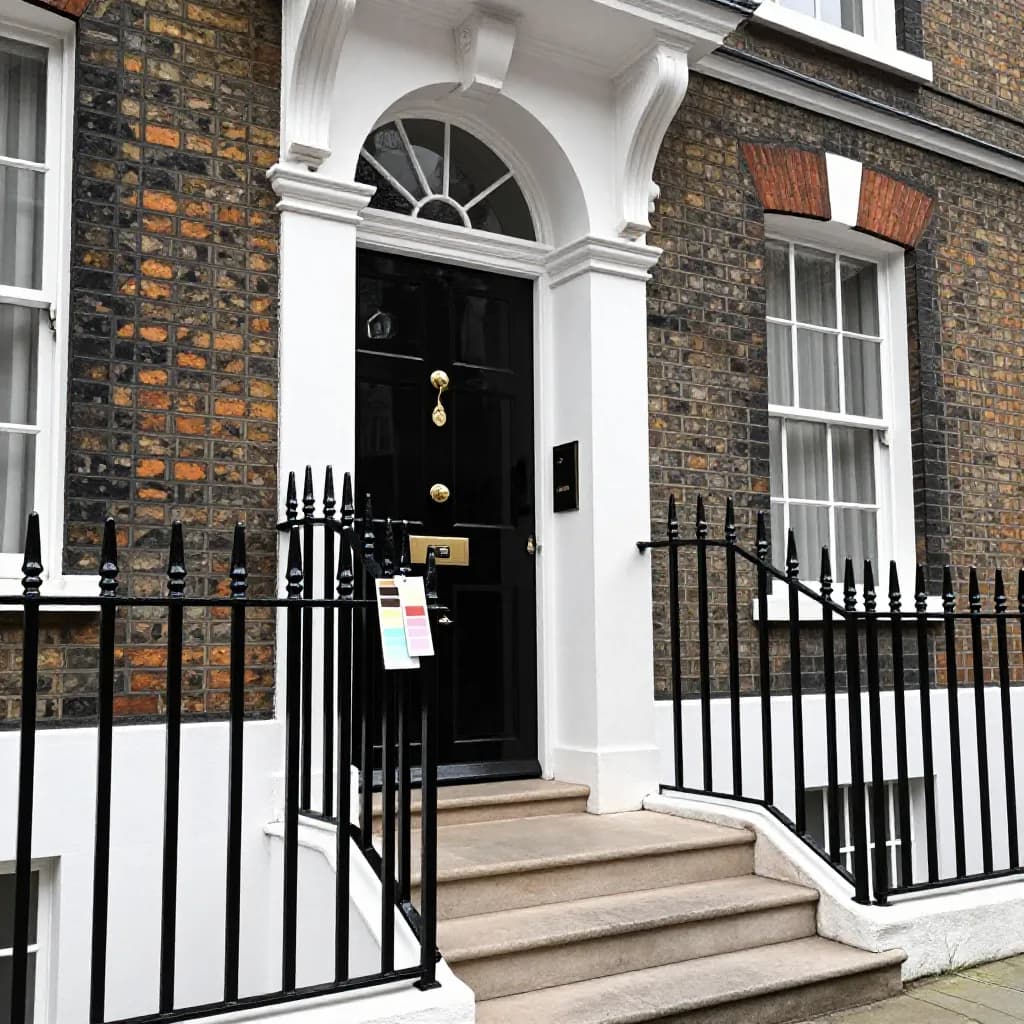
The physical constraints of heritage work add further complexity. Original metalwork may be ornate, with intricate profiles, decorative castings, and fine detailing that demand a coating capable of following complex geometries without obscuring detail. The coating must also be compatible with the substrate — which may be cast iron, wrought iron, steel, or aluminum depending on the building's period — and must not cause galvanic or chemical reactions that could damage historic fabric.
Ready to Start Your Project?
From one-off customs to 15,000-part production runs — get precise pricing in 24 hours.
On This Page
Challenges of Coating Heritage Buildings
Modern performance expectations must still be met. Heritage buildings are expected to remain in service for decades or centuries, so any coating applied during restoration must deliver long-term protection against weathering, corrosion, and UV degradation. Balancing this performance requirement with the aesthetic and conservation constraints of heritage work is the central challenge for specifiers.
How Powder Coating Serves Heritage Projects
Powder coating technology is well suited to the demands of heritage conservation. Modern powder formulations can be precisely color-matched to any reference sample, whether that is an original paint fragment, a conservation authority's color standard, or a specific RAL, BS, or NCS reference. This precision ensures that replacement or restored metalwork integrates seamlessly with the existing building fabric.
The full RAL Classic range includes many traditional and period-appropriate colors as standard stock items, meaning heritage projects do not necessarily require expensive custom formulations. Where exact matching to a non-standard reference is needed, powder manufacturers can produce bespoke batches that replicate the target color with high fidelity, including adjustments to gloss level and texture to match aged or weathered finishes.
Beyond color accuracy, powder coating delivers the long-term protection that heritage buildings require. The 60-120 micron film thickness provides a robust barrier against moisture, UV radiation, and atmospheric pollutants, ensuring that restored metalwork remains protected for 20-25 years. This extended service life means fewer maintenance interventions, which is critically important for heritage buildings where every intervention must be justified and approved.
Heritage Color Palettes and Period Accuracy
Heritage projects typically draw from established color palettes that reflect the architectural period of the building. Traditional greens such as RAL 6005 Moss Green and RAL 6007 Bottle Green are among the most frequently specified heritage colors, appearing on Victorian and Edwardian ironwork, conservatories, and garden structures. These deep, muted greens have been associated with architectural metalwork for over a century and remain popular choices for conservation work.
Heritage blacks, particularly RAL 9005 Jet Black, are standard for railings, gates, and structural ironwork across virtually all architectural periods. Period whites and off-whites such as RAL 9001 Cream and RAL 9010 Pure White are commonly specified for window frames, fascias, and decorative elements on Georgian and Regency buildings. Victorian-era projects may call for richer tones including deep reds, dark blues, and bronze effects that reflect the decorative tastes of the period.
Powder coating's ability to reproduce these colors consistently across large batches and multiple production runs is a significant advantage for heritage projects, where color consistency across all elements of a restoration is essential. Gloss levels can be adjusted from high gloss to deep matte, allowing specifiers to match the visual character of original finishes or achieve the subtle sheen appropriate to a particular period.
Balancing Authenticity with Modern Performance
The central tension in heritage coating specification is between authenticity and performance. Conservation philosophy generally favors materials and techniques that are sympathetic to the original construction, but it also recognizes that modern materials can offer superior protection that ultimately serves the building's long-term preservation. Powder coating navigates this tension effectively by delivering modern durability in historically accurate colors and finishes.
A powder-coated finish that accurately replicates the original color and gloss of a heritage building's metalwork is visually indistinguishable from a traditional paint finish, but it will last two to three times longer. This means the building's appearance is maintained for extended periods without the need for frequent repainting, reducing the cumulative impact of maintenance interventions on the historic fabric.
Conservation bodies increasingly recognize the benefits of modern coating technologies when they are applied sympathetically. The key is demonstrating that the coating choice respects the building's character, matches the original appearance, and provides long-term protection that reduces the need for future interventions. Powder coating meets all of these criteria, making it an increasingly accepted choice for heritage and conservation projects across the architectural spectrum.
Why Liquid Paint Is Problematic for Heritage Buildings
Traditional liquid paint has been the default coating for heritage metalwork for centuries, but its limitations are increasingly recognized by conservation professionals. The most significant problem is the short service life of liquid paint films. At 25-50 microns, liquid paint degrades relatively quickly under weathering, typically requiring recoating every 8-12 years. For a heritage building with a 50-year maintenance horizon, this means four to six repainting cycles, each of which involves scaffolding, surface preparation, and the risk of damage to historic fabric.
Each repainting intervention carries inherent risks. Abrasive surface preparation can remove original material or alter surface profiles. Solvent-based paints introduce VOCs into and around the building, and drips, runs, and overspray can affect adjacent historic surfaces. The cumulative effect of multiple repainting cycles over decades can gradually alter the character of the metalwork, building up paint layers that obscure fine detail and change the visual weight of decorative elements.
Powder coating's 20-25 year service life halves the number of interventions required over the same maintenance horizon, directly reducing the risk of damage to historic fabric. The factory-controlled application process also eliminates the site-based risks of liquid painting, delivering a consistent, high-quality finish without the environmental and practical complications of on-site paint application.
Frequently Asked Questions
Can powder coating match the original colors of a heritage building?
Yes. Powder coating can be precisely color-matched to any reference sample, including original paint fragments, conservation authority standards, and specific RAL, BS, or NCS references. Traditional heritage colors such as RAL 6005, RAL 9005, and RAL 9001 are available as standard, and custom formulations can replicate any target color with high fidelity.
Do conservation bodies accept powder coating on listed buildings?
Conservation bodies increasingly accept powder coating when it is applied sympathetically, matches the original appearance, and provides long-term protection that reduces future interventions. The key is demonstrating that the coating respects the building's character and delivers a finish that is visually consistent with the original.
How does powder coating reduce disruption to heritage buildings?
Powder coating lasts 20-25 years compared to 8-12 years for liquid paint, halving the number of recoating interventions over a building's maintenance life. Fewer interventions mean less scaffolding, less surface preparation, and less risk of damage to historic fabric, directly supporting conservation objectives.
What heritage colors are available in powder coating?
The full RAL Classic range is available, including traditional heritage colors such as RAL 6005 Moss Green, RAL 6007 Bottle Green, RAL 9005 Jet Black, RAL 9001 Cream, and RAL 9010 Pure White. Victorian-era colors, bronze effects, and custom period-accurate shades can also be produced to match any reference.
Ready to Start Your Project?
From one-off customs to 15,000-part production runs — get precise pricing in 24 hours.