The garage door is often the single largest visual element on a residential facade, occupying 30-40% of the street-facing elevation on many homes. What was once treated as a purely functional component has become a significant architectural feature that contributes directly to curb appeal, property value, and the overall design coherence of a home. Estate agents consistently identify garage door appearance as a factor in first impressions and perceived property quality.
Architecture
Powder Coating for Garage Doors and Entrance Systems
Sundial Powder Coating·April 20, 2026·10 min
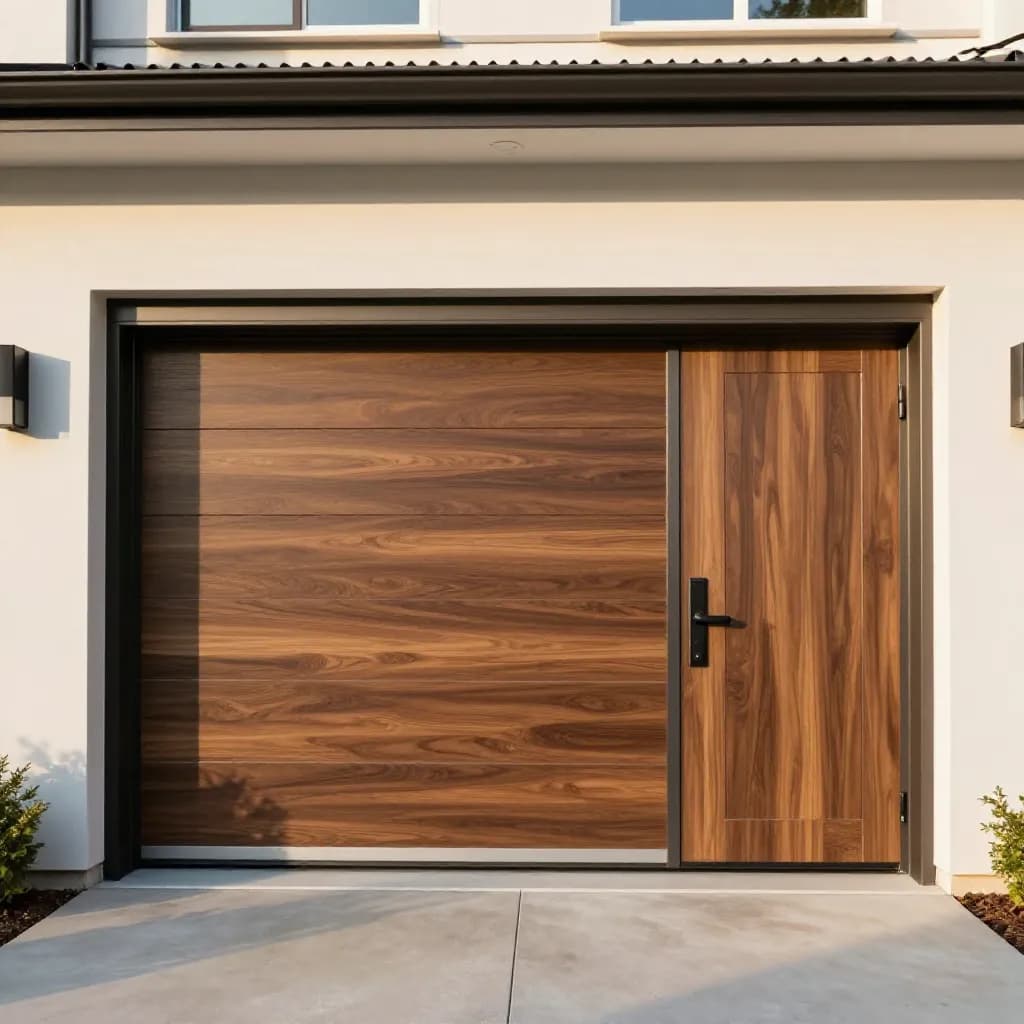
Modern garage door design has evolved far beyond the utilitarian panel-and-track systems of previous decades. Contemporary options include flush-panel designs, horizontal ribbed profiles, vertical board effects, and glazed sections that integrate the garage door into the broader architectural language of the home. Aluminum, steel, and composite substrates are all used, with the coating finish serving as the primary determinant of the door's visual quality and long-term appearance.
Ready to Start Your Project?
From one-off customs to 15,000-part production runs — get precise pricing in 24 hours.
On This Page
Garage Doors as an Architectural Feature
This elevated design status means that the coating on a garage door must deliver both aesthetic excellence and exceptional durability. The door faces full weather exposure, daily mechanical operation, and inevitable impacts from vehicles, sports equipment, and everyday domestic activity. A coating that degrades quickly or chips easily undermines the architectural investment and creates a maintenance burden that homeowners find frustrating and costly.
Why Powder Coating Is Ideal for Garage Doors
Powder coating is uniquely suited to the demands of garage doors because it addresses all three primary stress factors simultaneously: impact resistance, weather exposure, and daily mechanical operation. The 60-120 micron film build delivers a coating that is two to three times thicker than liquid paint at 25-50 microns, providing substantially greater resistance to the chips, scratches, and dents that garage doors inevitably sustain from vehicle doors, bicycles, tools, and general domestic activity.
Weather resistance is equally critical. Garage doors face full exposure to UV radiation, rain, frost, and temperature extremes throughout the year. Powder coating's superior UV resistance maintains colour and gloss for 20-25 years, compared to the 8-12 year degradation cycle typical of liquid paint. For homeowners, this means the garage door retains its as-new appearance for decades without the need for repainting — a significant quality-of-life and financial advantage.
The daily operation of a garage door — opening and closing one or more times per day, with panels flexing along hinge lines and tracks — imposes mechanical stress that tests coating adhesion and flexibility. Powder coating's excellent adhesion to properly pretreated metal substrates and its inherent flexibility ensure that the coating remains intact along fold lines and panel joints where liquid paint commonly cracks and peels after a few years of operation.
Popular Colors for Garage Doors
Colour trends for garage doors reflect broader architectural preferences while responding to the specific visual dynamics of residential facades. RAL 7016 Anthracite Grey has become the dominant choice for contemporary homes, offering a sophisticated, modern tone that complements both light and dark facade materials. RAL 9005 Jet Black provides a bolder statement, while RAL 8017 Chocolate Brown offers warmth that pairs well with brick and natural stone facades.
Wood-grain sublimation finishes have transformed the garage door market, enabling aluminum and steel doors to replicate the appearance of natural timber species including oak, walnut, cedar, and mahogany. These wood-effect powder coatings deliver the warm, natural aesthetic that many homeowners desire without the warping, splitting, fading, and regular maintenance that real timber garage doors demand. The sublimation process produces remarkably realistic grain patterns that are virtually indistinguishable from natural wood at normal viewing distances.
Beyond these popular choices, the full RAL colour range and custom colour matching allow homeowners and architects to coordinate the garage door precisely with the overall facade colour scheme. Matte, satin, and textured finishes add further design options, with fine texture finishes particularly popular for their ability to mask minor surface imperfections and reduce the visibility of fingerprints and everyday marks.
Liquid Paint Problems on Garage Doors
Liquid paint on garage doors fails in predictable and visible ways. Impact damage is the most common issue — the thin 25-50 micron film chips readily from contact with vehicle doors, shopping bags, bicycles, and the general activity of a busy household. Each chip exposes bare metal that begins to corrode, creating unsightly rust spots on steel doors or white oxidation marks on aluminum that spread beneath the surrounding paint film.
Fading is the second major problem. Garage doors face full sun exposure for much of the day, and liquid paint's thin film provides inadequate UV protection. Colour fading becomes noticeable within 3-5 years on south-facing doors, and by 8-10 years the original colour may be barely recognisable. This is particularly problematic when the garage door was originally colour-matched to other facade elements that have retained their appearance, creating a visible mismatch that degrades the home's overall aesthetic.
Peeling at panel edges and hinge lines is the third failure mode specific to garage doors. The daily flexing of panels during operation stresses the coating at fold lines, and liquid paint's relatively poor adhesion and flexibility cause it to crack and peel at these points. Once peeling begins, it progresses rapidly as moisture penetrates beneath the lifted film, creating an accelerating cycle of degradation that can only be resolved by complete stripping and repainting — a costly and time-consuming process.
Maintenance and Longevity
Powder-coated garage doors require minimal maintenance to maintain their appearance over a 20-25 year service life. Periodic washing with mild detergent and water — two to four times per year depending on the local environment — is sufficient to remove road dust, pollen, and atmospheric deposits. The hard, smooth powder coating surface resists dirt adhesion and does not require waxing, sealing, or any additional protective treatments.
For homeowners, this low maintenance requirement represents a significant practical advantage over liquid-painted doors that may need repainting every 8-12 years. A single repainting of a garage door typically costs several hundred pounds or dollars and requires the door to be out of service for one to two days while coats are applied and dried. Over a 30-year period, a liquid-painted door may require three or four repaintings, while a powder-coated door requires none.
The environmental benefits of powder coating's longevity extend beyond the individual homeowner. With zero VOC emissions during the original factory application and no repainting cycles generating solvent fumes in residential neighbourhoods, powder-coated garage doors contribute to better local air quality. The 95-98% material efficiency of the powder coating process also means less waste generated per door compared to liquid paint's 30-70% transfer efficiency.
Frequently Asked Questions
How long does powder coating last on a garage door?
Powder-coated garage doors maintain their colour and finish for 20-25 years, compared to 8-12 years for liquid paint. The thicker 60-120 micron film provides superior resistance to UV fading, impact chipping, and the mechanical stress of daily opening and closing operations.
What is the most popular colour for powder-coated garage doors?
RAL 7016 Anthracite Grey is currently the most popular choice for contemporary homes. RAL 9005 Jet Black and RAL 8017 Chocolate Brown are also widely specified. Wood-grain sublimation finishes that replicate natural timber are increasingly popular for their warm aesthetic without the maintenance burden of real wood.
Can powder-coated garage doors look like real wood?
Yes. Sublimation transfer technology produces remarkably realistic wood-grain finishes on aluminum and steel garage doors, replicating species including oak, walnut, cedar, and mahogany. These finishes are virtually indistinguishable from natural wood at normal viewing distances and last 20-25 years without the warping, splitting, and regular maintenance that real timber demands.
Why does liquid paint chip on garage doors?
Liquid paint's thin 25-50 micron film provides inadequate resistance to the impacts that garage doors routinely sustain from vehicle doors, bicycles, and everyday domestic activity. Powder coating's 60-120 micron film is two to three times thicker, providing substantially greater chip and scratch resistance.
Ready to Start Your Project?
From one-off customs to 15,000-part production runs — get precise pricing in 24 hours.