Veterinary equipment operates under conditions that are arguably more demanding than human medical equipment. Animal patients scratch, bite, and claw at surfaces with forces that would never occur in a human clinical setting. A 40 kg dog on an examination table generates scratch loads that test coating adhesion and hardness to their limits, while large animal equipment in equine and bovine practices faces impact forces from hooves and body weight that can exceed 500 kg.
Technical
Powder Coating for Veterinary Equipment: Robust Finishes for Animal Care Facilities
Sundial Powder Coating·April 22, 2026·12 min
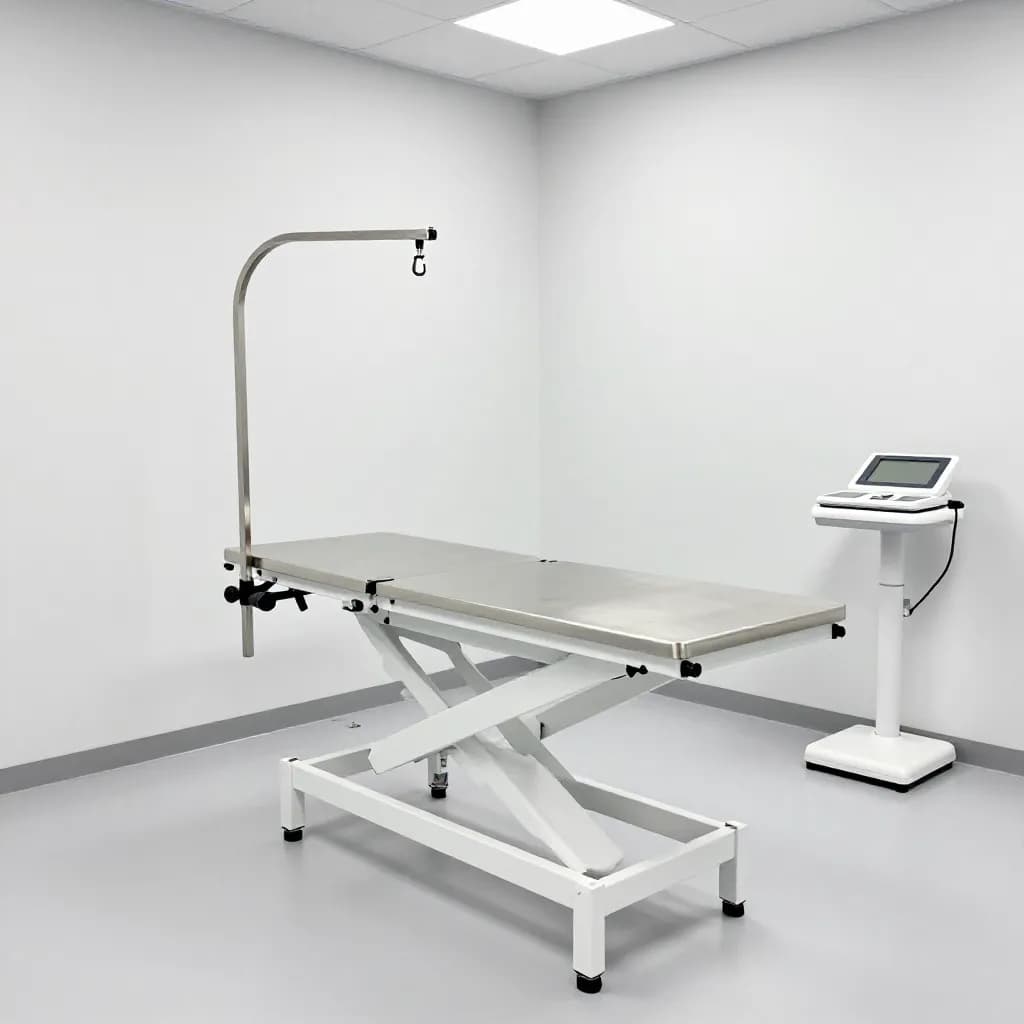
Beyond mechanical abuse, veterinary equipment must withstand the same aggressive disinfection protocols as human medical equipment — and often more so, given the zoonotic disease risks inherent in animal care. Parvovirus decontamination requires sodium hypochlorite at concentrations up to 1:32 dilution (approximately 1600 ppm available chlorine), applied with extended contact times. Ringworm decontamination protocols may involve accelerated hydrogen peroxide at 4.25% concentration. These chemicals rapidly degrade conventional paint finishes.
Ready to Start Your Project?
From one-off customs to 15,000-part production runs — get precise pricing in 24 hours.
On This Page
The Unique Demands of Veterinary Equipment Finishing
Powder coating addresses both challenges simultaneously. The thermoset film achieves pencil hardness ratings of 2H-4H, providing scratch resistance that withstands animal contact. The dense, cross-linked polymer matrix resists chemical penetration from disinfectants, bodily fluids, and cleaning agents. For veterinary equipment manufacturers, powder coating delivers the combination of toughness and chemical resistance that this uniquely demanding environment requires.
Common Veterinary Equipment Substrates and Pretreatment
Veterinary equipment encompasses a wide range of substrates, each requiring tailored pretreatment for optimal powder coating performance. Examination tables, surgical tables, and treatment stations are typically fabricated from 304 or 316 stainless steel for their corrosion resistance and cleanability. Cage and kennel systems use galvanized steel or mild steel with zinc plating. Equipment frames, stands, and mobile carts are commonly mild steel or aluminum.
Stainless steel pretreatment for powder coating requires careful attention to the passive oxide layer that provides corrosion resistance but inhibits coating adhesion. Mechanical preparation using 80-120 grit aluminum oxide blast media creates a surface profile of 25-50 micrometers (1-2 mils) that provides mechanical anchoring for the powder coating. Following blasting, a wash primer or adhesion-promoting pretreatment ensures chemical bonding between the coating and substrate.
Galvanized steel substrates present outgassing challenges during powder coating cure. Zinc coatings release trapped moisture and gases at curing temperatures, creating pinholes and bubbles in the powder coating film. A pre-bake cycle at 200-230°C for 10-15 minutes before powder application drives off volatile compounds and prevents outgassing defects. Alternatively, a zinc-compatible primer specifically formulated to tolerate outgassing can be applied as a first coat.
Mild steel components follow standard pretreatment protocols: alkaline cleaning, water rinsing, iron or zinc phosphate conversion coating, and a final seal rinse. For veterinary equipment that will be exposed to frequent wet cleaning, zinc phosphate conversion coating is strongly preferred over iron phosphate for its superior corrosion protection under high-humidity conditions.
Powder Chemistry for Maximum Scratch and Impact Resistance
Veterinary equipment demands powder coating chemistries that prioritize mechanical durability above all other properties. The coating must resist scratching from animal claws, impact from equipment collisions, and abrasion from daily cleaning without chipping, cracking, or delaminating.
Epoxy-polyester hybrid powders in a 60:40 or 70:30 epoxy-to-polyester ratio provide the best balance of hardness and flexibility for veterinary applications. The higher epoxy content delivers superior chemical resistance and adhesion, while the polyester component prevents the brittleness that can cause chipping under impact. These formulations achieve pencil hardness of 2H-3H while maintaining reverse impact resistance of 60-80 inch-pounds per ASTM D2794.
For cage and kennel systems where scratch resistance is the primary concern, high-hardness polyester powders formulated with specialized cross-linkers can achieve pencil hardness ratings of 3H-4H. These formulations incorporate nano-ceramic additives at 2-5% loading to enhance surface hardness without sacrificing flexibility. The resulting coating resists scratching from dog and cat claws far more effectively than standard formulations.
Textured finishes are widely specified for veterinary equipment because they hide minor scratches and surface damage that would be visible on smooth gloss finishes. A medium wrinkle or leather-grain texture provides the additional benefit of improved grip for animal patients on table surfaces. The texture also increases the effective surface area, which can enhance the performance of antimicrobial additives by providing more active surface for bacterial contact.
For large animal equipment — stocks, chutes, and squeeze systems — ultra-tough polyester powders with impact resistance exceeding 160 inch-pounds (direct and reverse) are specified. These formulations use flexible polyester resins with high molecular weight and low glass transition temperatures to absorb impact energy without cracking.
Antimicrobial and Easy-Clean Coating Technologies
Infection control in veterinary facilities requires a multi-layered approach, and antimicrobial powder coatings provide continuous surface protection between cleaning cycles. The veterinary environment presents specific microbial challenges including canine parvovirus, feline calicivirus, ringworm (dermatophytes), MRSA, and various enteric bacteria that can survive on surfaces for hours to days.
Silver-ion antimicrobial technology is the most common additive system for veterinary equipment powder coatings. Silver ions incorporated into a glass or ceramic carrier matrix provide broad-spectrum antibacterial activity against gram-positive and gram-negative bacteria. Testing per ISO 22196 demonstrates greater than 99.9% reduction in Staphylococcus aureus and Escherichia coli populations within 24 hours of contact. However, silver-ion coatings have limited efficacy against non-enveloped viruses like parvovirus, which still require chemical disinfection.
Easy-clean surface modifications complement antimicrobial technology by reducing the adhesion of organic soils, bodily fluids, and biofilms to the coated surface. Fluoropolymer-modified powder coatings incorporate PTFE or other fluorinated additives that lower surface energy to 25-30 mN/m, causing liquids and soils to bead and release more easily during cleaning. This reduces the mechanical effort and chemical concentration required for effective decontamination.
Photocatalytic titanium dioxide coatings represent an emerging technology for veterinary applications. When exposed to UV or visible light, TiO₂ generates reactive oxygen species that decompose organic contaminants and kill microorganisms on the surface. While not yet widely adopted in veterinary equipment, this technology shows promise for kennel and cage systems in facilities with adequate lighting.
Specific Equipment Applications and Coating Specifications
Different categories of veterinary equipment require tailored powder coating specifications based on their specific exposure conditions and performance requirements.
Examination and surgical tables require the highest level of chemical resistance and cleanability. A two-coat system consisting of 25-35 micron epoxy primer and 50-70 micron superdurable polyester topcoat provides optimal performance. The topcoat should achieve a minimum of 100 MEK double rubs, pencil hardness of 2H, and pass 1000-hour salt spray testing per ASTM B117 without blistering or corrosion creep exceeding 3 mm from the scribe line.
Cage and kennel systems prioritize scratch resistance and ease of cleaning. Single-coat hybrid epoxy-polyester at 70-90 microns with antimicrobial additive and fine texture finish is the standard specification. The coating must resist scratching from animal claws without exposing the substrate, which would create corrosion initiation sites in the wet kennel environment. Edge coverage is critical — cage wire intersections and welded joints must achieve minimum 40-micron film thickness to prevent premature corrosion at these vulnerable points.
Mobile equipment — IV stands, instrument carts, and portable examination lights — requires excellent impact resistance to withstand collisions with walls, doorframes, and other equipment. Flexible polyester powders with impact resistance exceeding 120 inch-pounds and a semi-gloss finish (30-50 GU at 60°) provide durability while hiding the inevitable minor dings and scratches of daily use.
Large animal equipment including stocks, chutes, and head gates requires the most robust coating specification. Film thickness of 80-120 microns, impact resistance exceeding 160 inch-pounds, and salt spray resistance exceeding 1500 hours are typical requirements. These components are often galvanized before powder coating, providing a dual-layer corrosion protection system for equipment that may be used outdoors or in wash-down environments.
Regulatory Framework for Veterinary Equipment Coatings
The regulatory landscape for veterinary equipment coatings is less prescriptive than human medical device regulations but still requires careful attention to material safety, environmental compliance, and industry-specific standards.
Unlike human medical devices regulated under FDA 21 CFR Part 820, veterinary equipment is not subject to the same premarket approval requirements. However, veterinary equipment manufacturers who also produce human medical devices often apply the same quality management systems (ISO 13485) across both product lines for consistency and efficiency. Many veterinary equipment buyers, particularly large corporate veterinary groups and university teaching hospitals, specify ISO 13485-compliant coating processes as a procurement requirement.
Environmental regulations apply equally to veterinary equipment coating operations. EPA regulations under 40 CFR Part 63 (National Emission Standards for Hazardous Air Pollutants) govern coating operations, though powder coating's zero-VOC profile simplifies compliance significantly compared to liquid paint alternatives. State and local air quality regulations may impose additional requirements on curing oven emissions, particularly for natural gas-fired ovens.
REACH and RoHS compliance is required for veterinary equipment exported to the European Union. All powder coating materials must be free of restricted substances, and the equipment manufacturer must maintain documentation demonstrating compliance throughout the supply chain. SVHC (Substances of Very High Concern) declarations must be updated as the REACH candidate list evolves.
NSF/ANSI 51, while primarily a food equipment standard, is sometimes referenced for veterinary equipment surfaces that contact animal food or water. Powder coatings certified to NSF/ANSI 51 have been evaluated for extractables and found safe for incidental food contact, providing an additional level of assurance for feeding and watering equipment in veterinary facilities.
Maintenance, Repair, and Lifecycle Management
Powder-coated veterinary equipment requires a structured maintenance approach to maximize coating life and maintain hygienic performance. Despite the coating's inherent durability, the extreme conditions in veterinary practice — daily chemical disinfection, animal contact, and frequent wet cleaning — necessitate regular inspection and timely repair of any coating damage.
Daily maintenance involves cleaning with approved disinfectants at recommended concentrations. While powder coatings resist a wide range of chemicals, prolonged exposure to undiluted bleach or highly acidic cleaners can cause surface degradation over time. Facility staff should be trained to use disinfectants at correct dilutions and avoid leaving chemical-soaked cloths in contact with coated surfaces for extended periods. Rinsing after disinfection removes chemical residues that could cause cumulative surface damage.
Monthly inspection of high-wear areas — table edges, cage door hinges, kennel floor-to-wall transitions, and equipment contact points — identifies coating damage before corrosion can initiate. Any chips, scratches, or worn areas that expose the substrate should be documented and scheduled for repair. Early intervention prevents corrosion from undermining the surrounding intact coating.
Field repair of powder-coated veterinary equipment typically involves touch-up with a two-component epoxy or polyurethane liquid paint matched to the original powder coating color. While liquid touch-up paint does not achieve the same film properties as the original powder coating, it provides adequate protection for small damaged areas. For larger areas of damage, component replacement or factory refinishing is recommended.
The expected service life of powder coating on veterinary equipment is 8-12 years under typical clinical conditions, with large animal equipment potentially requiring recoating sooner due to more severe mechanical abuse. Equipment manufacturers should provide recoating services or specifications that allow third-party applicators to refinish equipment to original standards.
Frequently Asked Questions
Can powder coating withstand animal scratching on veterinary tables?
Yes. Veterinary-grade powder coatings achieve pencil hardness ratings of 2H-4H and can incorporate nano-ceramic additives for enhanced scratch resistance. Textured finishes are commonly specified because they hide minor scratches while providing better grip for animal patients on examination surfaces.
What disinfectants are safe to use on powder-coated veterinary equipment?
Properly formulated powder coatings resist glutaraldehyde, sodium hypochlorite (bleach) at standard dilutions, hydrogen peroxide, quaternary ammonium compounds, and accelerated hydrogen peroxide. Disinfectants should be used at recommended concentrations and rinsed after the required contact time to prevent cumulative surface degradation.
Do antimicrobial powder coatings kill parvovirus?
Silver-ion antimicrobial powder coatings are effective against bacteria but have limited efficacy against non-enveloped viruses like canine parvovirus. Chemical disinfection with sodium hypochlorite or accelerated hydrogen peroxide remains necessary for parvovirus decontamination. The antimicrobial coating provides supplementary bacterial protection between cleaning cycles.
How long does powder coating last on veterinary cages and kennels?
Powder coating on veterinary cage and kennel systems typically lasts 8-12 years under normal clinical conditions, including daily disinfection and animal contact. Galvanized substrates with powder coating provide dual-layer protection that extends service life in wet, high-humidity kennel environments.
Is powder coating on veterinary equipment FDA regulated?
Veterinary equipment is not subject to the same FDA premarket approval requirements as human medical devices. However, many veterinary equipment manufacturers voluntarily apply ISO 13485 quality management systems to their coating processes, and large veterinary groups often require this certification as a procurement condition.
Ready to Start Your Project?
From one-off customs to 15,000-part production runs — get precise pricing in 24 hours.