Spa and wellness facilities create environments designed for relaxation and rejuvenation, but behind the serene atmosphere lies one of the most chemically aggressive environments in the hospitality industry. Chlorinated pools and hot tubs release chlorine gas that corrodes metal surfaces. Steam rooms and saunas generate extreme humidity and temperature. Treatment rooms use essential oils, massage lotions, and chemical peels that contact equipment surfaces. And the expectation of pristine cleanliness requires frequent sanitization with commercial-grade disinfectants.
Hospitality
Powder Coating for Spa and Wellness Equipment: Chlorine Resistance, Humidity, Treatment Beds, and Calming Colors
Sundial Powder Coating·April 22, 2026·11 min
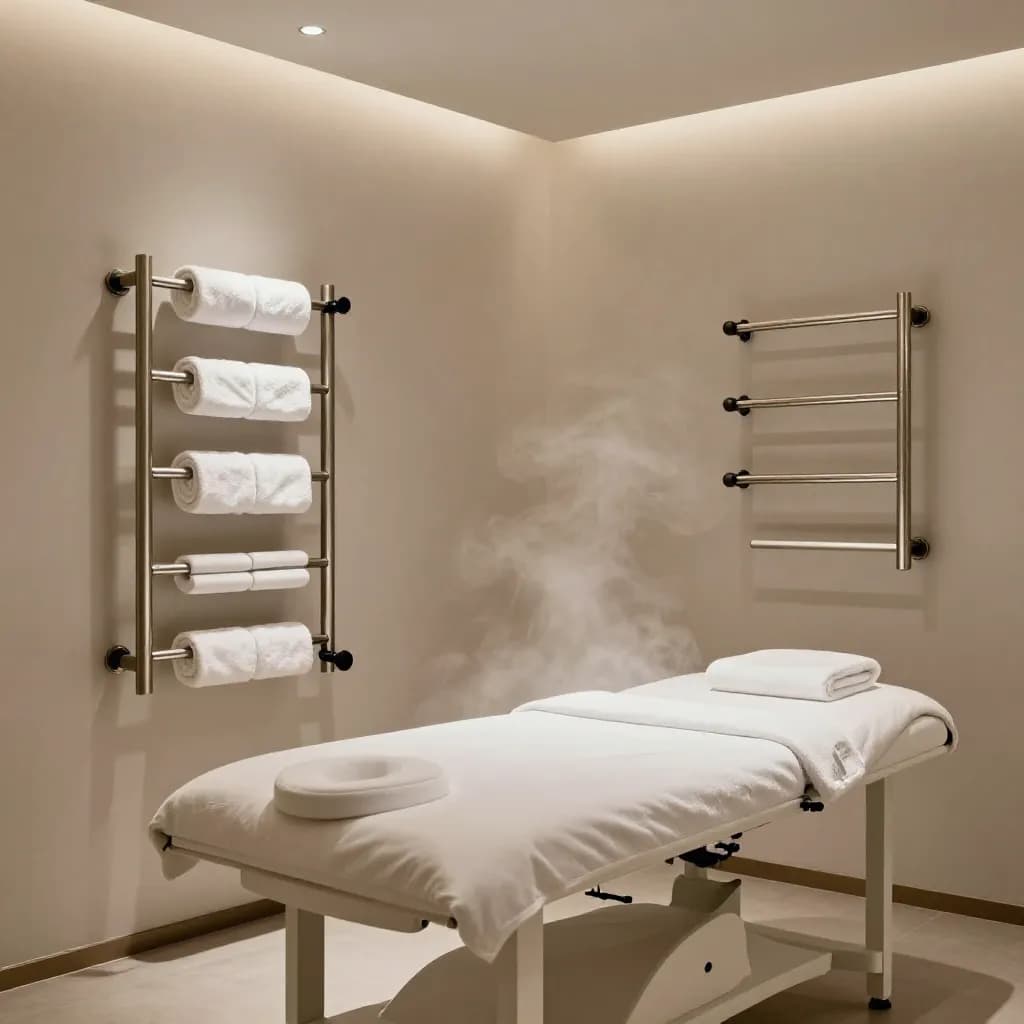
This combination of chemical exposure, moisture, heat, and cleaning demands creates finishing challenges that exceed those of most other hospitality environments. Traditional finishes — chrome plating, brushed nickel, and standard paint — deteriorate rapidly in spa environments, developing corrosion, discoloration, and surface degradation that undermines the atmosphere of quality and care that spa guests expect.
Ready to Start Your Project?
From one-off customs to 15,000-part production runs — get precise pricing in 24 hours.
On This Page
The Spa Environment: Unique Finishing Demands
Powder coating engineered for spa environments provides the chemical resistance, moisture barrier, and aesthetic quality needed to maintain equipment and fixtures in pristine condition through years of spa operations. The technology's ability to deliver calming colors, soothing textures, and luxury metallic effects while withstanding aggressive chemical exposure makes it uniquely suited to the dual demands of spa design — beauty and resilience.
The spa and wellness industry has grown significantly as health-conscious consumers invest in self-care experiences. This growth has driven investment in purpose-built spa facilities with premium equipment and finishes. Powder coating supports this investment by providing finishes that maintain their quality throughout the facility's service life, protecting the substantial capital invested in spa construction and equipment.
Chlorine and Chemical Resistance for Pool and Hydrotherapy Areas
Chlorinated water environments — including swimming pools, hot tubs, hydrotherapy pools, and cold plunge pools — generate chlorine gas and chloramine compounds that are among the most aggressive corrosive agents encountered in hospitality settings. These airborne chemicals attack metal surfaces throughout the pool area, not just those in direct water contact. Railings, furniture, lighting fixtures, and equipment housings within the pool enclosure all require coating systems that resist chlorine-induced corrosion.
Epoxy powder coatings provide the best resistance to chlorine and chloramine exposure among powder coating chemistries. The dense, cross-linked molecular structure of cured epoxy resists penetration by chlorine compounds and provides an effective barrier between the corrosive atmosphere and the metal substrate. For pool area fixtures that do not require UV resistance (indoor pool areas), epoxy powder coating is the preferred choice.
For outdoor pool areas or indoor areas with significant natural light, epoxy-polyester hybrid formulations provide a balance of chlorine resistance and UV stability. Pure epoxy coatings chalk and discolor under UV exposure, making them unsuitable for sun-exposed applications. The hybrid formulation sacrifices some chlorine resistance compared to pure epoxy but gains the UV stability needed for applications with light exposure.
Hot tub and hydrotherapy equipment operates at elevated water temperatures of 37-40°C, which accelerates both chemical corrosion and coating degradation. The combination of heat, moisture, and chlorine creates conditions that test coating adhesion and chemical resistance more aggressively than ambient-temperature pool environments. Coating systems for hot tub areas should be qualified through accelerated testing that simulates the combined heat-moisture-chemical exposure.
Salt water pools and float therapy tanks use sodium chloride concentrations that create a marine-like corrosion environment. Powder coating systems for salt water environments should meet marine-grade corrosion resistance standards, with zinc-rich epoxy primer providing cathodic protection at any coating breach. The salt concentration in float therapy tanks (typically 25-30% Epsom salt solution) is particularly aggressive and requires the most robust coating systems available.
Steam Room and Sauna Equipment Finishing
Steam rooms operate at temperatures of 40-50°C with 100% relative humidity — conditions that represent the extreme end of moisture exposure for any coating system. Every metal surface in a steam room is continuously bathed in condensed water, and the elevated temperature accelerates any corrosion or adhesion failure that moisture exposure initiates. Powder coating for steam room applications must provide absolute moisture barrier performance under these extreme conditions.
The coating system for steam room fixtures should be based on epoxy primer with maximum moisture barrier properties, applied at 30-50 microns to ensure complete, pinhole-free coverage. The topcoat — typically a polyester or polyester-epoxy hybrid — should be applied at 70-100 microns to provide additional barrier thickness. Total system thickness of 100-150 microns provides the moisture resistance needed for continuous steam exposure.
Sauna environments present a different thermal challenge — dry saunas operate at 70-100°C with low humidity, while infrared saunas operate at 45-65°C. The high temperatures in traditional saunas require heat-resistant powder coating formulations, while the lower temperatures of infrared saunas are within the range of standard high-quality polyester coatings. Metal fixtures in saunas include bench frames, heater guards, lighting fixtures, and door hardware.
Heater guards in traditional saunas must withstand temperatures of 100°C or higher at surfaces close to the heating element. Silicone-modified polyester powder coatings rated for 200°C or higher provide the heat resistance needed for heater guard applications. The coating must also resist the thermal shock of water being poured on sauna stones, which generates a burst of steam that contacts nearby surfaces.
Door hardware and hinges in steam rooms and saunas experience the full environmental exposure of the room while also enduring the mechanical stress of daily door operation. These components require coating systems that combine environmental resistance with mechanical durability. Stainless steel substrates with powder coating provide the best combination of substrate corrosion resistance and aesthetic finish for door hardware in extreme wet-heat environments.
Ventilation grilles and air handling components in steam rooms and saunas must be coated with formulations that resist the specific atmospheric conditions of each room type. Steam room ventilation components face continuous moisture exposure, while sauna ventilation components face high-temperature dry air. Specifying the appropriate coating chemistry for each application ensures long-term performance of these functional components.
Treatment Beds, Tables, and Relaxation Furniture
Spa treatment beds and massage tables are the primary equipment in treatment rooms, and their metal frames must support client weight while providing the aesthetic quality appropriate to a wellness environment. Powder coating on treatment bed frames provides a durable, easy-to-clean finish that resists the oils, lotions, and treatment products that inevitably contact the frame during spa services.
Massage oils and essential oils are the most common chemical exposures for treatment bed frames. These oils can soften or swell some coating systems over time, particularly if allowed to remain on the surface for extended periods. Polyester powder coatings with good solvent resistance provide adequate protection against occasional oil contact, while epoxy-polyester hybrids offer enhanced resistance for beds used in oil-intensive treatments like Ayurvedic or hot stone massage.
Hydraulic and electric adjustment mechanisms on treatment beds require coating that withstands the mechanical movement of adjustable components. The coating at pivot points, slide tracks, and adjustment lever interfaces must resist the friction and wear of daily adjustment cycles without flaking or wearing through. Specifying high-hardness formulations at mechanical interface points extends the service life of the coating on these high-wear components.
Relaxation loungers in post-treatment areas and relaxation rooms require finishes that contribute to the calming atmosphere while withstanding the moisture from guests who may be wrapped in damp towels or robes. The powder coating on relaxation furniture should be specified in calming colors with soft textures that invite relaxation, while the coating system provides the moisture resistance needed for this humid environment.
Pedicure chairs and stations combine water exposure from foot baths with chemical exposure from nail care products including acetone, nail polish, and cuticle treatments. These chemicals are among the most aggressive solvents encountered in spa environments, and the powder coating on pedicure equipment must resist them without softening or discoloration. Epoxy-based powder coatings provide the solvent resistance needed for pedicure station applications.
Facial treatment equipment including steamer stands, magnifying lamp arms, and product cart frames require finishes that resist the water-based and chemical treatment products used in facial services. These items are typically smaller components that can be coated individually, allowing the use of specialized coating formulations matched to the specific chemical exposures of facial treatment rooms.
Calming Color Palettes and Therapeutic Design
Color psychology plays a significant role in spa design, with color selections intended to promote relaxation, reduce stress, and create a sense of sanctuary. Powder coating enables spa designers to apply these therapeutic color principles to every metal surface in the facility, creating an immersive color environment that supports the wellness experience from arrival to departure.
Blue and blue-green tones are the most widely used colors in spa design, associated with water, sky, and tranquility. Powder coating in soft blue-gray, seafoam, teal, and aqua tones creates a water-inspired palette that feels naturally calming. These colors work particularly well in pool areas and hydrotherapy zones where they reinforce the aquatic theme. Matte and satin finishes in these tones absorb light softly, avoiding the harsh reflections that disrupt the peaceful atmosphere.
Earth tones — warm taupe, sand, sage green, and soft terracotta — create a grounded, natural aesthetic that connects the spa environment to the natural world. These colors are particularly effective in treatment rooms and relaxation areas where a sense of warmth and security supports the therapeutic experience. Textured powder coating finishes in earth tones add tactile warmth that reinforces the natural theme.
Neutral palettes built around warm white, cream, light gray, and greige (gray-beige) create a clean, contemporary spa aesthetic that feels both luxurious and serene. These neutral tones provide a versatile backdrop that allows accent colors in textiles, artwork, and natural materials to define each space's character. Powder coating in precise neutral tones requires careful color development to avoid undertones that shift the color toward pink, green, or blue under different lighting conditions.
Metallic finishes in warm tones — brushed gold, rose gold, and copper — add luxury accents that elevate the spa environment without overwhelming the calming palette. These metallic effects are most effective when used sparingly on accent fixtures, hardware, and decorative elements rather than as the dominant finish. The warmth of gold and copper tones complements the natural materials — wood, stone, and linen — that characterize premium spa design.
Color consistency across all metal surfaces in the spa is essential for the immersive environment that effective spa design creates. Powder coating's batch-to-batch consistency and precise color matching ensure that fixtures installed at different times and from different manufacturers maintain visual harmony throughout the facility.
Fitness and Movement Studio Equipment
Many spa and wellness facilities include fitness centers, yoga studios, and movement spaces that contain metal equipment requiring durable, attractive finishes. These spaces bridge the gap between the serene spa environment and the active fitness environment, requiring finishes that are both aesthetically appropriate for a wellness setting and functionally durable for exercise use.
Yoga and Pilates equipment including reformer frames, wall-mounted barre systems, and prop storage racks require powder coating that resists perspiration, cleaning chemicals, and the mechanical wear of daily studio use. The finish should be smooth and comfortable for skin contact, as practitioners may touch or lean against equipment frames during practice. Warm, muted colors that complement the studio's calming design are preferred over the bold, energetic colors typical of commercial gym equipment.
Stretch and recovery equipment including foam roller racks, resistance band stations, and inversion table frames benefit from powder coating in the spa's wellness color palette. These items are used in recovery and relaxation contexts where the visual environment should support the therapeutic purpose. Soft textures and calming colors on equipment frames contribute to the recovery atmosphere.
Meditation room fixtures including cushion storage racks, singing bowl stands, and room divider frames require finishes that are visually unobtrusive and acoustically neutral. Matte powder coating finishes absorb rather than reflect sound, contributing to the acoustic calm that meditation spaces require. Dark, recessive colors allow these functional fixtures to disappear visually, keeping the focus on the meditation practice rather than the room's infrastructure.
Outdoor wellness spaces including garden yoga platforms, outdoor shower structures, and nature walk railings require weather-resistant powder coating that maintains the spa's aesthetic standards in an exterior environment. Super-durable polyester formulations in the spa's color palette extend the branded wellness environment to outdoor spaces, creating a seamless transition between indoor and outdoor wellness experiences.
Equipment storage and organization systems in wellness facilities benefit from powder coating that coordinates with the facility's design while providing the durability needed for daily equipment handling. Color-coded storage systems using powder coating in different tones help staff organize equipment efficiently while maintaining the visual order that spa environments require.
Maintenance Protocols for Spa Environments
Maintaining powder-coated surfaces in spa environments requires cleaning protocols tailored to the specific chemical exposures in each zone. The aggressive chemicals present in spa environments — chlorine, essential oils, treatment products, and commercial disinfectants — demand careful attention to cleaning product selection and application methods to preserve coating integrity.
Pool and hydrotherapy area maintenance should include daily wiping of all powder-coated surfaces to remove chlorine deposits before they can attack the coating. Use pH-neutral cleaning solutions rather than acidic or alkaline cleaners that compound the chemical stress on the coating. Rinse thoroughly after cleaning to remove all chemical residue. Weekly inspection of coating condition in the pool area identifies any damage early, allowing repair before chlorine-induced corrosion can develop.
Steam room and sauna maintenance requires attention to the unique conditions in each space. Steam room fixtures should be wiped dry after each use period to minimize the duration of moisture contact. Sauna fixtures should be inspected for heat-related coating changes including discoloration or texture changes that may indicate the coating is approaching its thermal limit.
Treatment room maintenance should address oil and product residue on equipment frames promptly. Essential oils and massage products that remain on powder-coated surfaces can soften the coating over time if not removed. Daily cleaning of treatment bed frames and equipment with a mild degreasing solution removes product residue before it can affect the coating.
Chemical spill response procedures should be established for each zone, identifying the appropriate cleaning response for spills of the chemicals used in that area. Nail care chemicals including acetone require immediate removal from powder-coated surfaces. Treatment chemicals including chemical peels and exfoliants should be wiped up promptly. Chlorine concentrate spills in pool areas require immediate dilution and cleaning.
Annual professional assessment of coating condition across the facility identifies areas where the coating system is approaching the end of its effective service life. This assessment should include adhesion testing at representative locations, visual inspection for chalking or discoloration, and thickness measurement to verify that cleaning has not worn the coating below minimum effective thickness. Planning recoating based on professional assessment rather than visible failure ensures that the spa's appearance standards are maintained continuously.
Frequently Asked Questions
How does powder coating resist chlorine in pool and spa areas?
Epoxy powder coatings provide the best chlorine resistance with their dense, cross-linked molecular structure that blocks chlorine compound penetration. For areas with UV exposure, epoxy-polyester hybrids balance chlorine resistance with UV stability. Zinc-rich epoxy primers add cathodic protection for salt water and float therapy environments.
Can powder coating withstand steam room conditions?
Yes, with proper specification. Steam room fixtures require epoxy primer at 30-50 microns under a polyester topcoat at 70-100 microns, totaling 100-150 microns of barrier protection. This system withstands continuous exposure to 40-50°C temperatures at 100% relative humidity when properly applied to blast-cleaned, pretreated substrates.
What colors are best for spa equipment powder coating?
Calming blues, blue-greens, and aqua tones promote relaxation in water areas. Earth tones like taupe, sage, and sand create warmth in treatment rooms. Neutral whites, creams, and greiges provide contemporary luxury. Warm metallic accents in gold or copper add luxury touches. Matte and satin finishes absorb light softly for a peaceful atmosphere.
Will massage oils damage powder-coated treatment bed frames?
Polyester powder coatings resist occasional oil contact, while epoxy-polyester hybrids offer enhanced resistance for oil-intensive treatments. The key is prompt cleaning — oils left on surfaces for extended periods can soften some coatings over time. Daily cleaning of treatment bed frames with mild degreaser prevents oil-related coating degradation.
How often should powder-coated spa fixtures be inspected?
Pool area fixtures should be inspected weekly due to aggressive chlorine exposure. Treatment room equipment should be checked monthly. General spa fixtures need quarterly inspection. Annual professional assessment with adhesion testing and thickness measurement across the facility identifies coating approaching end of service life before visible failure occurs.
Ready to Start Your Project?
From one-off customs to 15,000-part production runs — get precise pricing in 24 hours.