The craft brewery industry has transformed from a niche hobby into a major hospitality sector, with thousands of breweries operating taprooms that serve as both production facilities and customer-facing destinations. This dual identity creates unique finishing requirements — equipment must perform in a demanding industrial environment while simultaneously contributing to a brand experience that attracts and retains customers. Powder coating bridges this gap, providing industrial-grade protection with the aesthetic flexibility that brand-driven taproom design demands.
Hospitality
Powder Coating for Brewery Equipment: Fermentation Tanks, Tap Handles, Furniture, and Brand Identity
Sundial Powder Coating·April 22, 2026·11 min
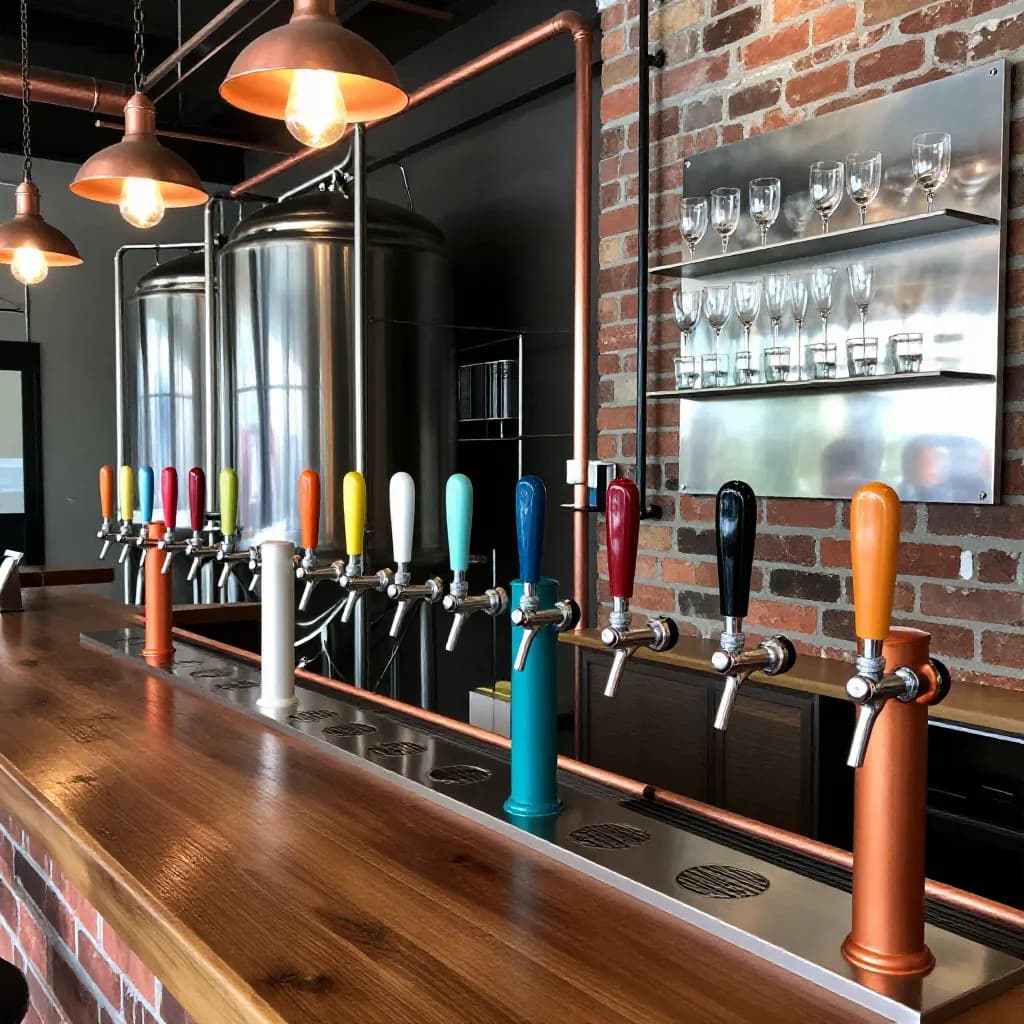
Brewery environments present a challenging combination of moisture, chemical exposure, temperature variation, and mechanical wear. Brewing processes generate steam, condensation, and spillage of acidic and alkaline liquids. Cleaning protocols use caustic chemicals that attack unprotected metal surfaces. The constant movement of kegs, equipment, and materials creates impact and abrasion hazards. Powder coating's thick, chemically resistant film withstands these combined stresses far better than liquid paint alternatives.
Ready to Start Your Project?
From one-off customs to 15,000-part production runs — get precise pricing in 24 hours.
On This Page
The Craft Brewery Finishing Opportunity
Beyond functional protection, powder coating has become a key tool for brewery brand expression. The taproom experience is central to craft brewery marketing, and every visible surface contributes to brand perception. Powder-coated tap handles, bar fixtures, furniture, signage, and even the visible portions of brewing equipment can be finished in brand colors with custom textures and effects that reinforce the brewery's visual identity.
This article examines powder coating applications across the full spectrum of brewery operations, from the production floor to the taproom, identifying the specific coating technologies and specifications that deliver optimal performance in each application zone.
Fermentation Tank and Vessel Exteriors
Fermentation tanks, bright tanks, and other brewing vessels are typically constructed from stainless steel for their interior food-contact surfaces, but the exterior surfaces of these vessels present an excellent opportunity for powder coating. Tank exteriors are exposed to brewery humidity, cleaning chemical overspray, condensation from temperature differentials, and occasional impact from forklifts and material handling equipment. Powder coating protects these surfaces while enabling brand-colored tanks that become visual features of the brewery.
The exterior surfaces of stainless steel tanks can be powder coated after appropriate surface preparation. Stainless steel requires mechanical abrasion or specialized chemical pretreatment to create the surface profile needed for powder coating adhesion. Grit blasting with aluminum oxide media to a surface profile of 1.5-3.0 mils provides excellent mechanical adhesion, while specialized stainless steel pretreatment chemicals offer a less aggressive alternative for thinner-gauge vessels where blasting might cause distortion.
Temperature considerations vary by vessel type. Fermentation tanks typically operate at 15-25°C, well within the range of standard polyester powder coatings. However, hot liquor tanks and brew kettles may reach 100°C or higher, requiring heat-resistant formulations. The exterior of a brew kettle should be coated with a silicone-modified polyester rated for at least 200°C continuous exposure to prevent yellowing and adhesion loss from sustained heat.
Condensation management is critical for powder-coated tank exteriors. Cold fermentation tanks in warm, humid brewery environments develop heavy condensation that runs down the tank surface and pools at the base. The coating system must resist this constant moisture exposure without blistering or underfilm corrosion. Epoxy primer followed by polyester topcoat provides the moisture barrier needed for cold tank applications, while proper tank support design ensures that water drains away from the coating rather than pooling at contact points.
Tap Handles and Draft System Hardware
Tap handles are among the most visible and frequently handled items in a brewery taproom, making them ideal candidates for powder coating that combines brand expression with tactile durability. Custom powder-coated tap handles in brand colors with unique shapes and textures create distinctive visual markers that help customers identify their preferred beers and reinforce brand recognition.
The substrate for powder-coated tap handles is typically aluminum, steel, or zinc die-cast, each offering different design possibilities. Aluminum allows lightweight, complex shapes through CNC machining or casting and accepts powder coating readily after chromate or chromate-free pretreatment. Steel provides a heavier, more substantial feel that some breweries prefer for their premium tap lines. Zinc die-cast handles offer the most intricate detail reproduction at production volumes that justify tooling investment.
Durability requirements for tap handles are driven by constant handling by bartenders and the occasional customer. The coating must resist the oils and moisture from hands, the abrasion of repeated gripping and pulling, and the impact of handles contacting each other or the bar surface. High-hardness polyester powder coatings with a minimum pencil hardness of 3H provide the scratch and abrasion resistance needed for this high-contact application.
Beyond solid colors, tap handles benefit from specialty powder coating effects that create visual distinction. Metallic finishes simulate brushed or polished metal, textured coatings add tactile interest, and multi-coat systems can create color-shift effects that change appearance with viewing angle. Clear coat over a metallic base provides additional depth and protection. These specialty finishes transform tap handles from functional hardware into brand ambassadors that customers photograph and share on social media, extending the brewery's marketing reach.
Taproom Furniture and Fixtures
Taproom furniture endures a punishing combination of heavy use, beverage spills, cleaning chemicals, and the occasional rough treatment that comes with any establishment serving alcohol. Powder-coated metal furniture — including bar stools, table bases, chair frames, and booth structures — provides the durability needed for this environment while enabling the design flexibility that distinguishes one taproom from another.
Bar stools and chairs in taproom environments must withstand constant use by patrons of varying sizes, frequent dragging across floors, and regular cleaning with commercial sanitizers. Powder coating on steel tube frames provides a finish that resists scratching from floor contact, chipping from impacts with tables and bars, and chemical attack from cleaning products. The coating also prevents the rust staining that occurs when bare or poorly finished steel furniture contacts wet floors.
Table bases and frames benefit from powder coating's resistance to beverage spills. Beer, wine, cocktails, and soft drinks all contain acids, sugars, and colorants that can stain or damage liquid paint finishes. Powder coating's dense, non-porous surface prevents these liquids from penetrating the film, allowing spills to be wiped away without staining. This is particularly important for light-colored finishes where staining would be visually obvious.
Custom color matching allows taproom furniture to coordinate with the brewery's brand palette and interior design scheme. A cohesive color story across furniture, fixtures, signage, and equipment creates the immersive brand environment that drives customer loyalty and social media engagement. Powder coating makes this coordination practical because the same color can be applied consistently across different metal substrates and component types, ensuring visual unity throughout the taproom.
Outdoor taproom furniture — beer garden tables, patio chairs, and fence panels — requires super-durable polyester powder coatings with enhanced UV and moisture resistance. These outdoor-rated formulations maintain color and gloss through years of sun, rain, and temperature cycling, keeping the beer garden looking fresh without the frequent repainting that liquid-finished outdoor furniture demands.
Bar Top Hardware and Service Equipment
The bar itself is the centerpiece of any taproom, and the hardware that equips it — foot rails, bar rails, glass rinser surrounds, drip tray frames, and speed rail brackets — all benefit from powder coating that coordinates with the overall bar design. These components experience constant contact with hands, glassware, beverages, and cleaning chemicals, demanding a finish that combines aesthetic appeal with exceptional durability.
Foot rails are among the most abused fixtures in any bar environment. Patrons rest shoes and boots on the rail throughout their visit, creating abrasion from sole materials, impact from heel strikes, and exposure to whatever substances are on the patron's footwear. Powder coating on steel or brass foot rails provides a renewable finish that can be refinished when wear becomes visible, unlike plated finishes that require complete stripping and replating.
Drip tray frames and glass rinser surrounds exist in a perpetually wet environment where standing water, beer residue, and cleaning chemicals create aggressive corrosion conditions. Powder coating with an epoxy primer system provides the moisture barrier needed to protect steel substrates in these constantly wet locations. The smooth powder coating surface also simplifies cleaning of these components, which must be sanitized multiple times during each service shift.
Speed rails, bottle display shelving, and back bar fixtures are visible to customers and contribute to the taproom's visual presentation. Powder coating these components in brand colors or complementary metallic finishes creates a cohesive bar design that reinforces the brewery's aesthetic identity. Matte black, industrial bronze, and custom metallic finishes are popular choices that complement the industrial-chic aesthetic common in craft brewery taprooms.
Glassware storage racks and overhead glass hangers benefit from powder coating that provides both protection and a non-marring surface for delicate glassware. Soft-touch or rubberized powder coating formulations cushion glass contact points, reducing breakage and eliminating the glass-on-metal noise that can be distracting in a taproom environment.
Signage, Lighting, and Decorative Metalwork
Brewery signage and decorative metalwork are pure brand expression, and powder coating provides the finish quality and durability that these high-visibility elements demand. From exterior building signs to interior menu boards, flight board holders, and decorative wall art, powder coating transforms fabricated metal into branded visual assets that define the taproom experience.
Exterior signage must withstand years of weather exposure while maintaining the color accuracy and visual impact that effective signage requires. Super-durable polyester powder coatings provide the UV resistance needed for exterior sign faces, while textured or wrinkle finishes can add dimensional interest that enhances visibility and brand distinction. Illuminated sign housings benefit from powder coating's electrical insulation properties, which add a safety margin around lighting components.
Interior lighting fixtures in taprooms often feature exposed metal construction as part of the industrial design aesthetic. Powder coating these fixtures in matte black, aged bronze, or custom colors provides a consistent finish that resists the heat generated by lighting elements. LED fixtures generate less heat than traditional bulbs, but pendant lights, track lighting housings, and decorative sconces still benefit from heat-resistant powder coating that prevents discoloration over time.
Decorative metalwork including wall-mounted brewery logos, custom railing panels, room dividers, and art installations showcase powder coating's ability to achieve fine detail reproduction and consistent color across complex geometries. Laser-cut steel logos powder coated in brand colors create striking wall features, while perforated metal panels with custom patterns serve as functional room dividers that also reinforce brand identity.
Flight boards and tasting paddle holders are small but important brand touchpoints that customers handle directly. Powder coating these items in brand colors with the brewery logo creates a cohesive tasting experience and provides durable, easy-to-clean surfaces that maintain their appearance through hundreds of uses. These small items are also popular merchandise candidates, and powder-coated versions command premium positioning compared to plain wood or unfinished metal alternatives.
Production Floor Equipment and Safety
Beyond the customer-facing taproom, the brewery production floor contains numerous metal components that benefit from powder coating for both protection and safety purposes. Equipment frames, platforms, stairways, handrails, and safety guards all require durable finishes that withstand the wet, chemical-laden brewery production environment while maintaining the visibility needed for workplace safety.
Safety-colored powder coatings following OSHA and ANSI standards help identify hazards and safety equipment on the production floor. Yellow powder coating marks physical hazards and caution zones, red identifies fire protection equipment and emergency stops, green marks safety equipment and first aid stations, and orange highlights dangerous parts of machinery. These safety colors are available in powder coating formulations that maintain their color accuracy and visibility through years of brewery environment exposure.
Brewery platforms, catwalks, and stairways require powder coatings that provide both corrosion protection and slip resistance. Textured powder coatings with embedded aggregate particles create non-slip walking surfaces that maintain their traction when wet — a critical safety feature in a brewery where wet floors are a constant condition. These textured coatings also resist the abrasion from foot traffic and the chemical exposure from cleaning operations.
Keg handling equipment including keg washers, racking arms, and keg storage racks endures constant impact from heavy stainless steel kegs. Powder coating on these components must prioritize impact resistance and chip resistance over aesthetic considerations. Thick-film epoxy powder coatings applied at 150-200 microns provide the impact absorption needed to withstand repeated keg contact without chipping through to the substrate.
Grain handling equipment, mill housings, and auger covers operate in dusty environments where grain dust accumulation is both a housekeeping issue and a potential explosion hazard. Smooth powder coating surfaces resist dust adhesion and clean easily, helping maintain the housekeeping standards needed to manage combustible dust risks in grain handling areas.
Brand Color Strategy and Coating Specification
Developing a comprehensive powder coating color strategy for a brewery ensures visual consistency across all touchpoints, from the production floor to the taproom to merchandise. The strategy should define primary brand colors, secondary accent colors, and functional colors, with specific powder coating formulations identified for each application zone based on the environmental demands of that zone.
Primary brand colors should be specified using a universal color reference system such as Pantone or RAL, with powder coating formulations matched to these references by the powder manufacturer. Color matching should be verified with physical samples applied to the actual substrate and viewed under the lighting conditions present in the taproom, as powder coating colors can appear different under various light sources due to metamerism.
Different application zones may require different powder coating chemistries to meet their specific performance requirements, but the color must remain consistent across chemistries. A brewery's signature blue, for example, might be formulated as a super-durable polyester for outdoor furniture, a standard polyester for indoor furniture, a high-temperature silicone-polyester for equipment near heat sources, and an epoxy-polyester hybrid for production floor equipment. Each formulation must match the same color reference despite using different resin systems.
Specification documents should detail the complete coating system for each application zone, including substrate preparation requirements, pretreatment chemistry, primer requirements if applicable, topcoat formulation and color reference, film thickness range, cure schedule, and quality verification methods. This level of specification detail ensures that the coating system performs as intended in each zone and that replacement components can be coated to match existing installations years after the original application.
Working with a single powder coating applicator for all brewery components simplifies color management and ensures consistency. The applicator maintains color standards, application records, and cure verification data that support both quality control and future recoating or expansion projects.
Frequently Asked Questions
Can you powder coat the exterior of stainless steel fermentation tanks?
Yes, stainless steel tank exteriors can be powder coated after proper surface preparation. Grit blasting with aluminum oxide or specialized stainless steel pretreatment chemicals create the surface profile needed for adhesion. This allows tanks to be finished in brand colors while protecting against brewery humidity and chemical exposure.
How durable is powder coating on tap handles?
Powder-coated tap handles with high-hardness polyester formulations (3H pencil hardness minimum) withstand the constant handling, gripping, and impact that tap handles experience in busy taprooms. The coating resists hand oils, moisture, and abrasion from repeated use, maintaining brand colors and finish quality through years of service.
What powder coating finish works best for taproom furniture?
Standard polyester powder coating in custom brand colors works well for indoor taproom furniture, providing resistance to beverage spills, cleaning chemicals, and daily wear. For outdoor beer garden furniture, specify super-durable polyester formulations with enhanced UV and moisture resistance to maintain appearance through weather exposure.
Can powder coating match exact brewery brand colors?
Yes, powder coating manufacturers can match any Pantone, RAL, or custom color reference. Color matching should be verified with physical samples viewed under taproom lighting conditions, as colors can appear different under various light sources. The same color can be formulated across different powder chemistries for different application zones.
Is powder coating safe for brewery production floor equipment?
Powder coating is excellent for production floor equipment, providing corrosion protection in wet brewery environments and enabling OSHA-compliant safety colors for hazard identification. Textured formulations create non-slip surfaces on platforms and stairways, while thick-film epoxy coatings withstand keg impact on handling equipment.
Ready to Start Your Project?
From one-off customs to 15,000-part production runs — get precise pricing in 24 hours.