Hair salons and barbershops subject their equipment to a chemical environment that rivals industrial settings. Hair dyes containing ammonia and peroxide, bleaching agents, permanent wave solutions, chemical straighteners, acetone-based nail products, and alcohol-based styling products all contact equipment surfaces daily. These chemicals attack conventional finishes aggressively — chrome plating pits and peels, liquid paint softens and discolors, and bare metal corrodes rapidly in the chemical-laden salon atmosphere.
Commercial
Powder Coating for Salon and Barber Equipment: Chairs, Stations, Tool Carts, and Chemical Resistance
Sundial Powder Coating·April 22, 2026·11 min
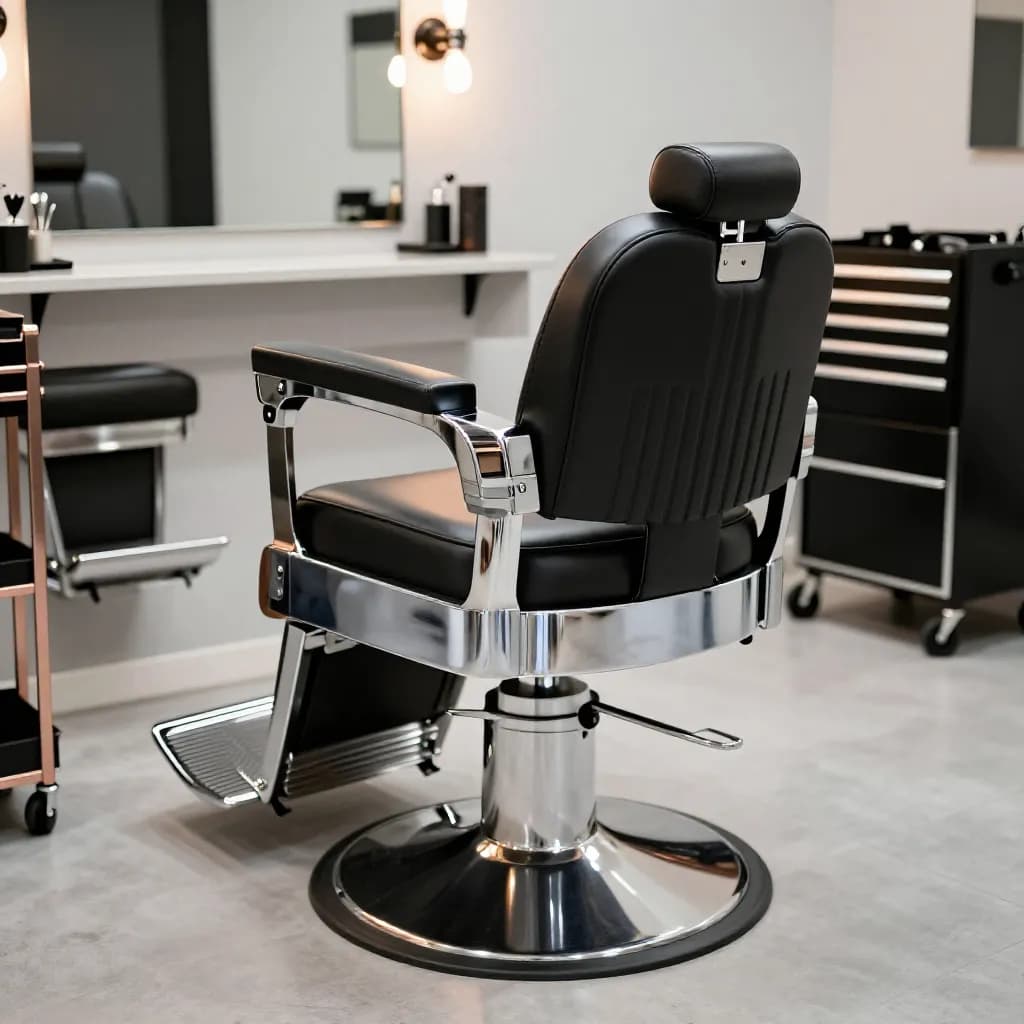
Powder coating has become the preferred finish for salon and barber equipment because its dense, cross-linked thermoset film resists the broad spectrum of chemicals encountered in professional hair and beauty services. The coating provides a continuous barrier that prevents chemical penetration to the metal substrate while maintaining the aesthetic quality that salon design demands. Unlike chrome plating, which fails catastrophically when breached, powder coating degrades gradually and can be repaired or recoated to extend equipment life.
Ready to Start Your Project?
From one-off customs to 15,000-part production runs — get precise pricing in 24 hours.
On This Page
Salon and Barber Equipment: Style Meets Chemical Warfare
The salon industry is intensely design-conscious, with salon owners investing heavily in interior aesthetics that attract clients and express the salon's brand identity. Equipment finishes are a major component of salon design, and the ability to specify custom colors, metallic effects, and textured finishes makes powder coating an essential tool for salon designers. From industrial-chic barbershops to luxury day spas, powder coating provides the finish vocabulary needed to realize any design vision.
The economic case for powder coating on salon equipment is compelling. Professional salon chairs, styling stations, and shampoo units represent significant capital investment, and the finish quality directly affects both the equipment's service life and the salon's professional image. Powder coating's durability reduces the frequency of equipment replacement and refinishing, while its consistent appearance maintains the salon's visual standards throughout the equipment's service life.
Styling Chairs and Barber Chairs
The styling chair is the centerpiece of every salon station and the piece of equipment that clients interact with most directly. Chair bases, footrests, armrests, and structural frames must withstand constant use while maintaining the polished appearance that clients associate with professional quality. Powder coating on chair components provides the durability and aesthetic flexibility that this high-visibility, high-use application demands.
Chair bases — typically heavy cast iron or steel for stability — experience the most aggressive chemical exposure of any chair component. Hair dye drips, bleach splashes, and cleaning chemical runoff all accumulate at the base, creating a concentrated chemical exposure zone. Epoxy-polyester hybrid powder coatings provide the chemical resistance needed for chair bases, withstanding the full range of salon chemicals without softening, staining, or adhesion loss.
Hydraulic pump housings on adjustable chairs require powder coating that accommodates the mechanical movement of the height adjustment mechanism. The coating at the pump-to-base interface must withstand the friction of the pump's telescoping action without flaking or wearing through. Specifying a smooth, low-friction powder coating formulation at this interface reduces wear and extends the service life of both the coating and the hydraulic mechanism.
Footrests on barber chairs experience concentrated wear from shoe contact and the chemical exposure from hair clippings and product drips that accumulate on the footrest surface. Chrome-plated footrests — the traditional choice — develop pitting and peeling in the chemical salon environment. Powder-coated footrests in chrome-effect metallic finishes provide a similar aesthetic with far superior chemical resistance and durability.
Armrests are high-touch surfaces where clients rest their arms during services that may last 1-3 hours. The powder coating on armrests must provide a comfortable tactile experience — smooth, warm, and free from sharp edges — while resisting the hand creams, lotions, and perspiration that transfer from clients' skin. Satin finishes provide the best combination of comfort and cleanability for armrest applications.
Color and finish selection for styling chairs should consider both the salon's design scheme and practical maintenance. Dark colors hide hair clipping accumulation between cleanings, while light colors show every strand. Metallic finishes add luxury appeal but may show fingerprints more readily than matte or satin finishes. The most practical approach is often a dark or mid-tone base with metallic or chrome-effect accents on visible hardware.
Styling Stations and Mirror Frames
Styling stations — the workstations where stylists perform their services — combine storage, display, and work surface functions in a single unit. The metal components of styling stations including frames, shelf brackets, drawer slides, and mirror surrounds require powder coating that resists the chemical exposure of daily salon operations while contributing to the station's design appeal.
Mirror frames are the most visible component of the styling station and set the aesthetic tone for the entire workstation. Powder coating on mirror frames provides unlimited design options — from sleek matte black for contemporary salons to ornate metallic gold for luxury establishments. The frame finish must resist the hair product overspray, cleaning chemicals, and fingerprints that accumulate on mirror surrounds throughout the service day.
Tool holders, appliance hooks, and accessory mounts on styling stations experience constant use as stylists reach for and replace tools throughout each service. The powder coating on these components must resist the abrasion of metal tools being placed and removed, the heat from styling tools that may be placed on holders while still hot, and the chemical exposure from product-coated tools. High-hardness powder coating with heat resistance to at least 150°C accommodates the occasional contact with hot styling tools.
Drawer fronts and cabinet doors on styling stations are high-touch surfaces that accumulate fingerprints, product residue, and cleaning chemical exposure. Fingerprint-resistant powder coating formulations reduce the visible accumulation of marks between cleaning cycles, maintaining a clean appearance throughout the service day. Matte and textured finishes also help mask fingerprints compared to high-gloss finishes.
Electrical outlet housings and cord management systems integrated into styling stations require powder coating that provides electrical insulation around power connections. The coating must maintain its insulating properties even when contaminated with conductive salon chemicals. Proper coating thickness and integrity at electrical interface points is a safety consideration that should be verified during quality inspection.
Backbar shelving and product display areas behind the styling station showcase the salon's retail products and professional product lines. Powder-coated shelving in coordinated colors creates an attractive retail display that encourages product sales while resisting the chemical exposure from product bottles and the cleaning chemicals used to maintain the display.
Shampoo Units and Wet Area Equipment
Shampoo bowls, backwash units, and wet area equipment operate in a perpetually moist environment where water, shampoo, conditioner, and treatment products create conditions similar to a bathroom environment but with the added chemical challenge of professional hair care products. Powder coating on shampoo unit frames and hardware must provide moisture resistance comparable to bathroom fixtures while also resisting the specific chemicals used in hair washing and treatment services.
Shampoo unit frames support the bowl, the reclining chair mechanism, and the plumbing connections. These frames are exposed to water splashes, product drips, and the humidity generated by continuous hot water use. Epoxy primer under a polyester topcoat provides the moisture barrier needed for shampoo unit frames, with particular attention to the coating at plumbing penetrations where water exposure is most concentrated.
Backwash chair mechanisms include reclining hardware, headrest adjustments, and footrest mechanisms that must operate smoothly while exposed to the wet shampoo area environment. The powder coating on these mechanical components must resist moisture without developing the friction increase that can occur when some coatings absorb water. Low-friction powder coating formulations maintain smooth mechanical operation in wet conditions.
Color processing stations where hair dye, bleach, and chemical treatments are applied represent the most chemically aggressive zone in the salon. Equipment in this area — including processing chairs, timer stands, and product carts — faces direct exposure to the most aggressive chemicals used in salon services. Epoxy-based powder coatings provide the maximum chemical resistance for color processing area equipment, though their limited UV resistance means they are best suited for interior applications away from direct sunlight.
Drainage and plumbing hardware in the shampoo area requires powder coating that resists the constant water exposure and the chemical content of salon wastewater. These components are typically concealed but still require corrosion protection to prevent premature failure. Standard epoxy powder coating provides cost-effective protection for concealed plumbing hardware.
Towel warmers and hot towel cabinets in the shampoo area combine heat and moisture exposure. The powder coating on these units must withstand operating temperatures of 60-80°C in a humid environment. Standard polyester powder coatings handle this temperature range adequately, but the combination of heat and moisture requires verification through testing that simulates the actual operating conditions.
Tool Carts, Trolleys, and Mobile Equipment
Tool carts and trolleys are essential mobile workstations that stylists use to organize and transport their tools, products, and supplies between stations and service areas. These mobile units experience constant handling, frequent impacts from bumping into chairs and stations, and chemical exposure from the tools and products they carry. Powder coating on tool carts must combine impact resistance with chemical durability and the aesthetic quality appropriate to a professional salon environment.
Cart frames and structural components require powder coating with high impact resistance to withstand the daily bumps and collisions that occur as carts are wheeled through the salon. Minimum impact resistance of 80 inch-pounds direct impact ensures that the coating survives the typical impacts without chipping through to the substrate. Rubber bumpers at cart corners supplement the coating's impact resistance by absorbing collision forces before they reach the coated surface.
Tool trays and compartments within the cart hold scissors, combs, clips, razors, and chemical applicators that create both mechanical and chemical wear on the tray surfaces. The powder coating on tool trays must resist the scratching from metal tools and the chemical exposure from product-contaminated implements. Textured powder coating on tray surfaces masks the minor scratches that accumulate over time while providing a non-slip surface that prevents tools from sliding during cart movement.
Appliance holders for blow dryers, flat irons, and curling irons must accommodate the heat of recently used styling tools. Silicone-modified powder coating or heat-resistant inserts at appliance holder contact points prevent heat damage from tools placed in holders at temperatures of 150-230°C. Without heat protection, standard powder coating will discolor, soften, or blister from repeated contact with hot styling tools.
Caster wheels and their mounting hardware are the most wear-prone components on salon carts. The powder coating at caster mounting points must withstand the concentrated stress of the cart's weight and the vibration transmitted through the casters during movement. Reinforced coating thickness at mounting points and the use of isolation washers between caster hardware and the coated frame extend the coating life at these critical stress points.
Color coordination between tool carts and styling stations creates a cohesive workstation appearance that enhances the salon's professional image. Matching the cart finish to the station finish — or using complementary accent colors — demonstrates the attention to detail that clients associate with quality salon services.
Reception and Retail Display Fixtures
The reception area and retail display zone are the salon's first impression and its retail revenue center. Fixtures in these areas must project the salon's brand identity while withstanding the handling and cleaning that customer-facing environments demand. Powder-coated reception desks, product display shelving, and retail fixtures provide the design flexibility and durability needed for these high-visibility applications.
Reception desk frames and structural components set the design tone for the entire salon. Powder coating in the salon's brand colors or in complementary metallic finishes creates a welcoming focal point that communicates the salon's aesthetic identity. The reception desk experiences constant contact from clients, staff, bags, and products, requiring a durable finish that maintains its appearance through years of daily use.
Product display shelving must present retail products attractively while resisting the chemical exposure from product bottles and the handling wear from staff restocking and customers browsing. Powder-coated metal shelving in clean, modern finishes provides the neutral backdrop that allows product packaging to be the visual focus. Adjustable shelving systems with powder-coated brackets and standards offer the flexibility to reconfigure displays for seasonal promotions and new product launches.
Magazine racks, coat hooks, and waiting area furniture in the reception zone are high-touch items that accumulate fingerprints and handling wear. Powder coating with fingerprint-resistant properties and high abrasion resistance maintains a clean appearance between cleaning cycles. Comfortable, warm-to-the-touch finishes on waiting area furniture contribute to the welcoming atmosphere that encourages clients to relax before their appointment.
Point-of-sale equipment stands and card reader mounts require powder coating that provides both aesthetic quality and electrical safety. These items are handled by every client during checkout and must present a professional appearance while safely housing electronic payment equipment. Powder coating's electrical insulation properties add a safety margin around electronic components.
Window display fixtures that showcase the salon's services and products to passersby require UV-resistant powder coating that maintains color and finish quality despite direct sunlight exposure. Super-durable polyester formulations prevent the fading that would undermine the display's visual impact and the salon's professional image.
Chemical Resistance Specifications and Testing
The chemical environment in salons and barbershops is uniquely diverse, with dozens of different chemical products contacting equipment surfaces during daily operations. Specifying powder coating for salon equipment requires understanding which chemicals are most aggressive and ensuring that the selected coating formulation resists them without degradation.
Hair dye chemicals — including ammonia, hydrogen peroxide, and various organic dye compounds — are among the most aggressive substances encountered in salon environments. Ammonia attacks some coating systems by breaking chemical bonds in the resin matrix, while peroxide is a strong oxidizer that can bleach pigments and degrade organic coatings. Epoxy and epoxy-polyester hybrid formulations provide the best resistance to hair dye chemicals.
Bleaching agents used for hair lightening contain high concentrations of hydrogen peroxide (typically 6-12%) and alkaline activators that create a strongly oxidizing, alkaline solution. This combination is particularly aggressive to coatings, and direct contact with bleaching agents should be cleaned promptly from powder-coated surfaces. Even resistant formulations can be affected by prolonged contact with concentrated bleach solutions.
Permanent wave and chemical straightening solutions contain thioglycolate compounds and strong alkalis that can soften some coating systems. These chemicals are used less frequently than dyes and bleaches but create intense localized exposure when they drip or splash onto equipment surfaces. Chemical resistance testing should include thioglycolate solutions at use concentration to verify coating compatibility.
Nail care chemicals — acetone, ethyl acetate, and various solvents in nail polish and remover — are among the most aggressive solvents encountered in salon environments. Salons that offer nail services alongside hair services should specify epoxy-based powder coatings for equipment in the nail service area, as standard polyester formulations may not resist concentrated solvent exposure.
Cleaning and disinfection chemicals used in salon sanitation include hospital-grade disinfectants, barbicide solutions, and autoclave-compatible cleaners. These products are designed to kill pathogens and are correspondingly aggressive to surfaces. The powder coating must resist daily exposure to these sanitizers without degradation, as sanitation compliance is a regulatory requirement for salon operations.
Chemical resistance testing for salon equipment should simulate actual salon conditions — apply the specific chemicals used in the salon at their working concentrations, allow the contact time that occurs in practice, and evaluate the coating for any changes in appearance, adhesion, or surface properties. This application-specific testing provides more relevant data than generic chemical resistance charts.
Frequently Asked Questions
Can powder coating resist hair dye and bleach chemicals?
Epoxy and epoxy-polyester hybrid powder coatings provide strong resistance to ammonia-based hair dyes and hydrogen peroxide bleaching agents. While no coating is immune to prolonged contact with concentrated bleach, these formulations withstand the splashes and drips that occur during normal salon operations without softening or discoloring.
What powder coating finish works best for salon styling chairs?
Epoxy-polyester hybrid coatings on chair bases provide chemical resistance, while satin finishes on armrests offer comfort and cleanability. Dark or mid-tone base colors hide hair clipping accumulation, with metallic or chrome-effect accents on visible hardware for design appeal. Specify minimum 75-100 micron film thickness for durability.
How does powder coating handle hot styling tool contact?
Standard powder coatings can be damaged by direct contact with styling tools at 150-230°C. Silicone-modified powder coatings or heat-resistant inserts at tool holder contact points prevent heat damage. Tool cart appliance holders should always include heat protection at contact surfaces to prevent discoloration and blistering.
Is powder coating better than chrome plating for salon equipment?
Yes, for most salon applications. Chrome plating pits and peels in the aggressive chemical salon environment, failing catastrophically when breached. Powder coating provides superior chemical resistance, unlimited color options, easier repair when damaged, and lower environmental impact. Chrome-effect metallic powder coatings can replicate the chrome aesthetic with better durability.
How should powder-coated salon equipment be cleaned?
Clean daily with salon-approved disinfectants using soft cloths. Remove hair dye and chemical splashes promptly before they can affect the coating. Avoid abrasive pads that scratch the surface. Use the minimum effective concentration of cleaning chemicals and rinse thoroughly. Inspect high-exposure areas weekly for coating damage.
Ready to Start Your Project?
From one-off customs to 15,000-part production runs — get precise pricing in 24 hours.