Childcare centers are environments where the safety of the most vulnerable population — infants, toddlers, and young children — is the absolute priority in every design and material decision. The finishes applied to furniture, play equipment, storage systems, and fixtures must meet the highest standards for non-toxicity, impact safety, and cleanability. Powder coating has become the preferred finish for childcare center metalwork because it satisfies these safety requirements while providing the bright, cheerful colors and durable surfaces that early childhood environments demand.
Commercial
Powder Coating for Childcare Center Equipment: Non-Toxic Safety, Impact Protection, Bright Colors, and Easy Cleaning
Sundial Powder Coating·April 22, 2026·11 min
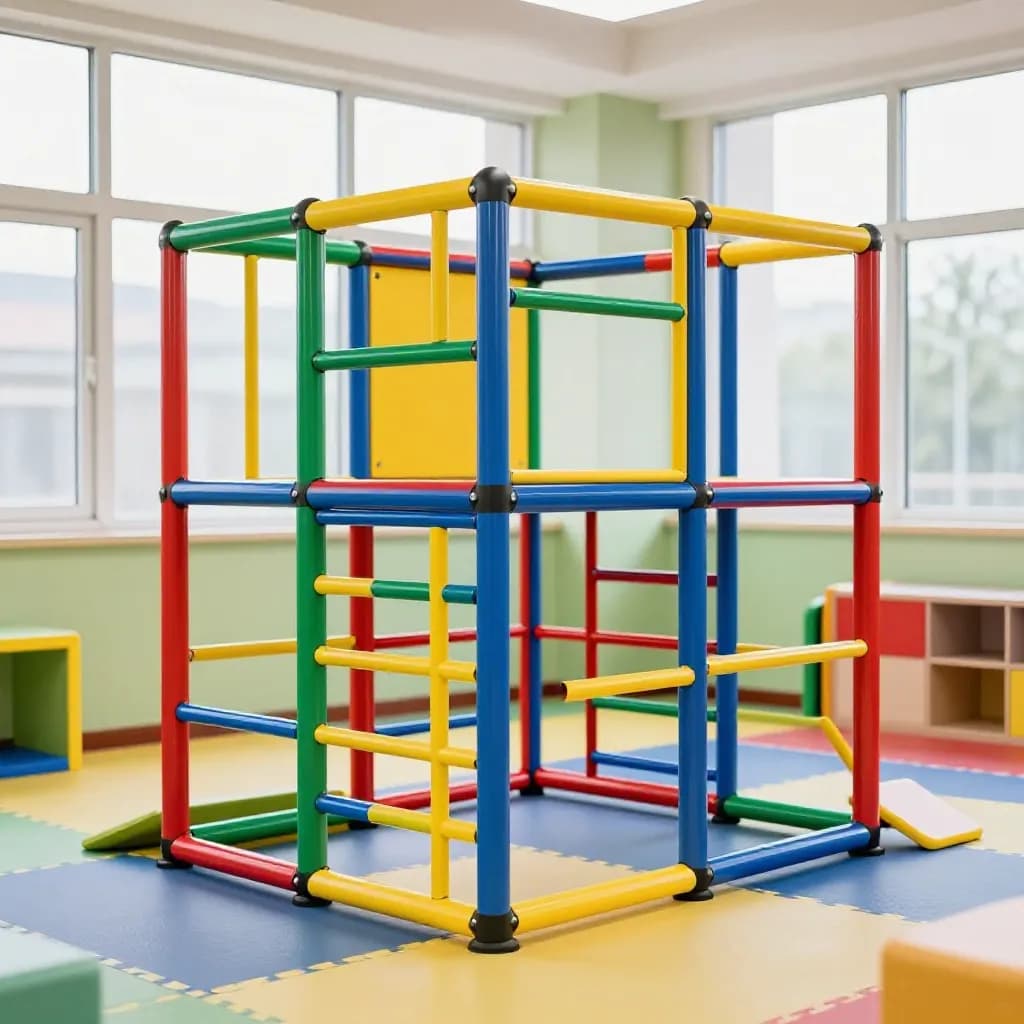
Children interact with their environment differently than adults. They touch, mouth, chew, and climb on surfaces that adults would never contact. They fall against furniture edges, throw objects at walls, and test every surface with the full force of their developing motor skills. The finish on childcare equipment must withstand this intense physical interaction while remaining completely safe for children who may ingest coating particles through mouthing behavior.
Ready to Start Your Project?
From one-off customs to 15,000-part production runs — get precise pricing in 24 hours.
On This Page
Childcare Environments: Safety First, Always
Regulatory oversight of childcare environments is extensive, with federal, state, and local regulations governing every aspect of the physical environment. The Consumer Product Safety Commission (CPSC), state licensing agencies, and local health departments all impose requirements that affect coating selection for childcare equipment. Understanding and complying with these overlapping regulatory frameworks is essential for childcare operators and the manufacturers who supply their equipment.
Beyond regulatory compliance, childcare centers must create environments that support child development through color, design, and sensory stimulation. Bright, engaging colors on furniture and equipment contribute to the stimulating environment that promotes learning and development. Powder coating's unlimited color palette enables the vibrant, varied color schemes that early childhood education research identifies as beneficial for young children's cognitive and emotional development.
Non-Toxic Coating Requirements and Compliance
The non-toxicity of coatings used in childcare environments is governed by multiple regulatory standards that address different aspects of chemical safety. Compliance with all applicable standards is essential for childcare equipment manufacturers and the powder coating applicators who finish their products.
CPSC regulations under the Consumer Product Safety Improvement Act (CPSIA) limit lead content in children's products to 90 parts per million (ppm) total lead content in substrate materials and 90 ppm in surface coatings. Modern powder coatings formulated for children's products are manufactured with lead-free pigments and additives that comply with these limits. Certification testing by CPSC-accepted laboratories verifies compliance for each powder coating formulation.
ASTM F963, the Standard Consumer Safety Specification for Toy Safety, applies to many childcare equipment items and includes requirements for heavy metal content in surface coatings. The standard limits soluble antimony, arsenic, barium, cadmium, chromium, lead, mercury, and selenium to specified maximum levels. Powder coatings for childcare applications must be tested and certified to meet these heavy metal limits.
EN 71-3, the European safety standard for toys, imposes similar heavy metal migration limits and is relevant for childcare equipment manufacturers who export to European markets or who choose to meet the most stringent global standards. Some childcare operators specify EN 71-3 compliance as a procurement requirement regardless of market, using the European standard as a benchmark for coating safety.
California Proposition 65 requires warnings for products containing chemicals known to cause cancer or reproductive harm. While Proposition 65 does not ban specific chemicals, the warning requirement creates a strong incentive for manufacturers to use coating formulations that do not trigger Proposition 65 labeling. Powder coating manufacturers can provide Proposition 65 compliance statements for formulations designed for children's products.
Greenguard Gold certification, administered by UL, verifies that products meet strict chemical emission limits for sensitive environments including schools and childcare facilities. Powder-coated furniture that achieves Greenguard Gold certification has been tested and verified to produce minimal chemical emissions, supporting healthy indoor air quality in childcare environments. This certification is increasingly specified by childcare operators and architects designing childcare facilities.
Impact Safety and Edge Protection
Children fall frequently as they develop motor skills, and the furniture and equipment in their environment must be designed to minimize injury when falls occur. The powder coating on childcare equipment contributes to impact safety by providing a resilient surface layer that absorbs energy and reduces the severity of contact injuries.
Edge and corner treatment is the most critical safety detail on childcare furniture. All edges and corners on metal furniture must be radiused to eliminate sharp points that could cause cuts or puncture injuries. Building codes and childcare licensing standards typically require minimum edge radii of 3mm on furniture accessible to children. Powder coating builds additional thickness on radiused edges, further softening the contact surface and providing an extra margin of safety.
The powder coating film itself provides a cushioning effect on impact surfaces. The 60-100 micron coating thickness creates a polymer layer between the child and the metal substrate that absorbs a portion of impact energy during contact. While this cushioning effect is modest compared to dedicated impact-absorbing materials, it provides a meaningful safety improvement over bare metal or thin liquid paint films.
Furniture stability is a safety concern that affects coating specification indirectly. Childcare furniture must resist tipping when children climb on it, and the weight of powder-coated steel furniture contributes to stability. The coating specification should not compromise furniture weight by encouraging the use of lighter-gauge materials that might reduce stability.
Playground equipment within childcare facilities must comply with ASTM F1487 (Standard Consumer Safety Performance Specification for Playground Equipment for Public Use) and CPSC Handbook for Public Playground Safety. These standards address coating requirements including surface temperature limits in direct sunlight, coating durability under heavy use, and the absence of toxic materials. Powder coatings formulated for playground equipment meet these requirements while providing the bright colors that make play equipment inviting.
Entrapment hazards — openings in furniture or equipment where children's heads, fingers, or limbs could become trapped — must be evaluated in the context of the coating thickness. The powder coating adds 0.06-0.1mm to each surface, which can slightly reduce opening dimensions. While this reduction is typically negligible, it should be verified for openings near the critical dimensions specified in safety standards.
Bright Colors for Developmental Environments
Color plays a documented role in early childhood development, with research indicating that bright, varied color environments stimulate cognitive development, support emotional well-being, and enhance learning engagement. Powder coating enables childcare centers to create the colorful environments that developmental research recommends, with durable finishes that maintain their vibrancy through years of intensive use.
Primary colors — red, blue, and yellow — are the foundation of childcare color schemes, providing the high-contrast visual stimulation that supports visual development in infants and toddlers. Powder coating achieves these primary colors with exceptional saturation and consistency, creating the bold, clear colors that young children respond to most strongly. The color stability of powder coating ensures that these developmental colors remain vivid throughout the furniture's service life.
Color coding of furniture and equipment supports learning and organization in childcare environments. Different colors can identify different activity zones — blue for reading, green for nature exploration, red for active play — helping children develop spatial awareness and organizational skills. Color-coded storage bins, cubbies, and shelving help children learn to sort and organize their belongings. Powder coating's precise color matching ensures that the coding system is clear and consistent.
Age-appropriate color palettes differ across childcare age groups. Infant rooms benefit from softer, pastel versions of primary colors that provide stimulation without overwhelming developing visual systems. Toddler rooms can use bolder primary and secondary colors that match the increasing visual sophistication of 1-3 year olds. Preschool rooms can incorporate a wider palette including tertiary colors and more complex color combinations that support the color recognition skills being developed at this age.
Natural and earth-tone colors complement the bright primary palette in childcare environments that follow nature-based or Reggio Emilia educational philosophies. These approaches emphasize natural materials and muted colors as a backdrop for children's own colorful creations. Powder coating in warm wood tones, soft greens, and natural grays provides the neutral foundation that these educational philosophies require.
Color psychology considerations include avoiding large areas of intense red, which research associates with increased agitation in young children, and incorporating calming blues and greens in rest areas and quiet zones. Powder coating enables this nuanced color application, with different colors specified for different zones within the childcare facility to support the varied activities and emotional states that children experience throughout the day.
Easy Cleaning and Infection Control
Childcare centers are high-risk environments for infectious disease transmission, with young children's developing immune systems and close-contact play creating ideal conditions for pathogen spread. The surfaces in childcare environments must be cleaned and sanitized multiple times daily to control infection risk, and the coating on these surfaces must withstand this intensive cleaning regimen without degradation.
Cleaning frequency in childcare centers far exceeds that of most commercial environments. Diaper changing surfaces are sanitized after every use. Eating surfaces are sanitized before and after every meal and snack. Play surfaces and toys are sanitized at least daily, with more frequent cleaning during illness outbreaks. This cleaning frequency — potentially 10-20 sanitization cycles per day for some surfaces — creates cumulative chemical exposure that tests coating durability.
The sanitizing agents used in childcare centers are regulated by state licensing agencies and must be EPA-registered for use in childcare environments. Common approved sanitizers include dilute bleach solution (50-200 ppm sodium hypochlorite), quaternary ammonium compounds, and hydrogen peroxide-based products. Powder coating must resist all of these sanitizers without softening, discoloring, or losing adhesion over thousands of application cycles.
Bleach solution resistance is particularly important because dilute bleach is the most widely used and most cost-effective sanitizer in childcare settings. While the concentration used in childcare (50-200 ppm) is far lower than household bleach (approximately 50,000 ppm), the frequency of exposure — multiple times daily for years — creates cumulative stress on the coating. Polyester and polyester-epoxy hybrid powder coatings provide adequate resistance to dilute bleach at childcare concentrations.
Biological soil removal — cleaning up bodily fluids including vomit, urine, and fecal matter — is a routine requirement in childcare environments, particularly in infant and toddler rooms. The powder coating on furniture and equipment must resist the biological compounds in these soils and the aggressive cleaning required to sanitize surfaces after biological contamination. The non-porous surface of powder coating prevents biological material from penetrating the finish, allowing thorough cleaning and sanitization.
Antimicrobial powder coatings provide an additional layer of infection control for high-touch surfaces in childcare environments. These formulations continuously reduce bacterial and viral populations on the coated surface between cleaning cycles, providing protection during the intervals when surfaces may be contaminated but not yet cleaned. EPA-registered antimicrobial coatings with documented efficacy against common childhood pathogens are available for childcare applications.
Furniture Types and Application-Specific Requirements
Childcare centers contain a diverse range of furniture and equipment, each with specific coating requirements driven by its function, the age group it serves, and the regulatory standards that apply to it.
Cribs and sleep furniture for infants must meet CPSC crib safety standards (16 CFR 1219/1220) that include requirements for coating safety and durability. The powder coating on crib components must pass bite testing — simulating an infant chewing on the crib rail — without releasing coating particles that could present a choking hazard. Hard, well-adhered powder coating that resists chipping under bite force provides the safety needed for crib applications.
Changing tables and diaper stations require powder coating with maximum chemical resistance and cleanability. These surfaces are sanitized after every diaper change — potentially 20-30 times per day in a busy infant room — with bleach solution or other approved sanitizers. The coating must withstand this intensive sanitization schedule without degradation while providing a smooth, non-porous surface that can be cleaned to infection control standards.
Cubbies and personal storage units help children develop independence and organizational skills. Powder-coated steel cubbies in bright, individually assigned colors help young children identify their personal storage space. The coating must resist the impact of lunchboxes, water bottles, and backpacks being placed and removed daily, with particular attention to the cubby opening edges where impact is concentrated.
Art and activity tables experience the most diverse chemical exposure in the childcare environment — paint, glue, markers, clay, and various craft materials all contact the table surface. The powder coating must resist these art materials without staining, and the smooth surface must allow dried paint and glue to be scraped or wiped away during cleanup. High-gloss finishes provide the smoothest, most cleanable surface for art table applications.
Outdoor play structures including climbing frames, slides, and playhouses require weather-resistant powder coating that also meets playground safety standards. Super-durable polyester formulations provide UV resistance for color retention, while the coating must also meet surface temperature requirements — in direct sunlight, dark-colored metal surfaces can reach temperatures that burn children's skin. Light colors and heat-reflective formulations keep surface temperatures within safe limits.
Highchairs and feeding equipment require food-safe powder coating that meets FDA requirements for food contact surfaces. NSF-listed formulations compliant with FDA 21 CFR 175.300 should be specified for any surface that contacts food during meal service. The coating must also resist the acidic foods — tomato sauce, fruit juice, yogurt — that are common in children's diets.
Regulatory Compliance and Documentation
Childcare center equipment is subject to a complex web of federal, state, and local regulations that affect coating selection and documentation requirements. Maintaining comprehensive compliance documentation protects the childcare operator, the equipment manufacturer, and the powder coating applicator from regulatory liability.
Federal regulations under CPSIA require third-party testing and certification of children's products, including verification that coatings comply with lead content limits. The powder coating manufacturer should provide a certificate of compliance for each formulation used on childcare equipment, and the equipment manufacturer should maintain testing records from CPSC-accepted laboratories that verify compliance of the finished product.
State childcare licensing regulations vary significantly and may impose requirements beyond federal standards. Some states specify approved materials lists for childcare furniture, require specific fire ratings for interior finishes, or mandate antimicrobial surface treatments. The powder coating specification should be developed with reference to the licensing requirements of the state(s) where the equipment will be used.
Local health department requirements may add additional cleaning and sanitization standards that affect coating selection. Some health departments specify minimum surface smoothness requirements (Ra values) for cleanable surfaces in childcare environments. Properly applied powder coating on smooth substrates easily meets typical smoothness requirements, but the specification should verify compliance with local standards.
Fire safety regulations for childcare occupancies may require interior finishes to meet specific flame spread and smoke development ratings. Powder coatings on metal substrates typically achieve Class A fire ratings under ASTM E84, satisfying the most stringent interior finish requirements. Fire test certificates should be maintained for all powder coating formulations used in childcare facilities.
Accessibility requirements under the Americans with Disabilities Act (ADA) affect furniture design and may influence coating specification. Accessible furniture must accommodate children with mobility, sensory, and cognitive disabilities. Powder coating in high-contrast colors supports visual accessibility, while smooth, comfortable finishes support tactile accessibility for children with sensory sensitivities.
Documentation management for regulatory compliance should include powder coating manufacturer certificates of compliance (CPSIA, ASTM F963, EN 71-3), fire test certificates, Greenguard Gold certification if applicable, chemical resistance test data for approved sanitizers, and the applicator's quality records including cure verification and film thickness measurements. This documentation package should be maintained for the life of the equipment and made available to licensing inspectors, health department officials, and parents upon request.
Maintenance and Lifecycle in Childcare Settings
Maintaining powder-coated equipment in childcare environments requires protocols that balance the intensive cleaning demands of infection control with the gentle treatment needed to preserve coating integrity. Establishing proper maintenance procedures from the outset maximizes equipment service life while maintaining the safety and hygiene standards that childcare licensing requires.
Daily sanitization protocols should use the minimum effective concentration of approved sanitizers applied with soft cloths or spray bottles. Avoid abrasive cleaning pads, steel wool, or powdered cleansers that scratch the powder coating surface. Scratches in the coating create micro-harbors for bacteria and reduce the coating's effectiveness as a hygienic barrier. Train all staff on proper cleaning techniques and the importance of using approved cleaning materials.
Weekly deep cleaning should address areas that daily sanitization may miss — the undersides of tables, the backs of cubbies, the bases of furniture legs, and the interior surfaces of storage units. These areas accumulate dust, food debris, and biological material that can harbor pathogens and attract pests. The smooth powder coating surface facilitates thorough cleaning of these concealed areas.
Monthly inspection of all equipment should evaluate coating condition with particular attention to high-contact areas (table edges, chair seats, cubby openings), high-impact areas (furniture legs, play equipment contact points), and areas subject to mouthing by infants and toddlers (crib rails, table edges in infant rooms). Any coating damage in areas accessible to children should be repaired immediately to prevent children from contacting bare metal or ingesting coating chips.
Repair procedures for coating damage in childcare environments must use touch-up materials that meet the same non-toxicity standards as the original powder coating. Color-matched, lead-free, CPSIA-compliant touch-up paint should be maintained on-site for prompt repair of minor damage. Allow adequate cure time before returning repaired equipment to service — follow the touch-up paint manufacturer's recommended cure schedule.
Replacement planning should account for the accelerated wear rate of childcare equipment. Infant room furniture that is sanitized 20-30 times daily may need replacement or recoating every 5-7 years. Preschool furniture with less intensive cleaning may last 8-12 years. Outdoor play equipment with weather exposure may need recoating every 7-10 years depending on climate. Budget for phased replacement to maintain consistent equipment quality across the facility.
Parent communication about equipment safety and maintenance builds trust and demonstrates the center's commitment to children's well-being. Sharing information about the non-toxic coating materials used, the cleaning and sanitization protocols followed, and the inspection and maintenance schedule maintained reassures parents that their children's environment meets the highest safety standards.
Frequently Asked Questions
Is powder coating safe for furniture that children might chew on?
Yes, powder coatings formulated for children's products comply with CPSIA lead limits (90 ppm), ASTM F963 heavy metal limits, and EN 71-3 migration limits. These formulations use lead-free, cadmium-free pigments and are tested by accredited laboratories. Hard, well-adhered powder coating resists chipping under bite force, preventing particle ingestion.
Can powder coating withstand the frequent sanitization in childcare centers?
Yes, polyester and polyester-epoxy hybrid powder coatings resist thousands of sanitization cycles with dilute bleach (50-200 ppm), quaternary ammonium compounds, and hydrogen peroxide products approved for childcare use. The non-porous surface prevents biological material penetration, enabling thorough sanitization to infection control standards.
What colors are best for childcare center powder coating?
Primary colors (red, blue, yellow) provide developmental stimulation for young children. Softer pastels suit infant rooms. Bold primaries work for toddler spaces. Wider palettes including earth tones support preschool environments. Use color coding for zone identification and organization. Avoid large areas of intense red in rest areas, and use calming blues and greens in quiet zones.
Does powder-coated outdoor play equipment get too hot in the sun?
Dark-colored metal surfaces can reach temperatures that burn children's skin in direct sunlight. Specify light colors and heat-reflective powder coating formulations for outdoor play equipment to keep surface temperatures within safe limits. Super-durable polyester formulations provide the UV resistance needed to maintain color on outdoor equipment.
What certifications should childcare center powder coating have?
Essential certifications include CPSIA compliance for lead content, ASTM F963 for heavy metal limits, and fire testing per ASTM E84. Recommended certifications include Greenguard Gold for indoor air quality, EN 71-3 for European safety standards, and EPA registration for antimicrobial formulations. Maintain all certification documentation for licensing inspections.
Ready to Start Your Project?
From one-off customs to 15,000-part production runs — get precise pricing in 24 hours.