Park benches and public seating are among the most intimately used elements of urban infrastructure. Unlike bollards, bins, and poles that people interact with briefly, benches invite extended contact — people sit on them for minutes or hours, lean against them, place bags and food on them, and in some cases sleep on them. This prolonged, direct human contact creates coating requirements that go beyond standard outdoor durability to include comfort, safety, and aesthetic considerations that affect the user experience.
Architecture
Powder Coating for Park Benches and Public Seating: Outdoor Durability, Comfort, and Memorial Benches
Sundial Powder Coating·April 23, 2026·12 min
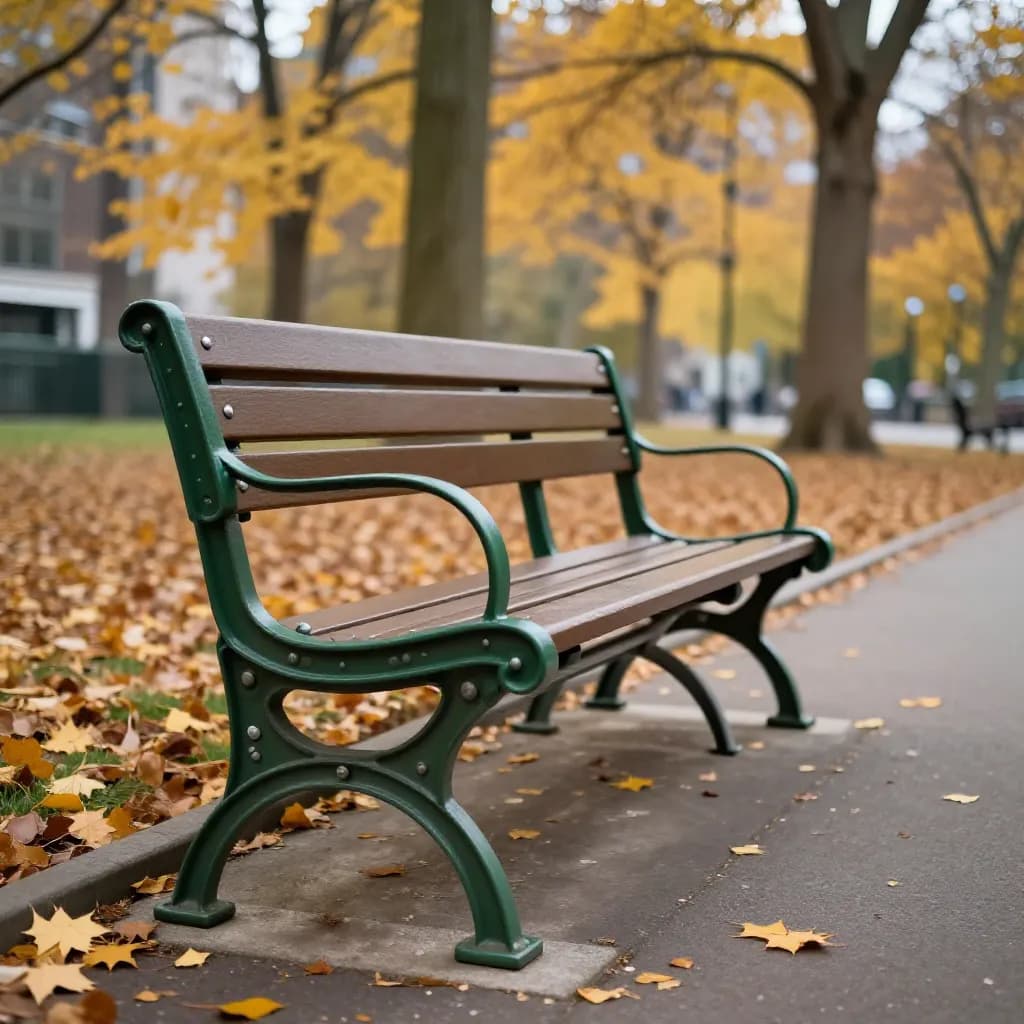
The powder coating on a park bench must satisfy a remarkable range of demands simultaneously. It must resist UV degradation through years of sun exposure. It must withstand rain, snow, ice, and temperature extremes without cracking or delaminating. It must resist the chemical attack of bird droppings, tree sap, food spills, cleaning chemicals, and the inevitable graffiti. It must absorb the impact of dropped objects and resist the abrasion of clothing, bags, and direct skin contact. And it must do all of this while maintaining a surface that is comfortable to sit on, safe to touch, and visually attractive in the park or streetscape setting.
Ready to Start Your Project?
From one-off customs to 15,000-part production runs — get precise pricing in 24 hours.
On This Page
Park Benches: Where Coating Quality Meets Public Comfort
Powder coating is the standard finishing technology for metal park bench frames and components because it delivers this combination of properties in a single, environmentally friendly coating system. The thermoset chemistry provides inherent UV resistance, chemical resistance, and mechanical toughness. The thick single-coat application creates a robust barrier against moisture and corrosion. And the unlimited color palette supports the design flexibility that landscape architects and urban designers require.
The park bench market includes products ranging from simple steel strap benches for utilitarian applications to elaborate cast iron and hardwood heritage designs for premium public spaces. Memorial benches — dedicated to individuals or events — represent a growing segment with specific aesthetic and durability requirements. Each product type presents different coating challenges, and the specification must be tailored to the specific bench design and installation context.
Outdoor Durability for Year-Round Exposure
Park benches are installed in fully exposed outdoor locations and must maintain their appearance and protection through decades of weather exposure. Unlike indoor furniture that faces only mechanical wear, outdoor benches endure the combined assault of UV radiation, moisture, temperature cycling, atmospheric pollution, and biological contamination — all while being used daily by the public.
UV resistance is the primary durability concern for park bench coatings. Benches in open park settings receive full sun exposure with no shade protection, and the coating must resist photodegradation for the bench's design service life of 15-25 years. Super-durable polyester powder coatings provide 7-10 years of color and gloss retention, which is adequate for benches in moderate climates with periodic maintenance. For premium installations or benches in high-UV environments, fluoropolymer-modified coatings extend UV resistance to 15-20 years.
Moisture resistance is critical for bench frames that sit close to the ground where moisture accumulates. The bench legs and lower frame members are exposed to rain splash, standing water, snow accumulation, and ground moisture that create a persistently damp environment. The coating on lower frame sections should be specified with enhanced corrosion protection — either increased film thickness, dual-coat systems with epoxy primer, or the duplex galvanizing-plus-powder-coating system that provides maximum moisture resistance.
Temperature cycling creates thermal stress in the coating as the bench frame expands and contracts with daily and seasonal temperature changes. In continental climates, bench surface temperatures can range from minus 30 degrees Celsius in winter shade to plus 70 degrees Celsius in summer sun — a total range exceeding 100 degrees. The coating must accommodate this thermal movement without cracking, particularly at joints between dissimilar materials such as steel frames and wood or recycled plastic seat slats.
Biological contamination — bird droppings, tree sap, algae growth, and insect deposits — creates both aesthetic and chemical challenges. Bird droppings are acidic and can etch the coating surface if not removed promptly. Tree sap contains resins that bond tenaciously to coating surfaces. Algae growth in shaded, damp locations creates a slippery surface hazard and can stain the coating. The powder coating must resist these biological agents and facilitate their removal during routine cleaning.
Comfort and Surface Temperature Management
Unlike most powder-coated products where the coating's interaction with human skin is incidental, park bench coatings are in direct, prolonged contact with users' skin and clothing. The coating's surface properties — temperature, texture, and chemical inertness — directly affect user comfort and safety.
Surface temperature is the most significant comfort factor for metal bench seating. Metal benches in direct sunlight can reach surface temperatures of 60-70 degrees Celsius in summer — hot enough to cause skin burns on bare legs and arms. Conversely, metal benches in winter can drop to temperatures that cause discomfort or cold injury during extended sitting. The powder coating's color and thermal properties affect surface temperature through solar absorption and thermal emissivity.
Light-colored coatings absorb less solar radiation than dark colors, resulting in lower surface temperatures in direct sunlight. A white or light gray bench surface may be 15-25 degrees Celsius cooler than a black bench in the same sun exposure. For benches in hot climates or full-sun locations, light colors provide a meaningful comfort advantage. Some powder coating formulations incorporate infrared-reflective pigments that reduce solar heat absorption even in dark colors, achieving surface temperatures 10-15 degrees lower than standard dark pigments.
Surface texture affects both comfort and safety. Smooth coatings with low surface roughness are comfortable for bare skin contact but can become slippery when wet, creating a fall hazard when users stand up from a wet bench. Slightly textured coatings with surface roughness of Ra 1.5-3.0 micrometers provide a comfortable seating surface with adequate wet grip. Heavily textured coatings can be uncomfortable for prolonged sitting and may snag clothing.
Thermal conductivity of the coating affects how quickly heat transfers between the bench surface and the user's body. Powder coatings have low thermal conductivity — approximately 0.2-0.3 watts per meter-kelvin — which provides a slight insulating effect that makes initial contact with a cold bench less shocking than bare metal. This insulating effect is modest at typical coating thicknesses but contributes to the overall comfort perception.
Chemical inertness of the cured powder coating ensures that the surface does not cause skin irritation or allergic reactions during prolonged contact. Fully cured polyester and epoxy-polyester coatings are chemically stable and do not leach irritating substances. However, undercured coatings may contain unreacted chemical groups that could cause sensitization in susceptible individuals, making complete cure verification an important quality control step for seating applications.
Vandal Resistance and Anti-Graffiti Protection
Park benches are frequent targets of vandalism including graffiti, carving, burning, and deliberate structural damage. The powder coating specification must address these threats to maintain the bench's appearance and functionality in public locations where vandalism is a persistent concern.
Graffiti is the most common form of bench vandalism, with spray paint, marker ink, and scratched inscriptions all commonly encountered. Anti-graffiti powder coatings with permanent graffiti-release properties allow paint and marker removal without damaging the underlying coating. These formulations use low surface energy chemistry — typically below 25 millinewtons per meter — that prevents graffiti materials from bonding permanently to the surface. Graffiti removal is performed with proprietary cleaning solutions that dissolve the graffiti without attacking the coating.
Carving and scratching — using keys, knives, or other sharp objects to inscribe names, initials, or messages — is a form of vandalism that no polymer coating can fully prevent. Hard coatings with pencil hardness of 3H or higher resist casual scratching but cannot withstand determined carving with a sharp metal tool. The visual impact of scratches can be minimized by specifying textured finishes that camouflage minor surface damage, or by choosing dark colors where scratches are less visible.
Burn damage from cigarettes, lighters, and small fires is a concern for benches in areas where smoking or loitering occurs. Standard powder coatings will discolor and may blister when exposed to direct flame or cigarette contact, but they do not support combustion and will self-extinguish when the heat source is removed. The burn mark creates a localized cosmetic defect but does not compromise the coating's protective function in the surrounding area. Touch-up repair of burn marks restores appearance between major maintenance intervals.
Adhesive vandalism — stickers, chewing gum, and tape — is a daily maintenance challenge for public benches. Anti-graffiti surface properties facilitate sticker and tape removal, and the smooth, non-porous coating surface resists chewing gum adhesion. Regular cleaning with appropriate solvents prevents adhesive buildup that becomes increasingly difficult to remove over time.
The overall vandal resistance strategy for park benches combines coating specification with design and siting decisions. Benches in well-lit, high-visibility locations experience less vandalism than those in isolated or poorly lit areas. Bench designs without flat surfaces that invite graffiti, and materials that resist carving, complement the coating's vandal resistance properties.
Memorial Bench Coating Requirements
Memorial benches — dedicated to individuals, events, or organizations — represent a growing segment of the park bench market with specific coating requirements that reflect the emotional significance of these installations. A memorial bench is not just a piece of urban furniture — it is a tribute that families and communities expect to maintain its dignity and appearance for decades. The coating specification must support this expectation with premium durability and finish quality.
Color selection for memorial benches often follows traditional conventions. Black, dark green, dark bronze, and dark brown are the most commonly specified memorial bench colors, evoking the formality and permanence associated with commemorative installations. These dark colors complement the brass or bronze dedication plaques that are typically mounted on the bench. Heritage finishes — antique bronze, aged copper, and patinated effects — are also popular for memorial benches in historic settings.
Dedication plaque integration requires careful coating specification at the plaque mounting area. The plaque is typically attached with screws or adhesive to the bench's backrest or seat rail, and the coating at the mounting location must provide a flat, stable surface for secure plaque attachment. The coating color should complement the plaque material — dark bench colors provide good contrast with brass and bronze plaques, while light bench colors may require darker plaque materials for legibility.
Long-term appearance retention is particularly important for memorial benches because the bench's condition reflects on the memory of the person or event it commemorates. A faded, chalky, or corroded memorial bench is disrespectful to the dedication and distressing to the family or organization that sponsored it. Fluoropolymer-modified powder coatings that maintain color and gloss for 15-20 years are recommended for memorial benches, even though standard super-durable polyester would be adequate for a utilitarian bench in the same location.
Plaque legibility over time depends on both the plaque material and the surrounding coating condition. If the bench coating deteriorates around the plaque, the visual contrast between plaque and bench changes, potentially reducing plaque legibility. Maintaining the coating in good condition around the plaque area preserves the intended visual presentation of the memorial.
Some memorial bench programs include maintenance endowments that fund ongoing care of the bench and its coating. The coating specification should be documented in the memorial program records so that future maintenance and eventual recoating can replicate the original finish. Archived powder samples, spectrophotometric color data, and coating specification documents ensure that the bench can be maintained to its original standard for decades.
Material Combinations and Mixed-Substrate Coating
Park benches frequently combine multiple materials — steel or cast iron frames with wood, recycled plastic, or aluminum seat slats — and the powder coating specification must address the specific requirements of each material while ensuring visual and functional compatibility across the assembly.
Steel frame coating follows standard outdoor industrial practice: abrasive blasting or acid pickling to remove mill scale, zinc phosphate conversion coating for maximum adhesion, and super-durable polyester or fluoropolymer-modified powder topcoat at 70-90 microns. For benches in aggressive environments, the duplex galvanizing-plus-powder-coating system provides maximum corrosion protection. The steel frame is the structural backbone of the bench and must be protected against corrosion that could compromise structural integrity.
Cast iron components — decorative end frames, armrests, and ornamental details — require pretreatment that addresses the casting's surface porosity. Pre-baking at 200-220 degrees Celsius for 20-30 minutes drives out trapped gases that would otherwise cause pinholes during powder curing. The casting surface should be inspected for porosity, cold shuts, and shrinkage defects that could affect coating appearance. Cast iron components are typically coated separately from steel frame components and assembled after coating.
Aluminum seat slats and frame components require standard aluminum pretreatment: alkaline cleaning, acid etch, and chromate-free conversion coating. When aluminum components are assembled with steel frames, galvanic isolation between the dissimilar metals is essential. The powder coating provides primary galvanic isolation, supplemented by nylon or EPDM isolation washers at bolted connections.
Wood seat slats are not powder coated but must be compatible with the coated metal frame. The wood treatment — typically pressure-treated softwood, tropical hardwood, or thermally modified timber — should not contain chemicals that could attack the powder coating at contact points. Stainless steel or coated fasteners should be used to attach wood slats to the coated frame, preventing galvanic corrosion at the fastener locations.
Recycled plastic seat slats — made from recycled HDPE or composite materials — are increasingly specified for their durability and low maintenance. These materials do not require coating but must be color-coordinated with the powder-coated frame for a cohesive appearance. The plastic slat color should be specified to complement the frame coating color, and both materials should be evaluated for color stability under UV exposure to ensure they age at similar rates.
Maintenance Programs and Lifecycle Management
Park bench coating maintenance is an ongoing responsibility that municipalities must plan and budget for throughout the bench's service life. A proactive maintenance program extends coating life, maintains the bench's contribution to the public space aesthetic, and prevents structural corrosion that could create safety hazards.
Routine cleaning is the most frequent maintenance activity, typically performed on a monthly to quarterly cycle depending on the bench's location and use intensity. Cleaning removes dirt, bird droppings, tree sap, food residue, and biological growth that degrade the coating's appearance and can accelerate UV degradation by trapping moisture against the surface. Pressure washing with mild detergent is the standard cleaning method, with spot treatment of stubborn stains using appropriate solvents.
Graffiti removal should be performed promptly — ideally within 24-48 hours of discovery — to discourage repeat vandalism and maintain the bench's appearance. Maintenance crews should be equipped with the specific cleaning solutions recommended for the bench's anti-graffiti coating and trained in proper application technique. Aggressive solvents or abrasive cleaning methods can damage the coating and should be avoided.
Annual coating condition inspection identifies areas of concern before they develop into serious problems. The inspection should evaluate coating adhesion, chalking, fading, impact damage, and corrosion at vulnerable points including leg bases, fastener connections, and frame-to-slat interfaces. Inspection data should be recorded in the park asset management system to track condition trends and predict maintenance needs.
Touch-up repair of localized coating damage prevents corrosion progression between major maintenance intervals. Color-matched touch-up paint should be stocked by the parks maintenance department, with application instructions and surface preparation requirements documented in the maintenance manual. Touch-up should be performed on any area where bare metal is exposed, regardless of the size of the damage.
Major refurbishment — stripping and recoating the metal frame — is typically performed at 15-20 year intervals depending on coating condition and the municipality's appearance standards. Refurbishment involves removing the bench from its installation, disassembling seat slats and hardware, stripping the old coating by chemical or abrasive methods, repairing any substrate corrosion, and reapplying the full pretreatment and powder coating system. Wood slats are typically replaced during refurbishment, while recycled plastic slats may be reused if in good condition.
End-of-life considerations for park benches include the recyclability of the coated metal frame. Steel and cast iron frames are fully recyclable through standard metal recycling processes, and the powder coating does not affect recyclability. Aluminum components are also fully recyclable. The environmental benefit of metal recycling should be documented in the municipality's sustainability reporting.
Frequently Asked Questions
How long does powder coating last on park benches?
Super-durable polyester provides 7-10 years of color and gloss retention in full outdoor exposure. Fluoropolymer-modified coatings extend this to 15-20 years, recommended for memorial benches and premium installations. Corrosion protection from duplex galvanizing-plus-powder-coating systems lasts 30-40 years. Seating surfaces may show wear sooner from direct contact.
Does bench color affect how hot it gets in the sun?
Yes, significantly. A black bench in direct sunlight can reach 60-70 degrees Celsius, while a white bench in the same conditions may be 15-25 degrees cooler. For benches in hot climates, light colors or infrared-reflective pigment formulations improve comfort. Some dark-colored formulations with IR-reflective pigments reduce surface temperature by 10-15 degrees compared to standard dark pigments.
What coating is best for memorial benches?
Fluoropolymer-modified powder coatings are recommended for memorial benches because they maintain color and gloss for 15-20 years, reflecting the long-term significance of the installation. Heritage finishes — antique bronze, aged copper, and patinated effects — are popular choices. The coating specification should be archived for future maintenance and recoating reference.
Is powder coating comfortable for sitting?
Yes. Powder coating provides a smooth, chemically inert surface that is comfortable for prolonged skin contact. Slightly textured finishes (Ra 1.5-3.0 micrometers) provide comfort with adequate wet grip. The coating's low thermal conductivity provides a slight insulating effect that makes initial contact with cold benches less shocking than bare metal.
How do you protect park bench legs from ground-level corrosion?
Bench legs face the most aggressive corrosion conditions from moisture, salt, and biological contamination at ground level. Protection strategies include increased film thickness (100-120 microns), dual-coat systems with epoxy primer, duplex galvanizing-plus-powder-coating, or stainless steel foot caps. Proper installation with drainage provisions minimizes water pooling around the base.
Ready to Start Your Project?
From one-off customs to 15,000-part production runs — get precise pricing in 24 hours.