Different motorcycle manufacturers use different materials, construction methods, and factory finishes that directly affect how their components should be prepared and powder coated. A one-size-fits-all approach to motorcycle powder coating ignores these brand-specific differences and can lead to adhesion failures, finish defects, and suboptimal results.
Automotive
Powder Coating for Motorcycle Brands: Harley, Ducati, BMW, Triumph, and Honda Considerations
Sundial Powder Coating·April 22, 2026·14 min
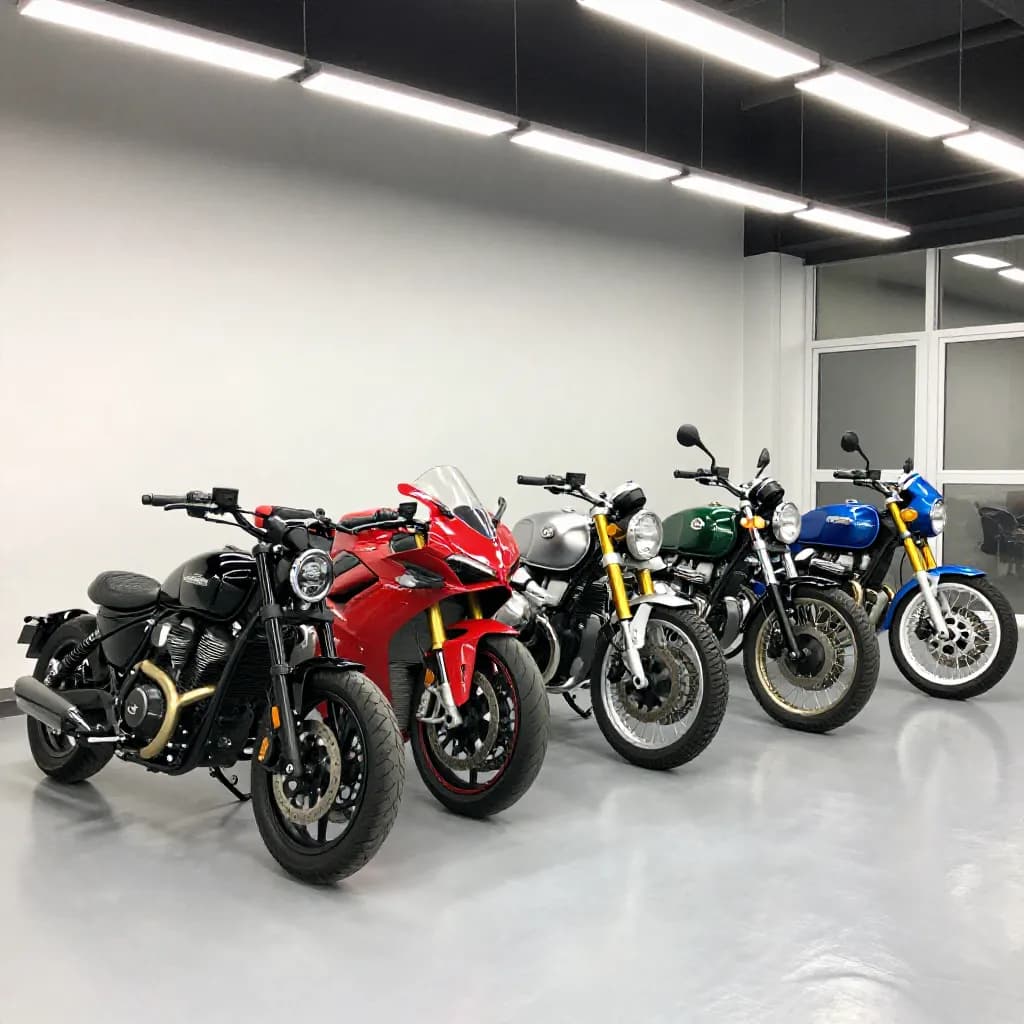
The materials used in motorcycle construction vary significantly between brands. Harley-Davidson relies heavily on steel frames and cast aluminum engine components. Ducati uses tubular steel trellis frames and extensive aluminum castings. BMW Motorrad employs a mix of steel, aluminum, and increasingly, cast magnesium. Triumph uses steel and aluminum in varying proportions depending on the model. Honda spans the full material spectrum from steel commuter frames to aluminum sportbike chassis.
Ready to Start Your Project?
From one-off customs to 15,000-part production runs — get precise pricing in 24 hours.
On This Page
Why Motorcycle Brand Matters for Powder Coating
Factory finishes also differ between brands, affecting how components must be prepared for powder coating. Some manufacturers use high-quality factory coatings that are difficult to remove, while others use basic primers that strip easily. Chrome plating, anodizing, and various proprietary surface treatments each require specific removal and preparation procedures.
Engine operating temperatures, vibration characteristics, and chemical exposure profiles differ between motorcycle types and brands. A Harley-Davidson V-twin operates at different temperatures and vibration frequencies than a Ducati L-twin or a Honda inline-four. These differences affect which powder coating formulations are appropriate for engine-adjacent components.
This guide examines the brand-specific considerations for powder coating motorcycles from five major manufacturers: Harley-Davidson, Ducati, BMW Motorrad, Triumph, and Honda. Understanding these differences helps owners and powder coating shops achieve optimal results for each brand.
Ducati: Trellis Frames and Italian Engineering
Ducati motorcycles present unique powder coating opportunities and challenges rooted in the brand's distinctive engineering approach. The tubular steel trellis frame — Ducati's signature structural element — is one of the most visually striking motorcycle frames in production and is a prime candidate for powder coating.
The Ducati trellis frame is constructed from chrome-molybdenum steel tubing joined by precision welds. This frame design is both structural and aesthetic — it is intended to be visible and is a defining visual element of the motorcycle. Powder coating a Ducati trellis frame requires meticulous preparation of the weld areas, as any weld spatter, undercut, or porosity will be visible through the coating on the exposed frame tubes.
Ducati's factory frame colors have included red (the iconic Ducati color), black, and white depending on the model and year. The specific Ducati red — a deep, rich red that is central to the brand's identity — can be matched in powder coating. Ducati paint codes are available through Ducati dealer parts systems and can be provided to powder coating manufacturers for color matching.
Ducati engine cases are typically die-cast aluminum with a natural or clear-coated finish. Powder coating Ducati engine cases requires thorough degreasing (Italian motorcycles are known for oil weeping from case joints) and pre-baking to prevent outgassing from the cast aluminum. All gasket surfaces, bearing bores, and oil passages must be precisely masked.
The single-sided swingarm used on many Ducati models is a prominent visual element that benefits from powder coating. These aluminum swingarms are large, visible components that set the tone for the motorcycle's rear-end presentation. The swingarm pivot bore, axle surfaces, and brake caliper mounting points must be masked to maintain proper fitment.
Ducati's dry clutch models (older Superbikes and some Monsters) have exposed clutch covers that are popular powder coating targets. These covers are visible and audible elements of the Ducati experience. Powder coating the clutch cover in a contrasting color — red on a black frame, or black on a red frame — is a classic Ducati customization.
Heat management is critical for Ducati engine components. The L-twin engine configuration places the rear cylinder in a position that generates significant heat, and components near the rear cylinder may experience temperatures that exceed standard powder coating limits. Map the temperature zones around the engine and specify appropriate formulations for each area.
BMW Motorrad: Precision Engineering and Mixed Materials
BMW Motorrad motorcycles are characterized by precision engineering, mixed-material construction, and distinctive design elements that create specific powder coating considerations. The brand's use of aluminum, steel, magnesium, and composite materials in a single motorcycle requires material-specific preparation approaches.
BMW's boxer twin engines — used in the R-series models — feature prominent cylinder heads that protrude from the sides of the motorcycle. These aluminum cylinder head covers are among the most visible engine components on any motorcycle and are popular powder coating targets. The factory finish is typically a natural aluminum or clear-coated appearance. Powder coating these covers in satin black, wrinkle black, or custom colors transforms the motorcycle's visual character.
BMW's Telelever and Paralever suspension systems use aluminum castings that can be powder coated for both protection and appearance. These components are visible and contribute to the motorcycle's overall presentation. The pivot points, bearing surfaces, and mounting interfaces must be masked to maintain proper suspension function.
Some BMW Motorrad models use cast magnesium components — particularly wheel hubs and some engine covers. Magnesium requires specialized pretreatment for powder coating adhesion and corrosion prevention. Standard aluminum pretreatment chemistry is not suitable for magnesium and can actually accelerate corrosion. Confirm the material composition of each component before specifying pretreatment.
BMW's shaft drive system — used on most R-series and K-series models — includes a visible drive shaft housing and final drive unit that can be powder coated. These components operate at moderate temperatures and are suitable for standard powder coating. The final drive unit must be masked at its mounting interface and oil fill/drain points.
BMW Motorrad paint codes for body color matching are available through BMW dealer parts systems. Iconic BMW motorcycle colors include Alpine White, Black Storm Metallic, Racing Red, and various model-specific colors. The GS adventure models feature distinctive color schemes — including the classic yellow and grey Bumblebee scheme — that are frequently referenced in powder coating projects.
BMW's use of electronic systems and sensors throughout the motorcycle means that careful attention must be paid to sensor mounting points and electrical connections during disassembly and reassembly. Document all electrical connections before disassembly and ensure that sensor mounting surfaces are properly masked during coating.
Triumph: British Heritage and Modern Performance
Triumph motorcycles combine British heritage with modern engineering, creating powder coating requirements that span from vintage restoration to contemporary performance builds. The brand's diverse model range — from classic Bonneville twins to high-performance Speed Triple and Daytona sportbikes — means that powder coating approaches vary significantly across the lineup.
Triumph's modern Bonneville family (T120, T100, Street Twin, Scrambler, Thruxton) features steel tubular frames and aluminum engine cases that are popular powder coating targets. These models have a strong customization culture, with owners frequently modifying their bikes with aftermarket accessories and custom finishes. The Bonneville's exposed frame tubes and visible engine cases make powder coating a high-impact modification.
Triumph's classic heritage colors — including British Racing Green, Jet Black, Cranberry Red, and various two-tone schemes — are frequently requested for restoration and custom projects. Triumph paint codes are available through Triumph dealer parts systems and heritage resources. Matching vintage Triumph colors requires reference to original components or period documentation, as the factory colors have evolved over the decades.
The Triumph triple-cylinder engines (used in Street Triple, Speed Triple, Tiger, and other models) feature distinctive three-cylinder engine cases with visible covers and brackets. These aluminum components can be powder coated in custom colors to complement the motorcycle's overall color scheme. The triple engine's compact dimensions mean that engine components are closely spaced, requiring careful masking to prevent coating interference between adjacent parts.
Triumph's adventure models — the Tiger 900 and Tiger 1200 — generate powder coating demand for crash bars, engine guards, skid plates, and luggage racks. These accessories are typically steel and benefit from durable powder coating for off-road protection. Textured finishes are popular for adventure accessories, providing damage concealment and a rugged appearance.
Triumph's Scrambler models have created a specific customization niche where powder coating plays a central role. The Scrambler aesthetic — combining vintage styling with off-road capability — often involves powder coating the frame, swingarm, and engine components in matte or satin finishes that reference the motorcycle's heritage while providing modern durability.
For Triumph Thruxton cafe racer builds, powder coating the frame and swingarm in gloss or satin black is a foundational modification. The Thruxton's exposed frame and clip-on handlebars create a visual presentation where frame finish quality is prominently displayed. Show-quality preparation and application are essential for Thruxton builds that will be displayed at cafe racer events.
Honda: The World's Largest and Most Diverse
Honda is the world's largest motorcycle manufacturer, producing everything from 50cc scooters to the Gold Wing touring flagship and the Africa Twin adventure bike. This diversity means that Honda powder coating requirements span the full spectrum of applications, materials, and performance levels.
Honda sportbikes — the CBR series — feature aluminum twin-spar frames and aluminum engine cases that are common powder coating targets. The CBR1000RR-R Fireblade's frame and subframe can be powder coated in custom colors to complement the bodywork. Honda's sportbike frames are precision-welded aluminum that requires aluminum-specific pretreatment for proper powder coating adhesion.
Honda's CRF off-road and adventure models generate powder coating demand for frames, swingarms, and aftermarket accessories. The CRF450R motocross frame is a popular powder coating target for riders who want to customize their bike's appearance or refresh a worn factory finish. Motocross frames experience severe mechanical stress and chemical exposure (fuel, chain lube, pressure washing), so coating durability is a priority.
The Honda Africa Twin adventure motorcycle has created a strong aftermarket ecosystem of crash bars, skid plates, luggage racks, and engine guards that are commonly powder coated. These accessories follow the same preparation and coating principles as other adventure motorcycle accessories — steel components need iron phosphate pretreatment, aluminum components need chromate-free conversion coating, and textured finishes provide the best damage concealment for off-road use.
Honda's classic models — including the CB series (CB750, CB550, CB350) — are among the most actively restored vintage motorcycles in the world. Restoring these bikes to original condition requires matching the factory frame and engine colors, which varied by model year and market. Honda's classic frame colors include gloss black, semi-gloss black, and various model-specific colors. Engine cases were typically natural aluminum or clear-coated.
Honda's Monkey and Grom mini-bikes have created a vibrant customization scene where powder coating is a popular modification. These small bikes are easy to disassemble, and their compact frames and components are straightforward to coat. The Monkey and Grom community embraces bold colors and creative finishes that push the boundaries of conventional motorcycle aesthetics.
Honda paint codes for body color matching are available through Honda dealer parts systems. Iconic Honda motorcycle colors include Grand Prix Red, Pearl Glare White, Matte Ballistic Black Metallic, and various model-specific colors. The Honda Wing logo and model-specific graphics are typically applied as decals after powder coating, so the coating must provide a smooth, clean surface for decal adhesion.
Universal Preparation Principles Across Brands
While each motorcycle brand has specific considerations, several preparation principles apply universally to motorcycle powder coating regardless of manufacturer. Understanding these principles ensures consistent results across all brands and models.
Material identification is the essential first step. Before any preparation begins, confirm the material composition of each component — steel, aluminum, cast aluminum, magnesium, or other alloys. Each material requires specific pretreatment chemistry, and using the wrong pretreatment will result in adhesion failure. When in doubt, test with a magnet (steel is magnetic, aluminum and magnesium are not) and consult the manufacturer's parts documentation for material specifications.
Complete disassembly is required for quality results. Every bearing, bushing, seal, and fastener should be removed from the component before coating. Attempting to mask installed bearings or seals is unreliable — the curing temperature will damage rubber seals and grease-packed bearings, and masking around installed components rarely provides the precision needed to prevent coating interference with moving parts.
Outgassing prevention through pre-baking is essential for cast components from all manufacturers. Cast aluminum engine cases, wheel hubs, and other castings contain trapped gases that cause surface defects during curing. A pre-bake cycle at curing temperature before powder application drives out these gases and ensures a defect-free finish.
Masking precision is critical for motorcycle components, which have numerous bearing surfaces, gasket faces, threaded holes, and precision-machined interfaces. Powder coating on these surfaces will interfere with proper assembly and can cause mechanical failures. Use calibrated masking plugs for threaded holes and bearing bores, and high-temperature masking tape for gasket surfaces and flat interfaces.
Documentation before disassembly prevents reassembly errors. Photograph each component from multiple angles, label all fasteners and their locations, and note any assembly-specific details such as torque specifications, thread-locking compound requirements, and alignment marks. Motorcycle components often have specific assembly sequences and torque patterns that must be followed for proper function.
Choosing a Shop for Motorcycle Powder Coating
Selecting a powder coating shop for motorcycle work requires evaluating the shop's experience with motorcycle components, their understanding of brand-specific requirements, and their ability to deliver the finish quality that motorcycle enthusiasts expect.
Motorcycle experience is the most important qualification. A shop that primarily coats industrial parts or automotive wheels may not understand the specific requirements of motorcycle work — the importance of precise masking on engine components, the need for outgassing prevention on cast parts, the temperature requirements for exhaust-adjacent components, and the aesthetic standards expected by motorcycle builders.
Ask specifically about experience with your motorcycle brand. A shop experienced with Harley-Davidson V-twin engines may not be familiar with the specific masking requirements of a Ducati trellis frame or a BMW boxer engine. Brand-specific experience reduces the risk of errors and ensures that the shop understands the unique characteristics of your motorcycle's components.
Oven size is a practical consideration for motorcycle frames. A complete motorcycle frame requires a curing oven with sufficient internal dimensions to accommodate the frame without contact with oven walls or heating elements. Some smaller shops may not have ovens large enough for full-size motorcycle frames. Verify oven capacity before committing to frame work.
Color matching capability is important for projects requiring factory color matching or custom color development. The shop should have access to a powder coating manufacturer's color matching service or maintain their own spectrophotometric color matching capability. Ask whether they have experience matching motorcycle-specific colors.
Turnaround time varies between shops and depends on the scope of work. A single motorcycle frame typically requires 5-10 business days. A complete engine and frame package may require two to four weeks. Complex multi-component projects with multiple colors and finishes may take longer. Discuss the timeline upfront and build it into your project schedule.
The motorcycle community — active on brand-specific forums, social media groups, and local riding clubs — is an excellent resource for shop recommendations. Ask for recommendations from other motorcycle owners in your area who have had powder coating work done. The community's collective experience is one of the best resources for identifying shops that consistently deliver quality work on motorcycle components.
Frequently Asked Questions
Does the motorcycle brand affect how components should be powder coated?
Yes. Different manufacturers use different materials, construction methods, and factory finishes that affect preparation and coating requirements. Steel Harley frames, aluminum Ducati trellis frames, and potentially magnesium BMW components each require different pretreatment chemistry and preparation approaches for optimal results.
Can Ducati trellis frames be powder coated?
Yes. Ducati's chrome-molybdenum steel trellis frames are excellent candidates for powder coating. The exposed tube construction makes frame finish quality highly visible, so meticulous weld preparation is essential. Ducati's iconic red frame color can be matched in powder coating using the factory paint code.
Are BMW motorcycle magnesium parts safe to powder coat?
Yes, but magnesium requires specialized pretreatment that differs from aluminum. Standard aluminum pretreatment chemistry is not suitable for magnesium and can accelerate corrosion. Confirm the material composition of each component and ensure the powder coating shop has experience with magnesium substrates.
What is the best finish for adventure motorcycle accessories?
Textured powder coating in dark colors provides the best combination of durability and damage concealment for adventure motorcycle accessories like crash bars, skid plates, and luggage racks. The texture conceals trail damage and provides a rugged appearance appropriate for off-road use.
Can vintage Honda CB frame colors be matched in powder coating?
Yes. Classic Honda CB frame colors — including gloss black, semi-gloss black, and model-specific colors — can be matched in powder coating. Reference original components or Honda heritage documentation for period-correct colors. Honda paint codes from dealer parts systems provide the most accurate matching reference.
How do I prevent outgassing on motorcycle engine cases?
Pre-bake the cast component at curing temperature before applying powder. This drives out trapped gases from the porous casting structure that would otherwise create pinholes and bubbles during the actual curing cycle. Pre-baking is essential for cast aluminum and cast iron engine components from all motorcycle manufacturers.
Ready to Start Your Project?
From one-off customs to 15,000-part production runs — get precise pricing in 24 hours.