Steel fender flares are a popular upgrade for off-road trucks, Jeeps, and custom vehicles that run wider tires or need additional wheel well coverage. Unlike plastic flares that can crack on impact and fade in UV exposure, steel flares offer superior durability and a more substantial appearance. However, bare or poorly coated steel flares are vulnerable to rust, and their prominent position on the vehicle means any coating failure is immediately visible.
Automotive
Powder Coating Steel Fender Flares: UV Protection, Flexibility, and Off-Road Durability
Sundial Powder Coating·April 23, 2026·9 min
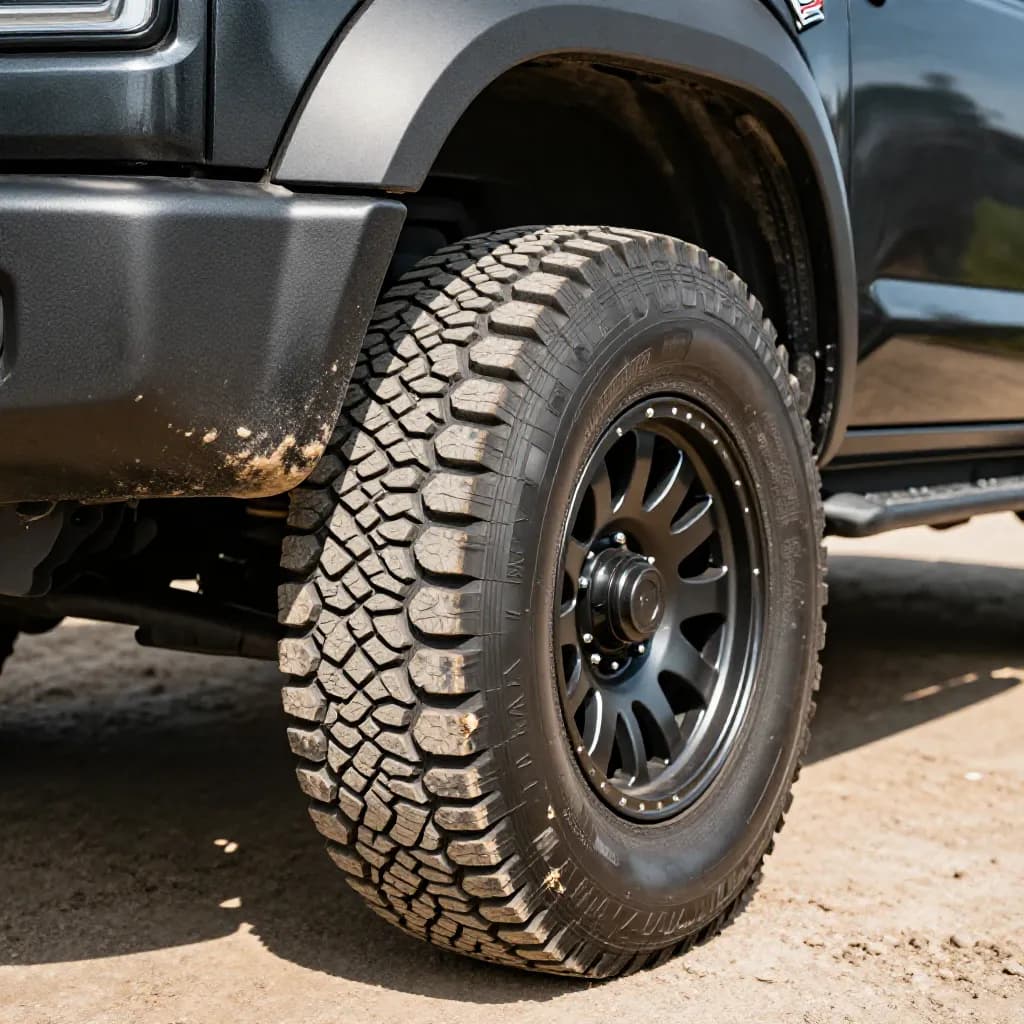
Powder coating is the ideal finish for steel fender flares because it addresses every challenge these components face. The thick, uniform coating provides excellent corrosion protection for the steel substrate. The UV-stable polyester chemistry resists fading and chalking from constant sun exposure. The hard, cross-linked film withstands stone chips from tire spray and branch contact on the trail. And the wide range of available colors and textures allows the flares to be matched to the vehicle's body color or finished in a contrasting accent.
Ready to Start Your Project?
From one-off customs to 15,000-part production runs — get precise pricing in 24 hours.
On This Page
Steel Fender Flares and the Case for Powder Coating
For off-road vehicles, steel fender flares take significant abuse. They contact rocks, brush, and trail obstacles that would destroy plastic flares. They catch tire spray loaded with mud, gravel, and road debris. They flex under impact and vibration as the vehicle traverses rough terrain. A powder coat finish must be tough enough to survive all of this while maintaining its appearance and protective function.
Surface Preparation for Steel Flares
Steel fender flares are typically fabricated from 14-16 gauge mild steel sheet, formed by stamping, rolling, or hand-shaping. The preparation process must address the specific characteristics of formed sheet steel to achieve a lasting powder coat finish.
New steel flares from aftermarket manufacturers may arrive with a light oil coating, mill scale, or a basic primer. All of these must be completely removed before powder coating. Abrasive blasting with aluminum oxide or steel grit at 40-60 mesh removes existing coatings, mill scale, and any surface contamination, leaving clean bare steel with an ideal surface profile for powder adhesion.
The forming process can introduce stresses and surface irregularities in the steel that affect the finished appearance. Hammer marks, die lines, and weld seams from the fabrication process will be faithfully reproduced in the powder coat finish. If a smooth, show-quality finish is desired, these imperfections must be addressed before coating through grinding, filling, and sanding. For off-road vehicles where a rugged appearance is acceptable, minor fabrication marks can be left as-is or hidden with a textured finish.
Weld seams where flare sections are joined require particular attention. Grind welds smooth if a seamless appearance is desired, or leave them visible for an industrial look. Clean all weld spatter and slag, and pre-bake the flares at cure temperature to drive out any gases trapped in the weld zone. This prevents pinholes and bubbles from forming over the welds during the final cure.
After blasting, apply an iron phosphate or zinc phosphate conversion coating for corrosion protection and adhesion promotion. For flares that will see heavy off-road use and salt exposure, zinc phosphate provides superior corrosion resistance and is worth the additional processing step.
Coating Flexibility and Impact Resistance
Fender flares flex during normal driving and especially during off-road use. Tire spray impacts the inner surface, trail obstacles contact the outer surface, and the mounting points transmit vibration from the vehicle body. The powder coating must accommodate this movement and impact without cracking, chipping, or delaminating.
Standard polyester powder coatings provide adequate flexibility for most fender flare applications. The cured polyester film can accommodate the minor flexing that occurs during normal driving and moderate off-road use. However, for flares on vehicles that see aggressive trail use where significant impacts and deflections are expected, a more flexible coating system may be warranted.
Flexible polyester powder formulations are available that offer significantly greater elongation before cracking compared to standard polyesters. These formulations sacrifice some hardness for increased flexibility, which is an appropriate trade-off for components that experience regular impact and deflection. The reduced hardness means slightly less scratch resistance, but the improved impact performance more than compensates for this on an off-road vehicle.
A two-coat system with a flexible epoxy primer and a standard polyester topcoat provides an excellent balance of flexibility, impact resistance, and UV durability. The epoxy primer absorbs impact energy and accommodates substrate flexing, while the polyester topcoat provides the UV resistance and color stability that epoxy alone cannot deliver.
Edge coverage is particularly important on fender flares. The cut edges of the steel sheet are the most vulnerable points for corrosion initiation, and they are also the areas where the coating is naturally thinnest due to electrostatic edge effects. Applying powder at slightly higher film builds and using edge-optimized formulations helps ensure adequate coverage at these critical points.
UV Resistance and Color Matching
Fender flares are among the most UV-exposed components on a vehicle. Their outward-facing position and large surface area receive direct sunlight throughout the day, and the dark colors commonly chosen for flares absorb significant solar energy. UV degradation manifests as fading, chalking, and loss of gloss, all of which are highly visible on a component that frames the wheel opening.
Super-durable polyester powders are essential for fender flares. Standard polyester formulations will begin showing UV degradation within 2-3 years of continuous outdoor exposure, which is unacceptable for a component that should last the life of the vehicle. Super-durable formulations extend UV resistance to 5-10 years, maintaining color and gloss throughout.
Color matching fender flares to the vehicle body is a common request, particularly for builds where the flares should appear as an integrated part of the body rather than an add-on accessory. Matching requires the vehicle's paint code and a skilled powder supplier who can formulate a close match. Perfect matching between powder coat and automotive paint is difficult due to differences in application method, film thickness, and light reflection characteristics, but a match that is indistinguishable at normal viewing distances is achievable.
For off-road vehicles, textured black is the most popular flare finish. It hides trail damage, does not show dirt, and complements any vehicle color. Satin black and semi-gloss black are also popular for a cleaner look. For show vehicles, body-color flares or contrasting accent colors create a more dramatic visual effect.
If the flares will be installed alongside other powder-coated accessories like bumpers, sliders, and roof racks, coating all components in the same batch ensures perfect color and texture consistency across the entire build.
Inner Surface Protection and Tire Spray
The inner surface of a fender flare faces the tire and receives the full force of tire spray, which includes water, mud, gravel, road salt, and debris at high velocity. This inner surface is often neglected during coating but is actually more critical for corrosion protection than the visible outer surface.
Coating both the inner and outer surfaces of the flare provides complete corrosion protection. The inner surface does not need a show-quality finish, but it does need adequate film thickness and adhesion to withstand the constant bombardment from tire spray. A minimum of 60-80 microns on the inner surface is recommended.
For vehicles that see regular off-road use, the inner surface can be further protected with a rubberized undercoating or bed liner material applied over the powder coat. This sacrificial layer absorbs the impact energy from stones and gravel in the tire spray, protecting the powder coat underneath. The undercoating can be reapplied as it wears without disturbing the powder coat.
Drain holes and ventilation openings in the flare should be kept clear during coating. Powder can accumulate in small holes and block drainage, trapping water behind the flare and accelerating corrosion of both the flare and the vehicle body panel underneath. Plug drain holes with silicone plugs during coating and remove them after curing.
The mounting flange where the flare contacts the vehicle body is a critical corrosion zone. Moisture can wick between the flare and the body panel, creating a hidden corrosion cell. Applying a bead of seam sealer or body caulk between the coated flare and the vehicle body during installation prevents moisture ingress and protects both surfaces.
Installation and Long-Term Maintenance
Installing powder-coated fender flares requires care to protect the finish and ensure proper fitment. The flares should be test-fitted before coating to verify alignment and identify any trimming or adjustment needed. Making these modifications after coating risks damaging the finish at cut edges.
If trimming is necessary after coating, use a cut-off wheel or nibbler rather than tin snips, which can deform the edge and crack the coating. After cutting, touch up the exposed edge with a zinc-rich primer and matching touch-up paint to prevent corrosion at the cut.
Mounting hardware should include rubber or nylon washers between the bolt head and the coated surface to distribute clamping force and prevent the bolt from cracking the coating. Stainless steel hardware is recommended for flare mounting to prevent rust staining on the coated surface from corroding fasteners.
Self-tapping screws that penetrate the vehicle body panel should be sealed with a dab of seam sealer or silicone to prevent water from entering the body panel through the screw hole. This is particularly important for vehicles that will see water crossings or heavy rain.
Long-term maintenance is straightforward. Wash the flares with the rest of the vehicle, paying attention to the inner surface where mud and debris accumulate. Inspect the coating periodically for chips and scratches, particularly on the leading edges and lower sections where stone impacts are concentrated. Touch up any damage promptly to prevent rust from starting.
For off-road vehicles, a post-trip inspection of the flares is good practice. Trail contact can cause dents and coating damage that is not immediately obvious. Addressing damage promptly prevents corrosion from gaining a foothold in the harsh environment these components operate in.
Frequently Asked Questions
Can powder coating handle the flexing of fender flares?
Yes. Standard polyester powder coatings accommodate the minor flexing of normal driving. For aggressive off-road use with significant impacts, flexible polyester formulations or a two-coat system with flexible epoxy primer and polyester topcoat provides enhanced impact resistance and flexibility.
Should I coat the inside of fender flares?
Yes. The inner surface faces tire spray loaded with water, mud, gravel, and salt, making it more critical for corrosion protection than the outer surface. Coat both sides with a minimum of 60-80 microns on the inner surface. Additional rubberized undercoating over the powder coat provides extra protection.
Can I match fender flare color to my vehicle's body paint?
Yes. A skilled powder supplier can formulate a close match using your vehicle's paint code. Perfect matching between powder coat and automotive paint is challenging due to different application methods, but a match that is indistinguishable at normal viewing distances is achievable.
What finish hides trail damage best on fender flares?
Textured black is the most forgiving finish for off-road fender flares. The texture hides minor chips, scratches, and surface imperfections, and the dark color conceals dirt and mud. Wrinkle and sandtex textures are both effective at masking trail wear.
How do I prevent rust at the flare mounting points?
Use rubber or nylon washers between bolt heads and the coated surface, apply seam sealer between the flare and vehicle body to prevent moisture wicking, and seal self-tapping screw holes with silicone. Stainless steel mounting hardware prevents rust staining from corroding fasteners.
Ready to Start Your Project?
From one-off customs to 15,000-part production runs — get precise pricing in 24 hours.