Bull bars and nudge bars serve as the first point of contact between a vehicle and the hazards of the road or trail. Whether deflecting kangaroos on Australian highways, protecting headlights from brush on African tracks, or absorbing minor parking impacts in urban environments, these bars take a beating that few other vehicle accessories endure. The coating on a bull bar is not just cosmetic — it is a functional barrier against corrosion that directly affects the bar's service life.
Automotive
Powder Coating Bull Bars and Nudge Bars: Stone Chip Protection for 4x4 Vehicles
Sundial Powder Coating·April 23, 2026·10 min
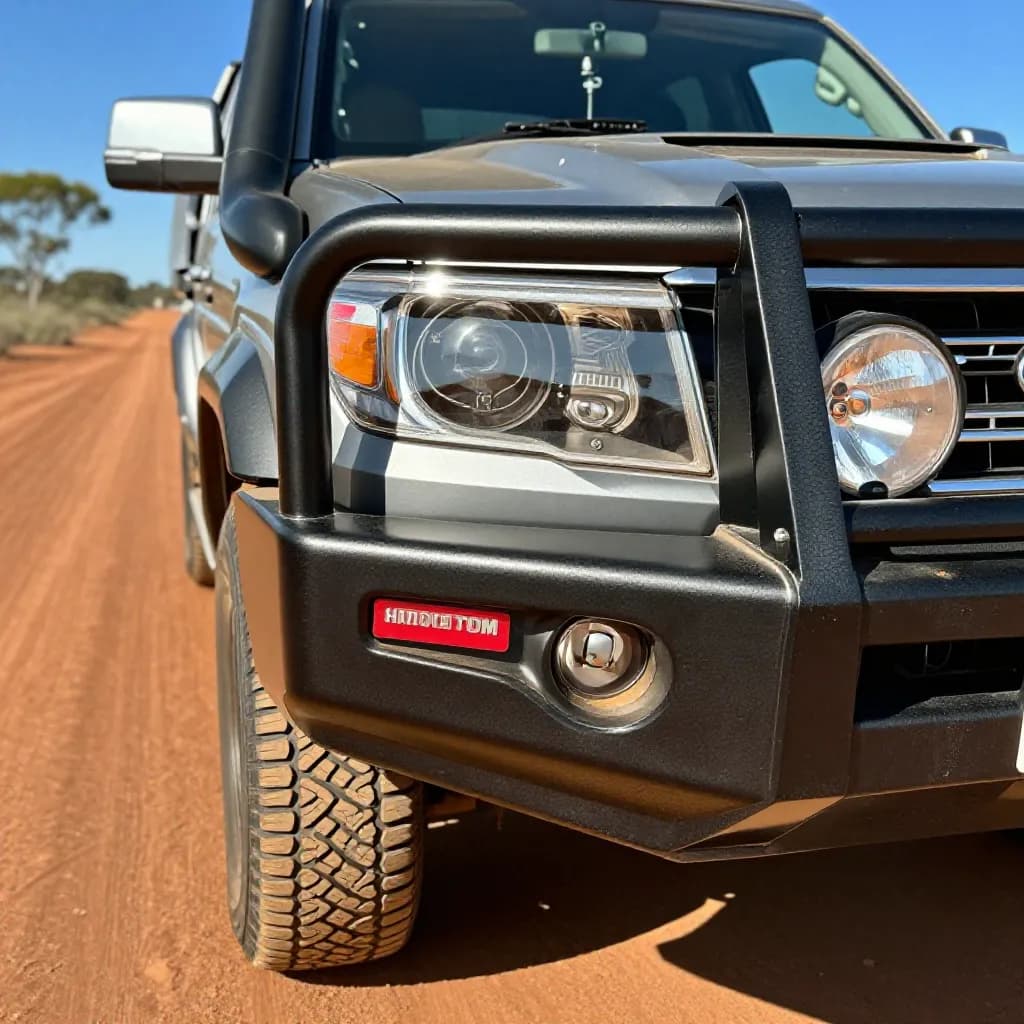
Factory coatings on aftermarket bull bars range from excellent to barely adequate. Premium brands typically apply a multi-stage e-coat and powder coat process that provides solid protection. Budget bars, however, often arrive with thin, poorly adhered coatings that chip at the first stone impact and begin rusting within months. Even quality factory finishes can be damaged during shipping, installation, or the first off-road trip, leaving bare metal exposed to the elements.
Ready to Start Your Project?
From one-off customs to 15,000-part production runs — get precise pricing in 24 hours.
On This Page
The Role of Bull Bars and Why Coating Matters
Powder coating or recoating a bull bar provides a thick, uniform, and chemically bonded finish that outperforms most factory applications. At 60-120 microns, a quality powder coat creates a substantial barrier against stone chips, branch scratches, and the constant bombardment of road debris that front-mounted bars endure. For vehicle owners who want their bull bar to look as good in five years as it does on day one, professional powder coating is the clear choice.
Steel vs Stainless Steel Bull Bar Preparation
Bull bars are manufactured from either mild steel or stainless steel, and the preparation requirements differ significantly between the two materials. Getting the prep right is the single most important factor in achieving a durable, long-lasting finish.
Mild steel bull bars are the most common and the easiest to prepare for powder coating. The existing coating is stripped by abrasive blasting with aluminum oxide or steel grit, which simultaneously removes any rust and creates an ideal surface profile for powder adhesion. After blasting, an iron phosphate or zinc phosphate conversion coating is applied to enhance corrosion resistance. For bars that will see heavy off-road use or salt exposure, a zinc-rich epoxy primer beneath the polyester topcoat provides an additional layer of galvanic corrosion protection.
Stainless steel bull bars, typically made from 304 or 316 grade austenitic stainless, present a unique challenge. The chromium oxide passive layer that gives stainless steel its corrosion resistance also makes it difficult for coatings to adhere. Standard pretreatment chemicals designed for mild steel are ineffective on stainless. The solution is aggressive mechanical preparation using angular abrasive media at sufficient pressure to create a deep surface profile, followed by immediate coating before the passive layer reforms. Some coaters use specialized stainless steel primers that chemically bond to the chromium oxide layer.
Polished stainless bull bars that are being coated for the first time require thorough degreasing and scuffing to remove the mirror finish. The smooth, polished surface provides almost no mechanical key for the powder, so creating a rough profile through blasting or heavy sanding is essential.
Stone Chip and Impact Resistance
Stone chip resistance is arguably the most important performance characteristic for a bull bar coating. The bar sits at the leading edge of the vehicle, directly in the path of every stone, gravel piece, and road debris kicked up by oncoming traffic or the road surface itself. A coating that chips easily will quickly look terrible and expose the underlying metal to corrosion.
Powder coating inherently outperforms liquid paint for stone chip resistance due to its greater film thickness and the thermoset cross-linked molecular structure that forms during curing. A cured polyester powder coat at 80-100 microns is significantly more resistant to impact damage than a 25-40 micron liquid paint film. The thicker coating absorbs more impact energy before fracturing, and the cross-linked polymer network distributes stress across a wider area.
For maximum stone chip protection, consider a two-coat system with an epoxy primer and a polyester topcoat. The epoxy primer provides excellent adhesion and impact absorption, while the polyester topcoat delivers UV resistance and color stability. This combination is standard in heavy-duty industrial applications and translates perfectly to bull bar coating. The total film build of 120-160 microns across both layers creates a remarkably tough barrier.
Textured finishes also contribute to stone chip performance. The irregular surface of a textured or wrinkle finish deflects and distributes impact energy differently than a smooth surface, and small chips are far less visible against the textured background. This is one reason textured black has become the default finish for off-road bull bars — it combines maximum durability with minimum visible wear.
Textured Black and Popular Finish Options
Textured black dominates the bull bar market for practical and aesthetic reasons. The texture hides trail rash, stone chips, and minor scratches that would be immediately visible on a smooth gloss finish. The dark color does not show dirt and dust as readily as lighter shades, and the matte or semi-gloss texture reduces sun glare that could distract the driver. It also pairs well with virtually any vehicle color.
Beyond textured black, several other finishes are popular for bull bars. Satin black provides a smoother, more refined look while still being practical for daily use. Gunmetal grey and dark bronze offer subtle alternatives to black that can complement specific vehicle colors. For vehicles with a coordinated build theme, matching the bull bar to the wheel color or other accessories creates a cohesive appearance.
Hammer-tone finishes create a distinctive dimpled texture that is both visually interesting and highly durable. The deep texture pattern is particularly effective at hiding damage and provides a unique look that sets the vehicle apart. Hammer-tone is available in black, silver, grey, copper, and other metallic shades.
For show vehicles or premium builds, smooth gloss finishes in custom colors can make a bull bar a visual statement. Candy colors, metallics, and color-shift powders are all available, though these finishes require more careful surface preparation and are less forgiving of trail damage. Some builders opt for a clear coat over a metallic base for added depth and protection.
Body-color matching is another option, particularly for vehicles where the bull bar should integrate seamlessly with the factory paint. A skilled powder coater can match any vehicle color using RAL codes, paint codes, or physical samples, creating a factory-integrated look.
Coating Around Lights, Sensors, and Mounting Points
Modern bull bars are more than simple steel tubes. They incorporate mounting provisions for driving lights, LED light bars, antennas, UHF radios, and increasingly, sensors for parking assist and adaptive cruise control systems. These integration points require careful masking and planning during the coating process.
Light mounting holes and brackets should be masked if precise fitment is required. Powder coating adds 50-100 microns to each surface, which can make tight-tolerance mounting holes too small for light bar clamps or bolt-through fixtures. Either mask these areas before coating or ream the holes to size after curing. For bars with integrated light housings, the housings should be removed before coating and reinstalled afterward.
Sensor mounting locations for parking sensors, radar units, or camera brackets require particular attention. These sensors often rely on precise positioning and unobstructed signal paths. Coating buildup on sensor mounting surfaces can affect alignment, and metallic powder particles near radar sensors could potentially interfere with signal transmission. Mask sensor mounting areas completely and verify sensor function after reinstallation.
Air bag compatibility is a critical safety consideration for bull bars on modern vehicles. Many bull bars are designed to work with the vehicle's supplemental restraint system, and the mounting points are engineered to specific crush and deflection characteristics. Powder coating does not affect these characteristics, but any modification to mounting hardware or bracket geometry during the coating process could compromise air bag deployment timing. Follow the bar manufacturer's installation instructions exactly when reinstalling a coated bar.
Corrosion Protection for Coastal and Tropical Environments
Vehicles operating in coastal areas face an accelerated corrosion challenge from airborne salt. Salt spray deposits on the bull bar surface and, if the coating is compromised by stone chips or scratches, initiates rapid corrosion at the exposed metal. Tropical environments add high humidity and temperature cycling that further accelerate the corrosion process.
For coastal and tropical applications, a multi-layer coating system provides the best protection. Start with thorough blasting to white metal, followed by a zinc phosphate conversion coating. Apply a zinc-rich epoxy primer at 50-80 microns, then a super-durable polyester topcoat at 60-80 microns. This system provides both barrier protection from the topcoat and galvanic protection from the zinc primer, meaning that even if the topcoat is chipped, the zinc layer sacrificially protects the steel substrate.
Edge coverage is particularly important for coastal applications. Powder coating naturally builds thicker on flat surfaces and thinner on sharp edges due to the Faraday cage effect and electrostatic repulsion at edges. Bull bars have numerous edges on mounting brackets, gussets, and tube ends where the coating may be thinner. Applying powder at slightly higher film builds and using edge-optimized powder formulations helps ensure adequate coverage at these vulnerable points.
Regular maintenance is essential in salt environments regardless of coating quality. Rinsing the bull bar with fresh water after beach driving or coastal exposure removes salt deposits before they can attack the coating. Inspect the coating monthly for chips or scratches and touch up any damage promptly with a zinc-rich primer and matching touch-up paint.
Reinstallation and Post-Coating Considerations
After powder coating, reinstalling the bull bar requires attention to several details that affect both the finish longevity and the bar's functional performance. Rushing the reinstallation can damage the fresh coating or create problems that only become apparent later.
Allow the coated bar to cool completely before handling. Powder coat reaches full hardness within 24-48 hours after curing, so the coating is slightly softer immediately after leaving the oven. Handling the bar with clean gloves during this period prevents fingerprints and marks from being permanently embedded in the surface.
Mounting bolt holes may need to be cleaned or reamed to remove powder buildup. Use a drill bit or round file slightly larger than the bolt diameter to clear the holes without damaging the surrounding coating. Apply anti-seize compound to mounting bolts to prevent galvanic corrosion between dissimilar metals and to facilitate future removal.
Where the bull bar contacts the vehicle's chassis or mounting brackets, the coating will be compressed and may crack under clamping force. This is normal and expected. The compressed area is sealed between the bar and the vehicle, so corrosion risk is minimal. However, applying a thin bead of seam sealer or body caulk at the interface prevents moisture from wicking into the joint.
Reconnect any electrical components such as driving lights, indicators, or fog lights, and verify their operation before driving. Check that all fasteners are torqued to the manufacturer's specifications and that the bar sits squarely on the vehicle without gaps or misalignment. A final inspection of the coating for any handling damage during installation allows immediate touch-up before the vehicle returns to service.
Frequently Asked Questions
Is textured black the best finish for a bull bar?
Textured black is the most popular and practical choice for bull bars used off-road or in harsh conditions. The texture hides stone chips and scratches, the dark color conceals dirt, and the matte surface reduces glare. For show vehicles or urban use, smooth satin or gloss finishes in custom colors are also excellent options.
Can you powder coat a stainless steel bull bar?
Yes, but stainless steel requires aggressive surface preparation to overcome its passive chromium oxide layer. Angular abrasive blasting at sufficient pressure creates the mechanical profile needed for adhesion. Coating must be applied immediately after blasting before the passive layer reforms. Specialized stainless primers can also improve adhesion.
Will powder coating protect my bull bar from stone chips?
Powder coating provides significantly better stone chip resistance than liquid paint due to its greater thickness and cross-linked molecular structure. A two-coat system with epoxy primer and polyester topcoat at 120-160 microns total offers maximum protection. No coating is completely immune to stone chips, but powder coating is the most durable option available.
Do I need to remove driving lights before powder coating a bull bar?
Yes. All lights, wiring, sensors, plastic components, and rubber grommets must be removed before coating. These components cannot survive the blast preparation or the 190-200 degree Celsius cure temperature. Mounting holes should be masked or reamed after coating to ensure proper fitment during reinstallation.
How do I maintain a powder-coated bull bar in a coastal area?
Rinse the bar with fresh water after any salt exposure. Inspect the coating monthly for chips or scratches and touch up damage promptly with zinc-rich primer and matching paint. A multi-layer coating system with zinc-rich epoxy primer beneath the topcoat provides the best long-term protection in salt environments.
Ready to Start Your Project?
From one-off customs to 15,000-part production runs — get precise pricing in 24 hours.