Jeep owners put their vehicles through conditions that would destroy most finishes in short order. Rock crawling, mud bogging, river crossings, and trail riding subject every exterior component to impacts, abrasion, moisture, and UV exposure that far exceed normal driving conditions. Powder coating has become the finish of choice for the Jeep community because it delivers the toughness these conditions demand while offering the customization options that make each build unique.
Automotive
Powder Coating for Jeep Parts: Roll Cages, Bumpers, Skid Plates, and Fender Flares
Sundial Powder Coating·April 22, 2026·10 min
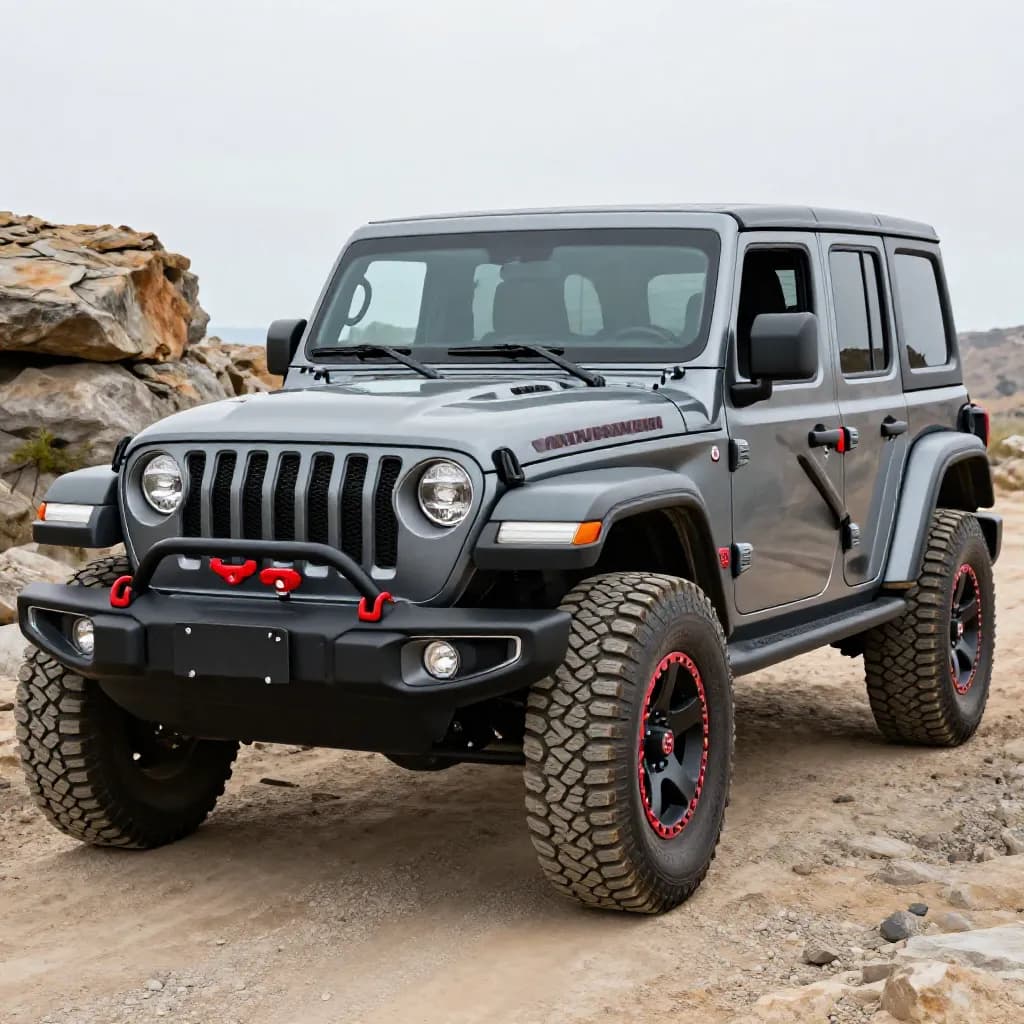
The Jeep aftermarket is enormous, and most of the major bumper, cage, and armor manufacturers either offer powder coating as a standard finish or recommend it as the best coating option for their products. The reason is simple — powder coating's combination of film thickness, adhesion, and chemical resistance outperforms liquid paint, bedliner spray, and plasti-dip in virtually every measurable category. A properly powder-coated Jeep part maintains its appearance and protection through years of hard off-road use.
Ready to Start Your Project?
From one-off customs to 15,000-part production runs — get precise pricing in 24 hours.
On This Page
Why Jeep Owners Choose Powder Coating
Beyond durability, powder coating gives Jeep owners the ability to create a cohesive visual theme across all their accessories. Matching the bumpers, rock sliders, cage, and fender flares in the same color and texture creates a unified, professional appearance that sets a built Jeep apart from one with mismatched finishes. Whether the goal is a murdered-out black build, a military-themed rig, or a bright and bold trail machine, powder coating makes it possible.
Roll Cages and Sport Bars: Safety Meets Style
Roll cages and sport bars are among the most visible and structurally important components on a Jeep, and powder coating is the ideal finish for these critical safety items. Internal and external roll cages are typically fabricated from DOM (drawn over mandrel) steel tubing or chromoly steel, both of which are excellent substrates for powder coating. The coating protects the cage from corrosion while providing a finished appearance that complements the vehicle's interior or exterior.
Preparation of roll cage tubing requires thorough abrasive blasting to remove mill scale and create a proper surface profile. Weld joints deserve particular attention — all welds should be ground smooth and inspected for porosity before coating. Pinholes in welds will outgas during curing and create bubbles in the finish. For cages with multiple bends and joints, the coater must ensure complete powder coverage in tight corners and intersections where electrostatic shielding can cause thin spots.
Color choice for roll cages often depends on whether the cage is interior or exterior. Interior cages are frequently coated in black, charcoal, or a color that matches the vehicle's interior trim. Exterior sport bars and cages may be color-matched to the body or finished in a contrasting color for visual impact. Textured finishes are popular for cages because they provide a non-slip grip surface and hide the minor scuffs and scratches that occur during entry and exit from the vehicle. A satin or semi-gloss finish offers a clean look without the fingerprint-showing tendencies of high gloss.
Bumpers: Front and Rear Protection
Jeep bumpers are the first line of defense on the trail, and they take hits from rocks, stumps, and other obstacles on a regular basis. Front bumpers with integrated winch mounts, D-ring tabs, and light bar provisions are complex fabrications with numerous weld joints, bends, and mounting surfaces that all need proper coating coverage. Rear bumpers with tire carrier swing-outs and hitch receivers add even more complexity to the coating process.
The most critical preparation step for Jeep bumpers is ensuring all weld seams are properly sealed and ground. Open weld seams can trap moisture beneath the coating, leading to corrosion that works its way outward and eventually causes the coating to blister and peel. All mounting surfaces that contact the frame should be masked to ensure proper metal-to-metal contact for structural integrity and electrical grounding.
For bumpers that will see serious off-road use, a two-coat system provides the best protection. An epoxy primer coat bonds directly to the prepared steel surface and provides excellent corrosion resistance and adhesion. A polyester or polyester-TGIC topcoat provides UV resistance, color, and the exterior durability needed to withstand sun, rain, and trail abuse. This primer-plus-topcoat approach is more labor-intensive than a single coat but delivers significantly better long-term performance on components that are constantly exposed to impacts and the elements.
Skid Plates and Underbody Armor
Skid plates and underbody armor protect the Jeep's most vulnerable mechanical components — the oil pan, transmission, transfer case, and fuel tank — from rock strikes and trail debris. These components operate in the harshest environment on the vehicle, constantly exposed to impacts, abrasion from dragging over rocks, water immersion during crossings, and road salt during winter driving. Powder coating provides the tough, resilient finish these components need.
Steel skid plates are typically fabricated from 3/16 to 1/4 inch plate steel, which provides excellent substrate thickness for powder coating. The challenge with skid plates is that they are designed to take hits, and any coating will eventually be damaged by direct rock contact. The goal of powder coating on skid plates is not to create a permanent, unblemished finish but rather to provide corrosion protection that extends the life of the steel and maintains protection even after surface damage occurs.
For skid plates, a thick application of 80 to 100 microns in a tough, flexible polyester powder provides the best balance of impact resistance and corrosion protection. Textured finishes are strongly recommended because they disguise the inevitable scratches and scuffs from trail contact. Some Jeep owners opt for a sacrificial approach, applying a standard powder coat knowing it will get scratched, and then touching up or recoating as needed. Others apply a bedliner-style textured coating over the powder coat for additional abrasion resistance on the most exposed surfaces.
Fender Flares and Body Armor
Metal fender flares, corner guards, rocker guards, and body armor panels are highly visible components that serve both protective and aesthetic functions. These parts frame the wheel wells, protect the body panels from trail damage, and define the visual character of the Jeep. Powder coating these components allows owners to match or contrast them with the vehicle's body color for a custom, finished appearance.
Steel and aluminum fender flares each require appropriate preparation. Steel flares should be blasted and treated with iron phosphate or zinc phosphate conversion coating. Aluminum flares need a chromate-free conversion coating designed for aluminum alloys. Both materials accept powder coating well, but aluminum flares require careful temperature management during curing to avoid warping, particularly on thinner gauge material.
The finish choice for fender flares often differs from bumpers and armor. While bumpers and skid plates favor heavy textures for practicality, fender flares are more visible and may benefit from a finer texture or even a smooth satin finish that complements the vehicle's body paint. Color matching fender flares to the body color creates a factory-integrated look, while contrasting colors — black flares on a colored body, for example — create the rugged, aggressive appearance that many Jeep owners prefer. Clear coat over a metallic base can add depth and visual interest to flares that serve as a design accent.
Smaller Components: Brackets, Hinges, and Hardware
Beyond the major bolt-on accessories, Jeep builds involve dozens of smaller components that benefit from powder coating. Hood hinges, door hinges, mirror brackets, antenna mounts, grab handles, and various mounting brackets are all candidates for powder coating. Coating these smaller items in a matching color and finish ties the entire build together and prevents the mismatched appearance of bare steel, zinc plating, and painted parts scattered across the vehicle.
Small parts are typically batch-coated on racks or hung from hooks, making them efficient to process alongside larger components. The main consideration with small hardware is masking threaded holes and mating surfaces to ensure proper fit during reassembly. Bolts and fasteners can be powder coated, but the coating adds thickness to the threads, so they may need to be chased with a die after coating to ensure proper thread engagement.
Hinge pins and pivot points should generally not be coated, as the powder will wear through quickly at contact points and create debris that can interfere with smooth operation. Instead, mask these surfaces and apply a light coat of anti-seize or lubricant after coating. Spring mounts, shock mount tabs, and other high-stress attachment points should be masked on their mating surfaces to maintain proper metal-to-metal contact and prevent the coating from compressing under load and loosening fasteners over time.
Choosing the Right Powder for Off-Road Jeep Parts
Not all powder coatings are created equal, and selecting the right formulation for Jeep parts makes a significant difference in long-term performance. For exterior components exposed to UV radiation, a polyester or super-durable polyester powder is essential. Standard polyester powders offer good UV resistance for three to five years, while super-durable formulations extend that to seven to ten years before noticeable chalking or fading occurs.
Epoxy powders should be avoided as a single-coat exterior finish because they chalk and degrade rapidly under UV exposure. However, epoxy makes an excellent primer coat beneath a polyester topcoat, providing superior adhesion and corrosion resistance at the substrate interface. This two-coat approach is the gold standard for Jeep parts that need maximum durability.
For components that will be submerged in water during river crossings or exposed to standing water and mud for extended periods, corrosion resistance is the primary concern. A zinc-rich epoxy primer provides cathodic protection similar to galvanizing, actively protecting the steel even if the topcoat is damaged. This is particularly valuable for underbody components, frame-mounted brackets, and any parts that sit in the splash zone where water and debris constantly contact the surface. The combination of zinc-rich primer and super-durable polyester topcoat represents the highest level of protection available through powder coating.
Installation Tips After Powder Coating
Installing powder-coated parts on a Jeep requires some care to protect the new finish and ensure proper fit. Use painter's tape or protective film on coated surfaces during installation to prevent scratches from tools, fasteners, and adjacent components. Stainless steel hardware is recommended for mounting powder-coated parts, as it resists corrosion and eliminates the galvanic corrosion risk that can occur when dissimilar metals are in contact.
All threaded holes should be checked and chased after coating to ensure bolts thread in smoothly. Forcing a bolt into a coated hole can strip the threads or crack the coating around the hole, creating a corrosion entry point. Use a thread chaser or tap of the correct size to clean the threads before assembly. Apply anti-seize compound to all fasteners to prevent galling and ensure accurate torque values.
For parts that mount directly to the frame or body, consider applying a thin layer of body seam sealer or rubberized undercoating between the coated part and the mounting surface. This prevents water from wicking between the mating surfaces and causing crevice corrosion, which is one of the most common failure modes for mounted accessories. The sealer also dampens vibration and prevents the coated surfaces from fretting against each other, which can wear through the coating at contact points over time.
Frequently Asked Questions
Can you powder coat a Jeep roll cage while it is installed?
No. Roll cages must be removed from the vehicle for powder coating because the curing process requires oven temperatures of 180 to 200 degrees Celsius. The vehicle's interior, wiring, and other components cannot withstand these temperatures. The cage must be disassembled, coated, and then reinstalled.
What finish is best for Jeep skid plates?
A textured black polyester powder coating in a wrinkle or sand texture is the most practical choice for skid plates. The texture hides the inevitable scratches from rock contact, and the polyester chemistry provides good flexibility and impact resistance. A thick application of 80 to 100 microns maximizes protection.
Will powder coating crack when a bumper takes a hit?
Quality polyester powder coatings have enough flexibility to absorb moderate impacts without cracking. Severe impacts that dent or deform the metal may crack the coating at the point of deformation, but the surrounding coating remains intact. Textured finishes are more forgiving of impact damage than smooth gloss finishes.
Can aluminum Jeep parts be powder coated?
Yes. Aluminum parts like fender flares, brackets, and lightweight bumpers can be powder coated with proper preparation. Aluminum requires a chromate-free conversion coating and careful temperature management during curing. The results are excellent and provide long-lasting corrosion protection and color.
How do I touch up powder coating damage on trail parts?
Small chips and scratches can be touched up with matching automotive touch-up paint or a two-part epoxy paint. Clean the damaged area, apply a rust inhibitor if bare steel is exposed, and then apply the touch-up paint. For extensive damage, the part can be stripped and recoated by a powder coating shop.
Ready to Start Your Project?
From one-off customs to 15,000-part production runs — get precise pricing in 24 hours.