Harley-Davidson motorcycles occupy a unique position in the powder coating world. The brand's culture of customization, restoration, and personal expression has made powder coating one of the most popular finishing methods for Harley owners and builders. From ground-up custom builds to factory restoration projects, powder coating provides the durability, color range, and finish quality that Harley enthusiasts demand.
Automotive
Powder Coating for Harley-Davidson: Frames, Engine Parts, Custom Builds, and Heritage Colors
Sundial Powder Coating·April 22, 2026·14 min
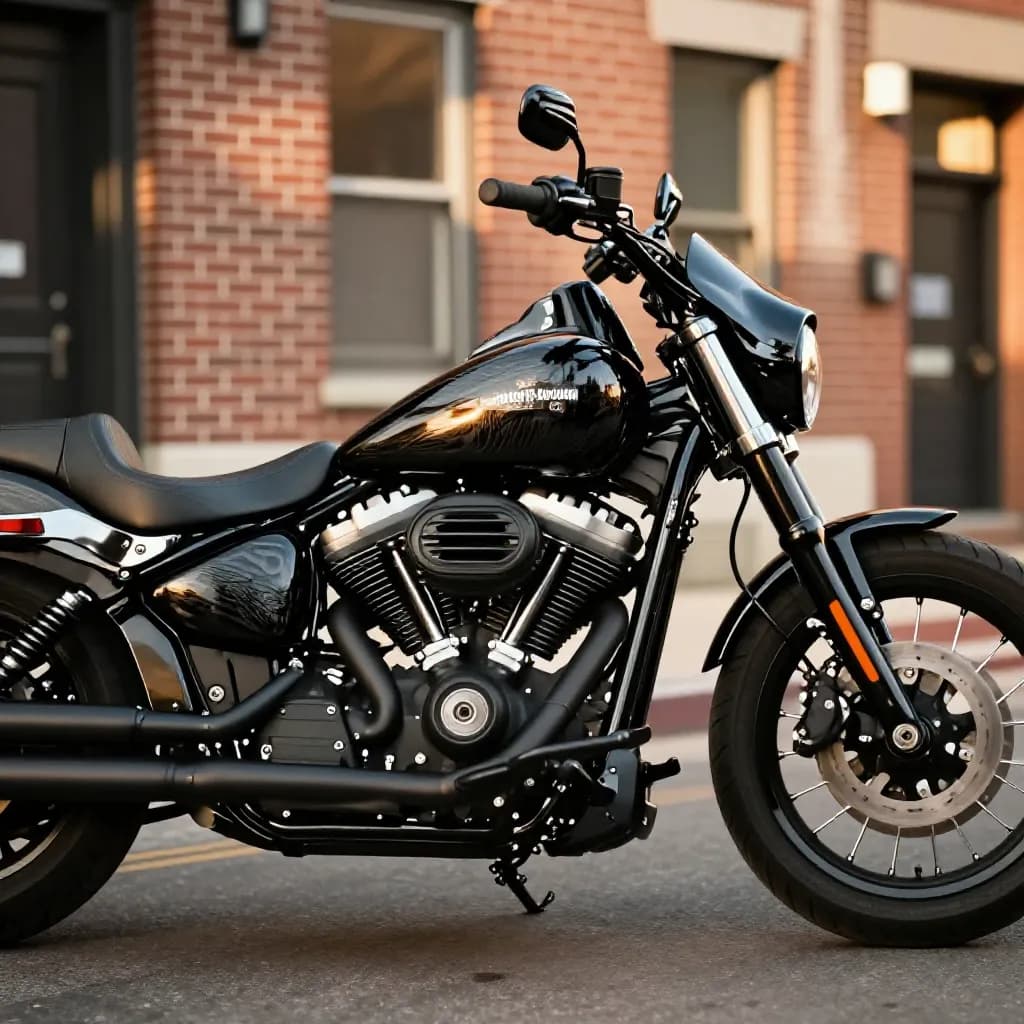
The Harley-Davidson community's embrace of powder coating is driven by practical and aesthetic factors. Practically, powder coating provides superior durability compared to liquid paint for components exposed to engine heat, road debris, chain lubricant, and the elements. A powder-coated frame or engine component will resist chipping, scratching, and corrosion far better than a liquid-painted equivalent, which matters for motorcycles that are ridden hard and exposed to weather.
Ready to Start Your Project?
From one-off customs to 15,000-part production runs — get precise pricing in 24 hours.
On This Page
Powder Coating in Harley-Davidson Culture
Aesthetically, powder coating offers Harley builders a vast palette of colors and effects that enable truly individual machines. From classic Harley heritage colors to contemporary custom finishes, from subtle satin blacks to dramatic candy metallics, powder coating technology can achieve virtually any visual effect a builder envisions. The consistency and repeatability of powder coating also means that multiple components can be finished to identical standards, creating a cohesive visual package across the entire motorcycle.
The restoration market is another major driver of Harley powder coating demand. Vintage Harley-Davidsons from the Panhead, Shovelhead, and early Evolution eras are actively restored by collectors and enthusiasts who need period-correct finishes on frames, swingarms, and other structural components. Powder coating can replicate the original factory finishes while providing modern durability that exceeds the original coating systems.
Frame and Chassis Powder Coating
The frame is the most common Harley-Davidson component sent for powder coating, and it is also one of the most demanding applications due to the frame's size, complex geometry, and the critical importance of proper preparation. A well-executed frame powder coating job transforms the appearance of the entire motorcycle and provides decades of corrosion protection.
Harley-Davidson frames are constructed from mild steel tubing, which is an ideal substrate for powder coating. Steel provides excellent adhesion for powder coatings and responds well to standard pretreatment processes. However, Harley frames often present challenges including weld spatter, grinding marks, factory primer residue, and years of accumulated grease, oil, and road grime that must be thoroughly removed before coating.
Preparation begins with complete disassembly — every bracket, mount, bushing, and bearing must be removed from the frame. The bare frame is then chemically stripped or media blasted to remove all existing coatings and surface contamination. Media blasting with aluminum oxide at moderate pressure creates an ideal surface profile for powder adhesion without distorting the thin-wall tubing used in motorcycle frames.
After blasting, the frame should be treated with an iron phosphate or zinc phosphate conversion coating to promote adhesion and provide under-film corrosion resistance. This pretreatment step is often skipped by less experienced shops but is critical for long-term coating performance, particularly on motorcycles that will be exposed to rain, road salt, and humidity.
Masking is essential for frame powder coating. Steering head bearings races, swingarm pivot bores, engine mount surfaces, and any threaded holes must be masked to maintain proper fitment during reassembly. High-temperature masking plugs and tape are used for these applications, and the masking must be verified before the frame enters the spray booth.
Gloss black is the most commonly requested frame color for Harley-Davidsons, followed by satin black, wrinkle black, and various custom colors. Wrinkle black — a textured finish that replicates the appearance of vintage factory frame coatings — is particularly popular for restoration projects and traditional custom builds.
Engine and Powertrain Components
Powder coating Harley-Davidson engine and powertrain components requires careful consideration of operating temperatures, chemical exposure, and the specific requirements of each component. Not all engine components are suitable for standard powder coating, and selecting the right product for each application is essential for long-term performance.
Engine covers — including primary covers, cam covers, rocker boxes, and timing covers — are among the most popular engine components for powder coating. These components operate at moderate temperatures (typically below 150 degrees Celsius) and are excellent candidates for standard polyester or hybrid powder coatings. Satin black, gloss black, and wrinkle black are the most common finishes, though some builders choose contrasting colors or metallic effects to create visual interest in the engine area.
Cylinder heads and cylinders operate at significantly higher temperatures and require high-temperature powder coatings. Ceramic-modified or silicone-based formulations rated for sustained temperatures of 300-500 degrees Celsius are necessary for these components. Standard powder coatings will discolor, crack, and eventually fail on high-temperature engine surfaces.
Exhaust components — headers, heat shields, and muffler bodies — experience the highest temperatures in the powertrain and require specialized high-temperature coatings rated for 500-600 degrees Celsius or higher. These coatings are typically silicone-based and available in a limited color range, with satin black and silver being the most common options. Ceramic thermal barrier coatings are an alternative for exhaust headers that can reduce radiated heat while providing a durable finish.
Transmission cases, inner primary housings, and oil tanks operate at moderate temperatures and are suitable for standard powder coating. These components should be thoroughly cleaned and degreased before blasting, as years of oil and grease contamination can be difficult to remove completely. Any residual oil in the casting pores will cause outgassing defects during curing.
All engine components must be carefully masked to protect machined surfaces, gasket faces, bearing bores, and threaded holes. Powder coating on these surfaces will interfere with proper assembly and sealing. Experienced motorcycle powder coating shops understand which surfaces must be masked and use precision masking techniques to maintain critical dimensions.
Heritage Colors and Period-Correct Finishes
Restoring a vintage Harley-Davidson to its original factory appearance requires accurate reproduction of the period-correct colors and finishes used during the motorcycle's production year. Harley-Davidson has used a wide range of frame, engine, and component colors throughout its history, and matching these colors in powder coating format requires research and skilled color matching.
Harley-Davidson's classic frame colors have evolved over the decades. Early models through the 1960s typically featured gloss black frames. The 1970s Shovelhead era introduced silver and grey frame colors on some models. The 1980s and 1990s saw a mix of gloss black, silver, and model-specific colors. Modern Harley frames are typically finished in gloss or satin black, with some models featuring vivid black (a deep, rich black with subtle blue undertones).
Engine finish colors are equally important for period-correct restorations. The classic Harley engine finish is a silver-grey wrinkle texture that was used on Panhead, Shovelhead, and early Evolution engines. This distinctive wrinkle finish can be replicated in powder coating using textured silver formulations, though matching the exact texture and color of the original factory finish requires careful product selection and application technique.
Black wrinkle finish was used on various engine components throughout Harley's history, including rocker boxes, primary covers, and transmission cases. The texture and gloss level of the factory wrinkle finish varied between production years and models, so restoration-focused builders should reference original components or factory documentation when specifying the wrinkle finish for their project.
For custom builds that reference Harley heritage without strict period accuracy, classic Harley paint colors can be adapted to powder coating. Colors like Birch White, Hi-Fi Blue, Sparkling Burgundy, and other iconic Harley colors from the 1950s through 1970s can be matched in powder format for frames, tins, and accessories. These heritage-inspired custom builds combine vintage aesthetics with modern coating durability.
When matching heritage colors, provide the powder coating shop with the Harley-Davidson paint code if known, or ideally a physical sample from an original component. Harley-Davidson paint codes can be found in factory service manuals, parts catalogs, and online Harley-Davidson heritage resources. Color matching from photographs is unreliable due to variations in photography, screen calibration, and the aging of original finishes.
Chrome Alternatives: Powder Coating as a Replacement
Chrome plating has been a defining aesthetic element of Harley-Davidson motorcycles for decades, but many builders are now choosing powder coating as an alternative to chrome for practical, aesthetic, and environmental reasons. Understanding the differences between chrome and powder coating helps builders make informed decisions about which finish is appropriate for each component.
Chrome plating provides a mirror-like reflective finish that powder coating cannot perfectly replicate. However, powder coating offers several advantages over chrome: it is available in virtually any color, it does not pit or peel the way chrome can in corrosive environments, it is more resistant to stone chips and mechanical damage, and it is significantly more environmentally friendly than the hexavalent chromium plating process.
For builders seeking a chrome-like appearance in powder coating, several options are available. Super-chrome and mirror-chrome powder coatings use vacuum metallization or specialized aluminum flake pigments to create highly reflective finishes that approach the appearance of chrome plating. These finishes are not identical to chrome — they lack the absolute mirror reflectivity of electroplated chrome — but they provide an attractive, durable alternative that many builders find acceptable.
Satin and brushed nickel effects in powder coating provide a more subtle metallic finish that references chrome without attempting to replicate it. These finishes are popular for builders who want a metallic accent without the high-maintenance requirements of chrome plating. Satin nickel powder coating is particularly effective on engine covers, brackets, and hardware where a refined metallic finish complements the overall build aesthetic.
Gloss black and satin black powder coating have become the most popular chrome alternatives for Harley builders pursuing the blacked-out custom aesthetic. Replacing chrome with black powder coating on handlebars, risers, forward controls, engine guards, and exhaust components creates a dramatic, cohesive look that has become a defining style in contemporary Harley customization.
When converting chrome components to powder coating, the chrome plating must be completely removed before powder application. Chrome is too smooth for powder adhesion and must be stripped through chemical or electrochemical processes. The underlying nickel and copper plating layers are then blasted to create a suitable surface profile for powder coating.
Custom Build Applications and Special Finishes
Custom Harley-Davidson builds represent the most creative applications of powder coating technology, with builders using advanced finishes and techniques to create one-of-a-kind motorcycles. The powder coating industry has responded to the custom motorcycle market with an expanding range of special-effect products that enable increasingly sophisticated finish designs.
Candy and transparent powder coatings create deep, luminous color effects by applying a tinted transparent coat over a metallic or chrome base coat. This two-coat process produces the rich, jewel-like colors — candy apple red, candy blue, candy gold — that are iconic in custom motorcycle culture. The depth and intensity of candy finishes in powder coating now rival traditional liquid candy paint, making powder a viable alternative for show-quality custom builds.
Dormant and color-shifting powder coatings change color depending on viewing angle and lighting conditions. These chameleon-effect finishes use interference pigments that reflect different wavelengths of light at different angles, creating a dynamic, ever-changing appearance. While these effects are dramatic, they require skilled application to achieve consistent results across large components.
Texture combinations — using different textures on different components of the same motorcycle — create visual contrast and tactile interest. A common approach is wrinkle-textured engine components paired with smooth-gloss frame and bodywork, creating a deliberate contrast between the mechanical and structural elements of the motorcycle.
Cerakote and other ceramic-based coatings are sometimes used alongside powder coating on custom Harley builds. Cerakote excels on small, detailed components and firearms-style applications, while powder coating is better suited for larger structural components. Some builders use Cerakote for engine internals and small hardware while powder coating the frame, swingarm, and larger engine covers.
For show-quality builds, the preparation and application standards must be elevated beyond typical production work. Every surface imperfection, weld mark, and grinding scratch must be addressed before coating. Multiple coats with intermediate sanding may be required to achieve the flawless surface that show judges and discerning builders expect.
Preparation Specifics for Harley Components
Harley-Davidson components present specific preparation challenges that experienced motorcycle powder coating shops understand and address. The age, condition, and material composition of Harley parts vary widely, and the preparation process must be adapted to each component's specific requirements.
Cast aluminum components — including engine cases, covers, and wheel hubs — are prone to outgassing during the curing process. The porous structure of cast aluminum traps moisture, oils, and gases that escape when the component is heated to curing temperature, creating pinholes and bubbles in the powder coating surface. A pre-bake cycle at curing temperature before powder application drives out trapped gases and prevents outgassing defects.
Steel frame components may have multiple layers of existing coatings — factory primer, paint, and possibly previous powder coating — that must be completely removed. Chemical stripping is effective for removing multiple coating layers without distorting thin-wall tubing. Media blasting after chemical stripping removes any remaining coating residue and creates the surface profile needed for adhesion.
Chrome-plated components require chrome removal before powder coating. The chrome, nickel, and copper plating layers must be stripped through chemical or electrochemical processes. After stripping, the base metal is blasted to create a surface profile. Some chrome-plated components may have pitting or corrosion under the plating that becomes visible after stripping — these defects should be addressed through filling and sanding before powder application.
Welded components — particularly custom-fabricated frames and brackets — may have weld spatter, undercut, porosity, or heat discoloration that affects the powder coating finish. Weld areas should be ground smooth, and any porosity should be filled before coating. The heat-affected zone around welds may have different surface characteristics than the parent metal, which can cause visible differences in the powder coating finish if not properly prepared.
Threaded holes, bearing surfaces, and gasket faces must be masked with precision. Powder coating buildup on threaded holes can prevent proper bolt engagement, while coating on bearing surfaces can cause interference fits and premature bearing failure. Experienced shops use calibrated masking plugs and tape to protect these critical surfaces while ensuring complete coating coverage on all visible areas.
Selecting a Powder Coating Shop for Harley Work
Choosing the right powder coating shop for Harley-Davidson work requires evaluating the shop's experience with motorcycle components, their understanding of Harley-specific requirements, and their ability to deliver the finish quality that the Harley community expects.
Motorcycle experience is essential. A shop that primarily coats industrial parts or architectural components may not understand the specific requirements of motorcycle work — the importance of precise masking, the need for outgassing prevention on cast components, the temperature requirements for engine parts, and the aesthetic standards expected by motorcycle builders. Ask specifically about motorcycle experience and request examples of completed Harley projects.
Color matching capability is important for restoration projects and builds requiring specific Harley heritage colors. The shop should have access to a powder coating manufacturer's color matching service or maintain their own color matching capability. Ask whether they have experience matching Harley-specific colors and whether they can provide sample panels for approval before coating production components.
Oven size matters for Harley frames. A complete Harley frame requires a curing oven with sufficient internal dimensions to accommodate the frame without contact with oven walls or heating elements. Some smaller shops may not have ovens large enough for full-size motorcycle frames. Verify oven capacity before committing to frame work.
Turnaround time varies significantly between shops. A typical Harley frame powder coating job requires 5-10 business days, including preparation, coating, and curing. Complex multi-component jobs — such as a complete engine and frame package — may require two to four weeks. Rush services may be available at additional cost, but rushing preparation work risks compromising coating quality.
The Harley-Davidson community is well-connected through forums, social media groups, and local HOG chapters. Ask for recommendations from other Harley owners in your area, and check online forums for reviews of local powder coating shops. The community's collective experience is one of the best resources for identifying shops that consistently deliver quality work on Harley components.
Frequently Asked Questions
Can you powder coat Harley-Davidson engine cases?
Yes. Engine cases, primary covers, cam covers, and rocker boxes are excellent candidates for powder coating. These components operate at moderate temperatures suitable for standard powder coatings. Cast aluminum cases should be pre-baked to prevent outgassing, and all machined surfaces and gasket faces must be carefully masked.
What finish replicates the classic Harley engine wrinkle texture?
Textured silver and textured black powder coatings can replicate the classic Harley wrinkle finish used on Panhead, Shovelhead, and early Evolution engines. The exact texture and color vary between powder products, so request sample panels to match the specific wrinkle pattern and color of the original factory finish.
Can powder coating replace chrome on a Harley-Davidson?
Yes, though the finishes are different. Powder coating cannot perfectly replicate chrome's mirror reflectivity, but super-chrome powders, satin nickel effects, and gloss or satin black provide attractive alternatives. Chrome plating must be completely stripped before powder coating for proper adhesion.
Is powder coating safe for Harley exhaust pipes?
Standard powder coatings are not suitable for exhaust pipes due to extreme operating temperatures. High-temperature coatings rated for 500-600 degrees Celsius or higher — typically silicone-based formulations — are required for exhaust components. These are available in limited colors, primarily satin black and silver.
How do I match original Harley-Davidson factory frame colors?
Provide the powder coating shop with the Harley paint code from factory service manuals or parts catalogs, or supply a physical sample from an original component. Online Harley heritage resources can help identify period-correct colors by model year. Avoid matching from photographs, as color accuracy is unreliable.
Ready to Start Your Project?
From one-off customs to 15,000-part production runs — get precise pricing in 24 hours.