Commercial gym equipment operates in an environment defined by sweat, impact, and relentless use. A busy commercial gym may see 500-1,000 members per day, each interacting with multiple pieces of equipment during their workout. Weight machines, free weight racks, benches, cable systems, and cardio equipment frames endure constant loading, gripping, and contact with perspiration-soaked skin and clothing. The finish on this equipment must withstand this punishing use cycle while maintaining the clean, professional appearance that members expect.
Commercial
Powder Coating for Gym and Commercial Fitness Equipment: Weight Machines, Racks, Benches, and Brand Colors
Sundial Powder Coating·April 22, 2026·12 min
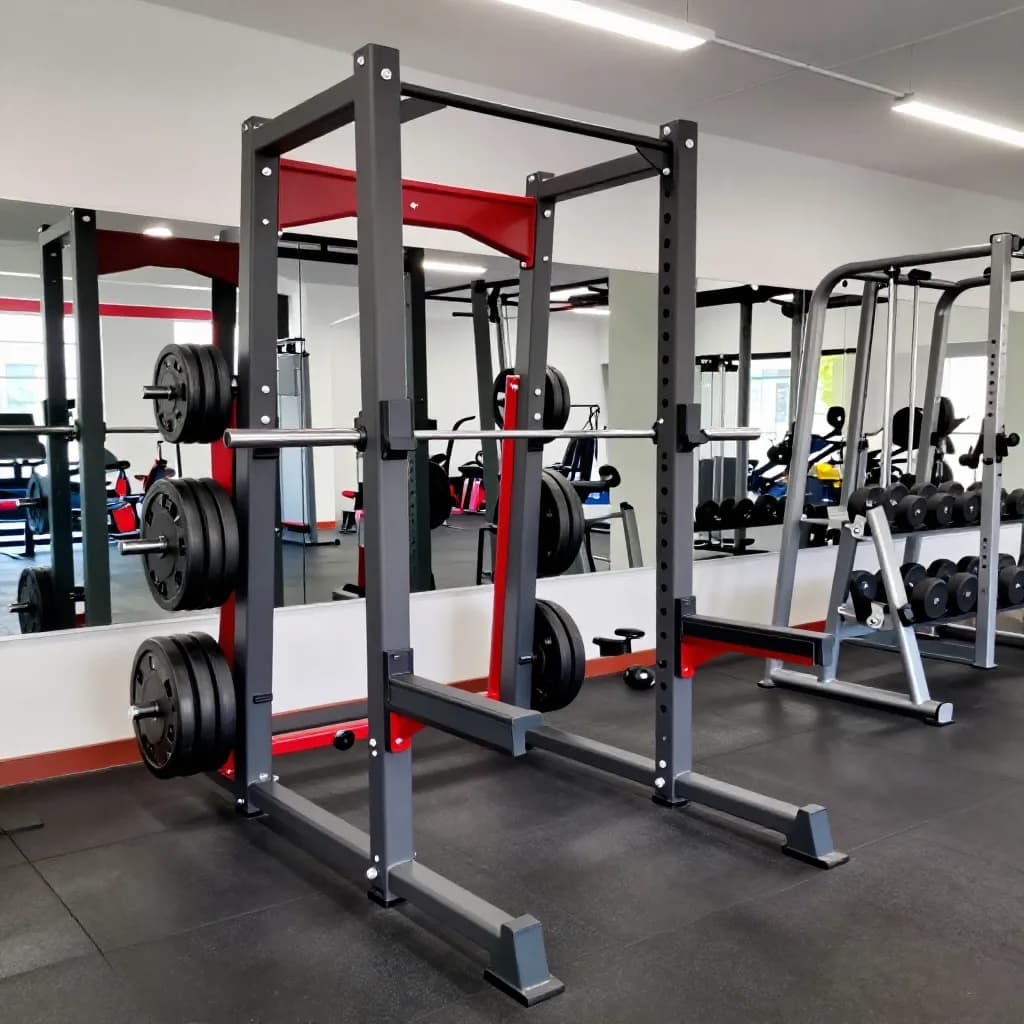
Sweat is the defining chemical challenge for gym equipment finishes. Human perspiration contains sodium chloride, urea, lactic acid, and various minerals that create a mildly corrosive solution. When sweat remains on metal surfaces — as it inevitably does between cleaning cycles in a busy gym — it initiates corrosion on unprotected substrates and can degrade poorly formulated coatings. Powder coating's non-porous surface prevents sweat penetration while its chemical resistance withstands the salt and acid content of perspiration.
Ready to Start Your Project?
From one-off customs to 15,000-part production runs — get precise pricing in 24 hours.
On This Page
Commercial Fitness Equipment Finishing Requirements
Impact resistance is equally critical. Free weights dropped on racks, weight plates loaded onto machines, and the general rough handling that gym equipment receives create impact forces that chip and crack brittle coatings. Powder coating's combination of hardness and flexibility absorbs these impacts without the catastrophic chipping that characterizes liquid paint on gym equipment, maintaining both the protective barrier and the visual appearance of the finish.
The commercial fitness industry is highly brand-conscious, with gym chains using consistent color schemes across their equipment and facilities to reinforce brand identity. Powder coating's precise color matching and batch consistency make it the standard finishing technology for branded gym equipment programs where visual uniformity across locations is essential.
Weight Machine Frames and Structural Components
Selectorized weight machines are the backbone of commercial gym equipment, with heavy steel frames that support weight stacks, guide rods, pulleys, and cable systems. These machines represent significant capital investment, and the powder coating on their frames must protect that investment through 10-15 years of commercial use. The coating must withstand the mechanical stresses of weight stack operation, the chemical exposure from sweat and cleaning products, and the aesthetic demands of a branded fitness environment.
Frame tubes on weight machines are typically constructed from heavy-gauge steel tube ranging from 50x100mm to 75x150mm rectangular sections. These large, flat surfaces are the most visible elements of the machine and must present a flawless finish that communicates quality. Powder coating at 75-100 microns on frame tubes provides the film thickness needed for both protection and visual quality, with sufficient depth to mask minor substrate imperfections that would telegraph through thinner coatings.
Weight stack guide rods require specialized coating consideration. These precision-ground steel rods must maintain tight dimensional tolerances for smooth weight stack travel, and the coating must not add significant thickness that would interfere with the guide rod's function. Thin-film powder coating at 25-40 microns or chrome plating are the typical options for guide rods, with the choice depending on the manufacturer's design requirements and cost targets.
Pulley housings, cable anchor points, and adjustment mechanism covers are smaller components that experience concentrated wear from cable contact, user adjustment, and cleaning. These components benefit from high-hardness powder coating formulations that resist the abrasion of cable movement and the repeated manipulation of adjustment mechanisms. Textured finishes on these components mask the minor scratches that accumulate over time, extending the period before the equipment appears worn.
Shrouds and decorative covers that conceal the machine's internal mechanisms serve both safety and aesthetic functions. These components are typically formed from sheet steel or aluminum and powder coated in the machine's brand color. The coating on shrouds must resist the fingerprints and hand marks from users adjusting the machine, with fingerprint-resistant formulations reducing the cleaning frequency needed to maintain a clean appearance.
Free Weight Racks and Storage Systems
Free weight racks — including dumbbell racks, plate storage trees, barbell holders, and kettlebell racks — endure the most intense impact exposure of any gym equipment. Weights are placed on and removed from racks hundreds of times per day, and despite gym etiquette guidelines, weights are frequently dropped, slammed, or carelessly placed, creating impact forces that test any coating system.
Dumbbell rack saddles — the cradle-shaped supports that hold individual dumbbells — experience direct metal-on-metal contact every time a dumbbell is placed or removed. The powder coating on these saddles must withstand this repeated impact without chipping through to the substrate. Thick-film application at 125-175 microns provides additional material to absorb impact energy, while high-impact-resistance formulations (minimum 100 inch-pounds direct impact per ASTM D2794) ensure that the coating flexes rather than cracks under impact loading.
Plate storage posts and weight tree pegs experience sliding abrasion as weight plates are loaded and removed. The coating on these components wears through friction rather than impact, requiring high abrasion resistance rather than high impact resistance. Hard polyester formulations with pencil hardness of 3H or higher resist the sliding abrasion of cast iron and rubber-coated weight plates.
Olympic barbell holders and squat rack J-hooks experience the most severe combination of impact and abrasion in the gym. Loaded barbells weighing 100-250 kg are racked and unracked with force, creating concentrated impact at the contact points. Many manufacturers use replaceable UHMW polyethylene liners at these contact points to protect both the barbell and the rack coating, but the surrounding powder coating must still withstand the general abuse of the squat rack environment.
Storage system organization using color-coded powder coating helps members identify the correct rack location for each weight. Color coding by weight range — for example, blue for light dumbbells, green for medium, red for heavy — creates an intuitive organization system that improves gym tidiness and reduces the time staff spend re-racking misplaced weights. Powder coating's color consistency ensures that the color coding remains clear and readable throughout the rack's service life.
Benches, Platforms, and Functional Training Equipment
Weight benches, adjustable benches, and platform systems form the foundation of free weight training areas. These pieces experience direct body contact during use, creating sweat exposure on frame surfaces, and endure the impact of weight plates and dumbbells being set down on or near the bench. The powder coating must address both the chemical challenge of sweat and the mechanical challenge of impact in a single coating system.
Bench frames are constructed from heavy steel tube and experience concentrated loading at specific points — the seat and back pad mounting points, the foot contact areas, and the barbell rack hooks. The coating at these stress points must maintain adhesion under the flexing that occurs when heavy loads are applied. Powder coating's inherent flexibility accommodates the minor frame deflection that occurs under load without cracking or delaminating at stress concentration points.
Adjustable bench mechanisms — including ladder-style back adjusters, pop-pin seat adjusters, and decline angle selectors — experience repeated mechanical operation that creates wear at pivot and contact points. The coating on adjustment mechanism components should be specified with enhanced wear resistance, and the mechanism design should minimize coating-to-coating contact at pivot points where friction wear is concentrated.
Olympic lifting platforms and deadlift platforms with steel frames require powder coating that withstands the extreme impact of dropped loaded barbells. While the rubber platform surface absorbs most of the impact energy, the steel frame experiences transmitted shock loads that can crack brittle coatings. Flexible powder coating formulations with high impact resistance ratings absorb these shock loads without damage.
Functional training rigs — including pull-up bars, monkey bars, battle rope anchors, and suspension training mounts — experience dynamic loading from swinging, pulling, and hanging movements. The coating on these components must withstand both the mechanical stress of dynamic loading and the intense sweat exposure from high-intensity functional training. Textured powder coating on grip surfaces provides enhanced traction for sweaty hands while the smooth coating on structural members facilitates cleaning.
Plyometric boxes, step platforms, and agility equipment with steel frames require impact-resistant powder coating that withstands the repeated landing forces of jump training. The top surfaces of these items experience the most intense wear from shoe contact, and the coating must resist both the abrasion of shoe soles and the impact of landing forces. Non-slip textured powder coating on top surfaces provides traction while protecting the substrate.
Sweat Resistance and Hygiene Performance
Sweat management is the central hygiene challenge in commercial fitness facilities. Every piece of equipment accumulates perspiration during use, and the coating system must prevent this moisture from initiating corrosion while facilitating the cleaning needed to maintain hygienic conditions. Powder coating's performance in the sweat environment directly affects both equipment longevity and member health.
The salt content of human sweat — approximately 0.9% sodium chloride — creates a mildly corrosive solution that attacks unprotected steel. While this concentration is far below the 5% salt spray used in accelerated corrosion testing, the continuous exposure and the warm temperature of fresh sweat accelerate its corrosive effect. Powder coating provides the barrier needed to prevent salt-induced corrosion, but the barrier is only effective if the coating is intact — chips, scratches, and worn areas allow sweat to reach the substrate and initiate localized corrosion.
Antimicrobial powder coatings have gained significant traction in the commercial fitness market following increased awareness of hygiene in shared exercise environments. These formulations incorporate silver ion or zinc-based antimicrobial agents that continuously reduce bacterial and fungal populations on equipment surfaces between cleaning cycles. For gym equipment where skin contact is constant and cleaning intervals may be hours apart during busy periods, antimicrobial coatings provide a meaningful additional layer of hygiene protection.
Cleaning chemical compatibility is essential for gym equipment coatings. Commercial gym cleaning products include quaternary ammonium sanitizers, hydrogen peroxide-based disinfectants, and alcohol-based wipe solutions. The powder coating must resist all of these chemicals without degradation, as equipment may be cleaned 10-20 times per day during busy periods. Verify chemical resistance with the specific products used in your facility before specifying the coating.
Sweat staining is a cosmetic concern on light-colored powder coatings. While sweat does not penetrate properly cured powder coating, the mineral content of evaporated sweat can leave visible deposits on light surfaces. Regular cleaning prevents mineral buildup, but facilities using light-colored equipment should establish more frequent cleaning schedules for sweat-prone surfaces. Mid-tone and dark colors are more practical for high-sweat areas like free weight zones and functional training areas.
Brand Identity and Gym Design Integration
Commercial gym brands invest heavily in creating distinctive environments that differentiate their facilities from competitors and reinforce member loyalty. Equipment color is a primary element of gym brand identity, with major chains specifying exact colors that are consistent across all locations. Powder coating delivers the color precision and consistency that branded gym equipment programs require.
Primary brand colors on major equipment frames create the dominant visual impression of the gym floor. These colors must be specified with tight tolerances — typically Delta E less than 1.5 — to ensure that equipment from different manufacturers and production batches matches visually when installed together. Powder coating manufacturers maintain master color standards and implement batch testing to deliver this consistency across production runs that may span months or years.
Accent colors on secondary components — adjustment knobs, weight stack pins, cable attachments, and decorative trim — add visual interest and brand detail to the equipment. These accent colors are typically applied to smaller components that can be coated separately from the main frame, allowing the use of different powder coating formulations optimized for each component's specific performance requirements.
Custom finishes beyond solid colors enable premium gym brands to create distinctive equipment aesthetics. Metallic finishes in dark chrome, gunmetal, or bronze create an upscale appearance that positions the gym as a premium facility. Textured finishes add visual depth and mask wear marks. Matte finishes provide a contemporary, sophisticated look that appeals to design-conscious members.
Zone-based color strategies use different equipment colors to define functional areas within the gym — one color for the free weight area, another for the machine zone, a third for the functional training space. This color zoning helps members navigate the facility intuitively while creating visual variety that makes the gym floor more interesting and engaging. Powder coating makes zone-based color strategies practical because the same equipment model can be produced in different colors for different zones without tooling changes.
Signage, wayfinding, and decorative metalwork throughout the gym should coordinate with the equipment color palette to create a cohesive branded environment. Powder coating these ancillary elements in brand colors extends the visual identity beyond the equipment to encompass the entire facility, creating the immersive brand experience that drives member retention.
Cardio Equipment and Electronic Integration
Cardio equipment — treadmills, ellipticals, stationary bikes, and rowing machines — combines metal frames with electronic displays, motors, and wiring harnesses. The powder coating on cardio equipment frames must accommodate the integration of electronic components while providing the same sweat resistance and durability required for strength equipment.
Frame sections that house electronic components require powder coating that provides electrical insulation, preventing short circuits from sweat or cleaning solution that might bridge between the frame and electronic connections. Powder coating's inherent dielectric properties provide this insulation, but the coating must be intact and free from chips or scratches at electronic interface points to maintain the insulation barrier.
Display console mounting areas on cardio equipment experience concentrated sweat exposure from users' hands and arms resting on the console surround during exercise. The coating in these areas must resist the prolonged sweat contact that occurs during 30-60 minute cardio sessions. Antimicrobial powder coating on console surrounds provides hygiene benefits for these high-contact surfaces.
Motor housings on treadmills and other motorized equipment generate heat during operation that the powder coating must withstand. While motor housing temperatures rarely exceed 60-80°C, the combination of heat and the enclosed environment inside the housing can accelerate coating degradation if standard formulations are used. Specifying heat-resistant formulations for motor housings ensures long-term coating integrity.
Cable management channels and wire routing covers on cardio equipment are functional components that also contribute to the equipment's visual presentation. Powder coating these components in the equipment's brand color creates a finished, professional appearance while protecting the metal from sweat and cleaning chemical exposure. Snap-fit or tool-free covers facilitate maintenance access while maintaining the clean appearance.
Rubber foot pads and floor contact points on cardio equipment require powder coating that resists the plasticizer migration from rubber components. Some rubber compounds release plasticizers that can soften or discolor adjacent powder coating over time. Specifying plasticizer-resistant powder coating formulations or using isolation materials between rubber and coated surfaces prevents this interaction.
Maintenance and Lifecycle Management
Commercial gym equipment represents a substantial capital investment, and proper maintenance of the powder coating finish extends equipment service life, maintains brand appearance, and supports the hygienic environment that members expect. A structured maintenance program tailored to the gym environment maximizes the return on the coating investment.
Daily cleaning should cover all user-contact surfaces using gym-approved sanitizing solutions and soft cloths or disposable wipes. Focus on grip surfaces, seat frames, adjustment mechanisms, and any surface that users touch during their workout. Avoid abrasive cleaning materials that scratch the coating surface, creating micro-scratches that harbor bacteria and accelerate wear.
Weekly deep cleaning should address areas that daily cleaning may miss — the undersides of benches, the bases of equipment frames, the interior surfaces of weight stack shrouds, and the gaps between equipment and flooring. These areas accumulate sweat, dust, and debris that can promote corrosion and create hygiene concerns if neglected.
Monthly inspection should evaluate coating condition on high-wear components including dumbbell rack saddles, barbell J-hooks, adjustment mechanism contact points, and cable guide surfaces. Document any coating damage and schedule repair before corrosion develops. Maintaining a photographic record of coating condition over time helps identify wear trends and predict when recoating will be needed.
Touch-up procedures for minor coating damage should use color-matched liquid repair paint applied to clean, dry surfaces. For gym equipment, two-component epoxy or polyurethane touch-up paints provide the chemical and abrasion resistance needed in the gym environment. Touch-up should be performed during off-peak hours to allow adequate cure time before the equipment returns to service.
Recoating planning should anticipate the need for professional refinishing of high-wear equipment every 5-8 years in heavy commercial use. Scheduling recoating during planned equipment rotation or facility renovation minimizes operational disruption. Some equipment manufacturers offer factory recoating services that restore the original finish quality, including complete stripping, re-pretreatment, and recoating to original specifications.
Frequently Asked Questions
How does powder coating resist sweat on gym equipment?
Powder coating's non-porous, cross-linked surface prevents sweat penetration, blocking the sodium chloride and acids in perspiration from reaching the metal substrate. The coating withstands the mildly corrosive nature of sweat through thousands of exposure cycles. Antimicrobial formulations add hygiene protection by reducing bacterial populations between cleaning cycles.
What impact resistance should gym equipment powder coating have?
Free weight racks and high-impact equipment should specify minimum 100 inch-pounds direct impact per ASTM D2794 with film thickness of 125-175 microns at impact zones. Weight machine frames need minimum 80 inch-pounds at 75-100 microns. These specifications withstand the dropped weights and rough handling typical of commercial gym environments.
Can powder coating match exact brand colors for gym chains?
Yes, powder coating manufacturers match brand colors with Delta E tolerances of 1.5 or less and maintain batch-to-batch consistency through statistical process control. This ensures equipment from different manufacturers and production runs matches visually when installed together across multiple gym locations.
How long does powder coating last on commercial gym equipment?
In heavy commercial use (500-1,000 members per day), powder coating on general frame surfaces lasts 8-12 years. High-wear components like dumbbell rack saddles and barbell J-hooks may need recoating every 5-8 years. Proper maintenance including daily cleaning and prompt touch-up of damage maximizes service life.
Are antimicrobial powder coatings worth using on gym equipment?
Yes, antimicrobial powder coatings with silver ion or zinc-based agents continuously reduce bacterial and fungal populations on equipment surfaces between cleaning cycles. This is particularly valuable in gyms where skin contact is constant and cleaning intervals may be hours apart during busy periods. Look for EPA-registered formulations with documented efficacy.
Ready to Start Your Project?
From one-off customs to 15,000-part production runs — get precise pricing in 24 hours.