The combination of hot-dip galvanizing and powder coating — known as a duplex coating system — provides corrosion protection that exceeds the sum of its individual components. Research has consistently demonstrated that the service life of a duplex system is 1.5 to 2.3 times longer than the combined service lives of galvanizing alone and powder coating alone, a synergistic effect that makes duplex systems the gold standard for long-life infrastructure protection.
Industrial
Powder Coating for Galvanized Structures: Duplex Coating Systems for Maximum Protection
Sundial Powder Coating·April 23, 2026·11 min
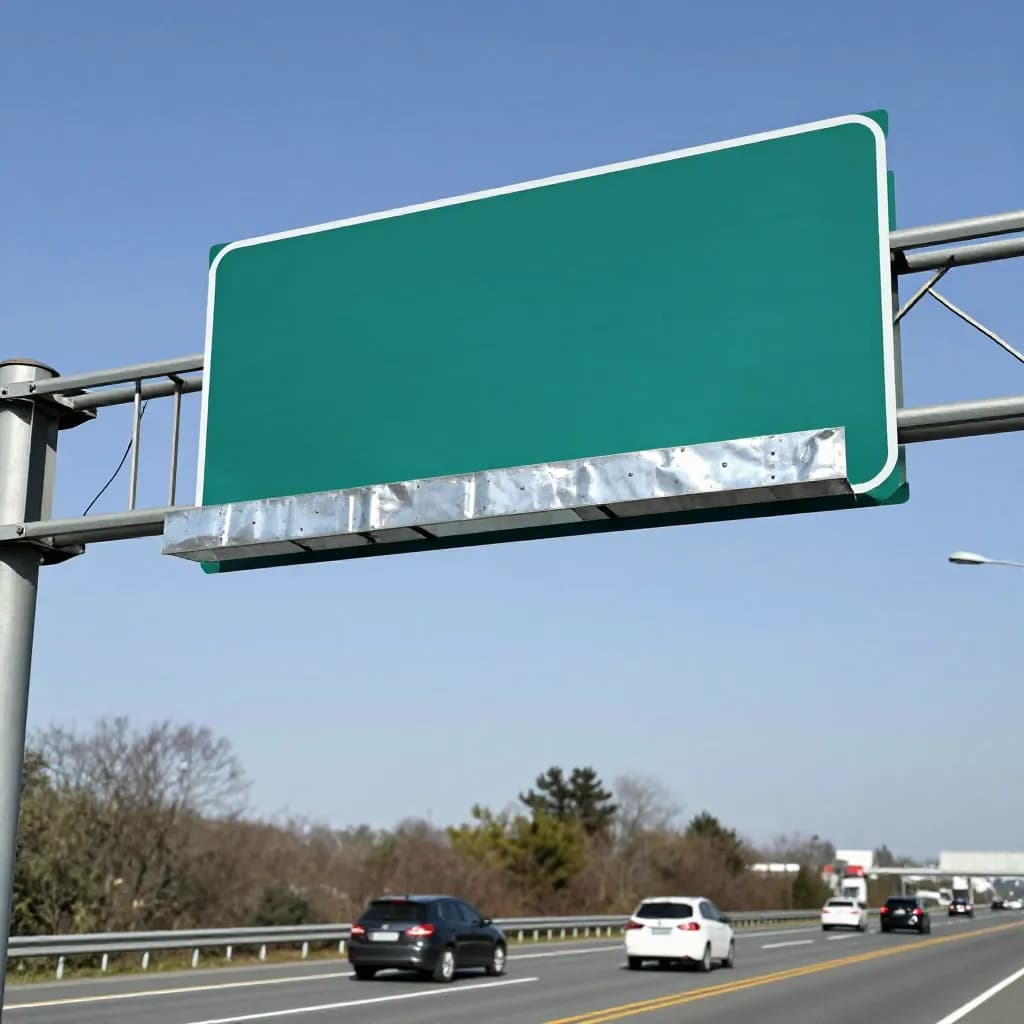
The synergy arises from the complementary protection mechanisms of the two coating layers. The zinc galvanizing provides sacrificial cathodic protection — if the coating is damaged and the steel substrate is exposed, the zinc corrodes preferentially, protecting the steel from rusting. The powder coating provides a barrier that prevents the zinc from corroding, dramatically extending the life of the galvanized layer. Together, the two systems protect each other: the powder coating shields the zinc from atmospheric attack, while the zinc provides backup protection at any defects in the powder coating.
Ready to Start Your Project?
From one-off customs to 15,000-part production runs — get precise pricing in 24 hours.
On This Page
Duplex Coating: The Synergy of Galvanizing and Powder Coating
Duplex systems are specified for infrastructure with design lives of 50-100+ years: highway bridges, transmission towers, stadium structures, railway infrastructure, and coastal installations. The extended maintenance-free service life of duplex coatings reduces lifecycle costs despite the higher initial finishing cost compared to either galvanizing or powder coating alone.
However, applying powder coating over galvanized steel is not straightforward. The zinc surface presents specific challenges — outgassing, surface chemistry incompatibility, and adhesion concerns — that must be addressed through proper pretreatment and application techniques. This article provides a comprehensive guide to achieving reliable duplex coating systems on galvanized steel structures.
Outgassing from Galvanized Surfaces: Causes and Solutions
Outgassing is the most common and troublesome defect when powder coating galvanized steel. The hot-dip galvanizing process creates a zinc coating with inherent porosity and trapped moisture that releases gas during the powder curing cycle, causing pinholes, craters, and bubbles in the powder coating film.
The zinc coating applied by hot-dip galvanizing is not a simple uniform layer — it consists of multiple intermetallic phases (gamma, delta, zeta) topped by a layer of essentially pure zinc (eta phase). The eta phase is relatively porous, and the intermetallic layers contain microscopic voids and inclusions that trap moisture and air. When the galvanized part enters the curing oven at 180-200°C, these trapped volatiles expand and escape through the powder coating, creating defects.
The severity of outgassing depends on the galvanizing quality, the zinc coating thickness, and the time between galvanizing and powder coating. Freshly galvanized steel (less than 24 hours old) outgasses more severely than aged galvanizing because the zinc surface has not yet fully stabilized. Thicker zinc coatings (common on structural steel per ASTM A123, which requires 85-100+ microns depending on material thickness) contain more trapped volatiles than thinner coatings.
The primary solution is a pre-bake or degas cycle. The galvanized part is heated to 230-260°C and held for 10-20 minutes to drive out trapped moisture and gases before powder application. This temperature is above the powder curing temperature, ensuring that all volatiles that would escape during curing have already been released.
An important consideration is that heating galvanized steel above 250°C can cause the zinc surface to develop a dull gray appearance due to accelerated oxidation and intermetallic growth. While this does not affect corrosion protection, it changes the surface chemistry and may affect powder adhesion. Limiting the degas temperature to 230-240°C and minimizing the hold time reduces this effect.
Powder formulations designed for galvanized substrates incorporate degassing additives (benzoin or equivalent) and modified flow characteristics that allow gas bubbles to escape and the film to heal before gelation. These formulations are essential for duplex coating and should always be specified when coating galvanized steel.
Surface Pretreatment for Galvanized Steel
The zinc surface of galvanized steel requires specific pretreatment to achieve reliable powder coating adhesion. The pretreatment must remove surface contaminants, create a surface condition that promotes adhesion, and provide a conversion coating layer that bonds to both the zinc substrate and the powder coating.
Freshly galvanized steel has a reactive zinc surface that oxidizes rapidly in air, forming a thin zinc oxide layer within hours. Over days and weeks, this oxide layer thickens and converts to zinc hydroxide and zinc carbonate (white rust) in the presence of moisture and carbon dioxide. The condition of this surface layer significantly affects coating adhesion.
For best results, galvanized steel should be powder coated within 24-48 hours of galvanizing, before significant oxide and carbonate formation occurs. If this timing is not practical, the surface must be treated to remove or convert the oxide/carbonate layer before coating.
Sweep blasting — light abrasive blasting using fine media (aluminum oxide or garnet at low pressure) — removes surface oxides and creates a mechanical profile on the zinc surface without significantly reducing the zinc coating thickness. The target is to remove the surface oxide layer and create a 15-25 micron profile while preserving at least 85% of the original zinc thickness. Sweep blasting is the most reliable pretreatment for aged galvanized surfaces and is recommended by most duplex coating specifications.
Chemical pretreatment for galvanized steel differs from the iron phosphate process used for bare steel. Zinc phosphate conversion coating is the preferred chemical treatment, as it reacts with the zinc surface to form a crystalline zinc phosphate layer that provides excellent adhesion promotion for powder coating. The zinc phosphate process must be formulated for galvanized substrates — standard zinc phosphate baths designed for bare steel may be too aggressive and can attack the zinc coating excessively.
Chromate-free conversion coatings based on zirconium or titanium chemistry are increasingly used for galvanized steel pretreatment. These systems provide good adhesion promotion and are compatible with both fresh and aged galvanized surfaces. They are particularly suitable for mixed-metal processing lines that handle both bare steel and galvanized steel.
Alkaline cleaning before conversion coating removes oils, greases, and handling contamination from the galvanized surface. The cleaning solution must be compatible with zinc — strongly alkaline cleaners (pH above 12) can attack the zinc surface, so mildly alkaline formulations (pH 9-11) are preferred for galvanized steel.
Powder Selection and Application for Duplex Systems
The powder coating selected for a duplex system must be compatible with the zinc substrate and formulated to manage the outgassing tendency of galvanized steel. Not all powder coatings are suitable for galvanized substrates, and using a standard powder formulation without galvanized-specific modifications frequently results in defects.
Polyester powder coatings are the most common choice for duplex systems on outdoor infrastructure. Their excellent UV resistance and weathering performance complement the corrosion protection provided by the zinc layer, creating a system that maintains both appearance and protection for decades. Super-durable polyester formulations meeting Qualicoat Class 2 or AAMA 2604 specifications are recommended for maximum outdoor durability.
Epoxy and epoxy-polyester hybrid coatings are used for duplex systems in indoor or sheltered environments where UV exposure is minimal. These chemistries provide excellent adhesion to zinc substrates and superior chemical resistance compared to polyester, making them suitable for industrial environments with chemical exposure.
The powder must be formulated with degassing additives to manage outgassing from the galvanized substrate. Standard powder coatings without degassing additives will produce pinholes and craters on galvanized steel even with a proper degas bake, because some residual outgassing occurs during the cure cycle. Galvanized-grade powders with benzoin or equivalent additives allow these residual gases to escape without leaving permanent defects.
Film thickness for duplex systems is typically 60-100 microns, which is sufficient to provide a continuous barrier over the zinc surface. Thicker coatings provide additional barrier protection but increase the risk of outgassing defects because the thicker film takes longer to gel, providing a longer window for gas bubbles to form. For galvanized substrates, targeting the lower end of the thickness range (60-80 microns) often produces better results than thicker applications.
Application parameters should be optimized for galvanized substrates. Lower gun voltages (40-60 kV) reduce the risk of back-ionization on the relatively rough galvanized surface. Tribo-charging guns can provide more uniform deposition on the irregular surface texture of hot-dip galvanizing compared to corona guns.
Curing temperature and time must be precisely controlled. The standard cure schedule (180-200°C for 10-20 minutes at metal temperature) applies, but the oven ramp rate should be moderate to allow gradual heating that gives residual gases time to escape before the coating gels. Rapid heating can trap gases in the coating, causing defects that a slower ramp would prevent.
Standards and Specifications for Duplex Coating Systems
Duplex coating systems are governed by a framework of international standards that define requirements for both the galvanizing and the powder coating components, as well as the overall system performance.
ISO 12944 (Corrosion protection of steel structures by protective paint systems) provides the overarching framework for specifying duplex systems based on environmental corrosivity. The standard defines corrosivity categories from C1 (very low) to CX (extreme), and duplex systems are specified for the higher categories (C4, C5, CX) where maximum protection is required. The expected durability of duplex systems in these categories ranges from 15 years (high durability) to more than 25 years (very high durability).
EN 13438 (Paints and varnishes — Powder organic coatings for hot-dip galvanized or sherardized steel products for construction purposes) is the primary European standard for duplex coating systems. It defines requirements for powder coating adhesion to galvanized substrates, including cross-cut adhesion testing, boiling water adhesion testing, and accelerated weathering performance.
The Qualisteelcoat quality label — administered by the same organization that manages Qualicoat for aluminum — certifies duplex coating applicators and defines process requirements for pretreatment, application, and quality control of powder coatings on galvanized steel. Qualisteelcoat certification provides architects and specifiers with confidence that the duplex system has been applied by a qualified applicator following validated procedures.
In North America, ASTM A123 defines the galvanizing requirements for structural steel, and ASTM D6386 provides a practice for preparing zinc-coated (galvanized) steel surfaces for painting. The combination of ASTM A123 galvanizing with powder coating per AAMA 2603, 2604, or 2605 creates a duplex system suitable for architectural and infrastructure applications.
The galvanizing industry's own standards — including the American Galvanizers Association (AGA) guidelines and the European General Galvanizers Association (EGGA) recommendations — provide detailed guidance on preparing galvanized surfaces for powder coating, including recommended pretreatment processes, timing between galvanizing and coating, and quality control procedures.
Service life prediction for duplex systems uses the methodology defined in ISO 12944-5 and EN ISO 14713-1, which provides expected service lives for galvanizing and coating systems in different corrosivity categories. The synergy factor of 1.5-2.3× is applied to the sum of individual component lives to estimate the duplex system service life.
Infrastructure Applications and Case Studies
Duplex coating systems are deployed across a wide range of infrastructure applications where maximum service life and minimum maintenance are essential. The following application sectors illustrate the diversity and performance of duplex-coated galvanized structures.
Highway and bridge infrastructure uses duplex systems for bridge railings, sign structures, light poles, and barrier systems. These components are exposed to deicing salt spray, UV radiation, and mechanical impacts from traffic and maintenance operations. Duplex-coated bridge railings in northern climates have demonstrated 40-50+ year service lives with minimal maintenance, compared to 15-20 years for galvanizing alone or 10-15 years for powder coating alone on bare steel.
Transmission and distribution towers for electrical utilities are increasingly specified with duplex coating systems, particularly in coastal and industrial environments where atmospheric corrosion rates are high. The combination of galvanizing and powder coating provides the long service life needed for these critical infrastructure assets, which are expensive and disruptive to maintain or replace.
Stadium and arena structures — exposed steel trusses, seating supports, and facade elements — benefit from duplex systems that provide both corrosion protection and architectural color. The ability to apply any RAL color over galvanized steel allows architects to incorporate structural steel as a visible design element while ensuring long-term durability.
Railway infrastructure — platform canopies, footbridges, signal gantries, and electrification masts — uses duplex systems to achieve the 50-100 year design lives required for railway assets. The railway environment combines atmospheric corrosion with vibration, electrical stray currents, and limited maintenance access, making the robust protection of duplex systems particularly valuable.
Coastal and marine structures — boardwalk railings, pier structures, marina equipment, and waterfront furniture — face the most aggressive atmospheric corrosion environment. Duplex systems with heavy galvanizing (minimum 100 microns zinc) and super-durable polyester powder coating (80-100 microns) provide 30-50 year service lives in coastal environments, dramatically reducing the lifecycle cost compared to systems that require recoating every 10-15 years.
The economic case for duplex systems is strongest for infrastructure with high maintenance costs — structures that are difficult to access, located in sensitive environments, or critical to public safety. The higher initial cost of duplex coating is typically recovered within 15-20 years through avoided maintenance and recoating costs.
Quality Control and Long-Term Performance Monitoring
Quality control for duplex coating systems must verify both the galvanizing and the powder coating, as well as the adhesion between the two layers. A comprehensive QC program spans the entire process from galvanizing through powder coating to final inspection.
Zinc coating thickness is verified before powder coating using magnetic gauges per ISO 2808 or ASTM B499. The galvanizing must meet the minimum thickness requirements of the applicable standard (ASTM A123, ISO 1461, or EN ISO 1461) before the part proceeds to powder coating. Typical minimum zinc thicknesses for structural steel range from 85 to 100+ microns depending on material thickness and the standard applied.
Surface preparation quality is verified after sweep blasting or chemical pretreatment. For sweep-blasted surfaces, the profile depth (15-25 microns) and residual zinc thickness are measured to confirm that adequate preparation has been achieved without excessive zinc removal. For chemically pretreated surfaces, conversion coating weight (measured by gravimetric or XRF methods) verifies that the treatment has been applied within specification.
Powder coating thickness is measured after curing using magnetic gauges calibrated for the total system (zinc plus powder). The gauge reading represents the combined thickness of zinc and powder, so the powder thickness is calculated by subtracting the pre-coating zinc thickness measurement. Alternatively, eddy-current gauges calibrated specifically for powder-over-zinc measurement provide direct powder thickness readings.
Adhesion testing for duplex systems uses the cross-cut method (ISO 2409) or pull-off method (ISO 4624) performed on the finished system. The cross-cut test is particularly revealing for duplex systems — the failure mode (cohesive within the powder, adhesive between powder and zinc, or adhesive between zinc and steel) indicates where the weakest link in the system lies. Acceptable results show cohesive failure within the powder coating, indicating that the powder-to-zinc and zinc-to-steel bonds are stronger than the coating itself.
Accelerated corrosion testing of the complete duplex system — typically 1000-2000 hours of salt spray per ASTM B117 or cyclic corrosion testing per ISO 12944-6 — verifies the system's corrosion protection performance. The test panels should include a scribe through both the powder coating and the zinc layer to evaluate the cathodic protection provided by the zinc at coating defects.
Long-term performance monitoring of installed duplex systems provides valuable data for service life prediction and maintenance planning. Periodic inspection of coating condition — checking for chalking, blistering, cracking, and zinc corrosion at defects — allows maintenance to be scheduled before significant deterioration occurs.
Frequently Asked Questions
Why does powder coating over galvanized steel cause pinholes?
Hot-dip galvanized zinc coatings contain microscopic pores and trapped moisture that release gas when heated during powder curing. This outgassing creates pinholes and bubbles in the powder film. Solutions include a degas bake at 230-240°C before coating and using powder formulations with degassing additives designed for galvanized substrates.
How long does a duplex coating system last?
Duplex systems (galvanizing plus powder coating) last 1.5-2.3 times longer than the sum of each system's individual life. In practice, this means 30-50+ years in moderate environments and 25-40 years in aggressive coastal or industrial atmospheres, compared to 15-20 years for galvanizing alone.
What pretreatment is needed for galvanized steel before powder coating?
Sweep blasting with fine media to create a 15-25 micron profile while preserving zinc thickness is the most reliable method. Chemical alternatives include zinc phosphate or chromate-free zirconium conversion coatings formulated for zinc substrates. Alkaline cleaning at pH 9-11 removes contamination without attacking the zinc.
What standards govern duplex coating systems?
Key standards include ISO 12944 for corrosion protection classification, EN 13438 for powder coatings on galvanized steel, Qualisteelcoat for applicator certification, ASTM A123 for galvanizing, and ASTM D6386 for preparing galvanized surfaces for painting. Service life prediction follows ISO 12944-5 and EN ISO 14713-1.
Should galvanized steel be coated immediately after galvanizing?
Ideally, powder coating should occur within 24-48 hours of galvanizing, before significant zinc oxide and carbonate formation. If this timing is not practical, sweep blasting or chemical treatment is needed to remove the oxide layer and restore a surface suitable for coating adhesion.
Ready to Start Your Project?
From one-off customs to 15,000-part production runs — get precise pricing in 24 hours.