Fine dining restaurants invest heavily in interior design to create environments that justify premium positioning and elevate the guest experience beyond the food itself. Every material, finish, and detail contributes to an atmosphere of quality and sophistication. Powder coating has earned its place in fine dining interiors by delivering finishes that rival or exceed the visual quality of traditional luxury materials — plated metals, lacquered surfaces, and patinated bronze — while providing superior durability and design flexibility.
Hospitality
Powder Coating for Fine Dining Interiors: Luxury Finishes, Metallic Effects, Custom Colors, and Lighting Fixtures
Sundial Powder Coating·April 22, 2026·11 min
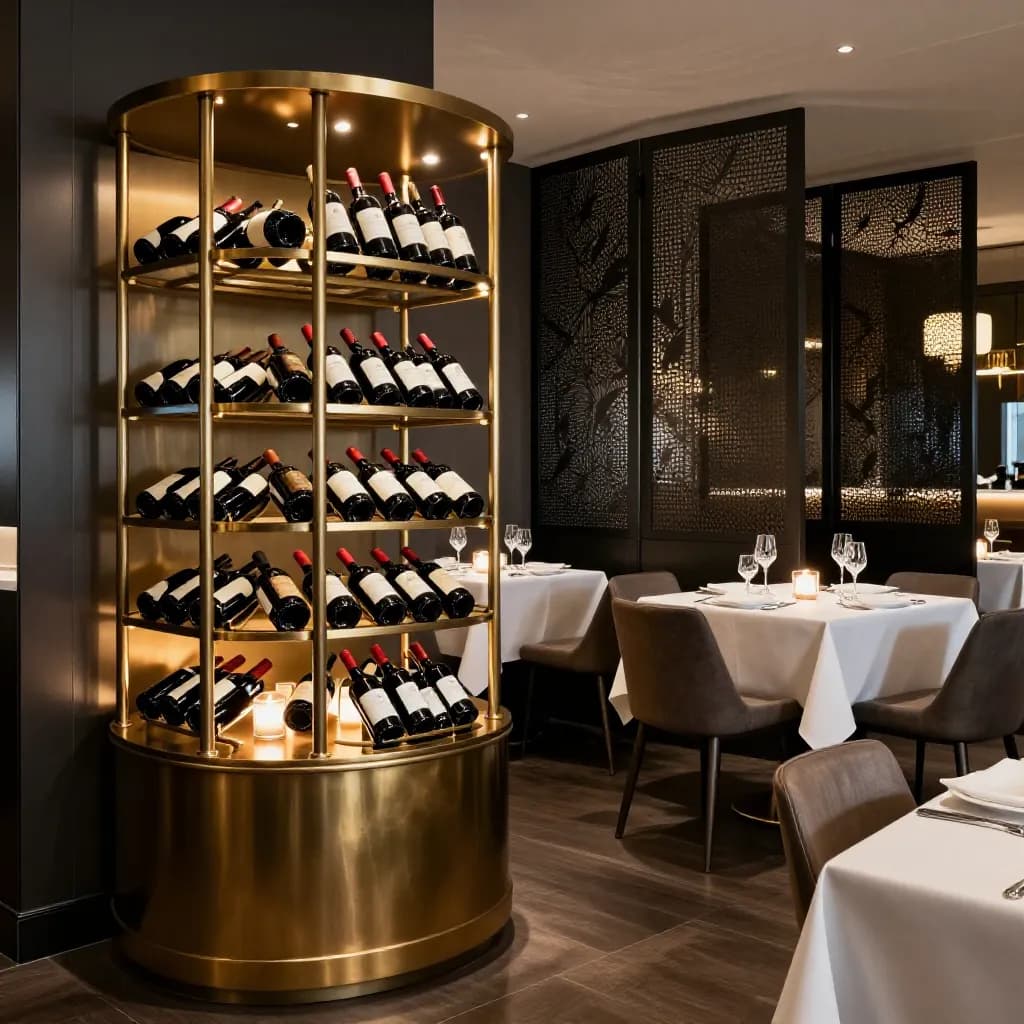
The perception that powder coating is an industrial finish unsuitable for luxury environments is outdated. Modern powder coating technology produces finishes of extraordinary refinement — deep metallic effects with visible flake depth, smooth satin textures that invite touch, rich matte colors with velvety visual weight, and multi-coat systems that create color-shift effects visible only in premium automotive finishes. These capabilities have made powder coating the preferred finish for high-end restaurant designers who demand both beauty and performance.
Ready to Start Your Project?
From one-off customs to 15,000-part production runs — get precise pricing in 24 hours.
On This Page
Powder Coating Meets Fine Dining Aesthetics
Fine dining environments present specific finishing challenges that differ from casual restaurants. Wine and spirits spills contain acids and tannins that stain porous surfaces. Candle wax drips onto fixtures and furniture. Cleaning must be thorough enough for food safety yet gentle enough to preserve delicate finishes. And the low lighting typical of fine dining environments reveals surface imperfections that brighter casual restaurant lighting might conceal.
This article explores the powder coating technologies, finishes, and application strategies that meet the exacting standards of fine dining interior design, from the entrance foyer to the private dining room.
Metallic and Specialty Finish Effects
Metallic powder coatings are the cornerstone of fine dining metal finishing, providing the luminous depth and visual richness that luxury interiors demand. Unlike metallic liquid paints that can appear flat or inconsistent, metallic powder coatings achieve a three-dimensional quality where metallic flakes are suspended at varying depths within the coating film, creating a sense of depth that changes subtly with viewing angle and lighting conditions.
Bonded metallic powder coatings represent the highest quality level for fine dining applications. In this process, metallic flakes are thermally bonded to the powder particles before application, ensuring uniform distribution of the metallic effect across the coated surface. This eliminates the separation and inconsistency that can occur when metallic flakes are simply blended with powder, producing a finish with the uniformity and refinement that fine dining environments require.
Popular metallic effects for fine dining include champagne gold, which provides warmth without the ostentation of bright gold; antique bronze, which evokes traditional craftsmanship and heritage; gunmetal, which delivers contemporary sophistication; and rose gold, which adds a modern warmth that complements both traditional and contemporary design schemes. Each of these effects can be customized in terms of metallic flake size, density, and base color to achieve the exact appearance specified by the interior designer.
Beyond metallics, specialty powder coating effects expand the fine dining design palette. Textured finishes that simulate hammered metal, aged patina, or natural stone add tactile dimension to surfaces. Translucent candy coatings over metallic bases create jewel-like depth effects. Matte finishes with ultra-low gloss levels of 5-10 units create a velvety visual quality that absorbs light softly, contributing to the intimate atmosphere that fine dining cultivates.
Multi-coat powder coating systems enable effects that single-coat applications cannot achieve. A metallic base coat followed by a tinted clear coat creates depth and color complexity. A textured base coat with a smooth clear topcoat produces a finish that appears textured visually but feels smooth to the touch. These multi-coat systems require additional processing time and cost but deliver finishes of exceptional quality that justify the investment in fine dining contexts.
Custom Color Development for Restaurant Identity
Fine dining restaurants typically develop unique color palettes that express their individual identity rather than conforming to franchise standards. This bespoke approach to color requires powder coating manufacturers who can develop custom formulations matched to the designer's exact vision, often working from fabric swatches, paint chips, or material samples rather than standard color references.
The custom color development process begins with the designer providing a reference sample and specifying the desired gloss level, texture, and any special effects. The powder manufacturer creates laboratory samples that are evaluated against the reference under the restaurant's actual lighting conditions. Multiple iterations may be needed to achieve the exact match, particularly for complex colors with subtle undertones or for metallic effects where flake type and density affect the final appearance.
Metamerism — the phenomenon where two colors match under one light source but differ under another — is a critical consideration for fine dining color development. Restaurants use varied lighting throughout the space, from warm candlelight at tables to cooler accent lighting on architectural features. Custom powder coating colors should be evaluated under all lighting conditions present in the restaurant to ensure they appear as intended throughout the space.
Small-batch production capability is important for fine dining projects where the total powder quantity may be modest compared to franchise programs. Powder manufacturers with small-batch capability can produce custom colors in quantities as low as 25-50 kilograms, making bespoke color development economically viable for individual restaurant projects. This capability enables the truly unique color palettes that distinguish fine dining interiors.
Color coordination across different materials and finishes is essential for cohesive fine dining design. The powder coating color must harmonize with upholstery fabrics, wood finishes, stone surfaces, and tableware. Providing the powder manufacturer with samples of all coordinating materials enables them to develop a powder color that works within the complete material palette rather than matching a single reference in isolation.
Lighting Fixtures and Architectural Metalwork
Lighting design is fundamental to fine dining atmosphere, and the fixtures themselves are significant design elements that contribute to the restaurant's visual identity. Powder-coated lighting fixtures — chandeliers, pendant lights, wall sconces, and recessed trim — provide the finish quality and durability that these prominent design elements demand while enabling custom colors and effects that coordinate with the overall interior scheme.
Chandeliers and statement pendant lights are often the most visually prominent fixtures in a fine dining room. Powder coating these fixtures in custom metallic finishes — aged brass, burnished copper, blackened steel — creates the artisanal quality that fine dining aesthetics value. The powder coating's resistance to heat from lighting elements prevents the tarnishing and discoloration that affect plated finishes over time, maintaining the fixture's appearance without the polishing and maintenance that real brass or copper require.
Wall sconces and accent lighting fixtures contribute to the layered lighting design that creates depth and intimacy in fine dining spaces. These fixtures are viewed at close range by seated diners, making finish quality critical. Powder coating provides the flawless surface quality needed for close-range viewing, with no brush marks, drips, or inconsistencies that might be visible in the intimate viewing distances of a dining room.
Architectural metalwork including railings, room dividers, wine display structures, and decorative screens serves both functional and aesthetic purposes in fine dining interiors. Powder coating enables these elements to be finished in colors and textures that integrate seamlessly with the overall design while providing the durability needed for fixtures that are touched, leaned against, and cleaned regularly.
Bar and lounge area metalwork — back bar shelving, bottle display racks, foot rails, and bar top trim — requires finishes that withstand the wet, chemical-laden bar environment while maintaining the luxury appearance that the fine dining context demands. Powder coating with appropriate chemical resistance provides this combination, resisting wine, spirits, citrus juice, and bar cleaning chemicals without the degradation that affects lacquered or plated finishes in bar environments.
Furniture Frames and Table Hardware
Fine dining furniture must convey quality through every detail, including the finish on metal frames, legs, and hardware. Powder coating provides the refined, consistent finish that fine dining furniture demands while offering practical advantages over traditional furniture finishing methods including plating, lacquering, and hand-applied patinas.
Chair and table frames in fine dining restaurants are typically constructed from steel or aluminum and finished to complement the upholstery, wood, and stone elements of the furniture design. Powder coating in matte or satin finishes provides a sophisticated appearance that does not compete with other materials for visual attention. Dark finishes — matte black, dark bronze, charcoal — are perennial favorites that recede visually, allowing upholstery and tabletop materials to take center stage.
Table bases require particular attention to finish quality because they are viewed at close range by seated diners throughout the meal. Any imperfection in the finish — orange peel texture, color inconsistency, or surface contamination — will be noticed in this intimate viewing context. Specifying premium-grade powder coating application with enhanced quality control ensures the flawless finish that fine dining table bases demand.
Hardware details including table leveling feet, chair glides, and connection hardware should be finished to the same standard as the primary furniture components. Mismatched hardware finishes — chrome glides on a bronze-finished chair, for example — undermine the attention to detail that fine dining design requires. Powder coating all visible hardware in coordinated finishes ensures visual consistency down to the smallest detail.
Wine storage and display furniture — wine walls, cellar racks, and tableside wine carts — combines the aesthetic requirements of fine dining with the functional demands of wine storage. Powder coating on wine storage metalwork must resist the humidity of wine storage environments and the occasional wine spill without staining or corrosion. The finish should complement the wine bottles themselves, with dark, understated colors that allow the wine labels and bottle shapes to be the visual focus.
Entrance, Host Stand, and First Impressions
The entrance sequence of a fine dining restaurant — from the exterior door through the foyer to the host stand — establishes the guest's expectations for the entire dining experience. Every surface in this sequence must communicate quality, attention to detail, and the restaurant's unique identity. Powder-coated metalwork in the entrance zone sets the tone for what follows.
Exterior door hardware including handles, push plates, and kick plates is the guest's first physical contact with the restaurant. The finish on this hardware must convey luxury through both visual appearance and tactile quality. Powder coating in satin metallic finishes provides a smooth, warm touch that feels premium, unlike the cold, clinical feel of chrome plating or the rough texture of poorly applied liquid paint.
The host stand is the focal point of the entrance area and often incorporates custom metalwork that reflects the restaurant's design theme. Powder-coated steel or aluminum host stand frames, menu display holders, and reservation system housings can be finished in the restaurant's signature colors and textures, creating a branded welcome point that reinforces the dining experience from the first moment of arrival.
Coat check fixtures, umbrella stands, and waiting area furniture in the entrance zone require finishes that withstand the moisture and debris that guests bring in from outside. Powder coating's moisture resistance and durability make it ideal for these transitional-zone fixtures that face both interior comfort conditions and the effects of outdoor weather carried in by arriving guests.
Wayfinding elements including room number plaques, restroom signage, and directional indicators benefit from powder coating that coordinates with the overall interior finish palette. These small but important details contribute to the sense of design coherence that distinguishes a thoughtfully designed fine dining environment from a space where fixtures and finishes were selected independently.
The transition from entrance to dining room often involves architectural metalwork — railings, partial walls, decorative screens — that defines the spatial sequence while maintaining visual connection between zones. Powder coating these transitional elements in finishes that bridge the entrance and dining room palettes creates a smooth visual flow that guides guests naturally through the space.
Wine and Beverage Service Equipment
Wine service is a defining element of the fine dining experience, and the equipment used to store, present, and serve wine must reflect the same quality standards as the food and interior design. Powder-coated wine service equipment — from cellar racking to tableside presentation tools — provides the refined appearance and practical durability that fine dining wine programs require.
Wine cellar and wine wall racking systems are both functional storage and visual displays that showcase the restaurant's wine collection. Powder-coated steel racking in dark, understated finishes — matte black, deep bronze, or dark gray — provides a neutral backdrop that allows wine labels to be the visual focus. The powder coating protects the steel from the humidity of wine storage environments, which typically maintain 60-70% relative humidity at 12-15°C, conditions that would cause rapid corrosion of unprotected steel.
Tableside wine service equipment including wine carts, decanting stands, and ice bucket holders are handled by sommeliers and viewed by guests at close range. The finish quality on these items must be impeccable, with no visible imperfections that would undermine the sense of quality that fine dining wine service conveys. Metallic powder coating finishes in champagne gold or antique silver complement the glassware and tableware used in wine service.
Bar equipment in fine dining lounges and cocktail areas requires finishes that resist the aggressive chemical environment of bar operations — spirits, citrus acids, bitters, and cleaning chemicals — while maintaining the luxury appearance appropriate to the venue. Powder coating with enhanced chemical resistance provides this combination, protecting bar equipment from the substances that quickly degrade plated or lacquered finishes.
Beverage station equipment in the dining room — water service stations, coffee service carts, and bread service trolleys — are mobile fixtures that must look elegant while withstanding the mechanical stress of daily movement and use. Powder coating on these mobile items provides the impact resistance needed for equipment that is wheeled across floors, bumped against furniture, and handled by multiple staff members throughout each service period.
Maintenance for Luxury Powder Coating Finishes
Maintaining the appearance of powder-coated surfaces in fine dining environments requires cleaning protocols that preserve the finish quality while meeting food safety requirements. The gentle approach needed for luxury finishes differs from the aggressive cleaning methods used in casual dining, and staff training should emphasize proper techniques for each finish type.
Matte and satin finishes require particular care because they can develop visible sheen in areas that are repeatedly rubbed or polished during cleaning. Use soft microfiber cloths rather than paper towels or rough cleaning rags, and wipe in consistent directions rather than circular motions to avoid creating polished spots that contrast with the surrounding matte surface. Cleaning solutions should be pH-neutral and free from abrasive particles.
Metallic finishes should be cleaned with non-abrasive solutions that do not contain ammonia or strong solvents, which can dull the metallic effect over time. Warm water with a small amount of mild dish soap is sufficient for routine cleaning. For stubborn spots, allow the cleaning solution to soften the residue before wiping rather than scrubbing, which can create visible scratches in the metallic finish.
Candle wax removal from powder-coated surfaces requires patience rather than force. Allow the wax to cool and harden completely, then gently flex the surface if possible to crack the wax, or use a plastic scraper to lift the wax without scratching the coating. Any remaining wax residue can be removed with a cloth dampened with warm water. Never use metal scrapers or razor blades on powder-coated surfaces.
Wine and food stain response should be immediate — the longer a stain sits on any surface, the more difficult it becomes to remove. Blot liquid spills immediately with a clean cloth, then clean the area with an appropriate solution. Red wine, beet juice, and turmeric-based sauces are the most challenging stains in fine dining environments, but prompt response prevents permanent staining on properly cured powder coating surfaces.
Periodic professional assessment of coating condition on high-value fixtures ensures that any degradation is identified early and addressed before it becomes visible to guests. An annual inspection by a powder coating professional can identify subtle issues — micro-cracking, adhesion loss, or chemical damage — that may not be apparent to restaurant staff but could develop into visible problems if left unaddressed.
Frequently Asked Questions
Can powder coating achieve true luxury metallic finishes for fine dining?
Yes, bonded metallic powder coatings produce finishes with three-dimensional depth where metallic flakes are suspended at varying depths in the film. Effects including champagne gold, antique bronze, gunmetal, and rose gold rival or exceed the visual quality of plated metals while providing superior durability and zero maintenance tarnishing.
How are custom colors developed for individual restaurant projects?
Powder manufacturers create custom formulations matched to designer references — fabric swatches, paint chips, or material samples. Laboratory samples are evaluated under the restaurant's actual lighting conditions, with multiple iterations if needed. Small-batch production capability makes custom colors viable for individual restaurant quantities as low as 25-50 kilograms.
Will powder coating on lighting fixtures withstand heat from bulbs?
Yes, powder coating resists the heat generated by lighting elements, including LED and incandescent sources. High-temperature formulations are available for fixtures with concentrated heat sources. Unlike plated finishes that tarnish over time, powder coating maintains its appearance without polishing or maintenance throughout the fixture's service life.
How should matte powder coating finishes be cleaned in fine dining?
Use soft microfiber cloths with pH-neutral cleaning solutions, wiping in consistent directions to avoid creating polished spots. Avoid abrasive pads, paper towels, and circular rubbing motions that can create visible sheen on matte surfaces. Allow cleaning solutions to soften stubborn residues rather than scrubbing aggressively.
Can powder coating resist wine and spirits spills on bar fixtures?
Polyester and polyester-epoxy hybrid powder coatings resist wine acids, spirits, citrus juice, and bar cleaning chemicals without staining or degradation. Prompt spill response prevents any possibility of staining. This chemical resistance exceeds that of lacquered or plated finishes commonly used in bar environments.
Ready to Start Your Project?
From one-off customs to 15,000-part production runs — get precise pricing in 24 hours.