Dental practices operate in an environment where hygiene, chemical resistance, and patient safety are non-negotiable. Every surface in a dental operatory — from the chair base and delivery unit to cabinetry and instrument trays — must withstand aggressive cleaning protocols involving glutaraldehyde, sodium hypochlorite, hydrogen peroxide, and quaternary ammonium compounds. These disinfectants are applied multiple times daily between patients, creating a chemical exposure regime that rapidly degrades conventional paint finishes.
Technical
Powder Coating for Dentistry Equipment: Durable, Hygienic Finishes for Dental Practices
Sundial Powder Coating·April 22, 2026·12 min
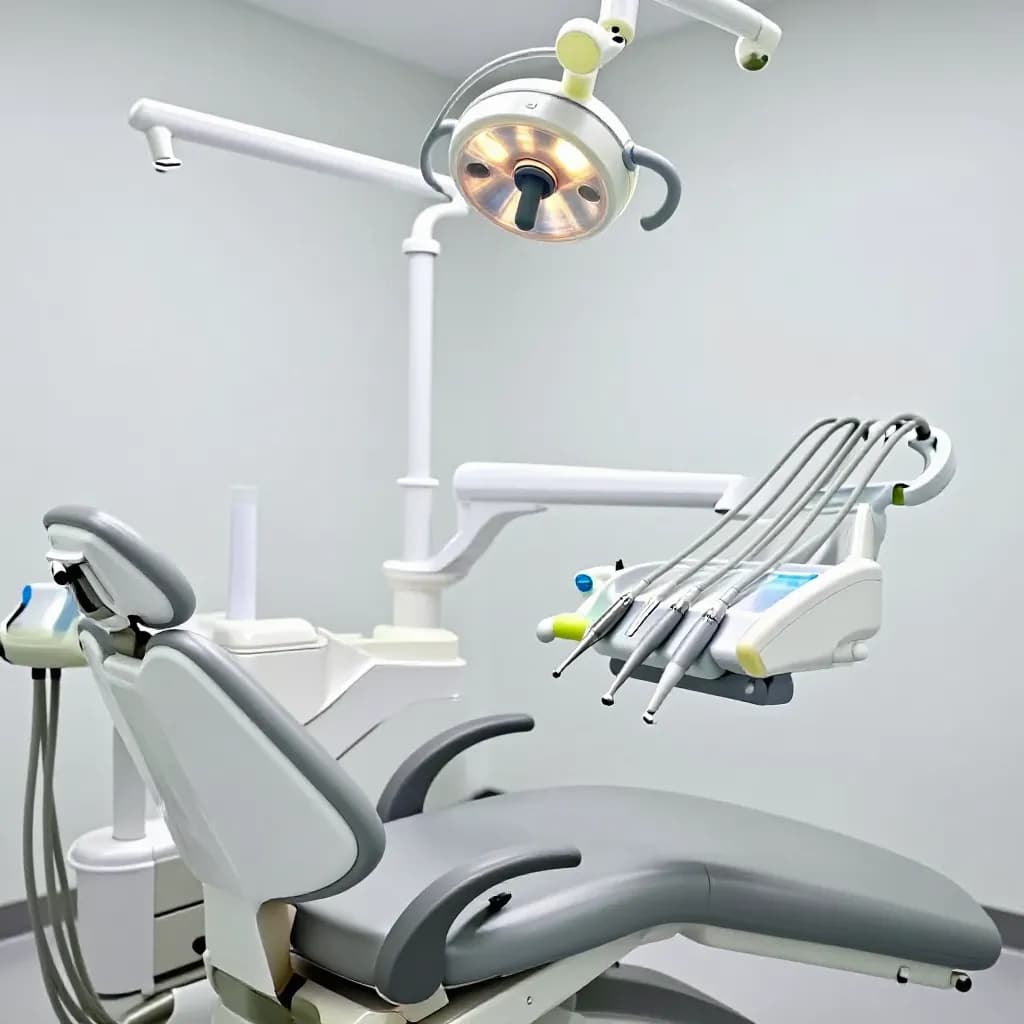
Powder coating has emerged as the finish of choice for dental equipment manufacturers because it delivers the chemical resistance, surface hardness, and aesthetic consistency that this demanding environment requires. Unlike liquid paint, powder coating forms a dense, cross-linked thermoset film that resists chemical penetration, prevents moisture ingress at the substrate interface, and maintains its appearance through thousands of cleaning cycles.
Ready to Start Your Project?
From one-off customs to 15,000-part production runs — get precise pricing in 24 hours.
On This Page
Why Dentistry Equipment Demands Specialized Powder Coating
The dental equipment market also demands finishes that project clinical professionalism. Patients associate clean, unblemished surfaces with competent care, and any visible coating degradation — peeling, discoloration, or chalking — undermines confidence. Powder coating's ability to maintain a pristine appearance over a 10-15 year equipment lifecycle makes it the standard specification for major dental OEMs including A-dec, Planmeca, Dentsply Sirona, and KaVo Kerr.
Substrate Preparation for Dental Equipment Components
Dental equipment components are typically fabricated from mild steel, stainless steel, aluminum, and occasionally cast aluminum alloys. Each substrate requires specific pretreatment to ensure optimal powder coating adhesion and long-term corrosion protection in the humid, chemically aggressive dental environment.
For mild steel components such as chair bases, cabinet frames, and mounting brackets, a multi-stage pretreatment process is standard. This typically involves alkaline degreasing, water rinsing, iron phosphate or zinc phosphate conversion coating, and a final deionized water rinse. Zinc phosphate provides superior corrosion protection and is preferred for components that may be exposed to splashes or condensation. The conversion coating weight should target 2-4 g/m² for iron phosphate or 1.5-3.5 g/m² for zinc phosphate to achieve optimal adhesion without excessive crystal size.
Aluminum components, common in delivery arms and light housings, require chromate-free pretreatment systems to comply with REACH and RoHS regulations. Zirconium-based conversion coatings have become the industry standard, providing excellent adhesion promotion and corrosion resistance without hexavalent chromium. The pretreatment bath should be maintained at pH 3.8-5.2 with a coating weight of 20-40 mg/m² for optimal performance.
Stainless steel components present unique adhesion challenges due to the passive chromium oxide layer. Mechanical abrasion with 80-120 grit aluminum oxide media, followed by solvent cleaning and a thin adhesion-promoting primer, ensures reliable long-term coating performance. Some manufacturers specify a stainless steel-specific epoxy primer at 15-25 microns before the topcoat application.
Antimicrobial Powder Coating Technologies for Dental Applications
Infection control is the paramount concern in dental practice, and antimicrobial powder coatings add an additional layer of protection beyond standard cleaning protocols. These coatings incorporate biocidal agents directly into the powder formulation, providing continuous antimicrobial activity on the coated surface throughout the equipment's service life.
Silver-ion technology is the most widely used antimicrobial system in dental equipment powder coatings. Silver ions are incorporated into a ceramic carrier matrix that is blended into the powder formulation at 1-3% by weight. When bacteria contact the coated surface, silver ions disrupt cellular respiration and DNA replication, achieving a 99.9% reduction in bacterial populations within 24 hours as measured by ISO 22196 (formerly JIS Z 2801). The ceramic carrier ensures controlled, sustained release of silver ions over the coating's lifetime.
Copper-based antimicrobial additives represent an alternative approach, leveraging copper's well-documented biocidal properties. EPA-registered copper-containing powder coatings can make public health claims about bacterial reduction, which is a significant marketing advantage for dental equipment manufacturers. These coatings achieve continuous kill rates against MRSA, E. coli, and Staphylococcus aureus on contact surfaces.
Zinc pyrithione is another antimicrobial agent used in dental equipment coatings, particularly effective against fungal contamination. The choice of antimicrobial system depends on the target organisms, regulatory requirements, and whether the manufacturer needs EPA registration for public health claims or simply wants to incorporate antimicrobial protection as a material property.
Chemical Resistance Requirements and Testing Standards
Dental equipment coatings must resist a specific and aggressive chemical environment. The American Dental Association and equipment manufacturers have established testing protocols that go beyond standard industrial chemical resistance requirements. Coatings are evaluated against the actual chemicals used in dental practice, applied under conditions that simulate real-world exposure.
Key chemicals that dental equipment coatings must resist include glutaraldehyde (2-3.4% solutions used for cold sterilization), sodium hypochlorite (0.5-5.25% bleach solutions for surface disinfection), isopropyl alcohol (70% solutions for quick wipe-downs), hydrogen peroxide (3-7.5% solutions for surface decontamination), and quaternary ammonium compounds (various concentrations for general disinfection). Testing involves applying these chemicals to the coated surface under cotton wool pads for 1-24 hours, then evaluating for softening, discoloration, blistering, or loss of adhesion.
ASTM D1308 provides the standard test method for chemical resistance evaluation, while ASTM D3363 (pencil hardness) and ASTM D4060 (Taber abrasion) assess the mechanical durability that supports chemical resistance. For dental applications, a minimum pencil hardness of 2H and Taber abrasion loss of less than 40 mg per 1000 cycles with CS-17 wheels is typically specified.
ISO 13485 quality management system certification is required for manufacturers supplying coated components to medical device companies. This standard ensures that coating processes are validated, controlled, and documented to the level required for medical device manufacturing, including process capability studies, statistical process control, and full traceability of materials and process parameters.
Powder Chemistry Selection for Dental Equipment
The choice of powder chemistry is critical for dental equipment applications, and hybrid epoxy-polyester and TGIC-free polyester formulations dominate the market. Each chemistry offers distinct advantages depending on the specific component and its exposure conditions.
Hybrid epoxy-polyester powders (typically 50:50 or 60:40 epoxy-to-polyester ratio) are the workhorse chemistry for dental cabinetry, chair bases, and interior components. They provide excellent chemical resistance, good mechanical properties, and superior adhesion to pretreated steel substrates. The epoxy component delivers chemical and corrosion resistance, while the polyester component contributes flexibility and overbake resistance. Film thickness is typically specified at 60-80 microns for single-coat applications.
For components exposed to UV light — such as dental light housings, exterior cabinet panels, and any equipment near windows — superdurable polyester powders are specified. These formulations use specialized polyester resins with enhanced UV stability, achieving less than 50% gloss retention loss after 2000 hours of accelerated weathering per ASTM G154. Standard polyester powders would show significant chalking and fading under the same conditions.
Epoxy primers are used as a first coat on components requiring maximum corrosion protection, such as chair bases that may be exposed to floor cleaning chemicals and moisture. A 25-40 micron epoxy primer followed by a 50-70 micron polyester topcoat provides a dual-layer system with excellent barrier properties and chemical resistance. This two-coat approach is standard for premium dental chair manufacturers.
Low-temperature cure powders (curing at 150°C/300°F for 20 minutes) are increasingly specified for components with heat-sensitive elements such as integrated electronics, plastic inserts, or pre-assembled sub-components. These formulations achieve equivalent film properties to standard cure powders while reducing thermal exposure to the substrate assembly.
Color and Finish Specifications in Dental Equipment Design
Color selection for dental equipment is driven by both clinical functionality and patient psychology. The dental industry has established a relatively narrow palette of preferred colors, each chosen for specific practical reasons that powder coating technology accommodates with precision.
White and off-white shades (RAL 9003 Signal White, RAL 9010 Pure White, RAL 9016 Traffic White) dominate dental equipment finishing because they project cleanliness, allow easy visual detection of contamination, and coordinate with the clinical environment. These colors require careful formulation to avoid yellowing during cure and over the equipment's service life. Titanium dioxide pigment loading must be optimized — typically 25-35% by weight — to achieve full opacity at standard film thickness while maintaining good flow and leveling.
Light grey tones (RAL 7035 Light Grey, RAL 7047 Telegrey 4) are increasingly popular for dental cabinetry and equipment bases because they show less soiling than pure white while maintaining a clinical appearance. These colors also hide minor surface imperfections more effectively than high-contrast white finishes.
Texture selection is equally important. Fine texture finishes (leather grain or light orange peel) are preferred for surfaces that dental professionals and patients contact frequently, as they provide better grip, hide fingerprints, and are less likely to show minor scratches than smooth gloss finishes. The texture is achieved through specific powder particle size distribution and cure schedule optimization, with the texture agent (typically a PTFE-modified wax) added at 1-3% by weight during the powder manufacturing process.
Gloss levels for dental equipment typically range from semi-gloss (40-60 GU at 60°) to satin (20-40 GU at 60°). High-gloss finishes are generally avoided because they show fingerprints, scratches, and surface contamination more readily, which is counterproductive in a clinical environment focused on perceived cleanliness.
Regulatory Compliance and Biocompatibility Considerations
Dental equipment that contacts patients or is used in the oral environment must comply with a complex regulatory framework. While powder-coated surfaces on dental chairs and cabinetry are generally classified as non-patient-contact surfaces, certain components — such as headrests, armrests, and instrument tray surfaces — may require biocompatibility testing under ISO 10993.
ISO 10993-5 cytotoxicity testing evaluates whether extractables from the cured coating are toxic to living cells. Powder coatings that are fully cured and free of unreacted monomers typically pass cytotoxicity testing without difficulty. However, undercured coatings can release bisphenol A (from epoxy components) or other reactive species that may fail biocompatibility screening. This underscores the importance of cure verification through differential scanning calorimetry (DSC) or solvent rub testing (MEK double rubs per ASTM D5402) as part of the quality control process.
FDA 21 CFR Part 820 establishes quality system requirements for medical device manufacturers, including those who apply coatings to dental equipment components. While the coating itself is not a medical device, it becomes part of a regulated device and must be applied under controlled, documented conditions. This includes validated cure schedules, incoming material inspection, in-process monitoring, and final inspection with documented acceptance criteria.
REACH and RoHS compliance is mandatory for dental equipment sold in the European Union. Powder coatings must be free of restricted substances including lead, cadmium, hexavalent chromium, and certain phthalates. Material safety data sheets and declarations of conformity must be maintained for all powder coating materials used in dental equipment manufacturing.
Quality Control and Process Validation for Dental Equipment Coating
Quality control in dental equipment powder coating goes beyond standard industrial practices, reflecting the medical device industry's emphasis on process validation and statistical control. Every aspect of the coating process must be documented, monitored, and verified to ensure consistent, compliant results.
Film thickness measurement is performed on every production batch using calibrated magnetic or eddy current gauges per ISO 2808. Minimum, maximum, and average film thickness values are recorded, with typical acceptance criteria of 60-80 microns for single-coat applications and 85-120 microns for two-coat systems. Statistical process control charts track film thickness trends and trigger corrective action before out-of-specification conditions occur.
Adhesion testing per ASTM D3359 (cross-cut tape test) is performed on test panels processed with each production batch. A rating of 4B or 5B (less than 5% coating removal) is the minimum acceptance criterion for dental equipment. For critical components, pull-off adhesion testing per ASTM D4541 may be specified, with minimum values of 5 MPa for single-coat and 4 MPa for two-coat systems.
Cure verification is essential and is typically performed using solvent resistance testing. A minimum of 30 MEK double rubs without breakthrough per ASTM D5402 confirms adequate cure for hybrid and polyester chemistries. DSC analysis provides a more precise cure assessment by measuring the residual exotherm of the cured coating — a fully cured coating shows no residual reaction peak.
Color consistency is verified using spectrophotometric measurement per ASTM D2244, with Delta E (CIE Lab*) tolerances typically set at ≤1.0 for production batches compared to the approved master standard. This tight tolerance ensures that replacement parts and components from different production runs are visually indistinguishable when installed on the same piece of equipment.
Frequently Asked Questions
What type of powder coating is used on dental chairs?
Dental chairs typically use hybrid epoxy-polyester powder coatings for bases and structural components, and superdurable polyester for surfaces exposed to light. These chemistries provide the chemical resistance needed to withstand daily disinfection with glutaraldehyde, bleach, and quaternary ammonium compounds without degradation.
Are antimicrobial powder coatings effective on dental equipment?
Yes. Silver-ion and copper-based antimicrobial powder coatings achieve 99.9% bacterial reduction within 24 hours as measured by ISO 22196. They provide continuous antimicrobial activity throughout the equipment's service life, supplementing standard cleaning protocols with an additional layer of infection control.
Does powder coating on dental equipment meet FDA requirements?
Powder coatings applied to dental equipment must comply with FDA 21 CFR Part 820 quality system requirements when the coated component is part of a regulated medical device. This includes validated cure schedules, documented process controls, and material traceability. The coating itself is not separately FDA-cleared but must not compromise device safety.
How long does powder coating last on dental equipment?
Properly applied powder coating on dental equipment typically lasts 10-15 years under normal clinical use, including daily disinfection cycles. The dense, cross-linked film resists chemical attack, abrasion, and moisture far better than liquid paint, which may begin degrading within 3-5 years under the same conditions.
Can powder-coated dental equipment be repaired if scratched?
Minor scratches can be addressed with touch-up paint matched to the original powder coating color. For more significant damage, the affected component can be stripped and recoated. Some dental equipment manufacturers offer factory refinishing services that restore the original powder coating specification and warranty coverage.
Ready to Start Your Project?
From one-off customs to 15,000-part production runs — get precise pricing in 24 hours.