Coworking spaces have redefined the modern workplace, creating shared environments where freelancers, startups, and remote workers converge in spaces designed for productivity, collaboration, and community. The furniture in these spaces must serve multiple functions — individual focused work, team collaboration, casual meetings, and social interaction — often reconfiguring throughout the day to accommodate different activities and group sizes. Powder-coated metal furniture provides the durability, modularity, and design flexibility that this dynamic environment demands.
Commercial
Powder Coating for Coworking Space Furniture: Modular Design, Brand Identity, Durability, and Sustainability
Sundial Powder Coating·April 22, 2026·11 min
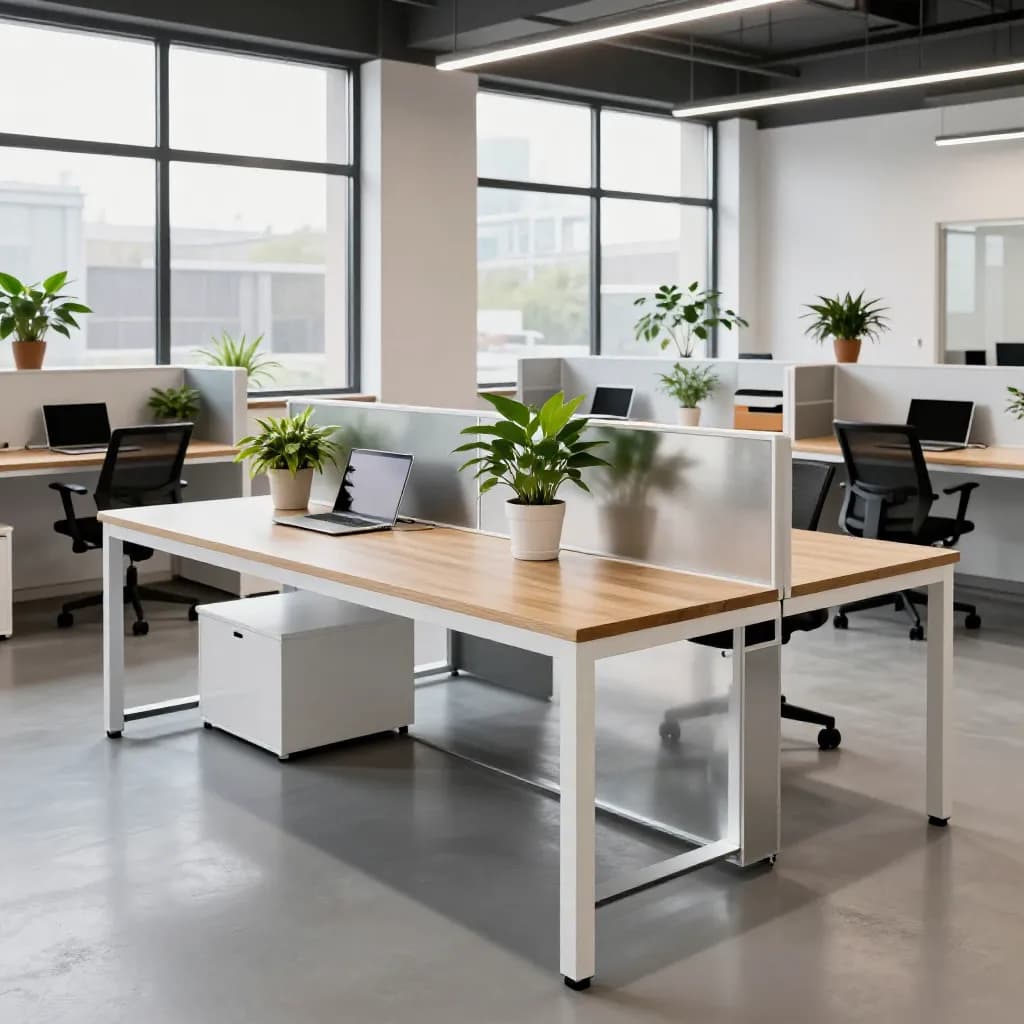
The coworking business model depends on creating an environment that attracts and retains members. Unlike traditional offices where furniture is selected for function alone, coworking furniture must also create an atmosphere that members choose over working from home or a coffee shop. The design quality of the space — including the color, finish, and style of furniture — directly influences membership decisions and retention rates. Powder coating enables the design-forward aesthetics that competitive coworking spaces require.
Ready to Start Your Project?
From one-off customs to 15,000-part production runs — get precise pricing in 24 hours.
On This Page
Coworking Spaces: Where Flexibility Meets Brand Experience
Durability requirements in coworking spaces exceed those of traditional offices because the furniture serves a rotating population of users rather than assigned individuals. A single desk in a hot-desking area may serve 3-5 different users per day, each with different work habits and varying levels of care for shared equipment. This shared-use model creates wear rates 3-5 times higher than traditional office furniture, demanding finishes that maintain their appearance under accelerated use.
Sustainability is a core value for many coworking brands and their members. The environmental credentials of powder coating — zero VOC emissions, high material efficiency, and long service life — align with the sustainability expectations of the coworking community. Many coworking operators highlight their sustainable design choices in marketing materials, and powder-coated furniture supports these claims with verifiable environmental performance data.
Modular Furniture Systems and Reconfigurability
Modular furniture systems are the backbone of coworking space design, enabling rapid reconfiguration of the space to accommodate different activities, events, and membership levels. Powder coating supports modularity by providing a durable finish on the metal components — frames, connectors, brackets, and structural elements — that form the skeleton of modular furniture systems.
Desking systems with powder-coated steel frames and interchangeable work surfaces allow coworking operators to reconfigure the floor plan without replacing furniture. The same frame system can support individual desks, bench desks, standing-height tables, and meeting tables by swapping work surface sizes and heights. The powder coating on these frames must withstand the repeated assembly and disassembly that reconfiguration requires, with particular attention to connector interfaces where metal-on-metal contact occurs during assembly.
Partition and screen systems that define spaces within the open coworking floor plan use powder-coated steel or aluminum frames with interchangeable panel inserts — fabric, whiteboard, glass, or perforated metal. The frame finish must be consistent across all partition sizes and configurations to maintain visual coherence as the layout evolves. Powder coating's batch consistency ensures that frames produced at different times match visually when combined in a single configuration.
Storage systems including lockers, cubbies, and mobile pedestals serve the transient coworking population that needs secure storage for personal items during their work session. Powder-coated steel storage units provide the security and durability needed for shared-use storage while enabling brand-colored finishes that integrate the storage system into the overall space design.
Meeting room furniture — tables, chairs, and presentation equipment stands — must accommodate groups of varying sizes and meeting styles. Nesting and folding tables with powder-coated frames enable rapid room reconfiguration, while stackable chairs with powder-coated steel frames provide flexible seating that stores compactly when not in use. The coating on these frequently handled items must resist the wear of constant setup and breakdown.
Phone booth and focus pod frames provide private spaces within the open coworking environment. These enclosed or semi-enclosed structures use powder-coated steel frames that support acoustic panels, glass walls, and ventilation systems. The frame finish is visible from both inside and outside the pod and must present a quality appearance that justifies the premium positioning of private workspace within the coworking facility.
Brand Identity Across the Coworking Environment
Coworking brands compete on experience, and the visual environment is a primary differentiator. The furniture finish — its color, texture, and quality — communicates the brand's values and positioning to every member and visitor. Powder coating enables coworking operators to express their brand identity through consistent, durable color application across all metal surfaces in the space.
Signature brand colors applied to furniture frames, shelving, partitions, and fixtures create the immersive branded environment that distinguishes one coworking space from another. A coworking brand known for creative energy might use bold, saturated colors. A brand targeting corporate clients might employ sophisticated neutrals with metallic accents. A brand emphasizing sustainability might choose earth tones and natural textures. Powder coating delivers any of these palettes with the consistency and durability that brand standards require.
Multi-location coworking brands need visual consistency across all their spaces to deliver the uniform brand experience that members expect when visiting different locations. Powder coating's precise color matching (Delta E less than 1.5) and batch-to-batch consistency ensure that furniture produced for different locations at different times maintains the visual harmony that brand consistency demands.
Accent colors on specific furniture elements — chair seats, table edges, storage door fronts — add visual interest and brand detail without overwhelming the space with color. These accent applications allow the brand palette to evolve over time by updating accent elements while maintaining the neutral base furniture, providing design flexibility within the constraints of furniture lifecycle budgets.
Community spaces — kitchens, lounges, event areas — within the coworking facility use furniture that prioritizes social atmosphere over work function. Powder-coated furniture in these spaces can be more expressive and playful than workspace furniture, using bold colors, unusual textures, and distinctive finishes that create the social energy these spaces are designed to foster.
Exterior signage and facade elements extend the brand identity to the street, attracting potential members and reinforcing brand recognition. Powder-coated sign structures, window frames, and entrance hardware in brand colors create a cohesive exterior presentation that communicates the quality and character of the coworking space within.
Durability for Shared-Use Environments
The shared-use model of coworking creates wear patterns that differ significantly from traditional office environments. In a traditional office, each employee uses their assigned furniture with a degree of personal ownership that encourages careful treatment. In a coworking space, furniture is communal property used by a rotating population with varying levels of care, creating accelerated wear that demands superior finish durability.
Hot-desking surfaces experience the most intense shared use, with multiple users per day placing laptops, bags, water bottles, and personal items on the work surface and its surrounding frame. The powder coating on desk frames must resist the scratching from laptop edges, the impact of bags being set down, and the abrasion of items being slid across the surface. Film thickness of 75-100 microns provides adequate wear margin for hot-desking applications.
Chair frames in coworking spaces experience 3-5 times the use rate of traditional office chairs, with each chair serving multiple users per day. The powder coating on chair frames must resist the abrasion of clothing contact, the impact of chairs being pushed against desks, and the wear of chairs being dragged across floors. High-hardness polyester formulations with enhanced abrasion resistance extend the service life of chair frame coatings in the shared-use environment.
Communal kitchen and break area furniture faces the combined challenges of food and beverage exposure and high-traffic shared use. Coffee spills, lunch residues, and cleaning chemicals all contact these surfaces daily. Powder coating with broad chemical resistance and easy-clean properties maintains hygiene and appearance in these high-use communal areas.
Event space furniture that is set up and broken down for workshops, presentations, and social events experiences the handling wear of frequent reconfiguration. Stacking, nesting, and folding operations create metal-on-metal contact at specific points that concentrate wear. Reinforced coating thickness at stacking and folding contact points extends the service life of event furniture coatings.
The economic case for durable powder coating in coworking spaces is straightforward. The higher initial cost of quality powder-coated furniture is offset by the extended service life and reduced maintenance compared to liquid-painted alternatives. In the high-wear coworking environment, this lifecycle cost advantage is amplified because the accelerated wear rate shortens the service life of inferior finishes proportionally more than it affects durable powder coating.
Sustainability as a Brand Value
Sustainability is not just an environmental consideration for coworking spaces — it is a brand value that influences member acquisition and retention. The coworking demographic skews toward younger professionals and creative workers who prioritize environmental responsibility in their purchasing and lifestyle decisions. Demonstrating sustainable design choices, including the selection of environmentally responsible furniture finishes, strengthens the brand's appeal to this environmentally conscious market.
Powder coating's zero VOC emissions during application mean that the furniture finishing process does not contribute to air pollution or climate change through solvent emissions. This environmental advantage can be communicated to members as part of the brand's sustainability narrative, with specific data points — zero grams of VOC per square meter of coated surface — that substantiate the claim.
Indoor air quality benefits of powder-coated furniture are particularly relevant for coworking spaces where members spend extended periods in close proximity to furniture surfaces. Unlike some liquid-painted furniture that can off-gas volatile compounds for weeks or months after installation, powder-coated furniture produces no off-gassing because the coating contains no solvents. This contributes to the healthy indoor environment that coworking operators promote.
Material efficiency in powder coating operations — 95-98% utilization versus 30-70% for liquid paint — reduces waste generation and raw material consumption. This efficiency can be quantified and reported as part of the coworking brand's environmental impact assessment, demonstrating responsible resource use in the supply chain.
Circular economy principles are supported by powder-coated metal furniture's end-of-life recyclability. Steel and aluminum frames are fully recyclable, and the powder coating does not prevent recycling. When furniture reaches the end of its service life, the metal can be recovered and recycled into new products, closing the material loop. Some coworking operators highlight this recyclability in their sustainability communications.
Third-party environmental certifications including BIFMA LEVEL, Greenguard, and cradle-to-cradle certification can be pursued for powder-coated coworking furniture. These certifications provide independent verification of environmental claims and support the coworking brand's credibility on sustainability. The powder coating's environmental attributes contribute to multiple certification criteria across these programs.
Technology Integration and Cable Management
Coworking spaces are technology-intensive environments where every work surface needs power access, data connectivity, and cable management. The metal furniture that houses and supports this technology infrastructure must accommodate electrical and data connections while maintaining the clean, uncluttered aesthetic that coworking design demands. Powder coating plays a supporting role in technology integration by providing electrical insulation, accommodating cable routing, and finishing the visible hardware that houses technology connections.
Power and data access points integrated into desk frames and table legs require powder coating that provides electrical insulation around live connections. The coating's dielectric properties add a safety margin between electrical components and the metal furniture frame, but the coating must be intact and free from damage at electrical interface points to maintain this insulation. Quality control should verify coating integrity at all electrical integration points.
Cable management troughs, channels, and clips attached to desk frames and partition systems are functional components that also affect the space's visual quality. Powder coating these cable management elements in colors that match the furniture frame creates a clean, integrated appearance that conceals the cable infrastructure. The coating on cable management components must resist the abrasion of cables being routed and rerouted as users change positions and equipment.
Monitor arm and laptop stand mounting points on desk frames require powder coating that withstands the clamping force of mounting hardware without cracking or delaminating. The coating at clamp contact points should be specified with enhanced compression resistance, or the mounting design should distribute clamping force across a larger area to reduce the stress on the coating.
Wireless charging pads integrated into work surfaces require non-metallic zones in the furniture frame to allow wireless charging signals to pass through. Powder coating does not interfere with wireless charging when the charging pad is mounted on a non-metallic surface, but metal frame elements near the charging zone should be designed to avoid blocking the charging field.
AV equipment stands and presentation technology housings in meeting rooms require powder coating that accommodates ventilation for heat-generating equipment while providing the aesthetic quality appropriate for client-facing meeting spaces. Perforated metal panels with powder coating provide both ventilation and visual finish, but the coating process must maintain open perforations for adequate airflow.
Maintenance and Lifecycle Planning
Maintaining powder-coated furniture in a coworking space requires a structured approach that accounts for the accelerated wear rate of shared-use environments. Proactive maintenance extends furniture service life, maintains the space's visual standards, and supports the brand image that drives membership.
Daily cleaning of all shared work surfaces, chair frames, and communal area furniture removes the accumulated fingerprints, coffee rings, and general grime of daily coworking use. Use soft cloths with mild cleaning solutions — avoid abrasive cleaners that scratch the powder coating surface. Pay particular attention to hot-desking surfaces and communal kitchen furniture that experience the highest use intensity.
Weekly inspection of high-wear areas identifies coating damage early, allowing repair before the damage becomes visible to members. Focus on desk frame edges where laptops and bags create wear, chair leg bottoms where floor contact occurs, and stacking contact points on event furniture. Document damage patterns to identify furniture items or locations that experience accelerated wear and may need design modifications or enhanced coating specifications.
Monthly deep cleaning should address areas that daily cleaning misses — the undersides of desks, the bases of storage units, and the interior surfaces of phone booths and focus pods. These concealed areas accumulate dust and debris that can affect indoor air quality and create an unkempt appearance when visible to members.
Touch-up procedures for minor coating damage should use color-matched liquid repair paint applied during off-peak hours to allow adequate cure time. Maintaining a supply of touch-up paint in all furniture colors used in the space ensures that repairs can be made promptly. For coworking brands with multiple locations, centralizing touch-up paint procurement ensures color consistency across all locations.
Lifecycle planning should anticipate furniture replacement or recoating based on the expected service life of the coating in the shared-use environment. Hot-desking furniture may need recoating every 5-7 years, while lower-use furniture in private offices and meeting rooms may last 10-15 years. Staggering replacement across different furniture categories spreads the capital investment over time and avoids the disruption of replacing all furniture simultaneously.
Member feedback on furniture condition provides valuable data for maintenance planning. Coworking operators who actively solicit and respond to member feedback on furniture quality demonstrate the responsiveness that builds member loyalty. Addressing furniture condition issues promptly shows members that their comfort and experience are priorities.
Frequently Asked Questions
How does powder coating support coworking space modularity?
Powder coating provides durable finishes on modular furniture frames that withstand repeated assembly, disassembly, and reconfiguration. Batch-to-batch color consistency ensures that components produced at different times match visually when combined. The coating resists the metal-on-metal contact at connector interfaces during reconfiguration.
How long does powder coating last in a shared coworking environment?
Hot-desking furniture with 3-5 users per day typically needs recoating every 5-7 years. Lower-use furniture in private offices and meeting rooms lasts 10-15 years. These service lives assume regular cleaning and prompt touch-up of damage. The shared-use model creates 3-5 times the wear rate of traditional office furniture.
Can powder coating match exact brand colors for multi-location coworking brands?
Yes, powder coating manufacturers match brand colors with Delta E tolerances of 1.5 or less and maintain batch consistency through statistical process control. This ensures visual consistency across locations even when furniture is produced at different times by different manufacturers.
Is powder-coated furniture sustainable enough for eco-conscious coworking brands?
Powder coating supports sustainability claims with zero VOC emissions, 95-98% material efficiency, no off-gassing after installation, and full metal recyclability at end of life. These attributes contribute to BIFMA LEVEL, Greenguard, and other environmental certifications that validate the brand's sustainability positioning.
How should coworking spaces maintain powder-coated furniture?
Clean shared surfaces daily with soft cloths and mild solutions. Inspect high-wear areas weekly for coating damage. Perform monthly deep cleaning of concealed areas. Touch up damage promptly with color-matched paint. Plan for recoating hot-desking furniture every 5-7 years based on wear assessment.
Ready to Start Your Project?
From one-off customs to 15,000-part production runs — get precise pricing in 24 hours.