Boat motors and outboard engines operate in one of the most corrosive environments imaginable. Salt water, salt spray, UV radiation, and constant moisture exposure combine to attack every surface of the motor assembly. Factory coatings on outboard motors are engineered for this environment, but they degrade over time, and older motors or those with cosmetic damage benefit significantly from professional powder coating.
Marine
Powder Coating Boat Motors and Outboards: Salt Water Protection for Marine Powerplants
Sundial Powder Coating·April 23, 2026·10 min
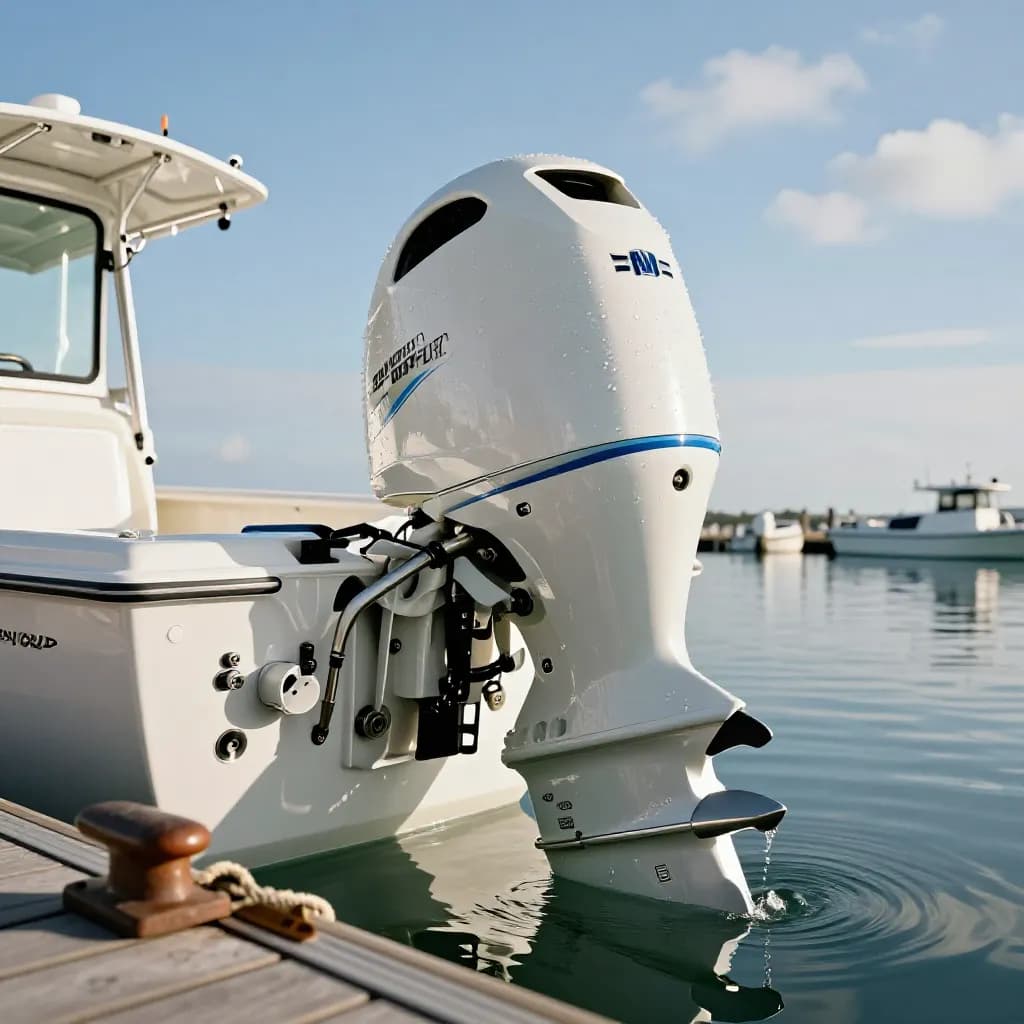
The marine environment presents challenges that go beyond simple corrosion. Galvanic corrosion between dissimilar metals is accelerated by salt water's high conductivity. UV exposure is intensified by reflection from the water surface, effectively doubling the UV dose compared to land-based applications. Biological fouling from algae, barnacles, and marine organisms can attack coating surfaces. And the thermal cycling from engine operation combined with water cooling creates expansion and contraction stresses that test coating adhesion.
Ready to Start Your Project?
From one-off customs to 15,000-part production runs — get precise pricing in 24 hours.
On This Page
Marine Motors and the Salt Water Challenge
Powder coating marine motor components provides a thick, chemically resistant barrier that addresses these challenges. The uniform, pore-free film prevents salt water from reaching the substrate, the UV-stable polyester chemistry resists the intense marine UV environment, and the strong adhesion achieved through proper preparation withstands the thermal cycling of engine operation. For boat owners restoring older outboards or customizing new ones, powder coating delivers a finish that rivals or exceeds factory quality.
Identifying Coatable Components
Not every part of a boat motor or outboard is suitable for powder coating. Understanding which components can be coated and which should be left to other finishing methods is essential for a successful project.
The cowling, or engine cover, is the most commonly powder-coated outboard component. Cowlings are typically made from aluminum or fiberglass-reinforced plastic. Aluminum cowlings are excellent candidates for powder coating, while plastic cowlings cannot withstand the cure temperature and must be finished with other methods. The cowling is primarily a cosmetic and protective cover, so coating it does not affect engine function.
The midsection housing and transom bracket are aluminum castings that can be powder coated for corrosion protection and appearance. These components are exposed to splash zone conditions and benefit from the thick, uniform coating that powder provides. Mounting hardware holes and pivot points should be masked to maintain proper fitment.
The lower unit housing is an aluminum casting that contains the gear case, water pump, and propeller shaft. While the exterior can be powder coated, the lower unit operates partially submerged and is subject to different coating requirements than above-waterline components. The area below the waterline traditionally uses antifouling paint rather than powder coating, as antifouling properties are not available in standard powder formulations.
Engine block and cylinder head surfaces should not be powder coated, as the coating can interfere with heat dissipation from the cooling system. Internal engine components, electrical connections, and sensor mounting surfaces must also be excluded from the coating process.
The powerhead cover, flywheel cover, and various brackets and shields are all suitable for powder coating and contribute to a comprehensive motor restoration.
Aluminum Casting Preparation for Marine Components
Marine motor components are predominantly cast aluminum, and the preparation of these castings for powder coating follows the same principles as other cast aluminum applications, with additional considerations for the marine environment.
Old paint, decals, and factory coatings must be completely removed. Marine motor coatings often include multiple layers of paint, primer, and sometimes antifouling compounds that have accumulated over years of service and touch-up. Chemical stripping followed by abrasive blasting ensures complete removal of all existing coatings and surface contamination.
Salt contamination is a critical concern for marine components. Salt crystals embedded in the casting surface and trapped in porosity will cause coating failure if not removed. After stripping and before blasting, soak the components in fresh water with a salt-removing detergent to dissolve embedded salt deposits. Multiple soaking and rinsing cycles may be needed for components that have spent years in salt water service.
Outgassing from cast aluminum porosity is managed through pre-baking, as with any cast aluminum component. Marine castings may have more extensive porosity than automotive castings due to the casting methods used and the alloy compositions common in marine applications. Extended pre-bake cycles of 30-45 minutes at cure temperature, potentially repeated multiple times, may be necessary to achieve a pinhole-free finish.
After pre-baking and blasting, apply a chromate-free conversion coating formulated for marine aluminum. Marine-grade conversion coatings provide enhanced corrosion resistance compared to standard automotive pretreatments, which is justified given the severity of the marine environment. The conversion coating must be applied promptly after blasting, as aluminum re-oxidizes quickly and the natural oxide does not provide adequate adhesion for the marine application.
Heat Zones and Thermal Management
Boat motors have distinct thermal zones that affect coating selection and application. The powerhead area around the cylinders and exhaust passages generates significant heat during operation, while the lower unit operates at much lower temperatures due to water cooling. Understanding these thermal zones ensures the right coating is applied to each area.
The powerhead area, including the cylinder block cover and exhaust housing, can reach temperatures of 100-180 degrees Celsius during operation, depending on the engine design and cooling system efficiency. Standard polyester powder coatings are rated for continuous service at 150 degrees Celsius, which is adequate for most areas of the powerhead. Components directly adjacent to exhaust passages may benefit from a high-temperature powder formulation if they exceed this threshold.
The cowling sits over the powerhead and is separated from the engine by an air gap. Cowling temperatures are significantly lower than the engine itself, typically reaching 60-90 degrees Celsius during operation. Standard polyester powder coating is perfectly suitable for cowlings, and the full range of colors and finishes is available.
The midsection and lower unit operate at near-ambient temperatures due to water cooling. These components are well within the thermal comfort zone of any standard powder coating. The primary concern for these areas is corrosion resistance rather than heat resistance.
For components in the higher-temperature zones, dark colors should be avoided if possible. Dark coatings absorb more radiant heat from the engine, which can elevate surface temperatures beyond the coating's rating. Light colors like white, silver, and light grey reflect radiant heat and help keep component temperatures within the coating's safe operating range. This is one reason factory outboard cowlings are often white or light-colored.
Cowling Restoration and Custom Finishing
The cowling is the most visible part of any outboard motor, and its condition defines the motor's overall appearance. A faded, chipped, or corroded cowling makes even a mechanically sound motor look neglected. Powder coating a cowling restores it to better-than-new condition and offers the opportunity for custom colors and finishes that transform the motor's appearance.
Aluminum cowlings respond beautifully to powder coating. After proper preparation including stripping, salt removal, outgassing pre-bake, blasting, and conversion coating, the cowling provides an excellent substrate for a show-quality finish. The smooth, curved surfaces of a cowling showcase color and gloss effectively, making it a rewarding component to coat.
Factory color matching is popular for restorations where the goal is to return the motor to its original appearance. Mercury black, Yamaha grey, Honda silver, and Evinrude white are all achievable through custom color matching. Bring a clean section of the original cowling or a color chip to the powder supplier for matching.
Custom colors transform the motor's identity. A white cowling on a traditionally black motor, or a bold red or blue cowling on a silver motor, creates a distinctive look that sets the boat apart at the marina. Metallic finishes, candy colors, and two-tone schemes are all possible and increasingly popular in the custom boat building community.
Decals and graphics can be applied over the powder-coated surface. Factory-style decals are available for most major outboard brands, and custom graphics can be produced by vinyl sign shops. Apply decals after the coating has fully cured and the surface has been cleaned with isopropyl alcohol. A clear coat over the decals protects them from UV degradation and peeling.
Lower Unit and Below-Waterline Considerations
The lower unit of an outboard motor presents unique coating challenges because it operates partially submerged in water. The portion above the waterline can be powder coated like any other aluminum component, but the submerged portion requires additional consideration.
Above the waterline, the lower unit housing benefits from powder coating for corrosion protection and appearance. The coating resists salt spray, UV exposure, and the general marine environment. Standard polyester powder in the desired color provides excellent performance for this area.
Below the waterline, the primary concern shifts from UV and atmospheric corrosion to immersion corrosion and biological fouling. Standard powder coatings do not contain antifouling agents and will allow marine growth to accumulate on the submerged surface. For motors that remain in the water between uses, the below-waterline portion of the lower unit is traditionally finished with antifouling paint rather than powder coating.
For motors that are trailered and stored out of the water between uses, powder coating the entire lower unit is a viable option. The motor is not submerged long enough for significant fouling to develop, and the powder coat provides superior corrosion protection compared to antifouling paint for the splash zone and above-waterline areas.
The water intake screens and passages on the lower unit must be kept clear during coating. Powder blocking these passages will prevent cooling water from reaching the engine, causing overheating and potential engine damage. Mask all water intake openings carefully and verify they are clear after coating.
Sacrificial zinc anodes on the lower unit must not be coated. These anodes protect the aluminum housing from galvanic corrosion by corroding preferentially. Coating the anodes prevents them from functioning and leaves the aluminum housing unprotected. Mask all anode mounting surfaces and verify the anodes make good electrical contact with the housing after reinstallation.
Reassembly and Marine-Grade Maintenance
Reassembling a powder-coated outboard motor requires attention to the specific demands of the marine environment. Every connection, fastener, and seal must be properly addressed to prevent corrosion and ensure reliable operation in salt water.
Use marine-grade stainless steel fasteners for all external hardware. Standard zinc-plated fasteners will corrode rapidly in the marine environment and stain the powder-coated surface with rust. Apply marine-grade anti-seize compound to all threaded connections to prevent galvanic corrosion between stainless fasteners and the aluminum housing.
Reinstall all gaskets, seals, and O-rings with new components. The disassembly and coating process provides an opportunity to replace aging seals that might otherwise cause water intrusion or oil leaks. Use marine-grade sealants where specified by the motor manufacturer.
Electrical connections must be clean and properly sealed against moisture. The powder coat is an electrical insulator, so grounding points must be scraped clean or masked during coating to ensure proper electrical contact. Apply dielectric grease to all electrical connections to prevent corrosion.
Ongoing maintenance for a powder-coated outboard includes rinsing with fresh water after every salt water use. This simple step removes salt deposits before they can attack the coating or accumulate in crevices. Inspect the coating periodically for chips and scratches, particularly in areas where dock contact, trailer rollers, or handling equipment may have caused damage. Touch up any damage promptly with marine-grade primer and matching paint.
For motors stored outdoors, a fitted motor cover protects the cowling from UV exposure and reduces the rate of coating degradation. Even with UV-stable powder, a cover extends the finish life significantly by reducing the total UV dose the coating receives.
Frequently Asked Questions
Can you powder coat an outboard motor cowling?
Aluminum cowlings can be powder coated with excellent results. Plastic or fiberglass cowlings cannot withstand the cure temperature and must be finished with other methods. Aluminum cowlings should be stripped, de-salted, pre-baked for outgassing, blasted, and conversion coated before powder application.
Should the lower unit be powder coated?
The above-waterline portion of the lower unit benefits from powder coating. The below-waterline portion is traditionally finished with antifouling paint for motors kept in the water. For trailered motors stored out of water, powder coating the entire lower unit is viable. Never coat sacrificial zinc anodes or water intake passages.
How do you remove salt contamination before coating?
Soak components in fresh water with a salt-removing detergent after stripping old coatings. Multiple soaking and rinsing cycles may be needed for components with years of salt water exposure. Salt crystals embedded in casting porosity will cause coating failure if not thoroughly removed before blasting and coating.
What color is best for an outboard motor cowling?
Light colors like white, silver, and light grey reflect radiant heat and help keep cowling temperatures lower during operation. Factory color matching is popular for restorations. Custom colors are increasingly popular for show boats and custom builds. UV-stable super-durable polyester is recommended for all marine applications.
How do I maintain a powder-coated outboard motor?
Rinse with fresh water after every salt water use to remove salt deposits. Inspect the coating periodically for chips and touch up damage promptly with marine-grade primer and paint. Use a fitted motor cover for outdoor storage to reduce UV exposure. Apply marine-grade anti-seize to all fasteners during reassembly.
Ready to Start Your Project?
From one-off customs to 15,000-part production runs — get precise pricing in 24 hours.