ATVs and UTVs operate in some of the harshest environments any vehicle encounters. Deep mud, standing water, creek crossings, dust, sand, gravel, and constant vibration combine to attack every surface on the machine. Factory finishes on many ATVs and UTVs are surprisingly thin — often just a basic e-coat or thin liquid paint that begins showing wear within the first season of serious trail use. Powder coating provides a dramatic upgrade in protection and appearance for these hard-working machines.
Automotive
Powder Coating for ATV and UTV Parts: Frames, Racks, Bumpers, and Trail Durability
Sundial Powder Coating·April 22, 2026·9 min
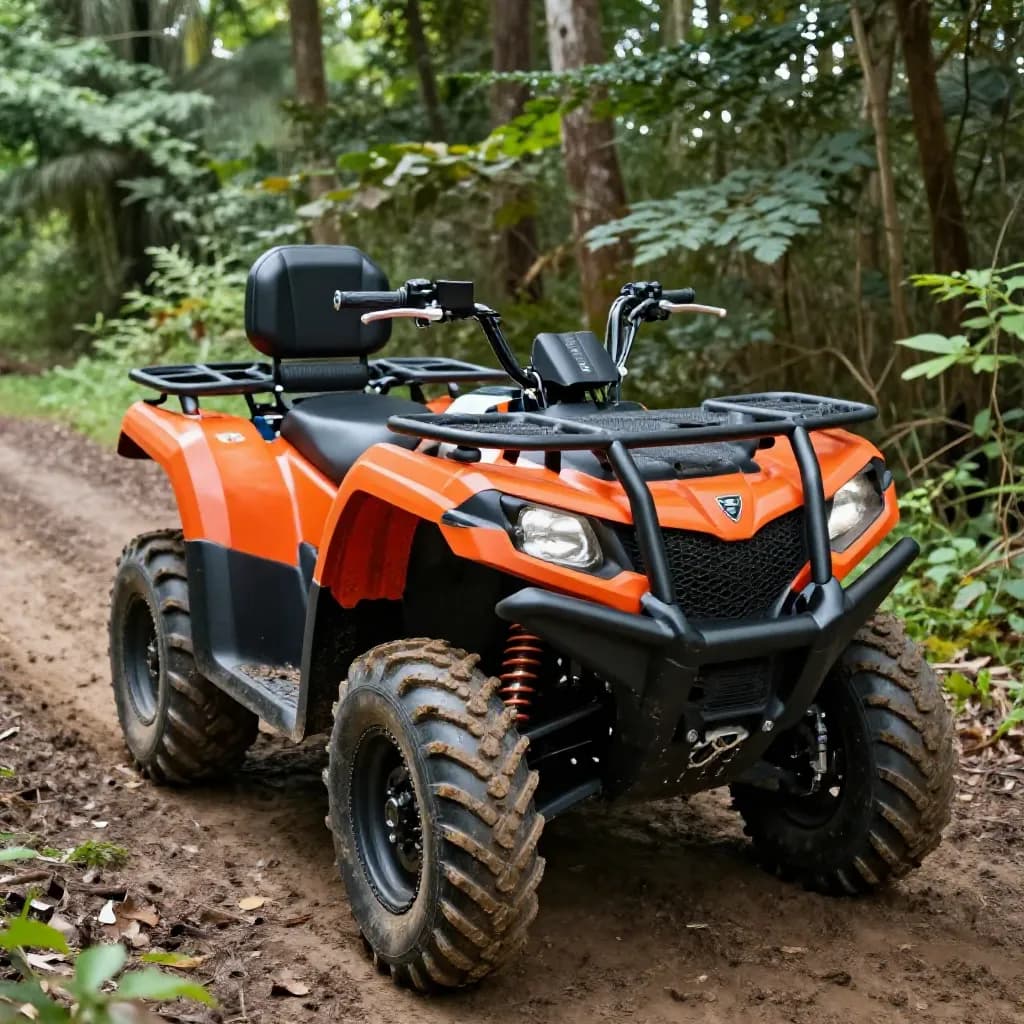
The operating environment for off-road vehicles creates a perfect storm of coating challenges. Mud contains abrasive particles that act like sandpaper against surfaces during riding. Water — especially standing water in wheel wells and frame cavities — promotes corrosion at any point where the coating is compromised. UV exposure fades and chalks thin factory finishes, and the constant vibration of off-road riding can cause poorly adhered coatings to crack and delaminate at stress points.
Ready to Start Your Project?
From one-off customs to 15,000-part production runs — get precise pricing in 24 hours.
On This Page
Why ATVs and UTVs Need Powder Coating
Powder coating addresses all of these challenges with its thick, well-adhered film that resists abrasion, impacts, moisture, and UV degradation. For ATV and UTV owners who ride hard and expect their machines to last, powder coating the frame, racks, bumpers, and accessories is one of the best investments in long-term durability and appearance. The finish maintains its look through seasons of riding that would leave factory paint looking tired and corroded.
Frame Coating: The Complete Approach
Coating an ATV or UTV frame is the most comprehensive powder coating project for these vehicles, and it delivers the most dramatic results. A freshly powder-coated frame transforms the appearance of the entire machine and provides corrosion protection that extends the vehicle's useful life by years. The process requires complete disassembly of the vehicle, which is a significant undertaking but also provides an opportunity to inspect the frame for cracks, corrosion, and wear.
Frame preparation begins with thorough degreasing to remove the accumulated oil, grease, and mud that builds up in every crevice of an off-road vehicle frame. After degreasing, abrasive blasting removes the factory finish and any surface corrosion, revealing the bare metal and creating the surface profile needed for powder adhesion. All weld joints should be inspected after blasting — off-road vibration can cause fatigue cracks at weld toes that are invisible under the old finish but become apparent on bare metal.
Masking is critical for ATV and UTV frames. Engine mounting surfaces, suspension pivot points, bearing surfaces, and all threaded holes must be protected from coating. The steering head bearings, swingarm pivot, and shock mounting points require precise masking to maintain factory dimensions. Electrical grounding points should also be masked to ensure proper electrical system function after reassembly. A detailed masking plan created before the frame goes into the blast cabinet saves time and prevents costly mistakes.
Cargo Racks and Bumpers: High-Wear Components
Cargo racks are among the most abused components on any ATV or UTV. They carry heavy loads, get scraped by cargo, endure tie-down strap abrasion, and are constantly exposed to the elements. Factory rack finishes — typically a thin powder coat or e-coat — often begin showing wear within months of regular use. A quality aftermarket powder coating application with proper preparation and appropriate film thickness dramatically extends the life of these high-wear components.
For cargo racks, a textured finish is strongly recommended over smooth gloss. The texture hides the inevitable scratches from loading and unloading cargo, and the rougher surface actually helps prevent cargo from sliding. Wrinkle and sand textures in black or dark colors are the most practical choices. Film thickness should be on the higher end of the range — 80 to 100 microns — to provide maximum abrasion resistance on surfaces that see constant contact.
Bumpers and brush guards on ATVs and UTVs face similar challenges to truck bumpers but in a more concentrated form. The smaller size of these vehicles means bumpers contact obstacles more frequently and at closer range. Tubular steel bumpers should be coated inside and out if possible, as water that enters the open tube ends can cause corrosion from the inside out. Plugging or capping tube ends after coating prevents water intrusion and extends the life of the bumper. A polyester or hybrid powder with good flexibility provides the best impact resistance for bumper applications.
Mud and Water Exposure: Coating for Submersion
Unlike most automotive applications, ATV and UTV components are regularly submerged in water and packed with mud. This level of moisture exposure places extreme demands on the coating system, and proper preparation becomes even more critical than usual. Any defect in the coating — a pinhole, a thin spot at an edge, or a poorly adhered area — becomes a corrosion entry point when the part is submerged.
For components that will see regular water submersion, a zinc-rich epoxy primer beneath the topcoat provides cathodic protection that actively prevents corrosion even if the topcoat is damaged. The zinc particles in the primer sacrifice themselves to protect the steel substrate, similar to how galvanizing works. This is particularly valuable for frame sections, A-arm components, and underbody parts that spend significant time in water and mud.
Edge coverage is a critical concern for submersion-exposed parts. Powder coating naturally thins at sharp edges during the melt and flow phase of curing, and these thin spots are the first places where corrosion begins on submerged components. Radiusing all edges before coating and applying a slightly thicker film build helps mitigate this issue. Some coaters apply an extra manual pass of powder along edges and corners to build up additional thickness in these vulnerable areas. For the most demanding applications, a liquid epoxy edge seal applied after powder curing provides an additional barrier at the most vulnerable points.
A-Arms, Skid Plates, and Suspension Components
A-arms and suspension components on ATVs and UTVs are constantly exposed to impacts, mud, and water, making them prime candidates for powder coating. Factory A-arms often have minimal coating that wears through quickly, exposing the steel to corrosion that can weaken the component over time. A quality powder coating application protects these structural components and makes them easier to clean after muddy rides.
Skid plates on ATVs and UTVs serve the same function as on Jeeps — protecting the underside from rock and obstacle damage. The coating considerations are similar: use a tough, flexible polyester powder in a textured finish, apply at a generous film thickness, and accept that the coating will sustain damage from direct rock contact. The goal is to slow corrosion and maintain protection across the majority of the surface area, even as the most exposed points get scratched.
Suspension components like shock bodies, spring perches, and sway bar links can all be powder coated for a clean, protected appearance. The main caution is to avoid coating any sliding or rotating surfaces — shock shafts, bushing bores, and ball joint surfaces must be masked. Springs can be coated but should use a flexible powder formulation that can accommodate the compression and extension cycles without cracking. For coil-over shocks, the spring and body can be coated in matching or contrasting colors for a custom appearance that also provides corrosion protection.
Color and Finish Options for Off-Road Machines
While black remains the most popular color for ATV and UTV powder coating, the off-road community has embraced color as a way to personalize their machines. Color-matching the frame and accessories to the vehicle's plastic body panels creates a cohesive, factory-custom appearance. Popular color choices include the brand-specific colors — Can-Am yellow, Polaris blue, Honda red, and Yamaha blue — that coordinate with the manufacturer's plastic color schemes.
For riders who want their machine to stand out on the trail, bold colors like bright orange, lime green, and electric blue make a strong visual statement. These colors are particularly effective on frames and roll cages where they contrast with the body panels and create a layered, custom look. Metallic finishes add depth and visual interest, with bronze, copper, and dark gold being popular choices that look premium without being flashy.
Textured finishes dominate the practical side of ATV and UTV coating. Wrinkle black is the default choice for bumpers, racks, and skid plates because it hides wear and looks purposeful. Sand texture in various colors provides a more refined appearance while still offering practical scratch resistance. For show machines that see limited trail use, smooth gloss or satin finishes showcase the metalwork and create a polished appearance, but owners should understand that these finishes will show wear more quickly than textures under actual off-road conditions.
Maintenance and Recoating for Trail Machines
Maintaining powder-coated ATV and UTV parts starts with thorough cleaning after every ride. Mud left to dry on coated surfaces can trap moisture against the coating and promote corrosion at any damage points. A pressure washer at moderate distance effectively removes mud and debris without damaging the coating. Pay particular attention to frame cavities, suspension joints, and areas where mud tends to pack and hold moisture.
After washing, inspect the coating for chips, scratches, and areas where the finish has been worn through to bare metal. Touch up any damage promptly with a matching touch-up paint or a rust-inhibiting primer. For steel components, even small areas of exposed metal can develop rust quickly in the wet, muddy environment these vehicles operate in. Keeping a small bottle of matching touch-up paint in the garage makes it easy to address damage before it becomes a corrosion problem.
Over time, even the best powder coating will accumulate enough trail damage to warrant recoating. The typical interval for heavily used off-road vehicles is three to five years, depending on riding conditions and maintenance habits. Recoating involves stripping the old finish, repairing any corrosion that has developed, and applying a fresh coating. This is also an excellent opportunity to change colors or upgrade to a more durable coating system based on experience with how the vehicle is actually used.
Frequently Asked Questions
Can you powder coat ATV plastic body panels?
No. Standard powder coating requires curing temperatures of 180 to 200 degrees Celsius, which would melt or deform plastic body panels. Plastic components should be finished with liquid paint, vinyl wrap, or specialized low-temperature coatings designed for plastic substrates.
How long does powder coating last on an ATV frame?
With proper preparation and a quality coating system, powder coating on an ATV frame typically lasts three to five years of heavy trail use, or longer with regular maintenance and prompt touch-up of damage. Light recreational use can see the coating last seven to ten years or more.
Is powder coating safe for ATV exhaust components?
Standard powder coating will burn off exhaust components due to the high operating temperatures. High-temperature ceramic powder coatings rated for 300 to 600 degrees Celsius are required for exhaust pipes, headers, and muffler heat shields. These specialty coatings maintain their appearance and adhesion at exhaust temperatures.
Should I powder coat the inside of frame tubes?
Coating the inside of frame tubes provides additional corrosion protection, particularly for vehicles that are regularly submerged in water. Internal coating can be achieved by flooding the tubes with liquid primer or using specialized internal coating techniques. At minimum, sealing the open ends of tubes prevents water from pooling inside.
Can I powder coat my ATV wheels?
Yes. Steel and aluminum ATV wheels are excellent candidates for powder coating. Wheels should be stripped of old finish, blasted, and coated with a durable polyester powder. Bead seat areas can be lightly coated but should not have excessive buildup that prevents proper tire seating. Valve stem holes should be masked during coating.
Ready to Start Your Project?
From one-off customs to 15,000-part production runs — get precise pricing in 24 hours.