Food processing equipment coatings occupy a critical position at the intersection of food safety, corrosion protection, and regulatory compliance. The coating on food processing machinery, conveyor systems, storage equipment, and facility infrastructure must prevent metal corrosion that could contaminate food products, resist the aggressive cleaning and sanitization chemicals used in food processing facilities, and comply with the regulatory framework that governs materials in contact with or in proximity to food.
Industrial
Powder Coating Food Processing Equipment: USDA/FDA Compliance, NSF Certification, and Antimicrobial Protection
Sundial Powder Coating·April 22, 2026·12 min
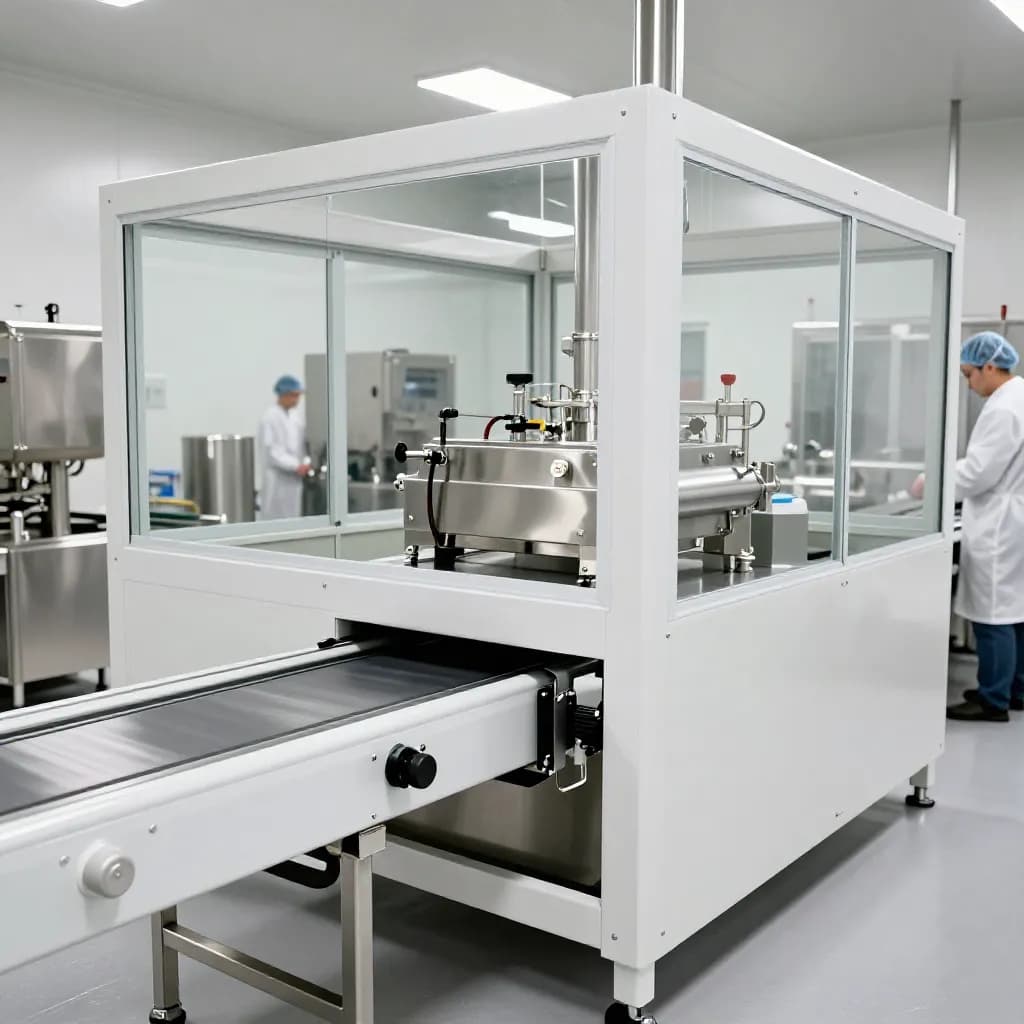
The food processing environment is uniquely aggressive to coatings. Daily high-pressure washdown with hot water (60-80°C) and caustic cleaning solutions (sodium hydroxide at 2-5% concentration), followed by acid rinse (phosphoric or nitric acid at 1-2%) and chemical sanitization (chlorine, quaternary ammonium, or peracetic acid), creates a chemical exposure cycle that can destroy inadequate coatings within weeks. This cleaning regimen is repeated daily or multiple times per day in many food processing operations, accumulating hundreds of chemical exposure cycles annually.
Ready to Start Your Project?
From one-off customs to 15,000-part production runs — get precise pricing in 24 hours.
On This Page
Food Safety Demands on Equipment Coatings
Powder coating has gained significant ground in food processing equipment finishing because its dense, cross-linked film structure provides superior resistance to the chemical and mechanical stresses of the food processing environment compared to liquid paint alternatives. The absence of solvents in powder coatings eliminates the risk of solvent residue contamination, and the thermoset cure process creates a chemically inert film that does not leach substances into food products. These inherent advantages, combined with the development of food-contact-approved powder formulations, have made powder coating a viable and increasingly preferred option for food processing equipment.
FDA Regulations and Food Contact Compliance
The US Food and Drug Administration (FDA) regulates materials that contact food through 21 CFR (Code of Federal Regulations) Parts 170-199. For coatings on food processing equipment, the relevant regulations depend on whether the coating is in direct food contact, indirect food contact, or non-food-contact (environmental surfaces in food processing areas).
Direct food contact coatings — those that touch food products during processing, storage, or transport — must comply with 21 CFR 175.300 (Resinous and Polymeric Coatings) or be manufactured from components listed in the applicable FDA food additive regulations. The regulation specifies extractive limits for coatings in contact with specific food types (aqueous, acidic, alcoholic, fatty) at specified temperatures and contact durations. Powder coatings formulated for direct food contact use FDA-listed resins, cross-linkers, pigments, and additives, and are tested to demonstrate compliance with the applicable extractive limits.
Indirect food contact coatings — those on equipment surfaces that may occasionally contact food or are in the food processing environment but not in continuous food contact — have less stringent regulatory requirements but must still be manufactured from materials that are safe for their intended use. The FDA's Generally Recognized as Safe (GRAS) framework and prior sanction provisions provide additional pathways for material compliance.
The European Union regulates food contact materials through Regulation (EC) No 1935/2004 (Framework Regulation) and Regulation (EU) No 10/2011 (Plastics Regulation), which establishes a positive list of authorized substances and migration limits. While these regulations were developed primarily for plastic food packaging, they are increasingly applied to coatings on food processing equipment sold in the EU market. Powder coating manufacturers serving the European food processing market must demonstrate compliance with the applicable migration limits for their formulations.
NSF International Certification for Food Equipment Coatings
NSF International (formerly National Sanitation Foundation) certification is the most widely recognized third-party validation for coatings used on food processing equipment in North America. NSF certification provides food processors, equipment manufacturers, and regulatory inspectors with independent assurance that the coating meets defined safety and performance standards for food equipment applications.
NSF/ANSI 51 (Food Equipment Materials) is the primary standard for coatings on food processing equipment. It evaluates coatings for extractable substances, taste and odor transfer, cleanability, and durability under simulated food processing conditions. Coatings that pass NSF/ANSI 51 evaluation are listed in the NSF White Book (Official Listings) and can display the NSF certification mark, which is recognized by health inspectors and food safety auditors throughout North America.
NSF/ANSI 2 (Food Equipment) covers the design, construction, and performance of commercial food equipment, including requirements for surface finishes. Equipment certified to NSF/ANSI 2 must use coatings that are smooth, non-absorbent, corrosion-resistant, and cleanable — requirements that powder coating meets through its dense, non-porous film structure and resistance to the cleaning chemicals specified in the standard.
The NSF certification process for powder coatings involves formulation review (verifying that all components are acceptable for food contact use), extractive testing (measuring substances that migrate from the coating under simulated food contact conditions), and ongoing production monitoring (periodic factory audits and product testing to verify continued compliance). Powder coating manufacturers that achieve NSF certification must maintain detailed formulation records and notify NSF of any formulation changes that could affect compliance.
Washdown Resistance and Chemical Durability
The daily washdown cycle in food processing facilities is the most demanding chemical exposure that food equipment coatings face. A typical washdown sequence involves pre-rinse with ambient water to remove gross soil, foam application of alkaline cleaner (sodium hydroxide or potassium hydroxide at 2-5% concentration, 50-70°C) for 15-30 minutes, high-pressure rinse (1,000-2,000 psi), acid rinse (phosphoric, nitric, or citric acid at 1-2%) to remove mineral deposits, final rinse, and chemical sanitization with chlorine (200 ppm sodium hypochlorite), quaternary ammonium (200-400 ppm), or peracetic acid (150-200 ppm).
This chemical sequence attacks coatings through multiple mechanisms: alkaline hydrolysis of the polymer backbone, acid attack on pigments and fillers, oxidative degradation from chlorine and peracetic acid sanitizers, and mechanical erosion from high-pressure water jets. Standard industrial polyester powder coatings can withstand moderate chemical exposure, but the concentrated, repeated, and elevated-temperature chemical exposure of food processing washdown requires specially formulated coatings with enhanced chemical resistance.
Epoxy powder coatings provide the best chemical resistance for food processing applications, withstanding concentrated caustic and acid solutions at elevated temperatures without significant degradation. However, epoxy's poor UV resistance limits its use to interior equipment surfaces and enclosed processing areas. For equipment with UV exposure (outdoor processing areas, windowed facilities), epoxy-polyester hybrid or chemically resistant polyester formulations provide a balance of chemical and UV resistance.
Coating adhesion under washdown conditions is as important as chemical resistance. High-pressure water jets at 1,000-2,000 psi can penetrate coating defects and disbond poorly adhered coatings, creating flaking and peeling that poses both a food contamination risk and a corrosion initiation point. Zinc phosphate pretreatment (rather than iron phosphate) is strongly recommended for food processing equipment to maximize adhesion under the aggressive washdown conditions. Adhesion testing after simulated washdown exposure (immersion in 5% NaOH at 70°C for 168 hours, followed by cross-cut adhesion test) validates the coating system's washdown durability.
Dairy, Brewery, and Beverage Processing Applications
Dairy processing, brewing, and beverage manufacturing present specific coating challenges related to the chemistry of their products and cleaning regimes. These industries use some of the most aggressive cleaning protocols in food processing, driven by the need to prevent bacterial contamination in products that are ideal growth media for microorganisms.
Dairy processing equipment faces exposure to lactic acid (from milk fermentation), caustic cleaning solutions (3-5% NaOH at 75-85°C for CIP — clean-in-place — cycles), and nitric acid rinse (1-2% at 60-70°C). The combination of hot caustic and hot acid exposure in alternating cycles is extremely demanding for organic coatings. Epoxy powder coatings at 150-250 microns are the standard specification for dairy equipment surfaces that are not in direct product contact (equipment frames, support structures, utility piping), providing the chemical resistance needed to withstand the CIP cycle without degradation.
Brewery equipment coating must resist the specific chemistry of brewing — wort (a mildly acidic sugar solution), hops (containing alpha acids and essential oils), ethanol (typically 4-12% in finished beer), and the caustic and acid CIP chemicals used between batches. The coating must also resist the thermal cycling of brewing processes, from ambient temperature mashing to 100°C boiling in the kettle. Epoxy-polyester hybrid powders provide adequate chemical and thermal resistance for brewery equipment frames and non-product-contact surfaces, while direct product contact surfaces (kettles, fermenters, bright tanks) are typically stainless steel without organic coatings.
Beverage processing lines — for soft drinks, juices, water, and sports drinks — require coatings that resist the acidic pH (2.5-4.0) of many beverage products, the sugar content that promotes microbial growth on contaminated surfaces, and the high-speed mechanical environment of bottling and canning lines. Powder-coated conveyor frames, guide rails, and equipment guards must withstand product splashes, cleaning chemical exposure, and the mechanical wear of high-speed production operations running 16-24 hours per day.
Antimicrobial Coatings for Food Processing Environments
Antimicrobial powder coatings are gaining adoption in food processing facilities as a supplementary measure to reduce microbial contamination on equipment surfaces between cleaning cycles. While antimicrobial coatings do not replace the rigorous cleaning and sanitization protocols required in food processing, they provide an additional barrier against microbial growth that can reduce the risk of cross-contamination and extend the effective duration of cleaning interventions.
Silver ion antimicrobial technology is the most widely used system in food processing powder coatings, with EPA registration for use on food contact and non-food contact surfaces. Silver ions disrupt bacterial cell membranes and interfere with cellular respiration, providing broad-spectrum antimicrobial activity against gram-positive and gram-negative bacteria, including common food pathogens such as Salmonella, Listeria monocytogenes, and E. coli O157:H7. Testing per JIS Z 2801 and ISO 22196 demonstrates 99.9% reduction in these organisms within 24 hours of surface contact.
Copper-based antimicrobial coatings offer an alternative to silver, with the advantage of faster kill rates (bacteria are typically eliminated within 2 hours on copper surfaces versus 24 hours for silver). Copper has been registered by the EPA as a public health antimicrobial material, and copper-containing powder coatings can make public health claims about bacterial reduction. However, copper pigments can affect coating color (imparting a greenish or brownish tint) and may not be compatible with all food processing environments due to copper's reactivity with certain food products.
Regulatory compliance for antimicrobial coatings in food processing requires EPA registration under FIFRA for antimicrobial claims, FDA compliance for food contact applications, and NSF certification where required by the food processor or regulatory authority. The antimicrobial agent must be demonstrated to be safe for its intended use, effective against the claimed organisms, and durable through the expected cleaning and use cycles. Claims must be carefully worded to comply with EPA labeling requirements — overstating antimicrobial efficacy or implying that the coating eliminates the need for cleaning can result in regulatory enforcement action.
Meat, Poultry, and Seafood Processing: USDA Requirements
Meat, poultry, and seafood processing facilities in the United States are regulated by the USDA Food Safety and Inspection Service (FSIS), which maintains continuous inspection presence in processing plants. USDA-inspected facilities must use equipment and materials that are approved for use in the processing environment, and coatings on equipment surfaces are subject to USDA review and acceptance.
The USDA maintains a list of proprietary substances and nonfood compounds authorized for use in meat, poultry, and rabbit processing facilities, published as the USDA List of Proprietary Substances and Nonfood Compounds (formerly the USDA White Book). Coatings used in USDA-inspected facilities should be formulated from components that are listed or otherwise acceptable under USDA regulations. While USDA does not formally certify coatings, FSIS inspectors can require removal of coatings that they determine are not suitable for the processing environment.
The processing environment in meat and poultry facilities is particularly aggressive to coatings. Blood, fat, and protein residues are highly corrosive to steel and can penetrate coating defects to initiate under-film corrosion. Cleaning chemicals include hot caustic solutions (3-5% NaOH at 60-80°C), chlorinated alkaline cleaners, and acid sanitizers. The combination of organic soil, aggressive chemicals, and high-pressure washdown (up to 2,500 psi in some operations) creates an environment where only the most robust coating systems survive.
For non-product-contact surfaces in meat processing facilities — equipment frames, structural steel, utility piping, and wall/ceiling systems — epoxy powder coatings at 200-300 microns over zinc phosphate pretreatment provide the chemical resistance and durability needed for long-term service. The thick film build provides a robust barrier against the aggressive chemical environment, while the zinc phosphate pretreatment ensures adhesion under the severe washdown conditions. Light colors (white, light grey, light blue) are preferred for food processing environments because they facilitate visual inspection for cleanliness and make contamination visible.
Facility Infrastructure: Floors, Walls, and Structural Steel
Beyond equipment surfaces, powder coating is used on food processing facility infrastructure including structural steel, mezzanine framing, pipe supports, electrical enclosures, and HVAC components. These non-equipment surfaces must meet the same hygiene and cleanability requirements as equipment surfaces because they are located in the food processing environment and can harbor bacteria, accumulate soil, and contribute to contamination if not properly finished and maintained.
Structural steel in food processing facilities is typically powder coated with epoxy at 150-250 microns for chemical resistance in the washdown environment. The coating must be applied to all surfaces of the structural members, including the back sides of flanges, inside surfaces of channels, and the interfaces between connected members where moisture and soil can accumulate. These hidden surfaces are often the first to corrode because they are difficult to clean and inspect, making complete coating coverage essential.
Electrical enclosures and control panels in food processing areas must meet NEMA 4X (watertight, corrosion-resistant) or IP66 (dust-tight, powerful water jet protection) ratings to protect electrical components from washdown water and cleaning chemicals. The powder coating on these enclosures must be compatible with the gasket materials (silicone, EPDM, or neoprene) used to achieve the ingress protection rating, and must maintain its integrity through the daily chemical exposure of the washdown cycle.
HVAC ductwork and air handling components in food processing facilities require coatings that resist the humid, chemically laden atmosphere of the processing environment. Condensation on uncoated or poorly coated ductwork can drip onto food products or processing surfaces, creating a contamination risk. Epoxy powder coating on ductwork exterior surfaces prevents corrosion and provides a cleanable surface that can be maintained as part of the facility's sanitation program. Interior duct surfaces may require specialized antimicrobial coatings to prevent mold and bacterial growth in the humid air handling system.
Frequently Asked Questions
What FDA regulations apply to powder coatings on food equipment?
Direct food contact coatings must comply with 21 CFR 175.300, using FDA-listed components and meeting extractive limits for the applicable food type. Indirect food contact coatings must be manufactured from safe materials. In the EU, Regulation (EC) 1935/2004 and (EU) 10/2011 establish migration limits for food contact materials.
What is NSF certification for food equipment coatings?
NSF/ANSI 51 certification validates that a coating meets safety and performance standards for food equipment use. The process includes formulation review, extractive testing under simulated food contact conditions, and ongoing production monitoring. NSF-certified coatings are listed in the NSF White Book and recognized by health inspectors nationwide.
Can powder coating withstand daily food processing washdown?
Yes, with appropriate specification. Epoxy powder coatings at 150-250 microns over zinc phosphate pretreatment resist the daily cycle of hot caustic cleaning (2-5% NaOH at 60-80°C), acid rinse, and chemical sanitization. Standard polyester powders are inadequate for this environment — epoxy or chemically resistant hybrid formulations are required.
Are antimicrobial powder coatings approved for food processing?
Silver ion antimicrobial coatings have EPA registration for food contact and non-food contact surfaces. They demonstrate 99.9% reduction in Salmonella, Listeria, and E. coli per ISO 22196. However, they supplement rather than replace cleaning protocols. Claims must comply with EPA FIFRA labeling requirements.
What coating is best for brewery and dairy equipment?
Epoxy powder at 150-250 microns is the standard for non-product-contact surfaces in dairy and brewery environments, providing resistance to hot caustic CIP cycles (3-5% NaOH at 75-85°C) and acid rinses. Direct product contact surfaces (tanks, kettles) are typically uncoated stainless steel. Epoxy-polyester hybrids work for moderate chemical exposure areas.
Ready to Start Your Project?
From one-off customs to 15,000-part production runs — get precise pricing in 24 hours.