Energy is one of the largest operating costs in powder coating facilities, typically accounting for 15-30% of total production costs depending on the operation's size, throughput, and geographic location. Understanding where energy is consumed — and where it is wasted — is the essential first step toward meaningful energy reduction. A systematic energy audit reveals the consumption profile and identifies the highest-impact opportunities for improvement.
Environmental
Powder Coating Energy Audit and Optimization: Ovens, Pretreatment, Compressed Air, and Heat Recovery
Sundial Powder Coating·April 22, 2026·14 min
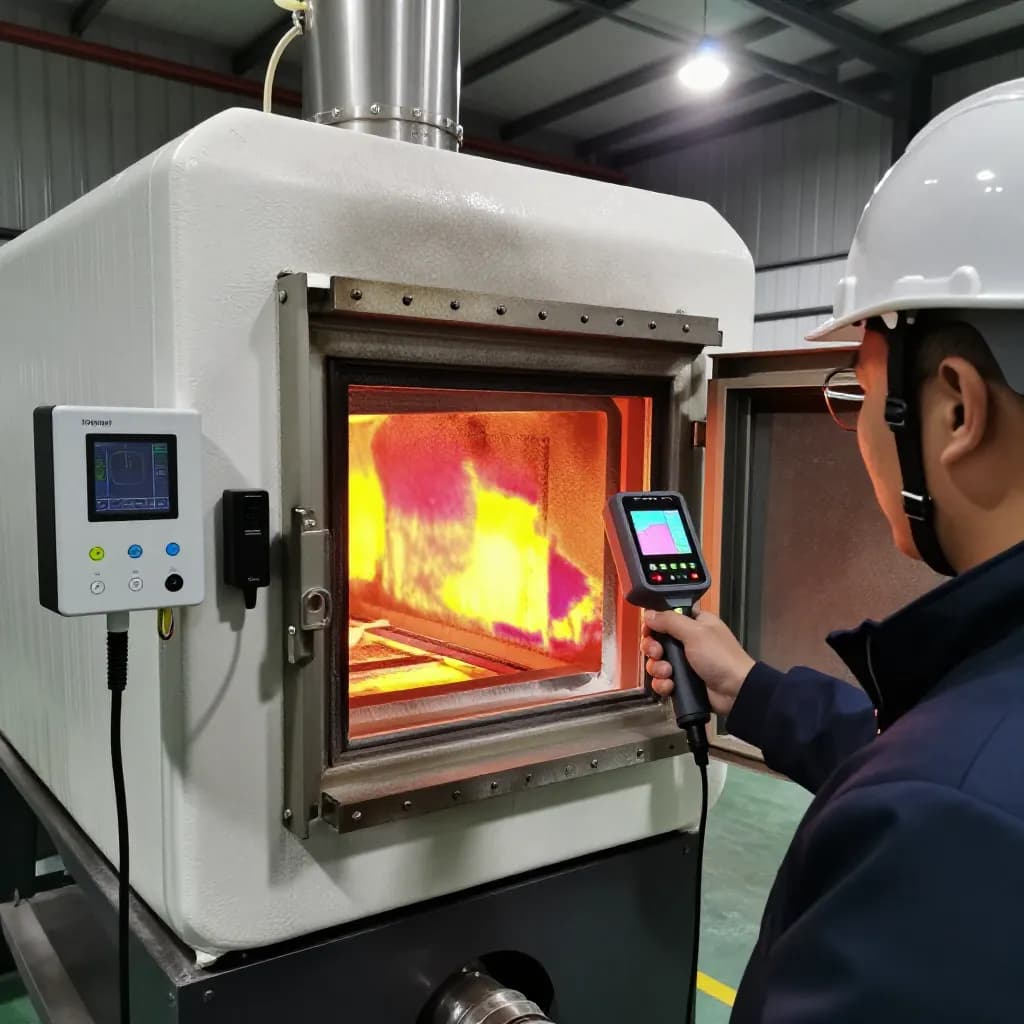
The curing oven is the dominant energy consumer in most powder coating operations, accounting for 50-70% of total facility energy consumption. The oven must heat parts and their carriers to cure temperature (typically 160-200°C), maintain that temperature for the specified cure time, and compensate for heat losses through the oven walls, openings, and exhaust. The energy required depends on the mass of parts being processed, the cure temperature and time, the oven insulation quality, and the efficiency of the heating system.
Ready to Start Your Project?
From one-off customs to 15,000-part production runs — get precise pricing in 24 hours.
On This Page
Energy Consumption Profile of Powder Coating Operations
Pretreatment heating is the second-largest energy consumer, typically accounting for 15-25% of total energy. Multi-stage pretreatment systems require heated chemical baths (typically 40-70°C for cleaning and conversion coating stages) and heated rinse water. The energy required depends on the number of heated stages, the bath temperatures, the throughput rate, and the heat losses from the bath surfaces and piping.
Compressed air systems typically account for 10-20% of total energy consumption. Powder coating operations use compressed air for powder fluidization, spray gun operation, booth air supply, blow-off stations, and general plant pneumatics. Compressed air is one of the most expensive forms of energy in industrial facilities — converting electrical energy to compressed air and then to useful work involves multiple conversion losses, with overall efficiency typically only 10-15%.
Lighting, HVAC, and auxiliary equipment account for the remaining 10-20% of energy consumption. While individually smaller than the major consumers, these systems offer improvement opportunities that can be implemented quickly and with relatively low capital investment.
An energy audit quantifies each of these consumption categories, identifies specific waste sources, and prioritizes improvement opportunities based on energy savings potential, implementation cost, and payback period. The audit provides the data-driven foundation for an energy optimization program that delivers measurable, sustained energy reduction.
Curing Oven Energy Optimization
The curing oven offers the largest energy savings potential because it is the largest energy consumer. Optimization strategies range from low-cost operational improvements to capital-intensive equipment upgrades, with payback periods ranging from immediate to several years.
Oven insulation is the first area to assess. Older ovens may have deteriorated insulation, gaps at panel joints, or insufficient insulation thickness by current standards. Infrared thermography of the oven exterior reveals hot spots where heat is escaping through insulation deficiencies. Adding or replacing insulation to achieve exterior surface temperatures below 40°C (a common benchmark) can reduce oven energy consumption by 10-20%. Insulation upgrades are relatively low-cost and provide rapid payback.
Oven openings — the entrance and exit through which parts enter and leave the oven — are major heat loss points. Convection currents carry hot air out of the oven through these openings, and the energy required to reheat replacement air is substantial. Minimizing opening size, installing air curtains or vestibule sections, and using flexible strip curtains at openings can reduce opening losses by 30-50%. For batch ovens, ensuring that doors seal tightly and are not left open unnecessarily is a zero-cost improvement.
Oven air circulation efficiency affects both energy consumption and cure uniformity. Poorly designed or maintained circulation systems create temperature variations within the oven that require higher setpoint temperatures to ensure that the coldest zones reach cure temperature. Optimizing fan speed, duct design, and air distribution to achieve uniform temperature (±5°C variation) allows the setpoint to be reduced to the minimum needed for cure, saving energy proportional to the temperature reduction.
Oven loading optimization ensures that the oven's thermal capacity is fully utilized. Running the oven at partial load — with fewer or smaller parts than the oven can accommodate — wastes energy heating the oven structure and air without proportional productive output. Scheduling production to maximize oven loading, using appropriately sized ovens for different part volumes, and avoiding running ovens empty during breaks or changeovers all improve energy efficiency.
Cure schedule optimization — reducing the cure temperature or time to the minimum needed for full cure — provides direct energy savings. Many powder coating operations use cure schedules with significant safety margins above the minimum required by the powder manufacturer. Verifying the actual minimum cure requirements through systematic cure window testing (DSC, solvent rub, mechanical testing at various cure schedules) can identify opportunities to reduce cure temperature by 5-10°C or cure time by 2-5 minutes without compromising coating quality.
Pretreatment Energy Reduction
Pretreatment systems consume energy primarily for heating chemical baths and rinse water. The energy optimization strategies for pretreatment focus on reducing heat losses, optimizing bath temperatures, and recovering waste heat.
Bath surface heat loss is the largest energy loss in pretreatment systems. Open bath surfaces lose heat through evaporation and convection, with evaporative losses being particularly significant for baths operating above 50°C. Installing insulated covers or floating insulation balls on heated baths when they are not actively processing parts can reduce surface heat losses by 50-80%. Automated covers that open when parts are immersed and close between loads provide the best combination of energy savings and production convenience.
Bath temperature optimization involves verifying that each heated stage is operating at the minimum temperature needed for effective chemical action. Pretreatment chemical suppliers provide recommended temperature ranges for their products, and many operations run at the upper end of these ranges as a safety margin. Testing the pretreatment effectiveness at lower temperatures — through adhesion testing and corrosion testing of coated panels — can identify opportunities to reduce bath temperatures by 5-15°C without compromising pretreatment quality.
Heat recovery from pretreatment exhaust air and wastewater captures energy that would otherwise be lost. Heat exchangers on exhaust air ducts can preheat incoming fresh air or incoming rinse water. Wastewater heat recovery systems extract heat from the warm discharge water and transfer it to incoming cold water. These heat recovery systems typically have payback periods of 2-4 years depending on energy costs and throughput volumes.
Low-temperature pretreatment chemistries — cleaning agents and conversion coatings that operate at ambient temperature or at reduced temperatures (30-40°C instead of 50-70°C) — can dramatically reduce pretreatment energy consumption. Modern chrome-free conversion coatings based on zirconium or silane chemistry often operate at lower temperatures than traditional zinc phosphate systems, providing both environmental and energy benefits. The transition to low-temperature pretreatment requires validation of coating adhesion and corrosion performance but can reduce pretreatment energy consumption by 30-50%.
Rinse water heating can be reduced or eliminated by using ambient-temperature rinses where the pretreatment chemistry allows. Many modern pretreatment processes perform adequately with ambient-temperature rinses, and the energy savings from eliminating rinse water heating can be significant — particularly in multi-stage systems with multiple heated rinse stages.
Compressed Air System Efficiency
Compressed air is often called the most expensive utility in industrial facilities because of the multiple energy conversion losses involved in its production and use. A typical compressed air system converts only 10-15% of the input electrical energy into useful work at the point of use — the remainder is lost as heat in the compressor, pressure drops in the distribution system, and leaks. Improving compressed air efficiency can reduce total facility energy consumption by 5-15%.
Leak detection and repair is the single most impactful compressed air improvement measure. Air leaks in distribution piping, hose connections, quick-connect fittings, and pneumatic equipment waste 20-30% of compressed air production in typical industrial facilities. Ultrasonic leak detection surveys identify leaks that are often inaudible in the noisy production environment. A systematic leak detection and repair program — conducted quarterly or semi-annually — can reduce compressed air consumption by 15-25% with minimal capital investment.
Pressure optimization involves reducing the system pressure to the minimum needed for reliable operation of all pneumatic equipment. Many compressed air systems operate at 7-8 bar when the actual equipment requirements are 5-6 bar. The excess pressure wastes energy (every 1 bar reduction in pressure saves approximately 7% of compressor energy) and increases leak rates (higher pressure drives more air through existing leaks). Pressure reduction requires surveying all pneumatic equipment to determine the minimum required pressure and installing pressure regulators at point-of-use locations where specific equipment needs higher pressure than the system minimum.
Compressor efficiency improvements include upgrading to variable-speed drive (VSD) compressors that adjust motor speed to match air demand, replacing older fixed-speed compressors with more efficient models, optimizing compressor staging (running the most efficient combination of compressors for the current demand level), and recovering compressor waste heat for space heating or process water heating. VSD compressors can reduce compressor energy consumption by 20-35% in applications with variable air demand.
Air treatment optimization ensures that compressed air is dried and filtered to the quality needed for powder coating application (dewpoint -40°C, oil-free, particulate-free) without over-treating air used for less critical applications. Segregating the compressed air system into high-quality (coating application) and standard-quality (general plant) circuits avoids the energy cost of drying and filtering all compressed air to coating-grade quality.
Point-of-use air consumption reduction involves evaluating each compressed air application and identifying opportunities to reduce consumption. Replacing compressed air blow-off with low-pressure blowers, using air-efficient spray guns, optimizing fluidization air pressure, and eliminating unnecessary air consumption (open blow-off nozzles, air-powered tools that could be electric) all contribute to reduced compressed air demand.
Heat Recovery and Waste Energy Utilization
Powder coating operations generate substantial amounts of waste heat that can be captured and reused, reducing the need for primary energy input. Heat recovery systems convert waste energy streams into useful heating, improving overall facility energy efficiency.
Oven exhaust heat recovery is the highest-potential opportunity. Curing ovens exhaust hot air (typically 150-200°C) to remove volatile byproducts and maintain air quality inside the oven. This exhaust air carries significant thermal energy that can be recovered using air-to-air heat exchangers (to preheat incoming oven makeup air), air-to-water heat exchangers (to heat process water or space heating water), or thermal oxidizer heat recovery systems (where the exhaust is treated in a thermal oxidizer, the heat from combustion can be recovered).
The energy recovery potential from oven exhaust depends on the exhaust volume, temperature, and the temperature of the medium being heated. A typical convection cure oven exhausting 2,000-5,000 m³/h of air at 180°C contains 50-150 kW of recoverable thermal energy. At current energy costs, this represents significant annual savings that can justify the capital investment in heat recovery equipment within 2-4 years.
Compressor heat recovery captures the waste heat generated during air compression. Approximately 90% of the electrical energy input to a compressor is converted to heat — in the compressed air, the compressor oil, and the compressor cooling system. This heat can be recovered using oil-to-water heat exchangers (for oil-cooled compressors) or air-to-water heat exchangers (for air-cooled compressors) and used for space heating, process water heating, or pretreatment bath heating. Compressor heat recovery systems are commercially available as standard options from major compressor manufacturers and typically have payback periods of 1-3 years.
Pretreatment waste heat recovery captures thermal energy from hot rinse water discharge, bath overflow, and exhaust air from heated baths. Heat exchangers on these waste streams can preheat incoming cold water, reducing the energy needed to heat fresh rinse water and bath makeup water. The economics of pretreatment heat recovery depend on the volume and temperature of the waste streams and the cost of the primary energy being displaced.
Combined heat and power (CHP) systems — also known as cogeneration — generate electricity and useful heat simultaneously from a single fuel source (typically natural gas). For powder coating facilities with significant simultaneous electricity and heat demands, CHP can improve overall energy efficiency from 35-40% (grid electricity plus separate boiler) to 80-90% (combined generation). CHP systems are most economically attractive for larger facilities with consistent, year-round heat demand.
Lighting, HVAC, and Auxiliary System Optimization
While individually smaller than the major energy consumers, lighting, HVAC, and auxiliary systems collectively account for 10-20% of facility energy consumption and offer improvement opportunities with rapid payback.
LED lighting upgrades provide one of the fastest-payback energy improvements available. Replacing fluorescent, metal halide, or high-pressure sodium lighting with LED equivalents typically reduces lighting energy consumption by 40-60% while improving light quality and reducing maintenance costs (LED fixtures last 50,000-100,000 hours compared to 10,000-20,000 hours for conventional fixtures). For powder coating facilities, LED lighting also reduces the heat load in the production area, potentially reducing HVAC energy consumption as well. Payback periods for LED upgrades are typically 1-3 years.
Occupancy sensors and daylight harvesting controls reduce lighting energy by turning off or dimming lights in areas that are unoccupied or adequately lit by natural daylight. Warehouse, office, and break room areas benefit most from occupancy sensors, while production areas near windows or skylights benefit from daylight harvesting. These controls can reduce lighting energy by an additional 20-30% beyond the savings from LED upgrades.
HVAC optimization for powder coating facilities involves balancing the need for temperature and humidity control in the production area (for powder quality and application consistency) with energy efficiency. Strategies include setback schedules (reducing heating/cooling during non-production hours), economizer cycles (using outside air for cooling when ambient conditions are favorable), variable-speed drives on HVAC fans and pumps, and improved building envelope insulation to reduce heating and cooling loads.
Motor efficiency improvements — replacing standard-efficiency motors with high-efficiency (IE3 or IE4) models and installing variable-speed drives on motors with variable load profiles — can reduce motor energy consumption by 10-30%. Fans, pumps, and compressors are the primary motor-driven loads in powder coating facilities, and these applications often have variable load profiles that benefit significantly from variable-speed drive control.
Energy monitoring and management systems provide real-time visibility into energy consumption by area, equipment, and time period. Sub-metering of major energy consumers (ovens, pretreatment, compressed air, lighting) enables identification of waste, verification of improvement measures, and ongoing optimization. Energy management software can analyze consumption patterns, identify anomalies, and generate reports for management review and regulatory compliance.
Conducting an Energy Audit: Methodology and Implementation
A systematic energy audit provides the data foundation for an effective energy optimization program. The audit methodology follows a structured sequence of data collection, analysis, opportunity identification, and implementation planning.
The preliminary assessment (Level 1 audit) involves collecting utility bills, production records, and equipment inventories to establish the facility's overall energy consumption profile. This assessment identifies the major energy consumers, calculates energy intensity metrics (energy per unit area coated, energy per unit production), and benchmarks the facility against industry averages. The preliminary assessment can be completed in 1-2 days and provides sufficient information to identify the highest-priority improvement areas.
The detailed audit (Level 2 audit) involves on-site measurement of energy consumption by individual equipment and systems. Portable power meters, flow meters, temperature loggers, and compressed air leak detectors are used to quantify energy consumption and losses at each major consumer. The detailed audit typically requires 3-5 days of on-site measurement and produces specific, quantified improvement recommendations with estimated savings, implementation costs, and payback periods.
The investment-grade audit (Level 3 audit) provides the detailed engineering analysis needed to justify major capital investments in energy efficiency. This level of audit includes detailed equipment specifications, engineering calculations, vendor quotations, and financial analysis (net present value, internal rate of return) for each recommended improvement. Level 3 audits are typically performed for specific high-value opportunities identified in the Level 2 audit.
Implementation should follow a prioritized sequence, starting with low-cost, quick-payback measures (leak repair, setback schedules, operational improvements) and progressing to higher-cost, longer-payback measures (equipment upgrades, heat recovery systems, building envelope improvements). This approach generates early savings that can help fund subsequent investments and builds organizational momentum for the energy optimization program.
Ongoing monitoring and verification ensures that implemented measures deliver the expected savings and that new waste sources do not develop over time. Regular energy reviews (monthly or quarterly), comparison of actual consumption against targets, and periodic re-auditing (every 3-5 years) maintain the focus on energy efficiency and identify new improvement opportunities as technology and operating conditions evolve.
Frequently Asked Questions
What is the biggest energy consumer in a powder coating facility?
The curing oven typically accounts for 50-70% of total facility energy consumption. It must heat parts to 160-200°C and maintain that temperature for the cure duration while compensating for heat losses. Oven insulation, opening management, and cure schedule optimization offer the largest energy savings potential.
How much energy can be saved by fixing compressed air leaks?
Typical industrial facilities waste 20-30% of compressed air production through leaks. A systematic leak detection and repair program can reduce compressed air consumption by 15-25%, which translates to 2-5% of total facility energy consumption. Ultrasonic leak detection surveys identify leaks that are inaudible in production environments.
What is the payback period for LED lighting upgrades?
LED lighting upgrades typically have payback periods of 1-3 years, making them one of the fastest-return energy investments. LEDs reduce lighting energy by 40-60% compared to conventional fixtures, last 3-5 times longer (reducing maintenance costs), and reduce heat load in the production area.
Can oven exhaust heat be recovered and reused?
Yes. Air-to-air heat exchangers can preheat incoming oven makeup air, and air-to-water heat exchangers can heat process water or space heating water. A typical cure oven exhaust contains 50-150 kW of recoverable thermal energy. Heat recovery systems typically have payback periods of 2-4 years.
How often should an energy audit be conducted?
A comprehensive energy audit should be conducted every 3-5 years, with ongoing energy monitoring between audits. Initial audits often identify savings of 15-30% of total energy consumption. Subsequent audits capture new opportunities from technology advances, production changes, and equipment aging.
What is a good energy intensity benchmark for powder coating?
Energy intensity varies widely by operation type, but typical benchmarks range from 3-8 kWh per square meter of coated surface for efficient operations. Comparing your facility's energy intensity against industry benchmarks and tracking it over time provides a useful measure of energy efficiency improvement progress.
Ready to Start Your Project?
From one-off customs to 15,000-part production runs — get precise pricing in 24 hours.