Elevator interiors endure some of the most punishing conditions of any architectural surface. A busy commercial or residential lift may complete thousands of journeys per day, with each trip exposing interior panels to luggage impacts, trolley collisions, pushchair scrapes, and the constant friction of passengers leaning against walls. Over the course of a year, the cumulative wear on elevator surfaces is extraordinary.
Architecture
Powder Coating for Elevator Interiors and Lift Components
Sundial Powder Coating·April 20, 2026·9 min
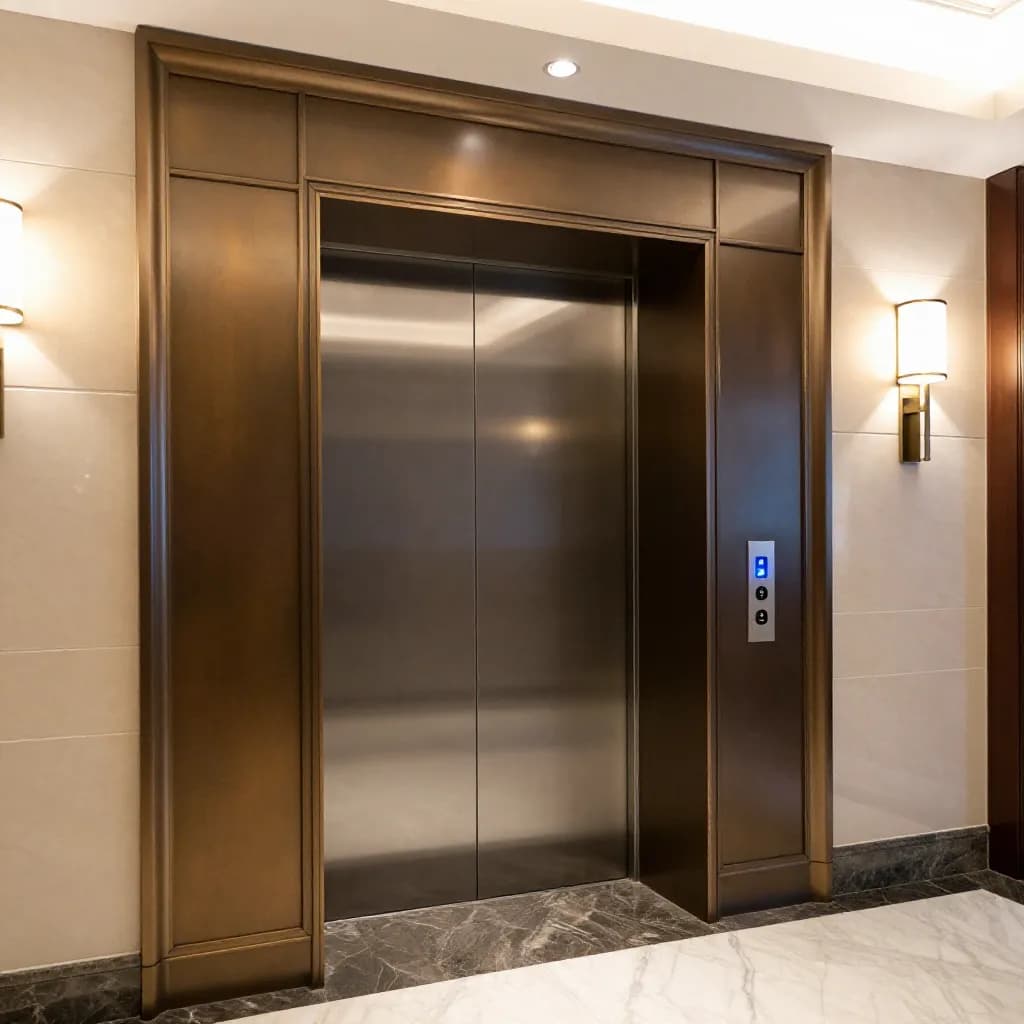
Beyond physical impacts, elevator interiors must withstand aggressive cleaning regimes. Building managers routinely use chemical cleaning agents to remove fingerprints, scuff marks, and biological contamination from cabin surfaces. These cleaning chemicals can degrade thin paint films over time, leading to discoloration, softening, and eventual failure of the coating system.
Ready to Start Your Project?
From one-off customs to 15,000-part production runs — get precise pricing in 24 hours.
On This Page
Elevator Interior Demands: Thousands of Uses Daily
Vandalism adds another layer of challenge. Scratched graffiti, marker pen, adhesive stickers, and deliberate gouging are common in public and semi-public lifts. The coating system must resist these attacks and, where damage does occur, must be easy to clean or repair without replacing entire panels.
Powder Coating Advantages for Lift Cabins
Powder coating addresses every major challenge facing elevator interior finishes. Applied at 60-120 microns, the film is substantially thicker than liquid paint at 25-50 microns, providing a robust barrier against impacts from luggage, trolleys, and daily passenger contact. The thermoset nature of cured powder coating creates a hard, cross-linked film that resists scratching and abrasion far more effectively than air-dried liquid paint.
Anti-graffiti powder coating formulations are specifically designed for high-vandalism environments like elevators. These coatings feature a low surface energy that prevents marker pen, spray paint, and adhesive residues from bonding permanently to the surface. Graffiti can be removed with standard cleaning solvents without damaging the underlying finish, keeping elevator interiors looking clean with minimal maintenance effort.
Powder coating produces zero volatile organic compounds during application and throughout its service life. In the enclosed, poorly ventilated environment of an elevator cabin, this is a significant health advantage. Passengers are not exposed to off-gassing from solvent-based paints, and building operators can be confident that their lift interiors contribute no harmful emissions to indoor air quality.
Design Options for Elevator Interiors
Modern powder coating technology offers elevator manufacturers and refurbishment specialists a vast palette of design options. Metallic finishes in brushed silver, champagne gold, and bronze tones can replicate the appearance of expensive metal laminates at a fraction of the weight and with superior durability. Textured finishes add tactile interest while also helping to disguise minor scuffs and fingerprints between cleaning cycles.
Matte and satin finishes are increasingly popular for premium elevator interiors, providing a sophisticated, contemporary aesthetic that avoids the clinical appearance of high-gloss surfaces. These lower-sheen finishes also reduce visible fingerprinting, a practical advantage in a space where every surface is touched repeatedly throughout the day.
Custom color matching allows elevator interiors to be coordinated with building lobby finishes, corporate branding, or interior design schemes. RAL, NCS, and bespoke color references can all be matched precisely, giving architects and interior designers complete control over the visual integration of elevator cabins within their broader design concept.
Comparison with Stainless Steel and Laminate Finishes
Stainless steel has long been the default material for elevator interiors, particularly in commercial buildings. While stainless steel is undeniably durable, it has significant drawbacks. It shows fingerprints and smudges immediately, requiring constant cleaning to maintain an acceptable appearance. It is heavy, adding to the structural load on the lift mechanism, and it offers limited design flexibility — essentially restricting interiors to a metallic silver appearance.
Laminate finishes offer more design variety but suffer from poor impact resistance. The thin decorative layer is vulnerable to delamination at edges and corners, particularly where trolleys and luggage make repeated contact. Once the laminate surface is breached, moisture can penetrate the substrate, causing swelling, bubbling, and irreversible damage that necessitates full panel replacement.
Powder-coated aluminum or steel panels offer a compelling middle ground. They deliver the design flexibility of laminates with durability approaching that of stainless steel, at a lower weight. The 60-120 micron powder film resists impacts, scratches, and cleaning chemicals while offering unlimited color and finish options. When damage does occur, individual panels can be recoated rather than replaced, extending the service life of the entire cabin system.
Why Liquid Paint Fails in Elevator Environments
Liquid paint is fundamentally unsuited to the demands of elevator interiors. Applied at just 25-50 microns, the thin film provides inadequate protection against the constant mechanical abuse that lift cabins endure. Trolley wheels, suitcase corners, and even belt buckles can chip through a liquid paint film to expose the bare substrate beneath, creating unsightly damage that is difficult to repair invisibly.
The aggressive cleaning regimes required in elevator environments accelerate the degradation of liquid paint. Repeated exposure to chemical cleaning agents softens and erodes thin paint films, leading to progressive loss of gloss, color change, and eventual coating breakdown. Within just a few years, liquid-painted elevator panels can appear worn and neglected, reflecting poorly on the building as a whole.
Liquid paint also presents air quality concerns in enclosed elevator cabins. Solvent-based paints continue to off-gas volatile organic compounds for weeks or months after application, and even water-based liquid paints can emit low levels of VOCs during their early life. In the confined, recirculated air environment of a lift cabin, these emissions are concentrated and can contribute to poor indoor air quality. Powder coating, with its zero VOC profile, eliminates this concern entirely.
Frequently Asked Questions
How durable is powder coating in high-traffic elevator interiors?
Powder coating is exceptionally durable in elevator environments. Applied at 60-120 microns, the film is two to three times thicker than liquid paint, providing superior resistance to impacts from luggage, trolleys, and daily passenger contact. The hard, cross-linked thermoset film resists scratching and withstands aggressive cleaning chemicals without degradation.
Can powder-coated elevator panels resist graffiti and vandalism?
Yes. Anti-graffiti powder coating formulations feature a low surface energy that prevents marker pen, spray paint, and adhesive residues from bonding permanently. Graffiti can be removed with standard cleaning solvents without damaging the finish, making powder coating ideal for public and semi-public elevator installations.
Is powder coating safe for enclosed elevator cabins?
Powder coating is the safest finish option for enclosed spaces like elevator cabins. It produces zero volatile organic compounds during application and throughout its service life, ensuring no harmful off-gassing in the confined, recirculated air environment of a lift. This is a significant advantage over solvent-based liquid paints.
What finishes are available for powder-coated elevator interiors?
Powder coating offers a wide range of finishes for elevator interiors, including metallic effects in brushed silver, champagne gold, and bronze tones, as well as textured, matte, satin, and high-gloss options. Custom color matching to RAL, NCS, or bespoke references allows full coordination with building interior design schemes.
Ready to Start Your Project?
From one-off customs to 15,000-part production runs — get precise pricing in 24 hours.