Earth tone powder coatings draw their inspiration from the natural landscape, replicating the warm, grounded colors of soil, clay, stone, dried vegetation, and mineral deposits. These colors create an immediate visual connection between built structures and the natural environment, making them central to the biophilic design movement that is reshaping contemporary architecture and interior design.
Design
Powder Coating Earth Tone Colors: Terracotta, Olive, Sand, Clay, and Biophilic Design Palettes
Sundial Powder Coating·April 22, 2026·11 min
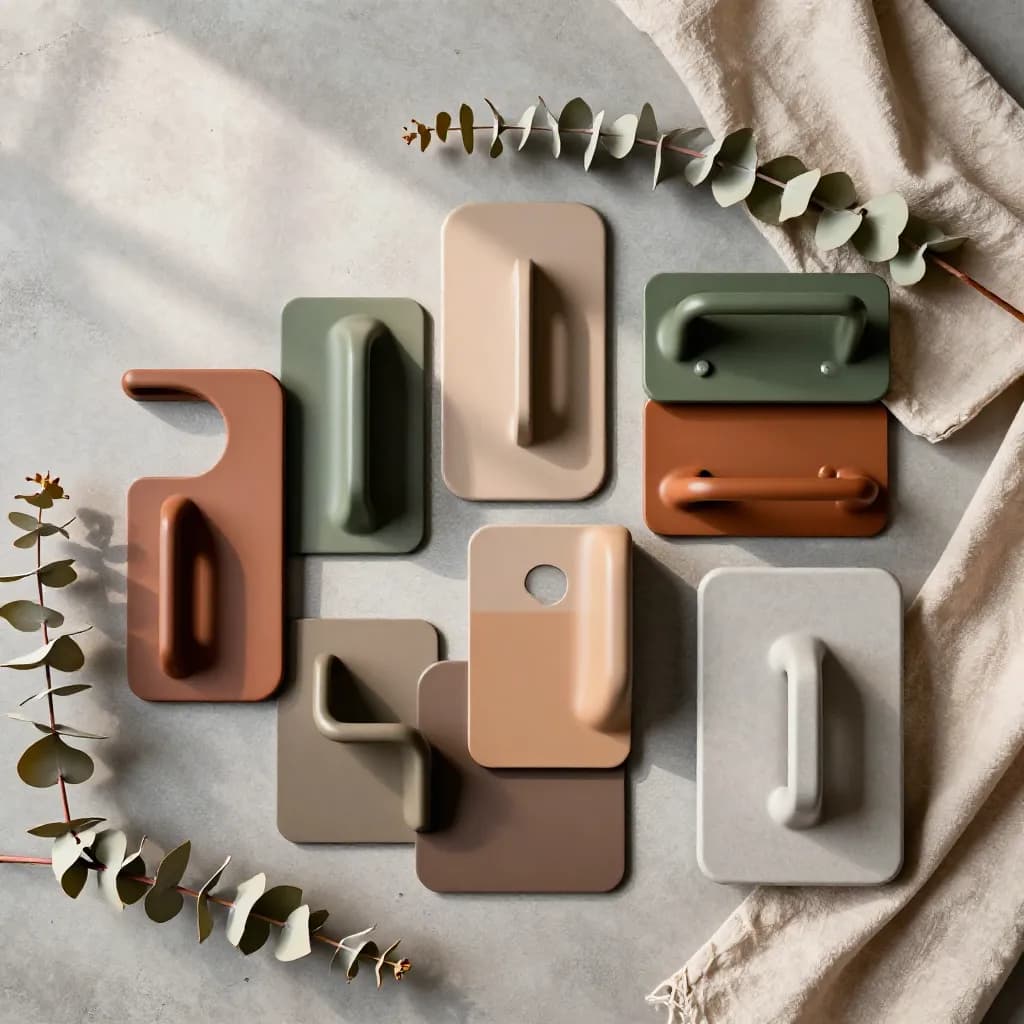
The earth tone palette encompasses a broad range of warm, desaturated colors including terracotta, sienna, ochre, sand, clay, olive, sage, umber, and rust. What unites these colors is their natural origin and their warm, organic character. Earth tones feel inherently comfortable and familiar because they reference the colors that humans have lived among throughout evolutionary history. This deep familiarity gives earth tones a psychological warmth that synthetic or highly saturated colors cannot replicate.
Ready to Start Your Project?
From one-off customs to 15,000-part production runs — get precise pricing in 24 hours.
On This Page
Earth Tones in Powder Coating: Connecting Buildings to Nature
The current resurgence of earth tones in design represents a reaction against the cool, grey-dominated palettes that characterized the 2010s. Designers and architects are increasingly drawn to warmer, more natural color palettes that create environments with emotional warmth and a sense of connection to place. Earth tone powder coatings enable this design direction on metal surfaces, bringing natural color to facades, furniture, fixtures, and architectural elements that would otherwise default to neutral greys, blacks, or whites.
Terracotta: The Signature Earth Tone
Terracotta has emerged as the defining earth tone of contemporary design, bringing the warm, sun-baked character of Mediterranean and desert landscapes into architecture and interiors worldwide. The word terracotta literally means baked earth, and the color carries all the warmth, authenticity, and groundedness that this origin implies.
In powder coating, terracotta tones range from light, pinkish clay to deep, reddish-brown. RAL 8023 Orange Brown and RAL 8004 Copper Brown provide standard references in the terracotta range, though many designers prefer custom-matched terracotta tones that are softer and more muted than these RAL standards. The most popular contemporary terracotta shades have a dusty, slightly desaturated quality that feels natural and unforced.
Terracotta powder coating is increasingly specified for architectural facades, particularly in residential and hospitality projects where the warm color creates an inviting, welcoming character. Terracotta cladding panels, window frames, and balcony balustrades reference the traditional clay building materials of Mediterranean, Middle Eastern, and Latin American architecture while using modern aluminum construction systems.
In interior design, terracotta powder-coated furniture and fixtures create warm, characterful spaces that feel both contemporary and timeless. Terracotta pairs beautifully with natural materials including timber, rattan, linen, and natural stone, creating material palettes that feel curated and organic. The color is particularly effective in dining spaces, living rooms, and hospitality environments where warmth and conviviality are design priorities.
For exterior terracotta applications, super-durable polyester formulations provide the UV stability needed to maintain the warm, rich tone over time. Terracotta pigments are generally stable under UV exposure, but the specific formulation should be verified through accelerated weathering data to ensure long-term color retention.
Sand, Clay, and Warm Neutral Earth Tones
Sand and clay tones occupy the lighter, more neutral end of the earth tone spectrum, providing warm alternatives to the cool greys and whites that have dominated architectural specification. These colors create bright, open spaces with a warmth and softness that cool neutrals cannot achieve.
Sand tones range from pale, warm beige to deeper golden-sand colors. RAL 1015 Light Ivory and RAL 1013 Oyster White provide light sand references, while RAL 1001 Beige and RAL 1011 Brown Beige offer deeper sand tones. Sand colors are versatile architectural neutrals that work as both primary facade colors and complementary tones alongside stronger earth tone accents.
Clay tones are warmer and more pink-toned than sand, referencing the color of natural clay in its various forms. Light clay tones create soft, warm backgrounds for interior spaces, while deeper clay tones provide rich, enveloping color for feature walls and accent elements. RAL 3012 Beige Red and RAL 1014 Ivory provide references in the clay tone range, though custom matching is often preferred for the specific muted, dusty clay tones currently trending.
Ochre and sienna tones add more color intensity to the earth tone palette. Ochre, a warm yellow-brown, references the natural mineral pigment that has been used in art and decoration since prehistoric times. RAL 1024 Ochre Yellow provides a standard reference. Sienna, a warm reddish-brown, takes its name from the Italian city and the natural earth pigment found there. RAL 8001 Ochre Brown approximates burnt sienna tones.
Umber tones, both raw and burnt, provide the darkest earth tone neutrals. Raw umber is a cool, greenish-brown, while burnt umber is a warm, reddish-brown. These deep earth tones serve as grounding elements in earth tone palettes, providing visual weight and contrast without the starkness of black or dark grey. RAL 8014 Sepia Brown and RAL 8028 Terra Brown provide references in the umber range.
Olive and Green Earth Tones
Olive and green earth tones bridge the gap between the warm brown-based earth tones and the cooler green spectrum, creating colors that reference vegetation, moss, lichen, and the green-brown tones of natural landscapes. These colors are central to biophilic design palettes that seek to bring the calming influence of nature into built environments.
Olive green, represented by RAL 6003 Olive Green and RAL 6013 Reed Green, is a warm, brownish-green that evokes Mediterranean olive groves, military heritage, and artisanal craft traditions. Olive has become one of the most popular earth tone choices for contemporary furniture and interior metalwork, offering a sophisticated alternative to the sage greens that have dominated recent design trends.
Sage green, while technically a pastel rather than a pure earth tone, is frequently grouped with earth tones because of its natural, organic character. Sage tones are softer and greyer than olive, creating a more muted, calming effect. RAL 6021 Pale Green provides a reference point, though custom-matched sage tones are typically preferred for their softer, dustier character.
Moss green references the deep, rich green of forest moss, creating a color that feels ancient, natural, and deeply connected to woodland environments. RAL 6005 Moss Green provides the standard reference, though earth tone applications often use lighter, more muted interpretations of moss green that feel less saturated and more natural.
Khaki and stone-green tones occupy the neutral zone between green and brown, creating versatile earth tones that work as both primary colors and supporting neutrals. These colors reference the natural camouflage tones of landscapes where vegetation and earth intermingle, creating a visual harmony that feels instinctively comfortable.
For architectural applications, green earth tones are particularly effective on buildings set within landscaped grounds, where the green-toned metalwork creates a visual dialogue with the surrounding vegetation. The muted, desaturated character of green earth tones ensures that the building complements rather than competes with its natural setting.
Biophilic Design and Earth Tone Specification
Biophilic design, the practice of incorporating natural elements and references into built environments to enhance human wellbeing, has become one of the most influential movements in contemporary architecture and interior design. Earth tone powder coatings are a primary tool for implementing biophilic color strategies on metal surfaces.
The biophilic color palette is derived from the colors found in natural environments: the browns and tans of earth and bark, the greens of foliage, the warm tones of sunlight on stone, and the muted blues of sky and water. Earth tone powder coatings provide access to this entire palette on metal substrates, allowing architects to create buildings and interiors that reference the natural world through color even when actual natural materials are not practical.
Research in environmental psychology supports the use of earth tones in built environments. Studies have shown that exposure to natural colors reduces stress, improves mood, and enhances cognitive performance compared to environments dominated by artificial or highly saturated colors. Earth tone interiors create a sense of calm and security that supports wellbeing in workplaces, healthcare facilities, educational buildings, and residential spaces.
Biophilic earth tone palettes typically combine three to five earth tones in a coordinated scheme, with one or two dominant tones and several supporting accents. A typical biophilic palette might combine sand as the primary neutral, terracotta as the warm accent, olive as the green element, and umber as the dark grounding tone. Powder coating enables this multi-color approach on metal elements throughout a building, from facade cladding to interior furniture and fixtures.
The texture of earth tone powder coatings contributes to the biophilic effect. Matte and fine-textured finishes feel more natural and organic than smooth, glossy surfaces, reinforcing the connection to natural materials. Sand textures, in particular, create a tactile quality that references natural stone and earth surfaces, adding a sensory dimension to the biophilic color strategy.
Earth Tones in Architectural Facade Design
Earth tone powder coatings are increasingly specified for architectural facades, where they create buildings that feel grounded, contextual, and connected to their surroundings. The warm, natural character of earth tones provides a welcome alternative to the cool grey and black facades that have dominated contemporary architecture.
Contextual facade design uses earth tones to connect buildings to their local landscape and building traditions. In desert and arid regions, sand and terracotta tones reference the natural terrain and traditional adobe and rammed earth construction. In temperate regions, olive and umber tones reference the colors of local vegetation and soil. In coastal areas, warm sand and driftwood tones reference the beach and shoreline landscape.
Mixed-material facades combine earth tone powder-coated metal with natural materials such as timber, stone, and brick to create rich, layered compositions. The earth tone metal elements coordinate with the natural materials rather than contrasting against them, creating a harmonious facade that feels cohesive and considered. This approach is particularly effective for residential and hospitality buildings where a warm, welcoming character is the design priority.
Monochromatic earth tone facades use multiple shades within a single earth tone family to create subtle variation and visual interest. A facade combining light sand, medium sand, and deep sand tones, for example, creates a warm, unified composition with enough variation to avoid monotony. This approach requires careful color coordination to ensure that the different tones work harmoniously together.
For exterior earth tone applications, the same durability considerations apply as for any architectural powder coating. Super-durable polyester formulations with Qualicoat Class 2 or AAMA 2605 certification provide the necessary long-term performance. Earth tone pigments are generally stable under UV exposure, but specific formulations should be verified through accelerated weathering data, particularly for lighter tones that may show fading or chalking more visibly.
Specifying Earth Tone Powder Coating: Creating Cohesive Palettes
Earth tone powder coating specification benefits from a palette-based approach, where multiple earth tones are selected and coordinated as a unified color scheme rather than specified individually. This approach ensures visual harmony across all the earth tone elements in a project.
Develop the earth tone palette before specifying individual colors. Select three to five earth tones that work together as a coordinated scheme, considering the relationships between warm and cool tones, light and dark values, and saturated and muted intensities. Evaluate the palette as a whole, using large-format sample panels arranged together, to verify that the colors create the intended visual effect.
Provide physical color references for each earth tone in the palette. Natural material samples, paint swatches, fabric samples, or photographs of natural landscapes can all serve as starting points for custom color matching. Earth tones are often difficult to specify from the RAL system alone because the most desirable contemporary earth tones tend to be softer and more muted than standard RAL colors.
Specify matte or satin finishes for earth tone applications. Gloss levels below 30 units at 60 degrees are most appropriate for earth tones, as higher gloss levels can make these natural colors appear artificial and plastic-like. Matte finishes create the soft, organic quality that aligns with the natural character of earth tones. Fine textures can add additional tactile interest that reinforces the natural material reference.
Consider the interaction between earth tone powder coatings and adjacent natural materials. Evaluate the powder-coated samples alongside the actual timber, stone, brick, or other materials they will be installed with. Earth tones that look perfect in isolation may not coordinate well with specific natural materials, and the relationship between the coated metal and the natural materials is critical to the success of the overall design.
For exterior applications, verify UV stability for each earth tone in the palette. While earth tone pigments are generally stable, lighter tones and those with organic pigment components should be confirmed through accelerated weathering data. Specify Qualicoat Class 2 or AAMA 2605 for architectural exterior applications to ensure long-term color retention across the entire earth tone palette.
Frequently Asked Questions
What are the most popular earth tone powder coating colors?
Terracotta, sand, olive, clay, and warm beige are the most popular earth tones in current design. Terracotta has emerged as the signature earth tone of contemporary design, while sand and clay provide versatile warm neutrals. Olive and sage bridge the gap between brown and green earth tones.
What RAL codes correspond to earth tone colors?
Key earth tone RAL references include RAL 8023 Orange Brown for terracotta, RAL 1015 Light Ivory for sand, RAL 6003 Olive Green for olive, RAL 1001 Beige for warm neutral, and RAL 8028 Terra Brown for umber. However, custom matching often produces more accurate results for contemporary earth tone trends.
What gloss level works best for earth tone powder coating?
Matte finishes below 20 gloss units or low satin at 20-30 gloss units are most appropriate for earth tones. These low-gloss finishes create the soft, organic quality that aligns with the natural character of earth colors. Higher gloss levels can make earth tones appear artificial.
Are earth tone powder coatings suitable for exterior facades?
Yes, earth tones are increasingly popular for architectural facades. Super-durable polyester formulations with Qualicoat Class 2 or AAMA 2605 certification provide long-term exterior performance. Earth tone pigments are generally UV-stable, though specific formulations should be verified through weathering data.
How do earth tones support biophilic design?
Earth tones reference the colors found in natural environments, creating a visual connection to nature that research shows reduces stress and improves wellbeing. Biophilic earth tone palettes typically combine three to five coordinated natural colors on metal surfaces throughout a building, from facades to interior furniture.
Ready to Start Your Project?
From one-off customs to 15,000-part production runs — get precise pricing in 24 hours.