Powder coating pricing is not a simple per-kilogram calculation — it is influenced by a complex interplay of factors that reflect the time, materials, and process complexity involved in producing a quality finish. Understanding these factors helps specifiers and buyers make informed decisions and avoid surprises when quotes arrive.
Guides
Powder Coating Cost: What Affects Price and How to Budget
Sundial Powder Coating·April 20, 2026·8 min
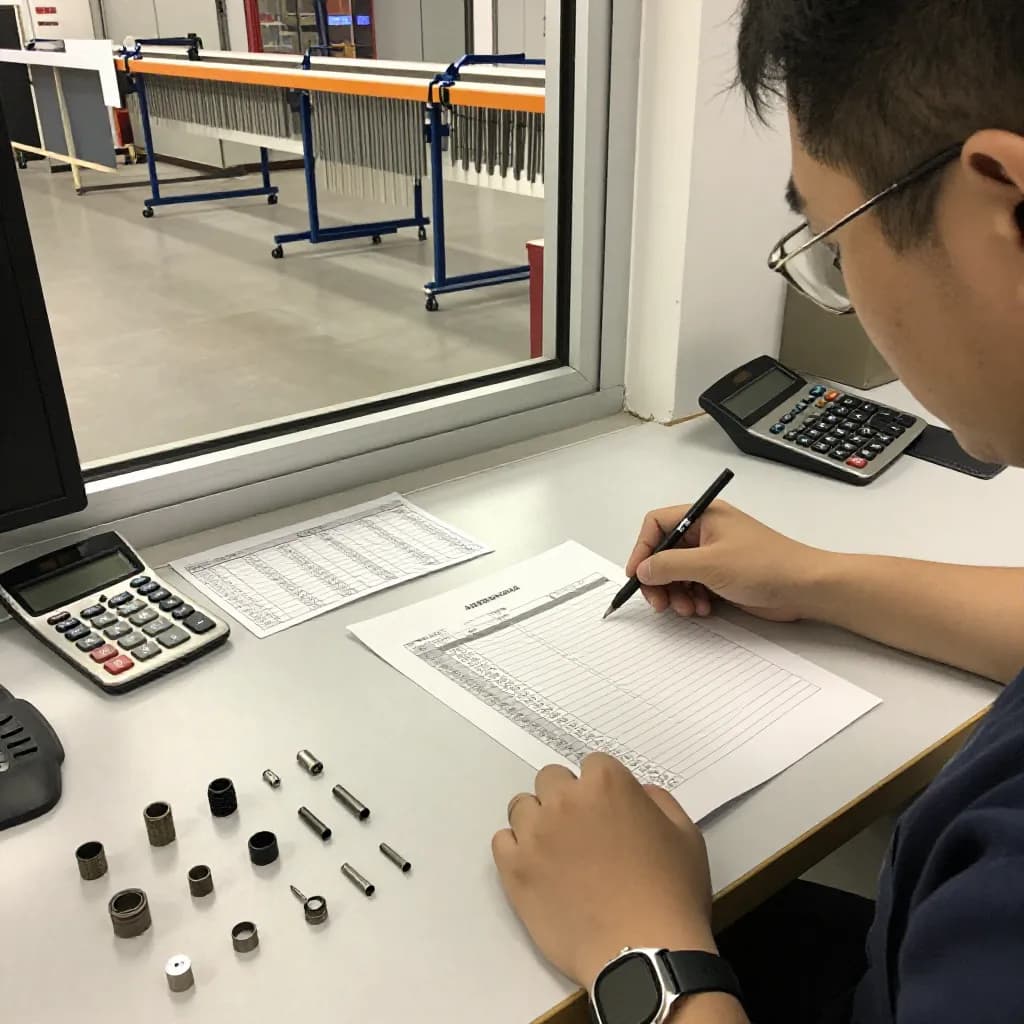
Part size and geometry are primary cost drivers. Larger parts require more powder material, longer oven dwell times, and more rack space, all of which increase cost. Complex geometries with recesses, internal corners, and Faraday cage areas require more skilled application, additional powder, and sometimes manual touch-up spraying to achieve uniform coverage. Simple flat panels are the most economical to coat, while intricate castings or fabricated assemblies with multiple surfaces and angles command a premium.
Ready to Start Your Project?
From one-off customs to 15,000-part production runs — get precise pricing in 24 hours.
On This Page
Factors That Affect Powder Coating Cost
Color and finish selection also impact cost. Standard colors that the applicator runs frequently are less expensive because they minimize color change downtime and powder waste. Custom colors, metallic effects, and textured finishes require specialty powders that are more expensive per kilogram and may have minimum order quantities. The quality standard specified — Qualicoat Class 1 vs Class 2, or GSB Master vs Florida — affects cost through the grade of powder required and the rigor of quality control testing.
Typical Price Ranges for Powder Coating
Powder coating prices vary significantly by region, applicator, and project specifics, but general ranges provide useful benchmarks for budgeting. For small individual items such as bicycle frames, automotive wheels, or furniture components, pricing is typically quoted per piece. A bicycle frame might cost $75-150 to powder coat, automotive wheels $50-100 each, and small brackets or hardware $5-25 per piece, depending on size and preparation requirements.
For architectural and industrial projects, pricing is more commonly quoted per square meter of coated surface area. Standard single-coat polyester powder coating on aluminum extrusions typically ranges from $8-20 per square meter, depending on volume, color, and quality standard. Dual-coat systems (primer plus topcoat) add 40-60% to the single-coat price. Superdurable and hyperdurable formulations carry a 10-25% premium over standard polyester. Large-volume projects with consistent part sizes and limited color changes achieve the lower end of these ranges, while small batches with multiple colors and complex parts fall at the higher end.
Volume is one of the most significant cost levers. High-volume production runs allow the applicator to optimize line speed, minimize color changes, and achieve better material utilization, all of which reduce the per-unit cost. Consolidating orders, standardizing colors across a project, and providing consistent part sizes all help drive costs down.
Powder Coating vs Liquid Painting: Cost Comparison
When comparing powder coating to liquid painting on a per-unit basis, powder coating often appears more expensive for the initial application. Liquid paint materials are generally less expensive per liter than powder coating materials per kilogram, and liquid painting equipment has lower capital costs. However, this comparison is misleading because it ignores the total cost of ownership and the significant hidden costs associated with liquid painting.
Powder coating achieves material utilization rates of 95-98% because overspray powder is collected and recycled. Liquid paint overspray is largely wasted, with typical transfer efficiencies of 30-70% depending on the application method. This means that while the raw material cost per kilogram may be higher for powder, the actual material cost per finished part is often comparable or lower. Powder coating also eliminates the cost of solvents, thinners, and the hazardous waste disposal associated with solvent-based liquid paints.
The durability advantage of powder coating further shifts the cost equation in its favor over the product lifecycle. Powder coated surfaces typically last 2-3 times longer than equivalent liquid paint finishes before requiring maintenance or recoating. For architectural applications, this translates to decades of reduced maintenance costs. When lifecycle cost is considered — including material waste, energy, labor, maintenance, and disposal — powder coating is frequently the most economical choice, particularly for metal substrates in demanding environments.
Hidden Costs to Consider
Beyond the quoted price per piece or per square meter, several hidden costs can significantly impact the total cost of a powder coating project. Rework is one of the most common hidden costs. If parts arrive at the coating facility with surface defects, contamination, or dimensional issues, they may need to be stripped and recoated, adding cost and delay. Ensuring parts are clean, properly fabricated, and free of weld spatter, oil, and handling marks before delivery to the coater minimizes rework.
Transport and logistics costs are often underestimated. Powder coating requires parts to be transported to and from the coating facility, and fragile or large components may need specialized packaging and handling to prevent damage during transit. For architectural projects, the cost of transporting long extrusions or large panels can be significant, and damage during transport may necessitate costly recoating.
Quality failures that are discovered after installation are the most expensive hidden cost of all. A coating that fails prematurely due to inadequate pretreatment, incorrect powder selection, or insufficient cure requires on-site remediation or component replacement — costs that can be orders of magnitude higher than the original coating cost. Investing in a quality-certified applicator, specifying recognized quality standards, and requiring documentation and test reports upfront is the most effective way to avoid these catastrophic hidden costs.
How to Get the Best Value from Your Coating Budget
Getting the best value from powder coating is not about finding the cheapest price — it is about optimizing the balance between cost, quality, and long-term performance. Start by selecting a coating applicator with relevant quality certifications such as Qualicoat, GSB, or AAMA approval. These certifications ensure the applicator has the equipment, processes, and quality control systems to deliver consistent, specification-compliant results. The modest premium for a certified applicator is insignificant compared to the cost of premature coating failure.
Standardize colors and finishes across your project wherever possible. Every color change requires the applicator to clean the spray booth, guns, and recovery system, which takes time and wastes powder. Reducing the number of colors from ten to five, for example, can meaningfully reduce the per-unit coating cost. Similarly, choosing colors from the applicator's standard range rather than custom colors avoids minimum order quantities and specialty powder premiums.
Plan ahead and communicate clearly with your coating supplier. Provide accurate quantities, dimensions, and specifications early in the project to allow the applicator to plan production efficiently. Discuss pretreatment requirements, quality standards, and testing expectations upfront. Request a detailed quotation that breaks down material, pretreatment, application, and testing costs so you can identify opportunities for optimization. Building a long-term relationship with a reliable coating partner — rather than chasing the lowest quote on every project — delivers the best value over time through consistent quality, priority scheduling, and collaborative problem-solving.
Frequently Asked Questions
How much does powder coating cost per square meter?
Standard single-coat polyester powder coating on aluminum typically costs $8-20 per square meter, depending on volume, color, complexity, and quality standard. Dual-coat systems cost 40-60% more. Large-volume projects with standard colors achieve the lower end of this range, while small batches with custom colors and complex parts fall at the higher end.
Is powder coating cheaper than painting?
While the initial material cost of powder coating may be higher than liquid paint, the total cost is often lower when you factor in material utilization (95-98% vs 30-70%), elimination of solvents and hazardous waste, reduced labor for multi-coat systems, and significantly longer service life requiring less frequent maintenance and recoating.
Why do custom colors cost more to powder coat?
Custom colors cost more because the powder must be specially manufactured to match the specified color, often with minimum order quantities of 25-100 kg. The applicator also incurs additional color change time and may not be able to recycle overspray if the volume is too small to justify a dedicated recovery system for that color.
How can I reduce powder coating costs on my project?
Reduce costs by standardizing colors (fewer color changes), choosing colors from the applicator's standard range, consolidating orders for volume efficiency, ensuring parts arrive clean and defect-free to minimize rework, and working with a certified applicator who delivers right-first-time quality to avoid costly failures and recoating.
Ready to Start Your Project?
From one-off customs to 15,000-part production runs — get precise pricing in 24 hours.