Corten steel, also known as weathering steel, has become one of the most sought-after materials in contemporary architecture. Its distinctive rust-orange patina, which develops naturally through controlled oxidation, creates a warm, organic surface that evolves over time and connects buildings to the natural landscape. Iconic projects from Richard Serra sculptures to award-winning architectural facades have cemented corten's place in the design vocabulary.
Design
Powder Coating Corten Rust Effect Finishes: Weathering Steel Look Without Corrosion
Sundial Powder Coating·April 22, 2026·11 min
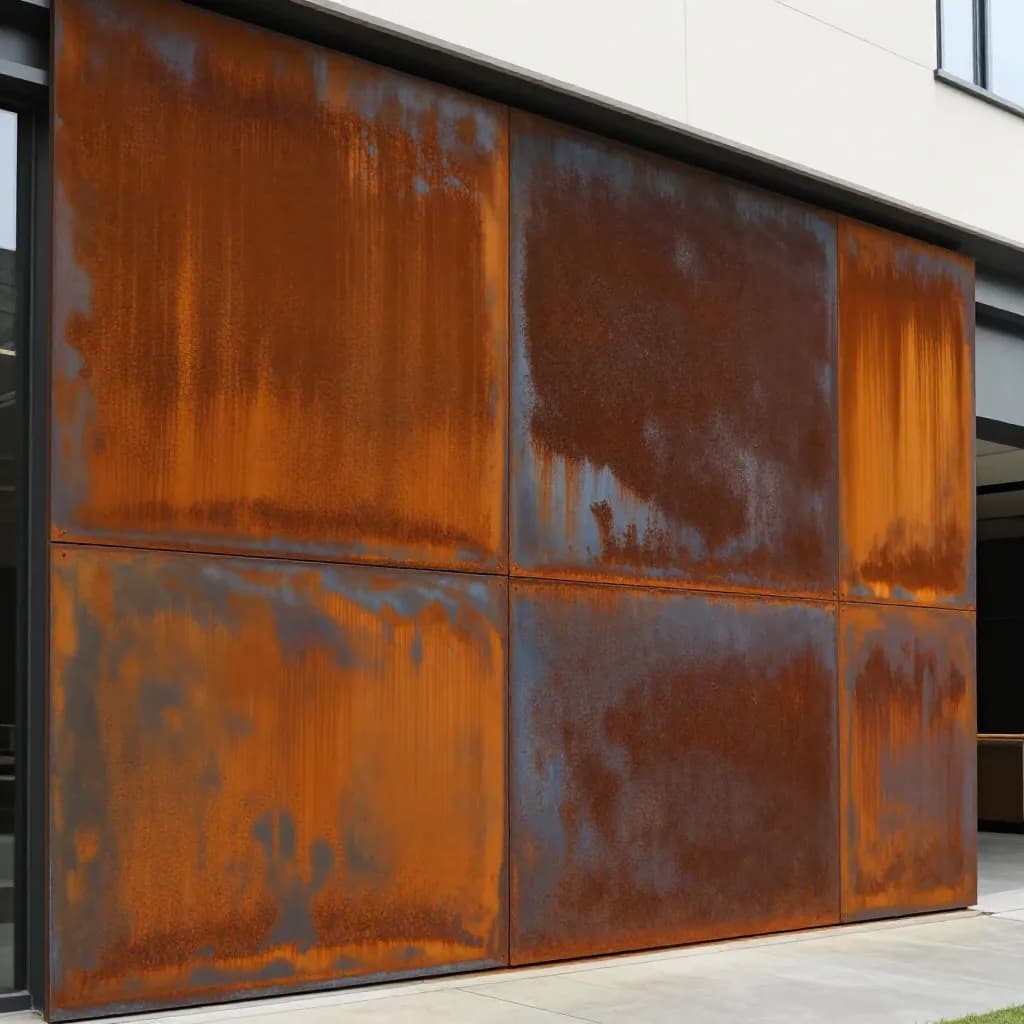
However, actual corten steel presents significant practical challenges. The oxidation process that creates the patina also produces rust run-off that stains adjacent surfaces, including concrete, glass, and paving. The patina development is unpredictable, varying with climate, orientation, and exposure conditions. The steel is heavy, expensive, and requires specialized detailing to manage the ongoing oxidation process. In some environments, particularly coastal or highly polluted areas, the protective patina may not stabilize properly, leading to continued corrosion rather than the intended self-protecting surface.
Ready to Start Your Project?
From one-off customs to 15,000-part production runs — get precise pricing in 24 hours.
On This Page
Corten Rust Effect: The Weathering Steel Aesthetic Without the Drawbacks
Corten effect powder coating eliminates these drawbacks while faithfully replicating the visual character of weathered steel. Applied to lightweight aluminum or standard steel substrates, corten effect finishes provide the warm, rust-toned aesthetic of weathering steel with none of the staining, unpredictability, or maintenance concerns. The appearance is fixed at the point of coating, maintaining a consistent, controlled rust aesthetic throughout the coating's service life.
How Corten Effect Powder Coating Works
Corten effect powder coatings use several technologies to replicate the complex, multi-toned appearance of weathered steel. The most convincing results combine color, texture, and multi-tone variation to create surfaces that capture the visual richness of natural rust patina.
Multi-color powder blends are the most common approach for corten effects. These formulations combine orange, brown, dark brown, and sometimes black powder particles that flow together during curing to create the mottled, variegated appearance of rust. The ratio and particle size of the different colored components determine the overall tone and pattern character, from light, newly rusted appearances to deep, heavily weathered effects.
Textured formulations add the rough, granular surface character that is essential to corten realism. Natural rust has a distinctly rough, irregular texture that smooth powder coatings cannot replicate. Textured corten effect powders incorporate surface-modifying agents that create a granular, slightly rough finish during curing, mimicking the tactile quality of oxidized steel.
Sublimation transfer technology can produce highly detailed corten effects with specific rust patterns, including drip marks, variation around bolt holes, and the characteristic darker tones in protected areas. Sublimation corten effects are the most photorealistic but are limited to flat or gently curved surfaces.
Some manufacturers offer reactive corten effect systems where the powder coating contains actual iron particles that undergo controlled surface oxidation after application, creating a genuinely rusted surface layer on top of the protective powder coating. These systems produce the most authentic corten appearance, including the actual texture and color of real rust, while the underlying powder coating protects the substrate from corrosion.
The choice of technology depends on the required level of realism, the component geometry, and the project budget. For most architectural applications, multi-color textured powder blends provide an excellent balance of realism, consistency, and practicality.
Architectural Facade Applications
Corten effect powder coating has found its primary application in architectural facade design, where it enables the weathering steel aesthetic on buildings and structures that cannot practically use actual corten steel.
Aluminum cladding panels with corten effect finishes are the most common application. These lightweight panels can be fabricated in large formats, complex shapes, and perforated patterns that would be difficult or impossible to achieve in actual corten steel. The aluminum substrate provides excellent corrosion resistance, dimensional stability, and a fraction of the weight of steel cladding, simplifying structural requirements and installation.
Rainscreen facade systems in corten effect provide the ventilated cavity construction that modern building regulations require for thermal performance and moisture management. The corten effect panels serve as the outer weather screen while the building envelope behind provides insulation and air-tightness. This separation of functions allows the corten aesthetic to be applied to any building type regardless of the structural system.
Solar shading elements, including brise-soleil fins, perforated screens, and louvered panels, are particularly effective in corten effect finishes. The warm, rust-toned color provides solar shading while adding visual warmth to the facade. Perforated corten effect screens create dramatic light and shadow patterns that change throughout the day, adding a dynamic quality to the building's appearance.
Boundary walls, fencing, and landscape elements in corten effect powder coating extend the weathering steel aesthetic beyond the building envelope into the surrounding landscape. These elements create a cohesive design language that connects the building to its site, particularly effective in natural or semi-rural settings where the rust tones harmonize with earth, stone, and vegetation.
Signage and wayfinding elements in corten effect finishes create distinctive, characterful markers that complement corten-themed architectural projects. The warm, textured surface provides an excellent background for cut-out lettering or applied graphics, creating signage with a strong material presence.
Advantages Over Actual Corten Steel
Corten effect powder coating offers several significant advantages over actual weathering steel that make it the preferred choice for many architectural applications.
No rust run-off is the most important practical advantage. Actual corten steel produces orange-brown rust run-off during the patina development period, which can last several years, and to a lesser extent throughout its service life. This run-off stains concrete, glass, paving, and adjacent materials, creating maintenance problems and aesthetic damage that can be difficult and expensive to remediate. Corten effect powder coating produces no run-off whatsoever because the surface is a stable, inert coating rather than an actively oxidizing metal.
Consistent, controlled appearance is another major advantage. The patina on actual corten steel develops unevenly depending on exposure, orientation, and microclimate, creating variation that may or may not align with the designer's intent. Corten effect powder coating provides a consistent, predictable appearance that can be specified and approved through sample panels before production, eliminating the uncertainty of natural patina development.
Substrate flexibility allows corten effect finishes to be applied to aluminum, standard steel, stainless steel, and other substrates. This means the corten aesthetic can be achieved on lightweight aluminum panels for facades, on stainless steel for marine environments, or on standard mild steel for cost-effective applications. Actual corten steel is a specific alloy with limited availability and higher cost than standard structural steel.
Weight reduction is significant when corten effect is applied to aluminum substrates. Aluminum cladding panels weigh approximately one-third of equivalent steel panels, reducing structural loads, simplifying handling and installation, and enabling larger panel formats.
Fire performance of corten effect powder-coated aluminum achieves A1 or A2 Euroclass fire ratings, classifying it as non-combustible. While actual corten steel is also non-combustible, the ability to achieve the corten aesthetic on aluminum provides additional design flexibility for projects with specific fire safety requirements.
Maintenance requirements for corten effect powder coating are minimal, limited to periodic cleaning with mild detergent and water. Actual corten steel may require ongoing management of rust run-off, treatment of areas where the patina has not stabilized, and protection of adjacent materials from staining.
Color Variations in Corten Effect Finishes
Natural corten steel patina is not a single color but a complex, evolving palette that changes with the age of the steel and the environmental conditions. Corten effect powder coatings can replicate different stages of this patina development, allowing designers to specify the exact rust character they want.
New rust effects replicate the bright, vivid orange-brown appearance of freshly weathered steel. These finishes have a warm, energetic character with high color saturation and relatively uniform tone. New rust effects are popular for projects where a bold, contemporary interpretation of the corten aesthetic is desired.
Medium patina effects replicate steel that has been weathering for several years, with a deeper, more complex color palette that includes orange, brown, dark brown, and hints of purple or black. The color variation is more pronounced than new rust effects, with darker tones in protected areas and lighter tones on exposed surfaces. This is the most commonly specified corten effect for architectural applications.
Deep patina effects replicate heavily weathered steel with a predominantly dark brown to near-black appearance, with traces of orange and rust visible in areas of active weathering. These effects have a more subdued, mature character that suits heritage contexts and projects where a quieter, more grounded aesthetic is appropriate.
The texture of the corten effect also varies between formulations. Fine textures create a relatively smooth surface with subtle granularity, suited to contemporary architectural applications where a refined interpretation of the corten aesthetic is desired. Coarse textures create a more aggressively rough surface that closely mimics the tactile quality of heavily corroded steel, suited to industrial, artistic, and landscape applications where raw material character is the design intent.
Custom corten effects can be developed to match specific reference samples, whether from actual weathered steel, photographs, or other design references. The powder manufacturer can adjust the color balance, texture profile, and variation pattern to achieve the designer's specific vision of the corten aesthetic.
Durability and Performance of Corten Effect Coatings
Corten effect powder coatings must provide the same level of substrate protection and weathering resistance as any architectural powder coating, despite their deliberately rustic appearance. The irony of corten effect finishes is that they must prevent the very corrosion they are designed to simulate.
The base coating system, including pretreatment and primer where applicable, provides the primary corrosion protection for the substrate. For aluminum substrates, chrome-free conversion coating followed by the corten effect topcoat provides adequate protection for most environments. For steel substrates, a zinc-rich primer or epoxy primer beneath the corten effect topcoat is recommended to provide cathodic protection against corrosion.
The corten effect topcoat itself must resist UV degradation, moisture penetration, and mechanical damage throughout the intended service life. Super-durable polyester formulations provide 15-20 years of exterior performance, maintaining both the protective function and the visual appearance of the corten effect. The textured surface of most corten effect finishes provides additional mechanical resilience, as the raised texture profile absorbs minor impacts and scratches without visible damage.
For reactive corten effect systems that incorporate actual iron particles, the durability profile is different. The surface iron layer will continue to oxidize slowly over time, which is the intended behavior that creates the authentic rust appearance. The underlying powder coating prevents this surface oxidation from reaching the substrate, but the surface appearance may evolve gradually over the coating's service life, becoming slightly darker and more textured as the iron particles continue to weather.
Quality certification for corten effect finishes follows the same standards as other architectural powder coatings. Qualicoat Class 1 or Class 2 certification, or AAMA 2604 or 2605 specification, provides assurance of long-term performance. For multi-color blended corten effects, verify that the weathering test data reflects the actual multi-color formulation rather than a single-color component, as different colored particles may weather at different rates.
Specifying Corten Effect Powder Coating
Corten effect powder coating specification requires defining the patina stage, color palette, texture profile, and performance standard. The following guidelines ensure that the specified finish achieves the intended weathering steel aesthetic.
Define the patina stage by providing reference images or physical samples showing the desired level of weathering. Specify whether the effect should represent new rust, medium patina, or deep patina, and indicate the desired balance between orange, brown, and dark tones. If possible, provide a sample of actual weathered steel at the desired patina stage for the powder manufacturer to reference.
Specify the texture profile. The surface texture is critical to corten realism and should be defined through physical sample approval. Indicate whether a fine, medium, or coarse texture is desired, and evaluate samples for both visual and tactile accuracy. The texture should be appropriate to the viewing distance and application context.
Define the acceptable variation range. Corten effects inherently involve color variation, which is part of their appeal. However, the degree of variation should be controlled to prevent individual panels or components from appearing inconsistent when installed together. Specify the acceptable range of variation through approved limit samples showing the lightest and darkest acceptable tones.
Select the appropriate substrate and coating system. For lightweight facade applications, aluminum with chrome-free pretreatment is the standard choice. For structural elements or applications requiring maximum mechanical toughness, steel with zinc-rich primer provides superior impact resistance. Specify the complete coating system including pretreatment, primer where applicable, and topcoat.
Reference the applicable performance standard. For exterior architectural applications, specify super-durable polyester with Qualicoat Class 2 or AAMA 2605 certification. Include requirements for color retention and texture stability under accelerated weathering.
Address panel-to-panel consistency for facade applications. Require that all panels for a visible facade area are coated in the same production run using the same powder batch. Specify that sample panels from each production batch must be approved against the reference standard before the batch is released for installation.
Frequently Asked Questions
Does corten effect powder coating produce rust run-off?
No. Unlike actual corten steel, corten effect powder coating is a stable, inert finish that produces no rust run-off. This eliminates the staining of adjacent concrete, glass, and paving that is a significant maintenance issue with real weathering steel.
How realistic does corten effect powder coating look?
Modern corten effect finishes are highly convincing, particularly multi-color textured formulations that replicate both the color variation and surface roughness of weathered steel. Reactive systems with actual iron particles produce the most authentic appearance. The effect is most convincing at normal architectural viewing distances.
Can corten effect be applied to aluminum?
Yes, corten effect powder coating is commonly applied to aluminum substrates for architectural cladding. This provides the weathering steel aesthetic at approximately one-third the weight of actual steel, simplifying structural requirements and enabling larger panel formats and more complex geometries.
How durable is corten effect powder coating outdoors?
In super-durable polyester formulations, corten effect finishes provide 15-20 years of exterior performance. The textured surface provides additional mechanical resilience against minor impacts and scratches. Specify Qualicoat Class 2 or AAMA 2605 for maximum durability assurance.
Can I specify different levels of rust patina?
Yes, corten effect powder coatings can replicate any stage of patina development, from bright new rust through medium patina to deep, dark weathering. Provide reference images or actual weathered steel samples to define the desired patina stage for the powder manufacturer.
Ready to Start Your Project?
From one-off customs to 15,000-part production runs — get precise pricing in 24 hours.