Copper has captivated architects and designers for millennia, prized for its warm, luminous appearance and the dramatic patina it develops over time. From the green-tinged roofs of historic European buildings to the gleaming copper facades of contemporary architecture, this metal carries associations of craftsmanship, permanence, and natural beauty that few materials can match.
Design
Powder Coating Copper Effect Finishes: Metallic Copper, Patina Effects, Architectural and Interior Design
Sundial Powder Coating·April 22, 2026·11 min
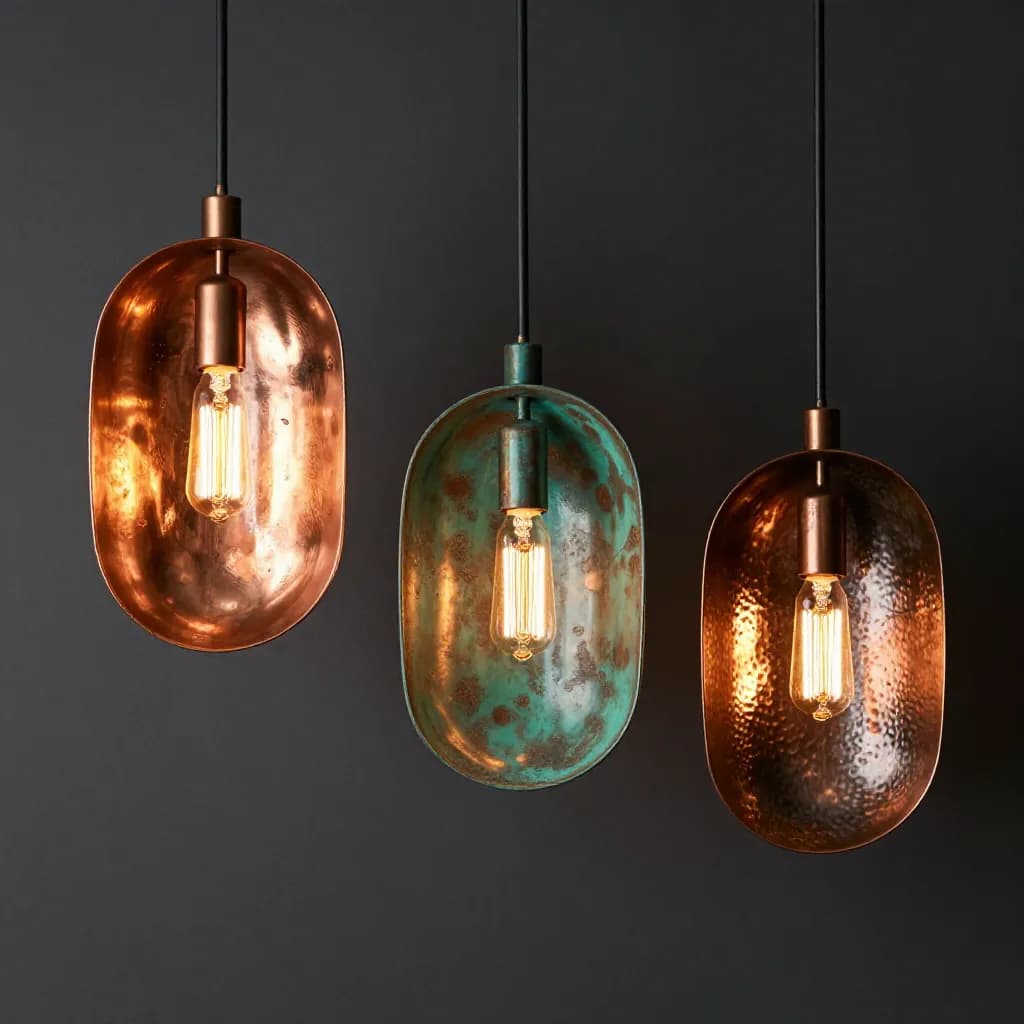
Copper effect powder coating allows designers to capture the aesthetic appeal of copper on aluminum, steel, and other substrates without the significant cost, weight, and maintenance considerations associated with actual copper cladding. Modern powder coating technology can replicate everything from bright, newly polished copper to the deep green verdigris patina of centuries-old copper roofing, providing a complete palette of copper-inspired finishes.
Ready to Start Your Project?
From one-off customs to 15,000-part production runs — get precise pricing in 24 hours.
On This Page
Copper Effect Powder Coating: Warmth Without the Weathering
The practical advantages of copper effect powder coating over real copper are substantial. Actual copper is expensive, heavy, and undergoes continuous color change as it oxidizes, a characteristic that some designers embrace but others find unpredictable and difficult to control. Powder-coated copper effects provide a stable, consistent appearance that can be specified to represent any stage of the copper aging process, from bright new copper to fully developed patina, and that appearance remains fixed throughout the coating's service life.
Metallic Copper Powder Coating: Bright and Polished Effects
Bright metallic copper powder coatings replicate the warm, reddish-gold appearance of newly polished copper metal. These finishes use copper-toned metallic pigments, typically aluminum flakes coated with copper oxide or similar tinting agents, to create a reflective surface with the characteristic warmth and luminosity of copper.
The quality of metallic copper powder coatings varies significantly between manufacturers and formulations. Premium formulations use finely graded, uniformly sized metallic particles that create a smooth, consistent metallic sheen. Lower-quality formulations may use coarser or less uniform particles that produce a speckled or grainy appearance rather than the smooth, luminous surface of real copper.
Bonded metallic technology is particularly important for copper effect powders. Because copper-toned metallic pigments tend to be denser than the base powder particles, they can separate during application in dry-blended formulations, causing color variation and inconsistency. Bonding the metallic pigments to the powder particles prevents this separation and ensures uniform color distribution across the coated surface.
Bright copper finishes are available in a range of tones, from light, pinkish copper to deep, reddish copper. The specific tone depends on the metallic pigment selection and the base color of the powder formulation. Lighter base colors produce a brighter, more reflective copper, while darker bases create a richer, more saturated copper tone.
For applications where the copper effect must be particularly convincing, a clear topcoat can be applied over the metallic copper base coat. The clear coat adds depth to the metallic effect, enhances the reflective quality, and provides additional protection for the metallic pigments against UV degradation and oxidation. This dual-coat approach is common for premium architectural and interior design applications.
Patina and Verdigris Effects: Aged Copper in Powder Coating
One of the most sought-after copper effects in powder coating is the replication of aged copper patina, particularly the distinctive green verdigris that develops on copper surfaces exposed to the elements over decades. This patina effect is prized in architectural design for its association with heritage, permanence, and the passage of time.
Verdigris effect powder coatings use multi-tone formulations that combine copper, brown, and green pigments to create the complex, variegated appearance of naturally patinated copper. The most convincing verdigris effects incorporate multiple colors within a single coating, with green tones concentrated in recesses and protected areas while copper and brown tones remain visible on exposed surfaces, mimicking the natural pattern of patina development.
Several techniques are used to achieve patina effects in powder coating. Multi-color powder blends combine different colored powder particles that flow together during curing to create a mottled, organic appearance. Reactive powder formulations use chemical interactions during curing to produce color variations that mimic natural patina patterns. Manual artistic techniques, where skilled applicators vary the powder application to create deliberate color variation, can produce the most realistic patina effects but are labor-intensive and difficult to reproduce consistently.
The level of patina development can be specified to represent any stage of the copper aging process. Light patina effects show predominantly copper tones with hints of brown and green, representing copper that has been exposed for a few years. Medium patina balances copper and green tones, suggesting decades of weathering. Full verdigris effects are predominantly green with traces of copper visible in protected areas, representing centuries of exposure.
For heritage restoration projects, patina effect powder coatings can be custom-developed to match the specific patina character of existing copper elements on the building. This requires providing physical samples of the original patina for the powder manufacturer to analyze and replicate, typically through an iterative sample approval process.
Copper Effect in Architectural Facade Design
Copper effect powder coating has become a significant specification choice for architectural facades, offering the visual warmth and material richness of copper at a fraction of the weight and cost. The finish is particularly popular for mixed-material facades where copper tones provide contrast and warmth against cooler materials such as glass, concrete, and grey metal cladding.
Facade applications for copper effect powder coating include cladding panels, rainscreen systems, solar shading elements, balcony balustrades, and feature walls. The warm, reflective character of metallic copper finishes creates facades that interact dynamically with changing daylight, appearing bright and warm in direct sunlight and taking on deeper, richer tones in overcast conditions or shadow.
Copper effect facades are particularly effective in urban contexts where the warmth of copper provides a counterpoint to the cool tones of glass and steel that dominate contemporary city architecture. The color also references the industrial heritage of many urban areas where copper was historically used for roofing, guttering, and decorative metalwork.
For facade specification, the durability of the copper effect under exterior weathering is a critical consideration. Metallic copper pigments can oxidize and darken over time if not properly protected, potentially shifting the appearance from bright copper toward a duller, browner tone. Super-durable polyester formulations with UV-stable metallic pigments and appropriate HALS stabilizer packages provide the best long-term color retention for exterior copper effects.
Perforated copper effect panels create particularly striking facade elements. The combination of the warm metallic finish with the light and shadow effects created by the perforation pattern produces a visually rich, layered facade that changes character throughout the day. These panels are popular for cultural buildings, hospitality developments, and commercial projects where the facade is intended as a design feature rather than simply a weather barrier.
Copper Effect in Interior Design and Furniture
Copper effect powder coating has become one of the most popular metallic finishes in contemporary interior design, bringing warmth, character, and visual interest to metal furniture, lighting fixtures, shelving systems, and decorative elements. The warm, reddish-gold tone of copper complements a wide range of interior styles, from industrial loft aesthetics to refined contemporary and even traditional settings.
In kitchen and bathroom design, copper effect metalwork creates focal points that elevate the entire space. Copper-toned shelving brackets, towel rails, cabinet hardware, and light fixtures add warmth and personality to rooms that might otherwise feel clinical or cold. The powder-coated finish provides the copper aesthetic without the tarnishing and maintenance issues associated with actual copper hardware.
For furniture applications, copper effect powder coating is popular for table bases, chair frames, shelving units, and display systems. The warm metallic tone pairs naturally with timber, leather, marble, and concrete, creating material combinations that feel rich and considered. In hospitality and retail environments, copper-toned furniture establishes a premium atmosphere that enhances the customer experience.
The trend toward mixed-metal interiors, combining copper with brass, gold, and black metal accents, has further increased demand for copper effect powder coatings. In these multi-metal schemes, the specific tone of the copper finish must be carefully coordinated with the other metallic elements to create a harmonious composition rather than a discordant mix of competing warm tones.
For interior applications, standard polyester powder coatings provide adequate durability since UV exposure is limited. However, components near windows or in sunlit areas should use UV-stable formulations to prevent the metallic effect from shifting over time. Matte and satin metallic finishes are preferred for contemporary interiors, creating a soft, luminous copper effect that feels refined rather than flashy.
Copper vs Bronze vs Rose Gold: Understanding the Differences
Copper, bronze, and rose gold are frequently confused in powder coating specification because all three occupy the warm metallic spectrum. Understanding the distinctions between these finishes ensures accurate specification and prevents the disappointment of receiving a finish that does not match the designer's intent.
Copper effect powder coatings replicate the appearance of copper metal, characterized by a warm, reddish-gold tone with a distinctly pink or salmon undertone. Copper is the warmest and most reddish of the three finishes, with a luminous quality that distinguishes it from the darker, more muted tones of bronze.
Bronze powder coatings replicate the appearance of bronze alloy, which is darker, more brown, and less red than copper. Bronze tones range from light golden-brown to very dark, near-black brown, but they consistently lack the pink or reddish character of copper. Bronze feels more grounded and traditional compared to the brighter, more energetic character of copper.
Rose gold powder coatings blend gold and copper tones, creating a warm pink-gold that is lighter and more delicate than either copper or bronze. Rose gold has a distinctly pink character that sets it apart from the reddish warmth of copper and the brown warmth of bronze. It is the most fashion-forward of the three finishes and is most commonly associated with jewelry, consumer electronics, and contemporary interior design.
When specifying any of these warm metallic finishes, provide a physical reference sample rather than relying on verbal descriptions. The boundaries between copper, bronze, and rose gold are subjective, and different people may categorize the same metallic tone differently. A physical sample eliminates ambiguity and ensures that the powder manufacturer formulates the correct finish.
Specifying Copper Effect Powder Coating: Best Practices
Copper effect powder coating specification requires attention to the specific copper tone, metallic character, patina level, gloss, and durability requirements. The following best practices ensure that the specified finish meets design expectations and performance requirements.
Define the copper tone precisely using a physical reference. Specify whether the desired effect is bright polished copper, warm aged copper, dark oxidized copper, or green verdigris patina. Each represents a fundamentally different finish that requires a different powder formulation and potentially different application techniques.
Specify the metallic intensity and particle character. Fine metallic particles create a smooth, luminous copper effect suited to contemporary design. Coarser particles create a more textured, sparkly effect that may be appropriate for decorative or artisanal applications. The metallic intensity should be matched to the scale of the application and the viewing distance.
For patina effects, provide detailed reference images or physical samples showing the desired level and pattern of patina development. Specify whether the patina should be uniform across the surface or varied, with different tones in recesses and on raised surfaces. Discuss the achievable level of variation with the powder manufacturer and coating applicator before finalizing the specification.
Define the gloss level numerically. Satin finishes at 30-50 gloss units are most common for architectural copper effects. Matte finishes create a more contemporary, understated copper. Higher gloss levels create a polished copper appearance. For patina effects, matte to satin finishes are most convincing because natural patina does not have a glossy surface.
For exterior applications, specify super-durable polyester with verified metallic pigment stability. Request accelerated weathering data showing color and metallic effect retention over the required service life. Consider specifying a clear topcoat for additional metallic pigment protection on premium exterior applications. Reference Qualicoat Class 2 or AAMA 2605 for the performance standard.
Frequently Asked Questions
Can powder coating look like real copper?
Yes, modern metallic copper powder coatings create convincing replications of copper metal using copper-toned metallic pigments. Bonded metallic technology provides the most consistent results. A clear topcoat enhances depth and reflectivity for the most realistic appearance. The finish remains stable rather than tarnishing like real copper.
Can powder coating replicate copper verdigris patina?
Yes, multi-tone powder formulations combine copper, brown, and green pigments to create realistic verdigris effects. The patina level can be specified from light aging to full green verdigris. Custom matching to existing patinated copper is possible through iterative sample development with the powder manufacturer.
What is the difference between copper and bronze powder coating?
Copper effect is warmer and more reddish-gold with a pink undertone, replicating copper metal. Bronze is darker, more brown, and less red, replicating bronze alloy. Copper feels brighter and more energetic, while bronze is more grounded and traditional. Always use physical samples to specify the exact tone desired.
How durable is copper effect powder coating outdoors?
In super-durable polyester formulations, copper effect powder coating provides 15-20 years of exterior performance. The metallic pigments must be UV-stable and properly encapsulated. A clear topcoat adds additional protection. Specify Qualicoat Class 2 or AAMA 2605 for maximum durability assurance.
Is copper effect powder coating suitable for kitchen and bathroom fixtures?
Yes, copper effect powder coating is excellent for interior fixtures including shelving, hardware, towel rails, and light fixtures. It provides the copper aesthetic without tarnishing or maintenance issues. Standard polyester formulations are adequate for interior use, though UV-stable formulations are recommended near windows.
Ready to Start Your Project?
From one-off customs to 15,000-part production runs — get precise pricing in 24 hours.