Every powder coating color choice communicates something to the people who interact with the finished product or space. Color is not merely decorative; it is a powerful psychological tool that influences perception, emotion, behavior, and decision-making. Understanding color psychology transforms powder coating specification from a purely aesthetic decision into a strategic one that supports brand objectives, enhances user experience, and creates environments that achieve their intended purpose.
Design
Powder Coating Color Psychology and Branding: How Color Affects Perception in Retail and Hospitality
Sundial Powder Coating·April 22, 2026·11 min
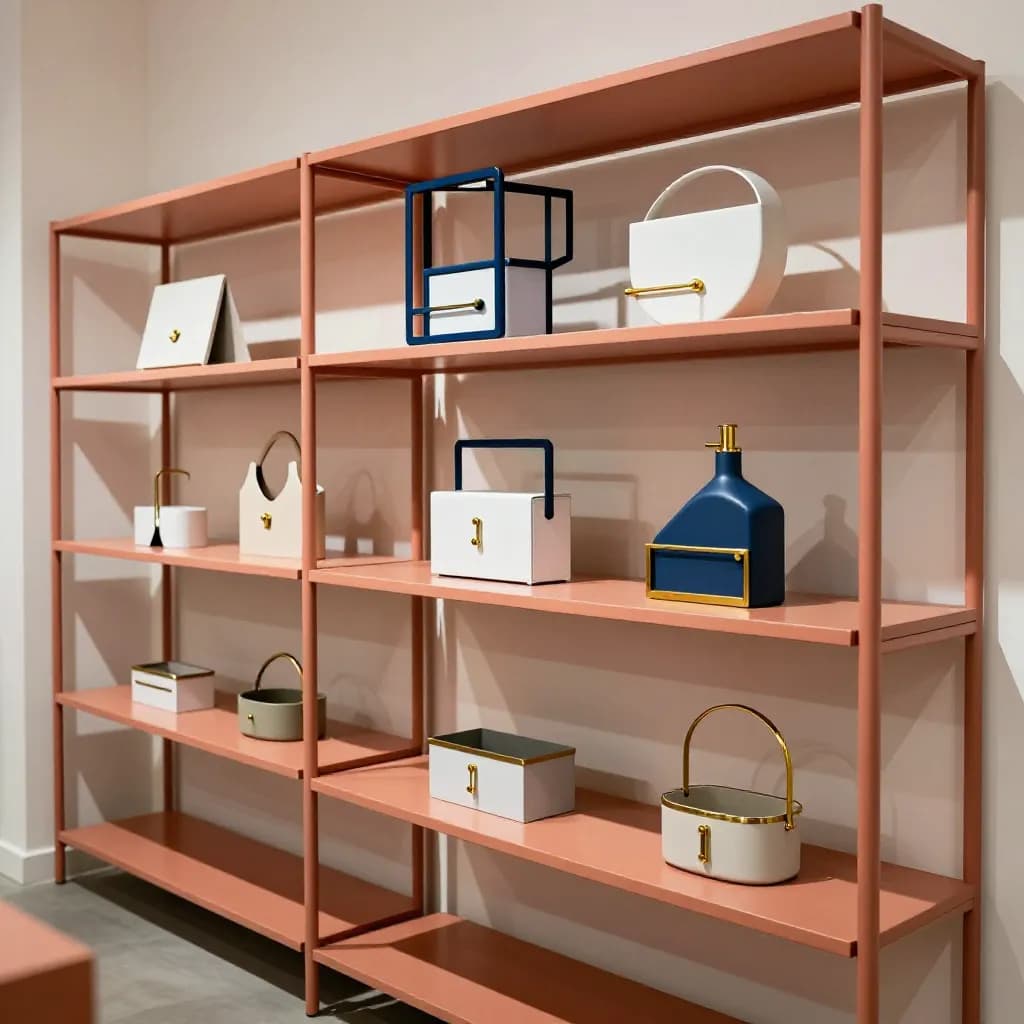
The psychological impact of color operates on multiple levels. At the most basic level, colors trigger physiological responses: warm colors like red and orange increase heart rate and arousal, while cool colors like blue and green promote calm and relaxation. At a cultural level, colors carry learned associations that vary between societies and contexts. At a personal level, individual color preferences and experiences create unique responses that overlay the universal and cultural effects.
Ready to Start Your Project?
From one-off customs to 15,000-part production runs — get precise pricing in 24 hours.
On This Page
Color Psychology in Powder Coating: Beyond Aesthetics
For architects, designers, and brand managers specifying powder coating colors, the practical implication is clear: the color of metal surfaces in a retail store, hotel lobby, restaurant, office, or public space actively shapes how people feel and behave in that environment. Choosing colors strategically, based on the desired psychological effect rather than personal preference alone, produces environments that work harder to achieve their intended purpose.
Red, Orange, and Warm Colors: Energy, Urgency, and Appetite
Warm colors in the red-orange-yellow spectrum are the most psychologically activating colors, triggering increased arousal, energy, and attention. These colors are powerful tools for environments where stimulation, urgency, or appetite enhancement are desired outcomes.
Red is the most emotionally intense color, associated with passion, energy, danger, and urgency. In retail environments, red powder-coated fixtures and signage elements create a sense of excitement and urgency that can encourage impulse purchasing. Red is widely used in sale and clearance areas for this reason. In food service, red stimulates appetite and creates energetic dining atmospheres, which is why it features prominently in fast-food restaurant design. RAL 3020 Traffic Red and RAL 3000 Flame Red are common choices for high-energy commercial environments.
Orange combines the energy of red with the warmth of yellow, creating a color that feels friendly, enthusiastic, and approachable. Orange powder-coated elements in retail and hospitality environments create welcoming, energetic atmospheres without the intensity and urgency of red. Orange is particularly effective for brands targeting younger demographics and for environments where creativity and social interaction are encouraged. RAL 2004 Pure Orange and RAL 2008 Bright Red Orange provide vivid orange options.
Yellow is the most visible color in the spectrum and is associated with optimism, happiness, and warmth. Yellow powder-coated accents in commercial environments create cheerful, positive atmospheres that enhance customer mood. However, yellow must be used judiciously because large areas of intense yellow can create anxiety and visual fatigue. Softer, warmer yellows like RAL 1018 Zinc Yellow or muted ochre tones are more comfortable for extended exposure than vivid, cool yellows.
In hospitality design, warm color accents in powder-coated metalwork create dining and social spaces that feel lively and convivial. The appetite-stimulating properties of warm colors make them natural choices for restaurant furniture, bar fixtures, and food service equipment.
Blue and Cool Colors: Trust, Calm, and Professionalism
Cool colors in the blue-green spectrum create psychological effects that are the opposite of warm colors: they promote calm, reduce arousal, and encourage contemplation and trust. These properties make cool colors essential tools for environments where professionalism, reliability, and relaxation are the desired associations.
Blue is the most universally trusted color, associated with reliability, competence, and stability. This is why blue dominates corporate branding, with a significant majority of the world's largest companies using blue as their primary brand color. Blue powder-coated elements in corporate environments, from office furniture to reception desk cladding, reinforce perceptions of professionalism and trustworthiness. RAL 5010 Gentian Blue and RAL 5003 Sapphire Blue are popular choices for corporate applications.
In healthcare environments, blue powder-coated fixtures and furniture create calming atmospheres that reduce patient anxiety. The physiological calming effect of blue, including reduced heart rate and blood pressure, makes it a therapeutic color choice for clinical and wellness spaces. Softer blues like RAL 5024 Pastel Blue are preferred over intense blues for healthcare applications.
Green combines the calming properties of blue with the natural associations of vegetation, creating a color that feels balanced, refreshing, and restorative. Green powder-coated elements in workplace environments have been shown to reduce eye strain and mental fatigue, making green an effective choice for spaces where sustained concentration is required. In retail, green communicates environmental responsibility and natural quality, making it popular for organic, health, and sustainability-focused brands.
Cool neutrals, including the grey spectrum, communicate sophistication, modernity, and technical competence. Grey powder-coated environments feel professional and contemporary without the emotional loading of chromatic colors. RAL 7016 Anthracite Grey has become the default color of contemporary professional environments for this reason, communicating competence and modernity through its cool, authoritative character.
Brand Identity: Translating Brand Colors to Powder Coating
Brand color is one of the most powerful elements of visual identity, with research suggesting that color increases brand recognition by up to 80 percent. For brands that extend their identity into physical environments through retail stores, hospitality venues, offices, and branded equipment, translating brand colors into powder coating finishes is a critical specification task.
Brand color consistency across all touchpoints is essential for building and maintaining brand recognition. The brand blue on a company's website, printed materials, signage, and physical environment must be perceptibly the same color, even though each medium uses different color reproduction technology. Powder coating presents specific challenges for brand color matching because the appearance of color on a coated metal surface differs from its appearance in print, on screen, or on painted surfaces.
The brand color translation process begins with identifying the authoritative color reference. Most established brands define their colors in multiple color systems, including Pantone for print, RGB and hex codes for digital, and sometimes specific paint or coating references for physical environments. The Pantone reference is typically the most useful starting point for powder coating matching because it provides a physical color standard that can be measured with a spectrophotometer.
Custom powder formulation to match the brand color is the standard approach for brand applications. The powder manufacturer measures the brand color reference, formulates a custom powder, and produces sample panels for approval. Multiple rounds of refinement may be necessary to achieve an acceptable match, particularly for colors that are difficult to reproduce in powder coating, such as very vivid or very dark saturated colors.
Once approved, the custom brand color formulation should be documented with a unique product code and maintained by the powder manufacturer for ongoing supply. Establish quality control procedures including spectrophotometer verification of each production batch against the approved reference, retention of reference panels, and defined Delta E tolerances for batch acceptance.
Color in Retail Environment Design
Retail environments use color strategically to attract customers, guide navigation, create mood, and ultimately drive purchasing behavior. Powder-coated metal fixtures, shelving, signage, and architectural elements are primary carriers of color in retail spaces, making powder coating color specification a key element of retail design strategy.
Entrance and storefront colors must attract attention and communicate the brand identity from a distance. Bold, saturated colors in powder-coated entrance frames, canopies, and signage elements create visual landmarks that draw customers from the street or mall corridor. The entrance color sets expectations for the shopping experience inside, so it must align with the brand positioning: luxury brands use dark, rich tones; youth brands use bright, energetic colors; natural brands use earth tones and greens.
Interior fixture colors create the atmosphere in which shopping takes place. Neutral fixture colors, particularly black, white, and grey powder-coated shelving and display systems, allow the merchandise to be the visual focus. Colored fixtures, conversely, create a stronger environmental identity but risk competing with the merchandise for visual attention. The balance between neutral and colored fixtures depends on the brand strategy and the nature of the merchandise.
Zoning through color uses different powder coating colors to differentiate areas within a store, guiding customer navigation and creating distinct atmospheres for different product categories. A fashion retailer might use warm-toned fixtures in the women's department and cool-toned fixtures in the men's department, creating subconscious environmental cues that help customers orient themselves within the store.
Seasonal color updates in retail environments can be achieved efficiently with powder-coated modular fixture systems. Interchangeable colored panels, shelf fronts, or accent elements allow retailers to refresh their store color scheme seasonally without replacing entire fixture systems. This approach keeps the retail environment feeling current and engaging while managing the cost of regular updates.
Color in Hospitality and Restaurant Design
Hospitality environments, including hotels, restaurants, bars, and cafes, use color to create emotional experiences that define the guest experience and differentiate the venue from competitors. Powder-coated metalwork in hospitality spaces, from furniture frames and bar fixtures to decorative screens and architectural features, carries color that directly influences how guests feel and behave.
Restaurant color strategy is closely linked to the dining concept and the desired pace of the meal experience. Fast-casual restaurants use warm, energetic colors including reds, oranges, and yellows to create lively atmospheres that encourage quick turnover. Fine dining restaurants use darker, more muted tones including deep blues, rich greens, and warm neutrals to create intimate, relaxed atmospheres that encourage guests to linger. The powder coating colors on furniture, fixtures, and architectural elements must support the intended dining tempo.
Hotel lobby design uses color to establish the property's identity and create a memorable first impression. Luxury hotels typically use rich, warm tones including gold, bronze, and deep jewel colors in powder-coated metalwork to communicate opulence and quality. Boutique hotels use distinctive, sometimes unexpected color choices to create unique, Instagram-worthy environments that generate social media engagement. Business hotels use professional, calming tones including blues and warm neutrals to create efficient, comfortable environments for corporate travelers.
Bar and nightlife venues use color more dramatically than other hospitality environments, with bold, saturated colors and metallic finishes creating high-energy atmospheres. Dark backgrounds with vivid accent colors in powder-coated bar fixtures, seating frames, and decorative elements create the dramatic contrast that defines nightlife aesthetics. Metallic gold, copper, and bronze powder coatings are particularly popular for bar environments, adding luxury and warmth to the nighttime atmosphere.
Outdoor hospitality spaces, including restaurant terraces, rooftop bars, and poolside areas, use color to create distinct identities within the broader property. Powder-coated outdoor furniture and fixtures in coordinated color schemes define these spaces as intentional design environments rather than afterthoughts, enhancing the guest experience and the property's visual identity.
Strategic Color Specification: A Framework for Decision-Making
Moving from intuitive color selection to strategic color specification requires a structured framework that considers the psychological, cultural, and brand-specific implications of each color choice. The following framework helps designers and specifiers make powder coating color decisions that support their project objectives.
Define the desired emotional response. Before selecting specific colors, articulate the feelings and associations you want the environment to evoke. Calm and professional? Energetic and exciting? Warm and welcoming? Luxurious and exclusive? The desired emotional response narrows the color palette to families that support the intended effect.
Consider the cultural context. Color associations vary between cultures, and environments serving diverse populations must account for these differences. White signifies purity in Western cultures but mourning in some Asian cultures. Red signifies luck and prosperity in Chinese culture but danger in Western contexts. For international brands and multicultural environments, choose colors with broadly positive associations across the relevant cultural groups.
Align with brand identity. If the environment represents a brand, the color palette must incorporate or complement the brand colors. The brand color should be the starting point for the environmental color scheme, with supporting colors selected to create a cohesive palette that reinforces brand recognition.
Balance stimulation and comfort. Highly stimulating colors like red and orange are effective in small doses but can create discomfort in large areas or with prolonged exposure. Use stimulating colors as accents and feature elements, with calmer neutrals and cool tones providing the background. The ratio of stimulating to calming colors should reflect the intended energy level of the environment.
Test with physical samples in context. Color psychology research provides general guidelines, but the specific effect of a color depends on its interaction with lighting, adjacent colors, materials, and spatial proportions. Evaluate powder-coated color samples in the actual space, under the actual lighting conditions, alongside the actual materials they will be combined with. This contextual evaluation is the only reliable way to verify that the color choices achieve the intended psychological effect.
Document the color rationale. Record the strategic reasoning behind each color choice in the project specification. This documentation ensures that the color intent is maintained through the procurement and construction process, preventing well-meaning substitutions that might undermine the psychological strategy.
Frequently Asked Questions
How does color affect customer behavior in retail?
Warm colors like red and orange increase arousal and can encourage impulse purchasing, which is why they are used in sale areas. Cool colors like blue promote trust and calm browsing. Color zoning guides navigation by creating distinct atmospheres for different product areas. The entrance color sets expectations for the shopping experience.
What colors build trust in corporate environments?
Blue is the most universally trusted color, associated with reliability, competence, and stability. This is why blue dominates corporate branding. Dark blues like RAL 5003 Sapphire Blue convey authority, while medium blues like RAL 5010 Gentian Blue balance professionalism with approachability. Cool greys also communicate sophistication and competence.
How do I translate my brand color into powder coating?
Submit your Pantone reference or physical brand color standard to a powder manufacturer for spectrophotometer matching. Custom formulation achieves the closest match, typically targeting Delta E below 1.0. Approve physical coated samples under representative lighting. Establish batch verification procedures to maintain consistency across production runs.
What colors work best for restaurant design?
It depends on the dining concept. Fast-casual restaurants benefit from warm, energetic reds and oranges that encourage quick turnover. Fine dining uses darker, muted tones like deep blue and rich green for intimate, relaxed atmospheres. Warm neutrals and earth tones create welcoming environments for casual dining.
Should I use bold or neutral colors for retail fixtures?
Neutral fixture colors in black, white, or grey allow merchandise to be the visual focus, which suits most retail formats. Bold colored fixtures create stronger environmental identity but risk competing with products. The choice depends on whether the brand strategy prioritizes product presentation or environmental experience.
Ready to Start Your Project?
From one-off customs to 15,000-part production runs — get precise pricing in 24 hours.