Bronze finishes hold a unique position in architectural and design specification, evoking permanence, craftsmanship, and understated luxury. For centuries, bronze metalwork has signified quality and endurance in buildings, from ancient temple doors to Art Deco skyscraper lobbies. Today, powder coating technology makes the bronze aesthetic accessible for a far wider range of applications, delivering the visual warmth and sophistication of bronze without the weight, cost, and maintenance demands of actual bronze metal.
Design
Powder Coating Bronze Finishes: Anodized Bronze Look, Architectural Bronze, Heritage, RAL 8019 and 8028
Sundial Powder Coating·April 22, 2026·11 min
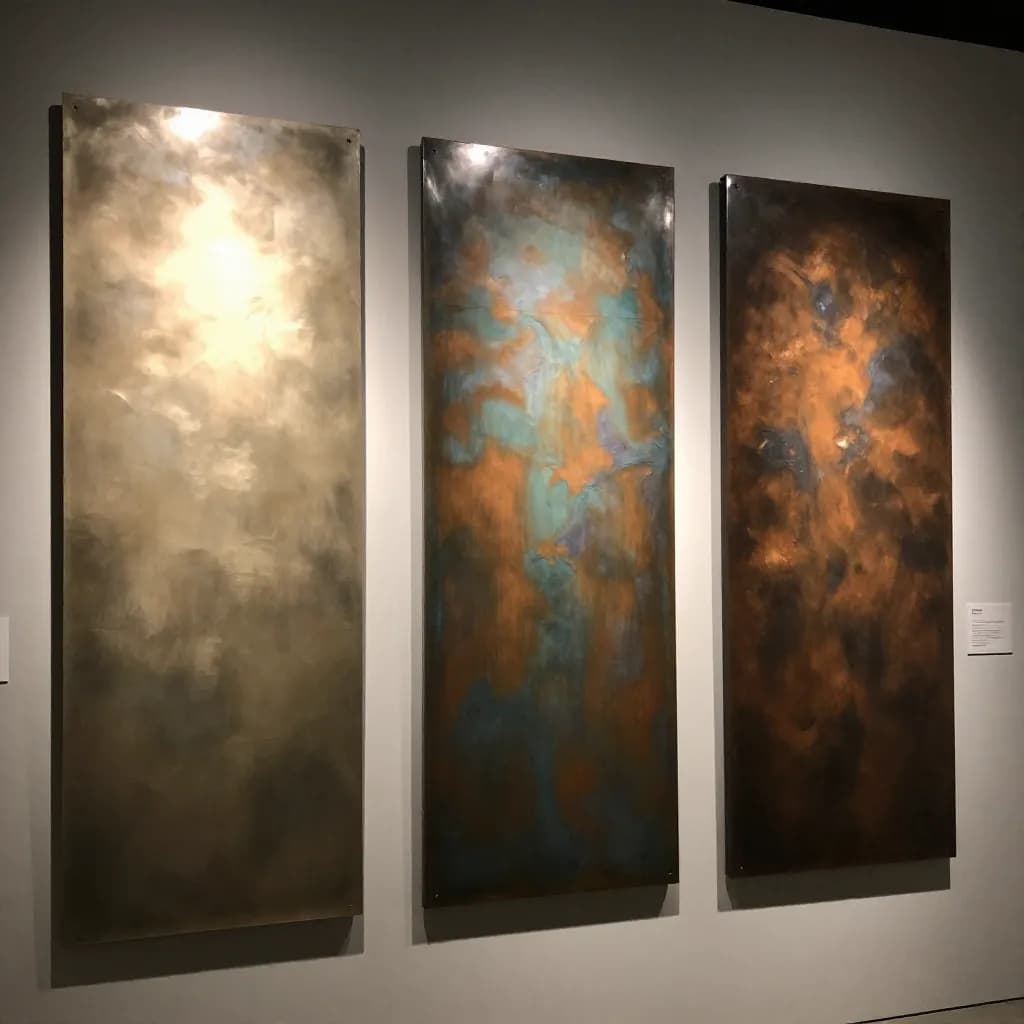
Powder-coated bronze finishes replicate the appearance of real bronze, anodized bronze aluminum, and patinated copper-bronze alloys with remarkable fidelity. Modern powder formulations can achieve everything from bright, polished bronze to dark, aged patina effects, giving architects and designers a complete palette of bronze tones to work with across facades, entrance systems, window frames, interior metalwork, and decorative features.
Ready to Start Your Project?
From one-off customs to 15,000-part production runs — get precise pricing in 24 hours.
On This Page
Bronze Powder Coating: Timeless Warmth for Architecture and Design
The appeal of bronze in contemporary design extends beyond historical reference. Bronze tones introduce warmth into material palettes dominated by cool greys, whites, and glass, creating a sense of richness and depth that neutral colors alone cannot achieve. As the design world moves away from the all-grey aesthetic that dominated the 2010s, bronze and other warm metallic tones are experiencing a significant resurgence in both architectural and interior design specification.
RAL 8019 and RAL 8028: The Foundation Bronze Shades
RAL 8019 Grey Brown and RAL 8028 Terra Brown are the two RAL Classic colors most commonly used as the basis for bronze powder coating finishes. While neither is a perfect match for actual bronze metal, both provide warm, dark brown tones that serve as effective starting points for bronze-inspired specifications.
RAL 8019 Grey Brown is a dark, cool-toned brown with a subtle grey undertone that gives it a sophisticated, contemporary character. It is the closer of the two to the appearance of dark, aged bronze or oil-rubbed bronze hardware finishes. RAL 8019 has become increasingly popular in modern architecture as an alternative to black for window frames, door systems, and facade elements, offering similar visual weight with added warmth and depth.
RAL 8028 Terra Brown is a warmer, more reddish-brown that evokes natural earth tones and traditional bronze patina. It reads as a rich, organic brown that connects buildings to their landscape context. RAL 8028 is popular for heritage restoration, rural architecture, and projects where a warm, grounded aesthetic is desired.
Beyond these two standards, the RAL 8000 series offers additional brown tones that can serve bronze-adjacent applications. RAL 8014 Sepia Brown provides a deep, warm brown for traditional contexts. RAL 8017 Chocolate Brown offers a rich, dark tone popular for window frames in residential architecture. RAL 8022 Black Brown approaches black with a warm brown undertone, providing an alternative to RAL 8019 for applications requiring maximum darkness with warmth.
For a more authentic bronze appearance, custom color matching to actual bronze metal samples or anodized bronze references typically delivers better results than selecting from the standard RAL range. The metallic character of real bronze requires metallic powder formulations that go beyond what solid RAL colors can achieve.
Anodized Bronze Look: Replicating Anodized Aluminum in Powder Coating
Anodized bronze aluminum has been a staple of architectural specification for decades, valued for its warm metallic appearance, excellent durability, and the natural variation that gives each anodized surface a unique character. Powder coating technology can now replicate the anodized bronze look with high fidelity, offering architects an alternative that provides greater color consistency, easier touch-up capability, and broader substrate compatibility.
Anodized-look bronze powder coatings use a combination of translucent resin systems, metallic pigments, and specialized application techniques to recreate the depth and metallic character of anodized aluminum. The best formulations achieve a remarkably convincing approximation of anodized bronze, with the characteristic warm metallic sheen and subtle color variation that define the anodized aesthetic.
Several major powder coating manufacturers offer dedicated anodized-look product ranges with bronze options. These products are specifically formulated to match common anodized bronze references and are typically available in light bronze, medium bronze, dark bronze, and extra-dark bronze variants. The formulations are designed to be applied as single-coat systems, simplifying the application process compared to multi-coat metallic systems.
The key advantage of anodized-look powder coating over actual anodizing is color consistency. Anodized finishes are inherently variable because the color depends on the alloy composition, temper, and surface condition of the aluminum, which can vary between extrusion batches. Powder coating eliminates this variability, delivering consistent color across all components regardless of the underlying aluminum alloy. This consistency is particularly valuable for large architectural projects where hundreds of profiles must match precisely.
Anodized-look bronze powder coatings are certified under the same quality standards as other architectural powder coatings, including Qualicoat and AAMA. Qualicoat has specific requirements for anodized-look finishes, ensuring that the metallic appearance is maintained through accelerated weathering testing.
Heritage Bronze: Conservation and Restoration Applications
Bronze powder coating plays an important role in heritage conservation and building restoration, where the goal is to replicate the appearance of original bronze, brass, or patinated metalwork using modern, durable coating technology. Heritage projects require a sensitive approach to color matching that goes beyond standard RAL references to capture the specific character of aged metal surfaces.
Historic bronze metalwork develops a complex patina over decades of exposure, with color variations ranging from warm golden-brown to deep greenish-black depending on the alloy composition and environmental conditions. Replicating this patina in powder coating requires custom color development, often involving multiple reference samples from the original metalwork and iterative sample approval with conservation authorities.
Multi-tone bronze effects can be achieved through several powder coating techniques. Bonded metallic powders, where metallic pigment flakes are bonded to the surface of the powder particles, create a more uniform metallic effect than dry-blended metallics. Dual-coat systems, applying a metallic base coat followed by a translucent tinted topcoat, can create depth and color variation that closely approximates natural patina.
For heritage projects, the specification process typically involves close collaboration between the architect, conservation officer, powder manufacturer, and coating applicator. Physical samples are produced and evaluated against the original metalwork in situ, under the actual lighting conditions of the installation. Multiple rounds of sample refinement may be necessary to achieve an acceptable match.
The durability advantage of powder coating over traditional patination treatments is significant for heritage applications. While natural bronze patina continues to evolve and may require periodic stabilization treatments, powder-coated bronze maintains its specified appearance for 15-25 years with minimal maintenance. This stability is particularly valuable for heritage buildings where the metalwork is difficult to access for maintenance, such as high-level facade elements, spires, and decorative features.
Architectural Bronze: Facades, Entrances, and Curtain Walls
Bronze powder coating has become a major specification choice for architectural facades, entrance systems, and curtain wall mullions, driven by the desire to introduce warmth and material richness into contemporary building design. The combination of bronze tones with glass, stone, and concrete creates sophisticated compositions that feel both modern and timeless.
For facade applications, bronze powder coating is typically specified in medium to dark tones that provide visual depth without appearing too light or too reflective. Dark bronze shades similar to RAL 8019 or custom-matched to anodized dark bronze references are the most popular choices for curtain wall mullions and window frames, where the bronze color provides a warm alternative to the ubiquitous anthracite grey.
Entrance systems are a natural showcase for bronze powder coating. Entrance doors, canopies, revolving doors, and lobby metalwork in bronze tones create a welcoming, prestigious first impression that sets the tone for the entire building experience. The warmth of bronze is psychologically inviting, making it an effective choice for hospitality, corporate, and residential entrance design.
Bronze cladding panels, whether flat, folded, or perforated, create facade surfaces with exceptional visual richness. The metallic character of bronze powder coatings interacts dynamically with changing daylight conditions, creating subtle shifts in appearance throughout the day that keep the facade visually engaging. Perforated bronze panels add another layer of complexity, with the interplay of solid and void creating patterns that change with viewing angle and lighting.
For architectural bronze specification, the performance requirements are identical to any exterior powder coating application. Super-durable polyester is the minimum recommendation, with Qualicoat Class 2 or AAMA 2605 for projects requiring maximum long-term performance. Metallic bronze formulations should be verified for metallic pigment stability under accelerated weathering, as some metallic effects can shift or dull over time if the formulation is not optimized for exterior durability.
Bronze Finish Types: Solid, Metallic, Brushed, and Antique Effects
The range of bronze effects achievable in powder coating extends well beyond simple solid colors, encompassing metallic, brushed, hammered, and antique patina effects that each create a distinct visual character.
Solid bronze powder coatings use conventional pigments to create a flat, non-metallic brown tone in the bronze color range. These finishes are the most consistent and predictable, making them suitable for large-area applications where uniformity is critical. Solid bronze tones work well for window frames, railings, and structural elements where a warm color is desired without metallic sparkle.
Metallic bronze powder coatings incorporate aluminum or bronze-toned metallic flakes that create a sparkling, dimensional effect. The metallic particles catch light at different angles, giving the surface a dynamic quality that changes with viewing position and lighting conditions. Metallic bronze is the closest powder coating approximation to actual bronze metal and is the preferred choice for applications where an authentic metallic appearance is important.
Brushed bronze effects replicate the linear grain pattern of mechanically brushed metal. These finishes are achieved through specialized powder formulations or post-coating surface treatments that create directional texture in the coating surface. Brushed bronze is popular for interior architectural elements, elevator interiors, and decorative panels where a refined, contemporary metallic aesthetic is desired.
Antique bronze effects simulate the appearance of aged, patinated bronze with deliberate color variation across the surface. These finishes typically use multi-tone application techniques, where darker tones are concentrated in recesses and lighter tones on raised surfaces, creating the illusion of natural wear and aging. Antique bronze effects are popular for decorative hardware, lighting fixtures, and heritage-inspired architectural features.
Hammered bronze textures combine the warmth of bronze color with a hammertone surface pattern, creating a finish that evokes traditional hand-forged metalwork. This texture is effective for gates, railings, and decorative elements where an artisanal, handcrafted character is desired.
Specifying Bronze Powder Coating: Achieving the Right Tone
Bronze powder coating specification requires particular care because the term bronze encompasses a wide range of tones, from light golden-bronze to near-black dark bronze, and the metallic character adds complexity that solid colors do not present.
Start by defining the bronze tone precisely. Rather than specifying simply bronze, provide a specific reference such as a RAL code, an anodized aluminum sample, a Pantone metallic reference, or an existing coated component. If the project requires matching actual bronze metal, provide a sample of the metal in its intended patina state for the powder manufacturer to match.
Specify whether a solid or metallic finish is required. This distinction fundamentally changes the appearance and the powder formulation. Solid bronze tones are more consistent and predictable but lack the authentic metallic character of real bronze. Metallic bronze formulations create a more convincing bronze appearance but introduce angle-dependent color variation that must be understood and accepted.
For metallic bronze finishes, approve samples on the actual component geometry rather than flat panels alone. Metallic powders can appear significantly different on curved, angled, or complex surfaces compared to flat samples because the metallic flakes orient differently on different geometries. Evaluating samples on representative component shapes prevents surprises during production.
Define the gloss level appropriate to the intended bronze character. Satin finishes in the range of 30-50 gloss units are most commonly specified for architectural bronze, as they replicate the soft sheen of real bronze without the artificial brightness of high gloss. Matte bronze finishes create a more contemporary, understated effect, while higher gloss levels suit polished bronze aesthetics.
For exterior applications, verify that the metallic pigments in the formulation are stable under UV exposure and weathering. Some metallic effects can oxidize, darken, or lose their sparkle over time if the pigments are not properly encapsulated and protected within the powder formulation. Request accelerated weathering data specific to the metallic bronze formulation being specified.
Frequently Asked Questions
What RAL color is closest to architectural bronze?
RAL 8019 Grey Brown is the closest standard RAL color to dark architectural bronze, offering a cool-toned dark brown with subtle grey undertones. For a warmer bronze, RAL 8028 Terra Brown is a good alternative. For authentic metallic bronze appearance, custom-matched metallic powder formulations deliver better results than solid RAL colors.
Can powder coating replicate the look of anodized bronze?
Yes, specialized anodized-look powder coatings use translucent resins and metallic pigments to closely replicate anodized bronze aluminum. These formulations offer better color consistency than actual anodizing and are available in light, medium, dark, and extra-dark bronze variants from major powder manufacturers.
How durable is bronze powder coating on exterior facades?
Bronze powder coating in super-durable polyester formulations provides 15-25 years of exterior performance. For metallic bronze finishes, verify that the metallic pigments are UV-stable and weathering-resistant. Qualicoat Class 2 or AAMA 2605 certification ensures long-term color and effect retention.
What is the difference between solid and metallic bronze powder coating?
Solid bronze uses conventional pigments for a flat, non-metallic brown tone that is consistent and predictable. Metallic bronze incorporates metal flakes that create sparkle and depth, more closely resembling actual bronze metal. Metallic finishes vary with viewing angle and lighting, while solid finishes appear uniform from all angles.
Can powder coating match the patina of aged bronze?
Yes, through custom color development and multi-tone application techniques. Antique bronze effects concentrate darker tones in recesses and lighter tones on raised surfaces to simulate natural aging. Heritage projects typically require iterative sample approval with conservation authorities to achieve an acceptable match to original metalwork.
Ready to Start Your Project?
From one-off customs to 15,000-part production runs — get precise pricing in 24 hours.