Biodiversity — the variety of life on Earth at genetic, species, and ecosystem levels — is increasingly recognized as a critical environmental issue alongside climate change. The Global Biodiversity Framework adopted at COP15 in Montreal in December 2022 set ambitious targets for halting and reversing biodiversity loss by 2030, with implications for all economic sectors including manufacturing. For the powder coating industry, biodiversity considerations encompass the direct impacts of facility operations on local ecosystems, the indirect impacts of raw material supply chains on biodiversity-rich regions, and the contribution of coating products to protecting infrastructure that interacts with natural environments.
Environmental
Biodiversity Impact Assessment for Powder Coating Operations: Site Ecology, Habitat Protection, and Reporting
Sundial Powder Coating·April 22, 2026·11 min
The business case for biodiversity management in manufacturing is strengthening rapidly. The Taskforce on Nature-related Financial Disclosures (TNFD), launched in 2023, provides a framework for organizations to report on their nature-related dependencies, impacts, risks, and opportunities. Major financial institutions and investors are incorporating biodiversity risk into their assessment frameworks. The EU Corporate Sustainability Reporting Directive (CSRD) includes biodiversity-related disclosure requirements under ESRS E4 (Biodiversity and Ecosystems). These developments signal that biodiversity management will become a standard expectation for manufacturing companies, including those in the coatings sector.
Ready to Start Your Project?
From one-off customs to 15,000-part production runs — get precise pricing in 24 hours.
On This Page
Biodiversity and the Manufacturing Sector
For powder coating companies, proactive biodiversity management demonstrates environmental leadership, supports customer sustainability requirements, and reduces regulatory and reputational risks. While the powder coating industry's direct biodiversity impacts are generally modest compared to extractive industries or agriculture, they are not negligible, and the supply chain connections to mining, petrochemical production, and chemical manufacturing create indirect biodiversity linkages that warrant assessment and management.
Assessing Direct Biodiversity Impacts at Facility Level
Direct biodiversity impacts from powder coating facilities arise from the physical footprint of the facility, emissions to air and water, noise and light pollution, and the management of the facility grounds. A biodiversity impact assessment at the facility level should begin with an ecological baseline survey that documents the habitats, species, and ecological features present on and adjacent to the facility site. This survey provides the reference point against which impacts are assessed and management actions are planned.
The ecological baseline should identify any protected areas, designated wildlife sites, or ecologically sensitive habitats within the facility's zone of influence — typically defined as the area within which the facility's operations could have measurable ecological effects. In the EU, this includes Natura 2000 sites (Special Areas of Conservation and Special Protection Areas designated under the Habitats and Birds Directives), nationally designated nature reserves, and locally important wildlife sites. In the US, relevant designations include National Wildlife Refuges, critical habitat for endangered species under the Endangered Species Act, and state-designated natural areas.
The assessment should evaluate how facility operations interact with the identified ecological features. Air emissions (particulate matter, NOx from curing ovens) can affect vegetation and soil chemistry in surrounding areas. Wastewater discharges can impact aquatic ecosystems in receiving water bodies. Stormwater runoff from facility grounds can carry pollutants to local waterways. Noise from compressors, ventilation systems, and vehicle movements can disturb wildlife. Artificial lighting can affect nocturnal species behavior. Each of these pathways should be evaluated for its potential to cause significant biodiversity impacts, with the assessment proportionate to the sensitivity of the receiving environment.
Pollution Prevention for Biodiversity Protection
Pollution prevention is the most direct mechanism through which powder coating operations can protect local biodiversity. The inherent environmental advantages of powder coating technology — zero VOC emissions, high material utilization, and absence of solvent-bearing wastewater — already provide significant biodiversity benefits compared to liquid coating alternatives. However, additional pollution prevention measures can further reduce the ecological footprint of powder coating operations.
Water pollution prevention is critical for protecting aquatic biodiversity. Pretreatment wastewater containing heavy metals (zinc, iron, nickel from conversion coatings), phosphates, and elevated pH can be toxic to aquatic organisms if discharged without adequate treatment. Effective wastewater treatment systems that consistently meet discharge permit limits protect receiving water bodies and the aquatic ecosystems they support. Closed-loop water recycling systems that eliminate liquid discharge provide the highest level of aquatic ecosystem protection. Stormwater management systems — including oil-water separators, detention basins, and vegetated swales — prevent contaminated runoff from reaching natural water bodies.
Air emission control protects terrestrial ecosystems from the effects of atmospheric deposition. Particulate emissions from powder coating booths, if not adequately controlled, can deposit on surrounding vegetation and soil. NOx emissions from gas-fired curing ovens contribute to nitrogen deposition, which can alter soil chemistry and favor nitrogen-tolerant plant species at the expense of biodiversity-rich habitats. Effective booth filtration and oven emission management reduce these impacts. Chemical storage and handling practices that prevent spills and leaks protect soil and groundwater from contamination that could affect terrestrial and aquatic ecosystems. Secondary containment for chemical storage areas, spill response equipment, and regular inspection of storage facilities are essential pollution prevention measures.
Site Ecology Management and Enhancement
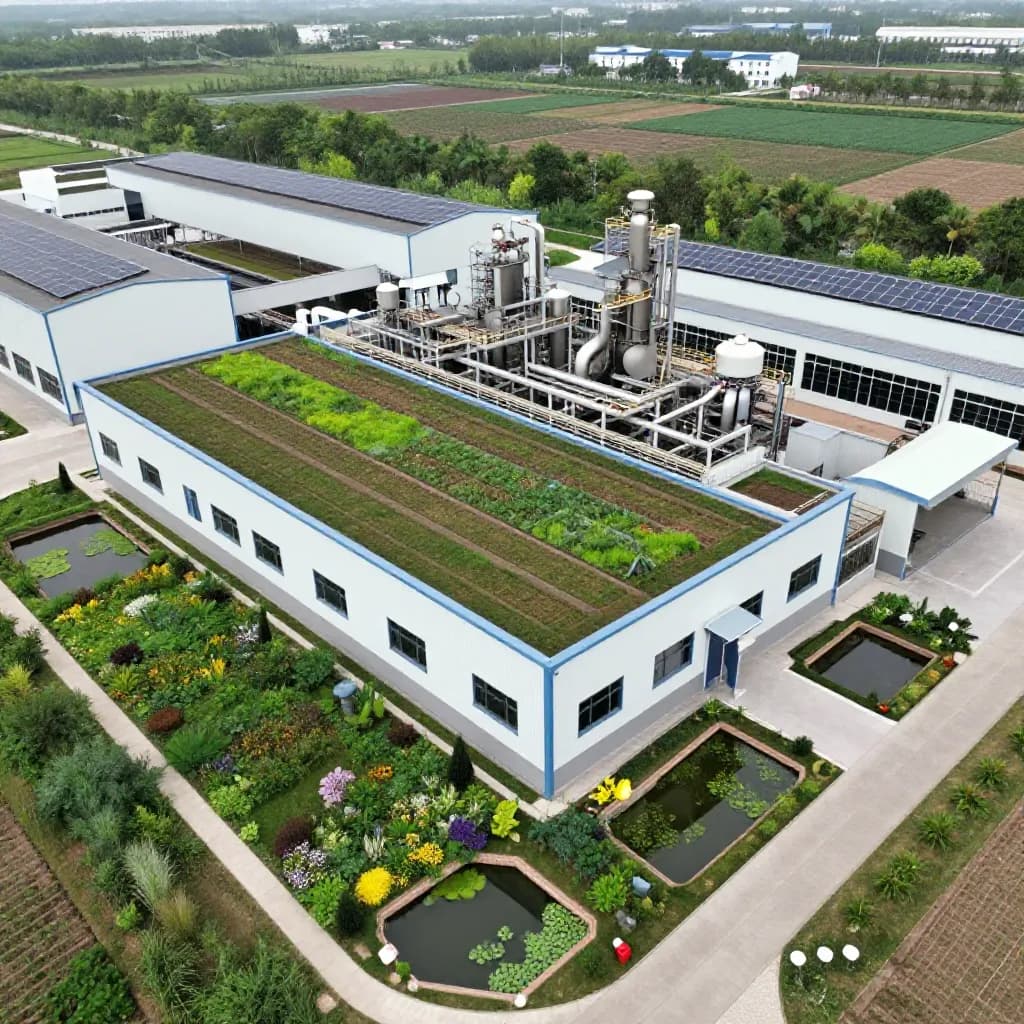
Beyond pollution prevention, powder coating facilities can actively manage their site grounds to support biodiversity. Industrial sites often contain underutilized areas — buffer zones, setbacks, stormwater management areas, and unused land — that can be managed to provide ecological value. Converting these areas from mown grass or bare ground to native wildflower meadows, hedgerows, or woodland plantings can significantly increase the biodiversity value of the site while also providing ecosystem services such as pollination, natural pest control, and stormwater infiltration.
A site biodiversity action plan should identify opportunities for habitat creation and enhancement based on the ecological context of the site. In urban and industrial areas, priority habitats might include pollinator-friendly plantings (native wildflowers and flowering shrubs that support bees, butterflies, and other pollinators), bird nesting habitat (nest boxes, hedgerows, and tree plantings), amphibian habitat (sustainable drainage features designed to provide breeding habitat), and invertebrate habitat (log piles, bare ground areas, and diverse vegetation structure).
Green infrastructure elements can serve dual purposes, providing both ecological value and operational benefits. Vegetated swales and rain gardens manage stormwater while providing habitat. Green roofs on office buildings or storage areas reduce stormwater runoff, provide insulation, and create habitat for invertebrates and birds. Tree plantings provide visual screening, noise attenuation, and carbon sequestration alongside their ecological value. The integration of biodiversity considerations into facility design and grounds management demonstrates environmental stewardship and can contribute to corporate sustainability reporting, green building certifications for on-site buildings, and positive community relations.
Supply Chain Biodiversity Impacts
The indirect biodiversity impacts of powder coatings through the raw material supply chain are potentially more significant than direct facility-level impacts. Mining operations for mineral-based raw materials — titanium ore for TiO2 pigments, iron ore for iron oxide pigments, barite for barium sulfate filler, and various ores for specialty pigments — can cause habitat destruction, water pollution, and ecosystem disruption in biodiversity-sensitive regions. Petrochemical production for resin feedstocks involves extraction and refining operations with their own biodiversity footprints.
Assessing supply chain biodiversity impacts requires understanding the geographic origins of raw materials and the ecological sensitivity of those source regions. Tools such as the Integrated Biodiversity Assessment Tool (IBAT), which provides data on protected areas and key biodiversity areas worldwide, can help identify supply chain connections to biodiversity-sensitive regions. The ENCORE (Exploring Natural Capital Opportunities, Risks and Exposure) tool, developed by the Natural Capital Finance Alliance, maps the dependencies and impacts of economic sectors on natural capital, including biodiversity.
Mitigating supply chain biodiversity impacts involves several strategies. Supplier assessment programs should include biodiversity criteria, evaluating whether suppliers operate in or source from biodiversity-sensitive areas and what mitigation measures they have in place. Preferring suppliers with certified environmental management systems (ISO 14001) and those participating in industry sustainability initiatives provides some assurance of biodiversity risk management. For raw materials with significant biodiversity risks — such as minerals sourced from tropical regions with high endemism — engaging with suppliers on biodiversity action plans and supporting industry-level initiatives for responsible sourcing can drive improvement across the supply chain.
Biodiversity Reporting Frameworks and Disclosure
The landscape for biodiversity reporting is evolving rapidly, with several frameworks emerging to guide corporate disclosure. The Taskforce on Nature-related Financial Disclosures (TNFD) provides the most comprehensive framework, structured around four pillars: governance, strategy, risk and impact management, and metrics and targets. The TNFD's LEAP approach (Locate, Evaluate, Assess, Prepare) provides a practical methodology for identifying and assessing nature-related issues.
The EU's ESRS E4 (Biodiversity and Ecosystems) standard, part of the CSRD reporting framework, requires disclosure of biodiversity-related policies, targets, actions, and metrics. Specific disclosure requirements include the identification of material impacts on biodiversity, the description of biodiversity-related targets and their alignment with the Global Biodiversity Framework, and the reporting of metrics related to land use, ecosystem condition, and species populations. While ESRS E4 applies directly to companies meeting CSRD size thresholds, smaller companies in the supply chain may be asked to provide biodiversity data to support their customers' reporting obligations.
The Science Based Targets Network (SBTN) is developing science-based targets for nature, including biodiversity, that complement the climate-focused targets of the SBTi. The SBTN framework will enable companies to set measurable, science-aligned biodiversity targets using a methodology analogous to the SBTi approach for greenhouse gas emissions. For powder coating companies, early engagement with these emerging frameworks — even before mandatory reporting requirements take effect — demonstrates leadership and builds the data collection and management capabilities that will be needed as biodiversity reporting becomes mainstream.
Integrating Biodiversity into Environmental Management
Effective biodiversity management should be integrated into the organization's existing environmental management system rather than treated as a standalone initiative. For powder coating companies with ISO 14001 certification, biodiversity can be incorporated as an environmental aspect within the existing EMS framework. The aspects and impacts assessment should include biodiversity-related aspects such as land use, emissions to sensitive receptors, water discharge to ecologically important water bodies, and supply chain connections to biodiversity-sensitive regions.
Biodiversity objectives and targets can be established within the ISO 14001 framework, with associated action plans, monitoring, and management review. Examples of biodiversity objectives for a powder coating facility might include achieving a specified increase in site biodiversity index (measured through ecological surveys), maintaining zero pollution incidents affecting local water bodies, implementing a pollinator-friendly planting program on facility grounds, and completing biodiversity risk assessments for priority raw material supply chains.
Monitoring and measurement of biodiversity performance requires different approaches than traditional environmental monitoring. Ecological surveys — conducted by qualified ecologists at appropriate seasonal intervals — provide data on species diversity, habitat condition, and ecological trends. Simpler monitoring approaches, such as pollinator counts, bird surveys, and vegetation assessments, can be conducted by trained staff and provide useful trend data between professional surveys. Photographic records of habitat management areas document changes over time. Integrating biodiversity monitoring data into the EMS reporting and management review process ensures that biodiversity performance receives the same management attention as other environmental aspects and drives continual improvement in ecological management.
Frequently Asked Questions
Why should powder coating companies care about biodiversity?
Biodiversity is increasingly regulated and reported alongside climate change. The TNFD framework, EU CSRD/ESRS E4, and the Global Biodiversity Framework create disclosure expectations. Supply chain connections to mining and petrochemicals create indirect biodiversity impacts. Proactive management reduces regulatory risk and supports customer sustainability requirements.
What are the main biodiversity impacts of powder coating operations?
Direct impacts include facility land use, air and water emissions affecting local ecosystems, noise and light disturbance, and stormwater runoff. Indirect supply chain impacts from mining (pigment raw materials) and petrochemical production (resin feedstocks) are potentially more significant, particularly when sourced from biodiversity-sensitive regions.
What is the TNFD framework?
The Taskforce on Nature-related Financial Disclosures provides a framework for organizations to report on nature-related dependencies, impacts, risks, and opportunities. It uses the LEAP approach (Locate, Evaluate, Assess, Prepare) and is structured around governance, strategy, risk management, and metrics/targets pillars.
How can powder coating facilities enhance on-site biodiversity?
Facilities can convert underutilized areas to native wildflower meadows, install pollinator-friendly plantings, create bird nesting habitat with nest boxes and hedgerows, implement sustainable drainage features that provide amphibian habitat, and install green roofs. These measures provide ecological value alongside operational benefits like stormwater management.
How does biodiversity fit into ISO 14001?
Biodiversity can be incorporated as an environmental aspect within the ISO 14001 EMS framework. The aspects assessment should include biodiversity-related impacts, and biodiversity objectives and targets can be established with associated action plans, monitoring, and management review, following the same continual improvement cycle as other environmental aspects.
Ready to Start Your Project?
From one-off customs to 15,000-part production runs — get precise pricing in 24 hours.