Per- and polyfluoroalkyl substances (PFAS) are a broad class of synthetic chemicals characterized by strong carbon-fluorine bonds that make them exceptionally resistant to heat, water, oil, and chemical degradation. This durability, which earned them the label 'forever chemicals,' has made PFAS valuable in numerous industrial applications — including high-performance powder coatings. In the coatings industry, PFAS are primarily encountered in fluoropolymer powder coatings based on polyvinylidene fluoride (PVDF), polytetrafluoroethylene (PTFE), perfluoroalkoxy alkane (PFA), and fluoroethylene vinyl ether (FEVE) chemistries.
Environmental
PFAS-Free Powder Coatings: Navigating Fluoropolymer Alternatives and Regulatory Timelines
Sundial Powder Coating·April 22, 2026·12 min
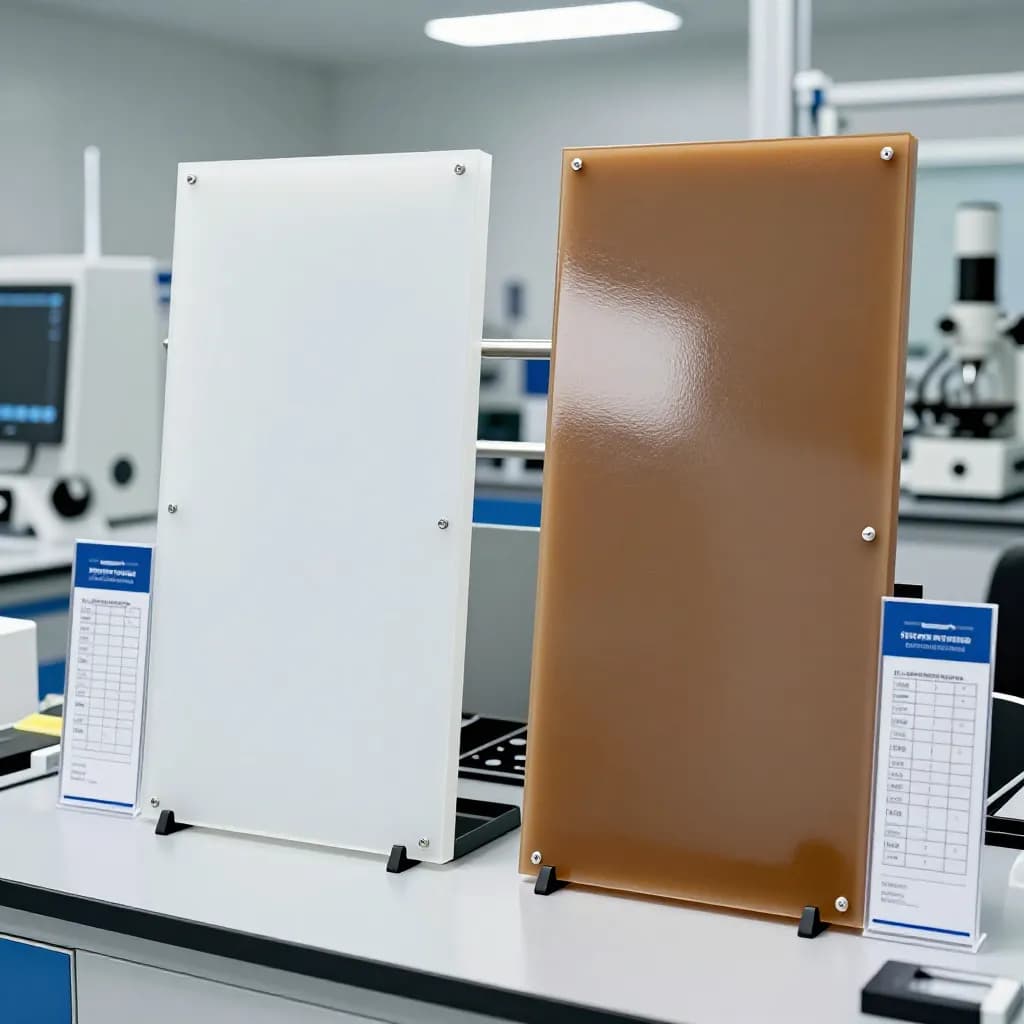
Fluoropolymer powder coatings have been the gold standard for extreme weathering resistance in architectural applications, particularly for building facades exposed to intense UV radiation, coastal salt spray, and industrial pollution. PVDF-based coatings, often marketed under trade names like Kynar, have been specified for decades on high-profile architectural projects where 30-year color retention and gloss stability are required. PTFE and PFA coatings serve industrial applications requiring exceptional chemical resistance and non-stick properties.
Ready to Start Your Project?
From one-off customs to 15,000-part production runs — get precise pricing in 24 hours.
On This Page
Understanding PFAS and Their Role in Powder Coatings
The growing regulatory and public concern about PFAS persistence in the environment and potential health effects has placed these high-performance coatings under unprecedented scrutiny. The powder coating industry now faces the challenge of developing alternative technologies that can match fluoropolymer performance without relying on PFAS chemistry — a challenge that is driving significant research and development investment across the global coatings sector.
The Regulatory Landscape for PFAS in Coatings
The regulatory response to PFAS has accelerated dramatically since 2020, with multiple jurisdictions pursuing restrictions that could fundamentally reshape the coatings market. The most significant regulatory action is the EU's proposed universal PFAS restriction, submitted to the European Chemicals Agency (ECHA) in January 2023 by the national authorities of Germany, the Netherlands, Denmark, Norway, and Sweden. This proposal would restrict the manufacture, use, and placing on the market of approximately 10,000 PFAS substances, including fluoropolymers used in coatings.
The EU proposal includes a transition period framework, with different timelines for different applications based on the availability of alternatives. For coatings where alternatives are considered available, a shorter transition period of 18 months after entry into force is proposed. For applications where alternatives are not yet technically feasible, longer derogation periods of up to 12 years may be granted. The architectural coatings sector is actively engaged in the consultation process, arguing that fluoropolymer coatings in certain high-performance applications lack viable alternatives and should receive extended transition periods.
In the United States, PFAS regulation is advancing at both federal and state levels. The EPA has established drinking water standards for certain PFAS compounds and is developing regulations under the Toxic Substances Control Act (TSCA). Several states, including Maine, Minnesota, and Washington, have enacted their own PFAS restrictions affecting consumer products. While these state-level actions primarily target PFAS in consumer goods, food packaging, and firefighting foam, the regulatory trajectory suggests that industrial applications including coatings will face increasing scrutiny.
Fluoropolymer Alternatives for Architectural Applications
The search for PFAS-free alternatives to fluoropolymer architectural coatings has produced several promising technologies, though none yet fully replicate the extreme weathering performance of PVDF systems. Super-durable polyester powder coatings represent the most mature alternative, with formulations based on specially designed polyester resins that achieve significantly improved UV resistance compared to standard polyester coatings. These coatings can meet AAMA 2604 performance requirements and, in the best formulations, approach AAMA 2605 performance levels.
Silicone-modified polyester powder coatings offer another pathway to enhanced weathering resistance without PFAS. By incorporating silicone resin segments into the polyester backbone or using silicone-based additives, these hybrid systems achieve improved gloss retention, chalking resistance, and color stability compared to conventional polyester coatings. Some silicone-polyester systems have demonstrated 15-20 year exterior durability in accelerated and natural weathering tests, narrowing the performance gap with fluoropolymer coatings.
Acrylic powder coatings, particularly those based on glycidyl methacrylate (GMA) chemistry, provide excellent exterior durability and have been used in automotive clear coats for decades. While acrylic powder coatings face challenges in terms of film flexibility and impact resistance compared to polyester systems, ongoing development is addressing these limitations. Polyurethane powder coatings, cured with blocked isocyanate crosslinkers, offer another high-performance option with excellent chemical resistance and weatherability. The industry consensus is that a combination of these technologies, optimized for specific application requirements, will progressively replace fluoropolymer coatings as regulatory pressure increases.
Industrial and Non-Stick PFAS-Free Alternatives
For industrial applications where PTFE and PFA coatings provide chemical resistance and non-stick functionality, the development of PFAS-free alternatives presents distinct technical challenges. The exceptionally low surface energy of fluoropolymers — which gives them their non-stick and chemical-resistant properties — is difficult to replicate with non-fluorinated chemistries. However, several alternative approaches are showing promise in specific application areas.
Sol-gel ceramic coatings represent one of the most advanced PFAS-free alternatives for non-stick applications. These coatings, based on silicon dioxide and other inorganic oxide networks, can achieve low friction coefficients and good release properties without any fluorinated chemistry. While they do not match PTFE's non-stick performance in all conditions, sol-gel ceramics offer superior hardness and abrasion resistance, making them suitable for cookware, bakeware, and industrial release applications where mechanical durability is important.
Silicone-based coatings provide another non-fluorinated pathway to low surface energy and release properties. Silicone powder coatings and silicone-hybrid systems can achieve contact angles and release performance approaching fluoropolymer levels for many applications. Plasma-applied diamond-like carbon (DLC) coatings and nano-structured surface treatments offer additional alternatives for specialized industrial applications. For chemical processing equipment where PFAS coatings provide corrosion protection, high-performance epoxy novolac and vinyl ester powder coatings can provide comparable chemical resistance for many chemical environments, though they lack the universal chemical resistance of fluoropolymers.
Testing and Qualification of PFAS-Free Coatings
Transitioning from fluoropolymer to PFAS-free powder coatings requires rigorous testing and qualification to ensure that performance requirements are met. For architectural applications, the relevant performance standards — AAMA 2603, 2604, and 2605 in North America, and Qualicoat and GSB certifications in Europe — define the testing protocols that alternative coatings must pass. The most demanding of these, AAMA 2605 and Qualicoat Class 3, require extended natural weathering exposure in South Florida or equivalent accelerated weathering tests.
Accelerated weathering testing using xenon arc (per ASTM G155 or ISO 11341) and fluorescent UV (per ASTM G154 or ISO 11507) exposure provides preliminary performance data, but natural weathering remains the definitive qualification method for architectural coatings. South Florida exposure testing per ASTM D7869 or ASTM G7 is the industry standard, with AAMA 2605 requiring 10 years of exposure. This extended qualification timeline means that PFAS-free alternatives currently in development may require several more years of weathering data before they can be specified with confidence for the most demanding architectural applications.
For industrial applications, qualification testing focuses on chemical resistance (ASTM D1308, ISO 2812), abrasion resistance (ASTM D4060, ISO 7784), thermal stability, and application-specific performance criteria. Non-stick applications require testing of release properties, coefficient of friction, and food contact compliance where applicable. Companies transitioning to PFAS-free alternatives should develop comprehensive test programs that evaluate not only initial performance but also long-term durability under actual service conditions, as the aging behavior of new chemistries may differ from the well-characterized fluoropolymer systems they replace.
Supply Chain and Reformulation Strategies
Managing the transition to PFAS-free powder coatings requires a strategic approach to supply chain management and product reformulation. Powder coating manufacturers should begin by conducting a comprehensive PFAS inventory across their entire product portfolio, identifying every formulation that contains fluoropolymer resins, fluorinated additives, fluorinated leveling agents, or other PFAS-containing raw materials. This inventory should include not only obvious fluoropolymer products but also conventional coatings that may contain trace PFAS from processing aids or additives.
Reformulation priorities should be established based on regulatory timelines, market demand, and technical feasibility. Products serving markets with imminent PFAS restrictions should be prioritized, while products for applications likely to receive extended derogation periods can follow a longer development timeline. Engaging with raw material suppliers early in the reformulation process is critical, as resin and additive manufacturers are simultaneously developing PFAS-free alternatives that may offer drop-in or near-drop-in replacement options.
Customer communication is an essential element of the transition strategy. Specifiers and end users who have relied on fluoropolymer coatings for decades need clear information about the performance capabilities and limitations of alternative technologies. Transparent communication about what PFAS-free alternatives can and cannot achieve, supported by test data, builds trust and enables informed specification decisions. Some applications may require adjustments to maintenance schedules or recoating intervals when transitioning from fluoropolymer to alternative coatings, and these implications should be discussed openly with customers.
Timeline and Industry Preparedness
The timeline for PFAS regulation implementation varies by jurisdiction, but the direction is clear and the pace is accelerating. In the EU, the ECHA restriction proposal is expected to result in a final regulation by 2025-2027, with transition periods beginning thereafter. Companies that wait for final regulatory text before beginning reformulation will face compressed timelines and potential market disruption. The prudent approach is to begin development of PFAS-free alternatives now, using the regulatory consultation process to inform transition planning.
Industry associations including the European Powder Coating Association (EPCA), the Powder Coating Institute (PCI), and national coatings associations are actively engaged in the regulatory process, providing technical input on the feasibility of alternatives and the transition periods needed for different applications. These organizations also facilitate pre-competitive research collaboration and information sharing that can accelerate the development of PFAS-free technologies.
The powder coating industry's track record of successful substance transitions provides grounds for cautious optimism. The industry has previously navigated the elimination of lead pigments, cadmium pigments, TGIC crosslinkers, and hexavalent chromium pretreatments, each time developing effective alternatives that maintained or improved performance. The PFAS transition is arguably more challenging due to the unique properties of fluoropolymers, but the combination of regulatory pressure, customer demand, and technological innovation is driving progress. Companies that invest proactively in PFAS-free technology development will be best positioned to maintain market leadership as the regulatory landscape evolves.
Frequently Asked Questions
What PFAS are used in powder coatings?
The primary PFAS in powder coatings are fluoropolymer resins including PVDF (polyvinylidene fluoride), PTFE (polytetrafluoroethylene), PFA (perfluoroalkoxy alkane), and FEVE (fluoroethylene vinyl ether). Some coatings may also contain fluorinated additives such as leveling agents or surface modifiers.
When will PFAS be banned in coatings?
The EU's proposed universal PFAS restriction is expected to result in regulation by 2025-2027, with transition periods of 18 months to 12 years depending on the application. US federal and state regulations are also advancing. Exact timelines remain subject to the regulatory process, but the direction toward restriction is clear.
Can PFAS-free coatings match fluoropolymer performance?
Current PFAS-free alternatives such as super-durable polyester and silicone-modified polyester coatings approach but do not yet fully match the extreme weathering performance of PVDF systems. For many applications, these alternatives provide adequate performance, and ongoing development is progressively closing the performance gap.
Are all powder coatings affected by PFAS regulations?
No. The majority of powder coatings are based on polyester, epoxy, or hybrid chemistries that contain no PFAS. Only fluoropolymer-based powder coatings and formulations containing fluorinated additives are directly affected. However, all manufacturers should audit their product lines for any PFAS-containing ingredients.
What should specifiers do about PFAS in architectural coatings?
Specifiers should evaluate whether fluoropolymer performance is truly necessary for their application or whether super-durable polyester or silicone-modified alternatives can meet requirements. For projects with 20+ year performance expectations, engaging with coating manufacturers about PFAS-free options and their qualification status is recommended.
Ready to Start Your Project?
From one-off customs to 15,000-part production runs — get precise pricing in 24 hours.