Liquid paint spray booths present a complex mix of occupational health hazards that workers face daily. The primary concern is inhalation of solvent vapors, which are released in high concentrations during spray application as the atomized paint dries rapidly in the booth airflow. Common solvents including xylene, toluene, methyl ethyl ketone (MEK), and methyl isobutyl ketone (MIBK) are central nervous system depressants that can cause dizziness, headaches, nausea, and impaired coordination at elevated exposure levels.
Environmental
Occupational Health in Paint Spray Booths: Risks and Protection
Sundial Powder Coating·April 20, 2026·9 min
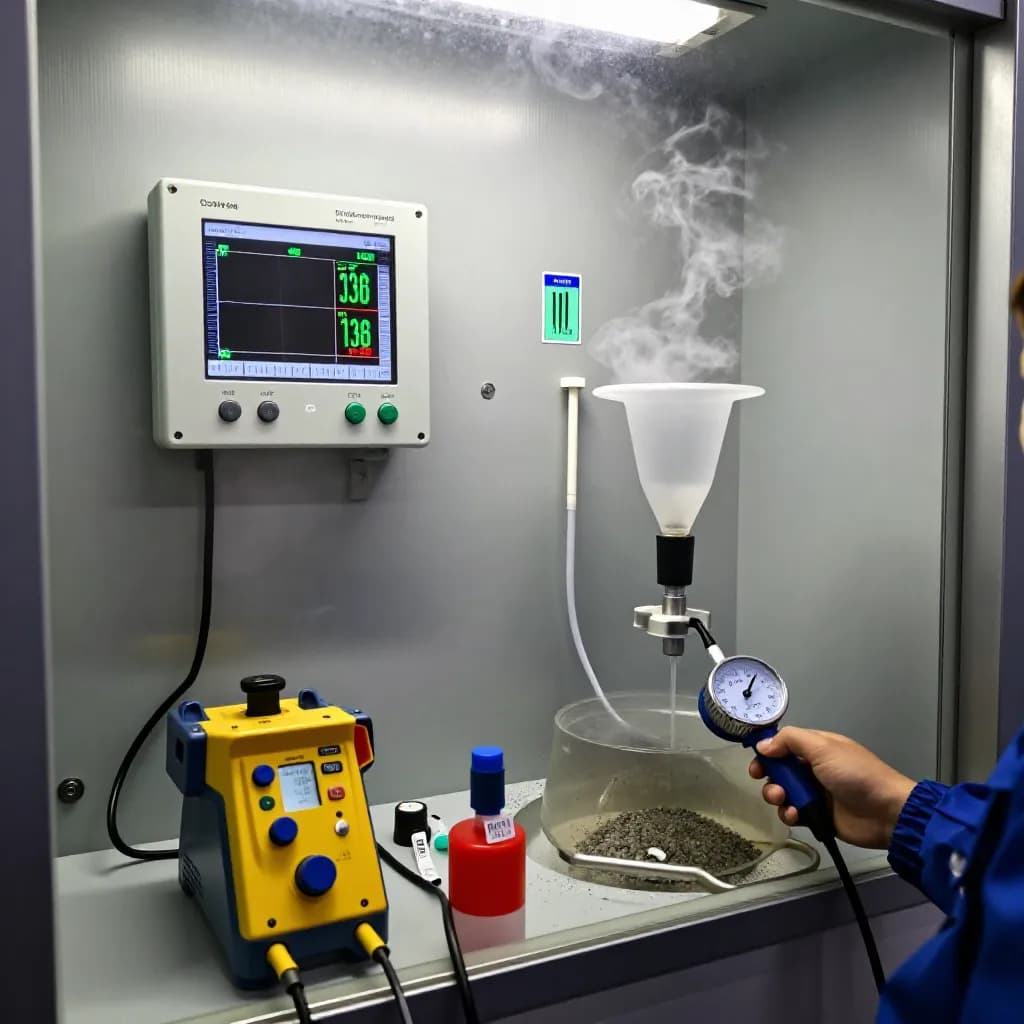
Paint mist (aerosol) containing pigments, resins, and additives poses additional inhalation hazards. Some pigments contain heavy metals such as chromium, lead, or cadmium compounds that are toxic if inhaled. Isocyanate hardeners in two-component polyurethane systems are potent respiratory sensitizers capable of causing occupational asthma. Even waterborne paint systems generate respirable aerosol during spray application that can irritate the respiratory tract.
Ready to Start Your Project?
From one-off customs to 15,000-part production runs — get precise pricing in 24 hours.
On This Page
Health Hazards in Liquid Paint Spray Booths
Skin exposure is another significant hazard. Solvents can penetrate the skin, causing dermatitis and potentially contributing to systemic toxicity. Some coating components, particularly epoxy resins and isocyanate hardeners, are skin sensitizers that can cause allergic contact dermatitis. Repeated skin contact without adequate protection can lead to chronic skin conditions that may force workers out of the coating trade entirely.
Required PPE and Engineering Controls
Engineering controls form the first line of defense in spray booth safety. Spray booths must provide adequate airflow to capture and remove solvent vapors and paint mist from the breathing zone. Downdraft booths, where air flows from ceiling to floor, are considered the most effective design because contaminated air moves away from the operator's face. Minimum face velocities of 0.5 m/s (100 ft/min) are typically required, with higher velocities for more hazardous materials.
Personal protective equipment (PPE) requirements depend on the coating system being applied. For solvent-based coatings, supplied-air respirators (SARs) or self-contained breathing apparatus (SCBA) are required when solvent vapor concentrations may exceed occupational exposure limits. For isocyanate-containing 2K systems, supplied-air protection is mandatory regardless of measured concentrations in many jurisdictions, due to the severe consequences of sensitization. Full-body protective suits, chemical-resistant gloves, and eye protection complete the PPE ensemble.
Air monitoring is essential to verify that engineering controls are effective and to determine appropriate respiratory protection levels. Personal exposure monitoring using passive diffusion badges or active sampling pumps measures the worker's actual exposure to specific solvents or isocyanates over a shift. Area monitoring using real-time instruments provides continuous feedback on booth air quality. Results must be documented and compared against occupational exposure limits to ensure compliance.
Long-Term Health Effects of Solvent Exposure
Chronic occupational exposure to organic solvents has been associated with a range of serious long-term health effects. Chronic solvent encephalopathy (CSE), also known as painters' syndrome or organic solvent syndrome, is a neurodegenerative condition caused by prolonged solvent exposure. Symptoms include memory impairment, difficulty concentrating, personality changes, fatigue, and depression. In advanced cases, CSE can cause permanent cognitive disability.
Liver and kidney damage can result from chronic exposure to solvents that are metabolized through these organs. Toluene, xylene, and chlorinated solvents are particularly associated with hepatotoxicity and nephrotoxicity. Some solvents, including benzene (now largely eliminated from coatings) and certain chlorinated compounds, are classified as known or probable human carcinogens, with long-term exposure increasing the risk of leukemia and other cancers.
Reproductive health effects have also been documented. Some solvents can cross the placental barrier, and occupational exposure during pregnancy has been associated with increased risks of miscarriage, low birth weight, and developmental abnormalities. Male reproductive effects including reduced sperm quality have been reported in workers with chronic solvent exposure. These long-term health risks underscore the importance of either eliminating solvent exposure through technology substitution or implementing rigorous exposure controls.
Powder Coating Booth Safety Comparison
Powder coating booths present a fundamentally different and significantly lower health risk profile compared to liquid paint spray booths. The primary airborne hazard in a powder coating booth is inert powder particulate rather than toxic solvent vapor. The powder particles are composed of cured-grade resins, pigments, and additives that are generally classified as nuisance dust rather than toxic substances, though inhalation of any fine particulate should be minimized.
Respiratory protection requirements for powder coating are substantially simpler. Standard half-face particulate respirators (P2/N95 or higher) provide adequate protection for most powder coating operations, compared to the supplied-air systems required for solvent-based and isocyanate-containing liquid paints. Some powder coating operations in well-ventilated booths may not require respiratory protection at all, depending on measured dust concentrations and local regulations.
The absence of flammable solvent vapors eliminates the explosion risk that drives many of the engineering requirements in liquid paint booths. While powder coating booths must manage combustible dust hazards through proper housekeeping, grounding, and ventilation, the risk profile is lower and the required controls are less complex. Skin protection requirements are also reduced, as powder coating materials are generally non-irritating and non-sensitizing to skin, unlike many liquid coating components.
Creating a Healthier Coating Workplace
Creating a healthier coating workplace begins with technology selection. Where technically feasible, replacing solvent-based liquid coatings with powder coating eliminates the most significant occupational health hazards — solvent vapors, isocyanate exposure, and flammable atmosphere risks — at the source. This substitution approach aligns with the hierarchy of controls principle that prioritizes elimination and substitution over engineering controls and PPE.
For operations where liquid coatings remain necessary, a comprehensive health protection program should include regular air monitoring to verify exposure levels, a respiratory protection program with proper fit testing and equipment maintenance, health surveillance including baseline and periodic lung function testing, and thorough training on hazard recognition and safe work practices. Ventilation systems should be regularly inspected and maintained to ensure they continue to provide adequate airflow.
Beyond regulatory compliance, progressive coating operations are adopting a culture of health awareness that empowers workers to identify and report hazards, participate in safety improvements, and take ownership of their own protection. This includes providing accessible information about the health effects of the materials they work with, encouraging early reporting of symptoms, and supporting workers who develop health conditions related to their work. A healthy workforce is more productive, more engaged, and more likely to deliver consistent coating quality.
Frequently Asked Questions
What are the main health hazards in a liquid paint spray booth?
The primary hazards are inhalation of solvent vapors (causing neurological effects, organ damage), paint mist containing toxic pigments or isocyanate hardeners (causing respiratory sensitization and asthma), and skin contact with solvents and sensitizing chemicals (causing dermatitis and systemic absorption).
What respiratory protection is needed for powder coating?
Standard half-face particulate respirators (P2/N95 or higher) are typically sufficient for powder coating operations. This is significantly simpler than the supplied-air respirators required for solvent-based and isocyanate-containing liquid paint spraying. Well-ventilated powder booths may not require respiratory protection at all.
What is chronic solvent encephalopathy?
Chronic solvent encephalopathy (CSE), also called painters' syndrome, is a neurodegenerative condition caused by prolonged occupational exposure to organic solvents. Symptoms include memory loss, difficulty concentrating, personality changes, and fatigue. In severe cases, it can cause permanent cognitive disability.
Is powder coating safer than liquid painting for workers?
Yes, significantly. Powder coating eliminates exposure to toxic solvent vapors, isocyanate hardeners, and flammable atmospheres. The primary hazard is inert powder dust, which is managed with standard particulate controls. PPE requirements are simpler, health surveillance needs are reduced, and long-term health risks are substantially lower.
Ready to Start Your Project?
From one-off customs to 15,000-part production runs — get precise pricing in 24 hours.