Coatings are one of the most significant contributors to indoor air pollution in both new and renovated buildings. When solvent-based or even some waterborne paints are applied to interior surfaces, they release volatile organic compounds through a process known as off-gassing. This emission is most intense during and immediately after application, but it can continue at lower levels for weeks or months as residual solvents and unreacted monomers slowly migrate to the film surface and evaporate.
Environmental
Indoor Air Quality and Coatings: How Paint Choices Affect Building Health
Sundial Powder Coating·April 20, 2026·9 min
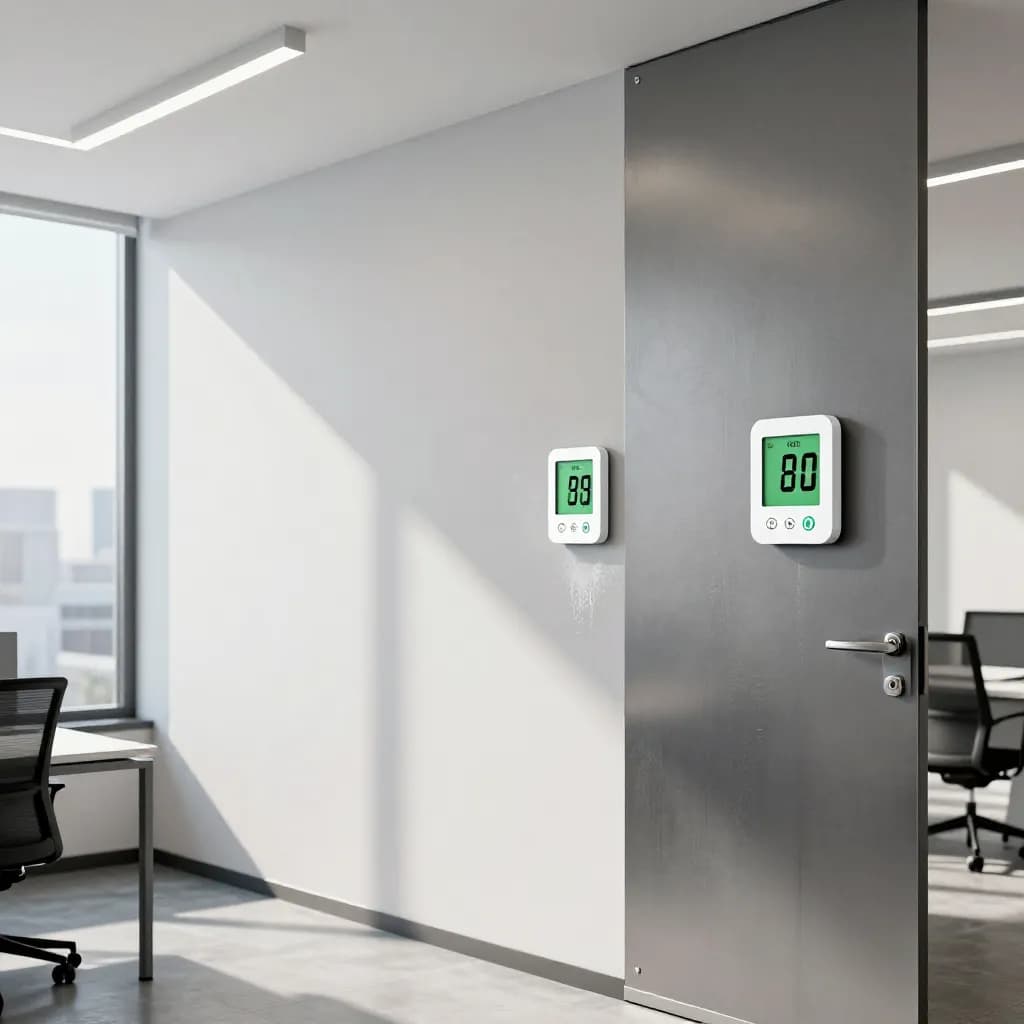
The impact on indoor air quality is amplified by the sheer surface area that coatings cover in a typical building. Walls, ceilings, doors, trim, and cabinetry collectively represent hundreds or thousands of square meters of coated surface, all potentially contributing to the indoor VOC load. In tightly sealed modern buildings designed for energy efficiency, reduced natural ventilation means that emitted VOCs accumulate to higher concentrations than they would in older, leakier structures.
Ready to Start Your Project?
From one-off customs to 15,000-part production runs — get precise pricing in 24 hours.
On This Page
How Coatings Affect Indoor Air Quality
Beyond VOCs, some coatings release semi-volatile organic compounds (SVOCs), formaldehyde, and other aldehydes that contribute to indoor air contamination. These emissions interact with other indoor pollutants and can undergo secondary chemical reactions — for example, reacting with ozone from outdoor air infiltration to produce ultrafine particles and additional irritant compounds.
Health Effects of Poor IAQ from Coatings
Exposure to VOCs and other emissions from coatings can cause a range of health effects that vary with concentration, duration, and individual sensitivity. Acute symptoms include headaches, dizziness, nausea, eye irritation, and throat discomfort. These are commonly reported by building occupants during and shortly after painting or renovation activities, and they typically resolve once VOC concentrations decrease through ventilation or natural decay.
More concerning are the chronic health effects associated with prolonged low-level exposure. Repeated exposure to certain coating-related VOCs has been linked to respiratory sensitization, aggravation of asthma, and impaired lung function. Some compounds found in coatings, such as formaldehyde and benzene, are classified as known or probable human carcinogens by the International Agency for Research on Cancer (IARC).
Sick Building Syndrome (SBS) is a condition where building occupants experience acute health effects that appear linked to time spent in the building but where no specific illness or cause can be identified. Poor IAQ from coating emissions is recognized as a contributing factor to SBS. Symptoms include fatigue, difficulty concentrating, headaches, and respiratory irritation that improve when occupants leave the building.
Low-VOC and Zero-VOC Coating Options
The coatings industry has responded to IAQ concerns by developing a wide range of low-VOC and zero-VOC products for interior use. Low-VOC architectural paints typically contain less than 50 g/L of volatile organic compounds, while zero-VOC formulations contain less than 5 g/L. These products use water as the primary carrier and employ advanced resin technologies that minimize the need for co-solvents and coalescents.
Modern low-VOC and zero-VOC interior paints have largely closed the performance gap with their higher-VOC predecessors. They offer excellent coverage, color accuracy, scrub resistance, and durability, making them suitable for virtually all interior wall and ceiling applications. Many leading manufacturers now offer their entire interior architectural range in low-VOC or zero-VOC formulations as standard.
When evaluating low-emitting coatings, look for third-party certifications that verify both VOC content and actual emission rates. Programs such as GREENGUARD Gold, Blue Angel, EU Ecolabel, and the French A+ emission rating test products in simulated room conditions and measure actual emissions over time, providing a more meaningful assessment of IAQ impact than VOC content alone.
Powder Coating's Zero-Emission Advantage for Interior Metalwork
For interior metal components — including door frames, handrails, window hardware, shelving systems, radiator covers, and furniture — powder coating offers a definitive solution to IAQ concerns. Because powder coatings contain no solvents and are fully cured before installation, they produce zero VOC emissions in the occupied space. There is no off-gassing period, no residual odor, and no contribution to indoor air pollution.
This is a fundamental advantage over liquid-painted metalwork, which may continue to off-gas for days or weeks after installation, particularly in enclosed or poorly ventilated spaces. The fully cross-linked thermoset film of a cured powder coating is chemically inert and stable, meaning it will not release organic compounds under normal interior conditions throughout its service life.
For projects targeting the highest IAQ standards, powder-coated metal components can be specified with confidence that they will not compromise indoor air quality goals. This makes powder coating the preferred finish for healthcare facilities, schools, laboratories, and other environments where occupant health and air quality are paramount concerns.
Specifying for Healthy Buildings: LEED IEQ and WELL Building Standard
Green building certification systems recognize the importance of coating selection for indoor environmental quality. LEED v4.1 awards credits under the Indoor Environmental Quality (IEQ) category for using low-emitting materials, including paints and coatings. To earn these credits, interior paints and coatings must meet VOC content limits and, in some cases, demonstrate compliance with emission testing standards such as CDPH Standard Method v1.2 (California Section 01350).
The WELL Building Standard takes an even more rigorous approach to IAQ, with specific requirements under its Air concept. WELL v2 requires that interior paints and coatings meet strict VOC emission limits and encourages the use of products with third-party emission certifications. The standard also addresses post-construction air quality through flush-out procedures or air testing to verify that VOC concentrations are below acceptable thresholds before occupancy.
Specifiers seeking to maximize IAQ performance should consider a holistic approach: use zero-VOC paints for walls and ceilings, specify powder-coated finishes for all interior metalwork, require third-party emission certifications for all coating products, and plan adequate ventilation during and after coating application. This combined strategy addresses both the largest emission sources and the most persistent ones, delivering measurably better air quality for building occupants.
Frequently Asked Questions
How long do paint VOCs affect indoor air quality?
The most intense VOC off-gassing occurs during the first 48-72 hours after application, but low-level emissions can continue for weeks or months depending on the product, ventilation, temperature, and humidity. Zero-VOC paints and powder-coated surfaces produce negligible emissions from the start.
What is Sick Building Syndrome and how are coatings involved?
Sick Building Syndrome (SBS) describes a situation where building occupants experience health symptoms such as headaches, fatigue, and respiratory irritation linked to time spent in the building. VOC emissions from paints and coatings are a recognized contributing factor, particularly in tightly sealed buildings with limited ventilation.
Do powder-coated metal surfaces off-gas indoors?
No. Powder coatings contain no solvents and are fully cured at high temperatures before the finished components are installed. The resulting thermoset film is chemically inert and produces zero VOC emissions in the occupied space, making powder-coated metalwork ideal for IAQ-sensitive environments.
Which certifications should I look for in low-emitting coatings?
Look for GREENGUARD Gold, Blue Angel, EU Ecolabel, or the French A+ emission rating. These programs test actual emissions in simulated room conditions over time, providing a more reliable indicator of IAQ impact than VOC content figures alone. For LEED projects, verify compliance with CDPH Standard Method v1.2.
Ready to Start Your Project?
From one-off customs to 15,000-part production runs — get precise pricing in 24 hours.