Applying a new layer of powder coating over an existing cured powder coating — recoating or overcoating — is a common practice in several situations. Multi-coat systems use a primer coat followed by a topcoat to achieve performance that a single coat cannot provide, such as enhanced corrosion resistance or specific aesthetic effects. Color changes on previously coated parts may be accomplished by overcoating rather than stripping. Repair of defective coatings sometimes involves sanding and recoating rather than full removal. And parts that have been in service may need recoating to restore appearance and protection.
Guides
How to Powder Coat Over Powder Coating: Recoating, Adhesion, and Compatibility
Sundial Powder Coating·April 22, 2026·12 min
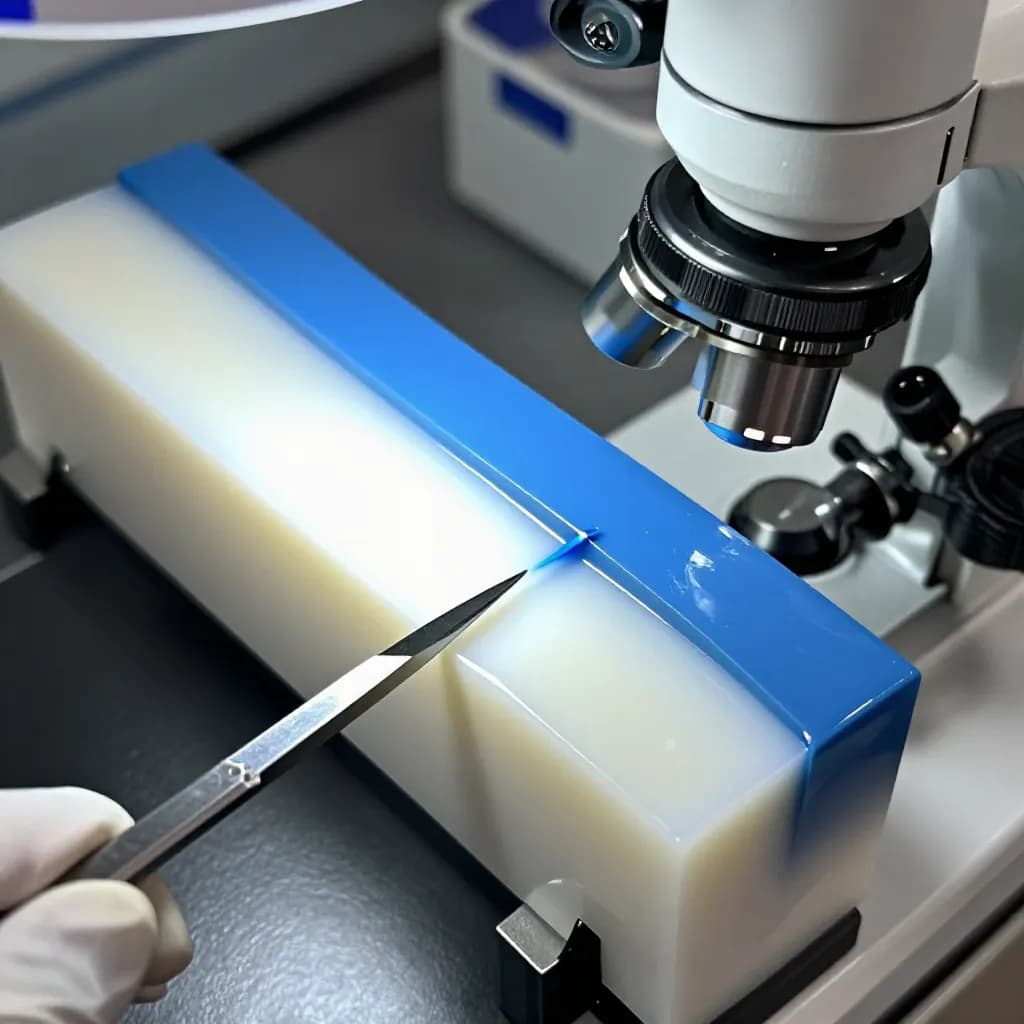
Recoating powder over powder is technically feasible and routinely done in production, but it is not as simple as applying the second coat the same way as the first. The existing cured coating presents a fundamentally different surface than bare metal — it is non-conductive (affecting electrostatic deposition), smooth (affecting mechanical adhesion), and chemically cross-linked (affecting inter-coat chemical bonding). These differences require specific preparation and application techniques to achieve reliable adhesion between the coats.
Ready to Start Your Project?
From one-off customs to 15,000-part production runs — get precise pricing in 24 hours.
On This Page
When Recoating Powder Over Powder Makes Sense
The success of a recoat depends on three factors: the compatibility of the two powder chemistries, the preparation of the existing coating surface, and the cure management of the multi-coat system. Getting any of these wrong can result in inter-coat adhesion failure — the new coat peeling away from the old coat — which is one of the most frustrating and difficult-to-diagnose problems in powder coating.
Inter-Coat Compatibility: Which Powders Work Together
Not all powder coating chemistries are compatible with each other in multi-coat systems. Incompatible combinations can result in poor inter-coat adhesion, surface defects such as cratering or wrinkling, and premature coating failure. Understanding compatibility is essential before attempting any recoat.
The general compatibility rules are: epoxy over epoxy works well; polyester over polyester works well; polyester over epoxy works well (this is the standard primer-topcoat system); epoxy over polyester is problematic and should be avoided; and hybrid (polyester-epoxy) coatings are generally compatible with both epoxy and polyester topcoats.
The reason for these compatibility patterns lies in the chemistry of the cross-linking reactions and the surface energy of the cured films. Polyester coatings have relatively high surface energy that promotes wetting and adhesion of subsequent coats. Epoxy coatings have lower surface energy and may not wet well under polyester topcoats, leading to adhesion problems.
When recoating with the same powder type and color — for example, applying a second coat of the same polyester powder to repair a defect — compatibility is generally not an issue. The same chemistry bonds well to itself. When changing colors within the same chemistry family, compatibility is also usually good.
When recoating with a different chemistry — for example, applying a polyester topcoat over an epoxy primer — consult the powder manufacturers of both products to confirm compatibility. Request inter-coat adhesion test data if available. If no data exists, perform your own adhesion testing on test panels before committing to production. Apply the system, cure it, and test adhesion using the cross-hatch tape test (ASTM D3359) to verify that the inter-coat bond meets requirements.
Surface Preparation of the Existing Coating
The existing cured powder coating must be properly prepared to accept the new coat. A smooth, glossy cured surface does not provide adequate mechanical adhesion for the second coat, and the non-conductive nature of the cured coating reduces electrostatic attraction during powder application.
Mechanical abrasion is the most important preparation step. Sand the existing coating with 180-320 grit sandpaper or a fine Scotch-Brite pad to create a uniform matte surface. This abrasion serves two purposes: it creates a mechanical profile that the new powder can grip, and it increases the surface area for inter-coat bonding. Sand uniformly across the entire surface — missed areas will have weaker adhesion.
After sanding, clean the surface thoroughly to remove sanding dust and any contaminants. Blow off with clean, dry compressed air and wipe with a tack cloth or solvent-dampened cloth. Any dust left on the surface will be trapped between the coats and can cause adhesion defects and visible inclusions.
For production multi-coat systems where the first coat is applied and cured specifically as a primer for the topcoat, some powder manufacturers formulate their primers to cure to a surface condition that promotes topcoat adhesion without additional sanding. These primers may have a slightly rough or matte surface texture that provides mechanical keying for the topcoat. Check with the primer manufacturer to determine whether sanding is required or can be omitted.
If the existing coating has any defects — chips, scratches, contamination, or areas of poor adhesion — these must be addressed before applying the second coat. The new coat will not correct defects in the underlying coat; it will only cover them temporarily. Defects in the first coat will eventually telegraph through or cause failure of the second coat.
Application Techniques for Recoating
Applying powder over a cured coating presents unique challenges compared to coating bare metal. The cured coating is an electrical insulator, which reduces the electrostatic attraction that holds the powder on the surface before curing. This means that powder deposition is less efficient and film build is slower on a previously coated surface than on bare grounded metal.
To compensate for the reduced electrostatic attraction, adjust the gun settings for recoating. Increase the voltage slightly (by 10-20 kV) to strengthen the electrostatic field. This helps drive powder onto the insulating surface. However, be cautious with voltage increases — too much voltage on an insulating surface can cause back-ionization more quickly than on bare metal because the charge cannot dissipate through the non-conductive coating.
Reduce the gun-to-part distance slightly (to 150-200 mm) to increase the field strength at the part surface. The closer distance compensates for the weaker electrostatic attraction on the insulating surface. Maintain consistent distance to avoid thickness variations.
Powder flow rate may need to be increased slightly to compensate for the lower transfer efficiency on the insulating surface. Monitor the film build carefully — it is easy to under-apply on a recoat because the powder does not adhere as readily as on bare metal.
For parts where electrostatic deposition is particularly difficult — heavily insulating surfaces or parts with complex geometry — consider preheating the part to 80-120°C before powder application. The warm surface causes the powder particles to begin melting on contact, providing a thermal bond that supplements the weaker electrostatic attraction. This technique is commonly used in fluidized bed coating and can be adapted for spray application on recoat work.
Cure Considerations for Multi-Coat Systems
Managing the cure of multi-coat powder systems requires attention to the cumulative thermal exposure of the first coat. Every time the part passes through the curing oven, the first coat receives additional heat. If the total thermal exposure exceeds the first coat's tolerance, it may over-cure, becoming brittle, discolored, or degraded.
The standard approach for two-coat systems is to fully cure the first coat, prepare the surface, apply the second coat, and cure the second coat at the standard schedule. The first coat receives two full cure cycles — its own cure plus the second coat's cure. Most powder coatings can tolerate one additional cure cycle without significant degradation, but this should be verified with the powder manufacturer, particularly for heat-sensitive colors and chemistries.
For systems that require more than two coats, or where the first coat is sensitive to over-cure, consider using a partial cure (B-stage) approach for the intermediate coats. The first coat is cured to approximately 80-90% of full cure — enough to handle and sand but not fully cross-linked. The topcoat is then applied and both coats are brought to full cure in the final oven pass. This reduces the total thermal exposure of the first coat. However, B-stage curing requires precise temperature control and is more difficult to manage consistently than full cure between coats.
Color shift in the first coat due to the additional cure cycle is a concern for transparent or translucent topcoat systems where the first coat color is visible through the topcoat. If the first coat yellows or shifts during the second cure cycle, the overall system color will be affected. Test the complete system — first coat plus topcoat with the full thermal history — to verify that the final color meets specification.
Inter-coat adhesion can be affected by the cure state of the first coat. An over-cured first coat may have a harder, less reactive surface that bonds less effectively with the topcoat. An under-cured first coat may have residual reactivity that improves chemical bonding with the topcoat but may also cause surface defects. The optimal first coat cure level for inter-coat adhesion depends on the specific powder chemistries involved — consult the powder manufacturers for guidance.
Testing and Verifying Multi-Coat System Performance
Multi-coat systems must be tested as complete systems, not just as individual layers. The performance of the system depends on the interaction between the layers, and testing individual layers in isolation does not reveal inter-coat adhesion problems or compatibility issues.
Cross-hatch adhesion testing (ASTM D3359) on the complete system evaluates both the topcoat-to-primer adhesion and the primer-to-substrate adhesion simultaneously. If the cross-hatch test produces delamination between the coats rather than at the substrate, the inter-coat adhesion is the weak link and must be improved through better surface preparation, chemistry selection, or cure management.
Pull-off adhesion testing (ASTM D4541) on the complete system provides quantitative adhesion data and identifies the weakest interface. The failure mode analysis — whether failure occurs at the substrate-primer interface, within the primer, at the primer-topcoat interface, or within the topcoat — pinpoints where improvement efforts should be focused.
Impact testing on the complete system is particularly important because multi-coat systems can behave differently under impact than single-coat systems. If the inter-coat adhesion is marginal, impact may cause delamination between the coats even if neither coat alone would fail at that impact level. Test both direct and reverse impact on the complete system.
Accelerated weathering testing — UV exposure, salt spray, humidity cycling — should be performed on the complete system for any application where long-term durability is required. Inter-coat adhesion problems that are not apparent in initial testing may develop over time as the coats age differently and differential stresses build up at the interface.
Document the complete system specification including both powder types, the surface preparation between coats, the cure schedule for each coat, and the total system thickness. This documentation ensures that the system can be reproduced consistently and provides a reference for troubleshooting if problems emerge in production or service.
Frequently Asked Questions
Can you apply powder coating over existing powder coating?
Yes, powder coating can be applied over existing cured powder coating. Success requires compatible powder chemistries, proper surface preparation (sanding to create mechanical adhesion), adjusted gun settings to compensate for the insulating surface, and careful cure management to avoid over-curing the first coat during the second cure cycle.
Do you need to sand before recoating powder coating?
Yes, in most cases. Sand the existing cured coating with 180-320 grit to create a mechanical profile for the new coat to grip. Some purpose-formulated primers cure to a surface that promotes topcoat adhesion without sanding, but for general recoating work, sanding is essential for reliable inter-coat adhesion.
Which powder coating chemistries are compatible for multi-coat systems?
Polyester over polyester, epoxy over epoxy, and polyester over epoxy all work well. Epoxy over polyester should be avoided due to poor wetting and adhesion. Hybrid coatings are generally compatible with both epoxy and polyester topcoats. Always verify compatibility with the powder manufacturers before production.
Will the first coat over-cure during the second cure cycle?
The first coat receives additional thermal exposure during the second cure cycle. Most powder coatings tolerate one additional cure cycle without significant degradation, but verify with the manufacturer. Heat-sensitive colors may yellow or shift. For systems requiring more than two coats, consider partial cure (B-stage) for intermediate layers.
Why is powder harder to apply over cured coating?
Cured powder coating is an electrical insulator that reduces the electrostatic attraction holding powder particles to the surface. Transfer efficiency is lower and film build is slower compared to bare grounded metal. Compensate by increasing voltage slightly, reducing gun distance, and considering preheating the part to provide thermal adhesion.
Ready to Start Your Project?
From one-off customs to 15,000-part production runs — get precise pricing in 24 hours.