When people ask how long powder coating takes, they usually mean one of two things: how long does the actual coating process take from start to finish, or how long will it take to get their parts back from the coating shop? These are very different questions with very different answers, and understanding both helps set realistic expectations.
Consumer
How Long Does Powder Coating Take? Process Duration, Turnaround Times, and Rush Orders
Sundial Powder Coating·April 22, 2026·11 min
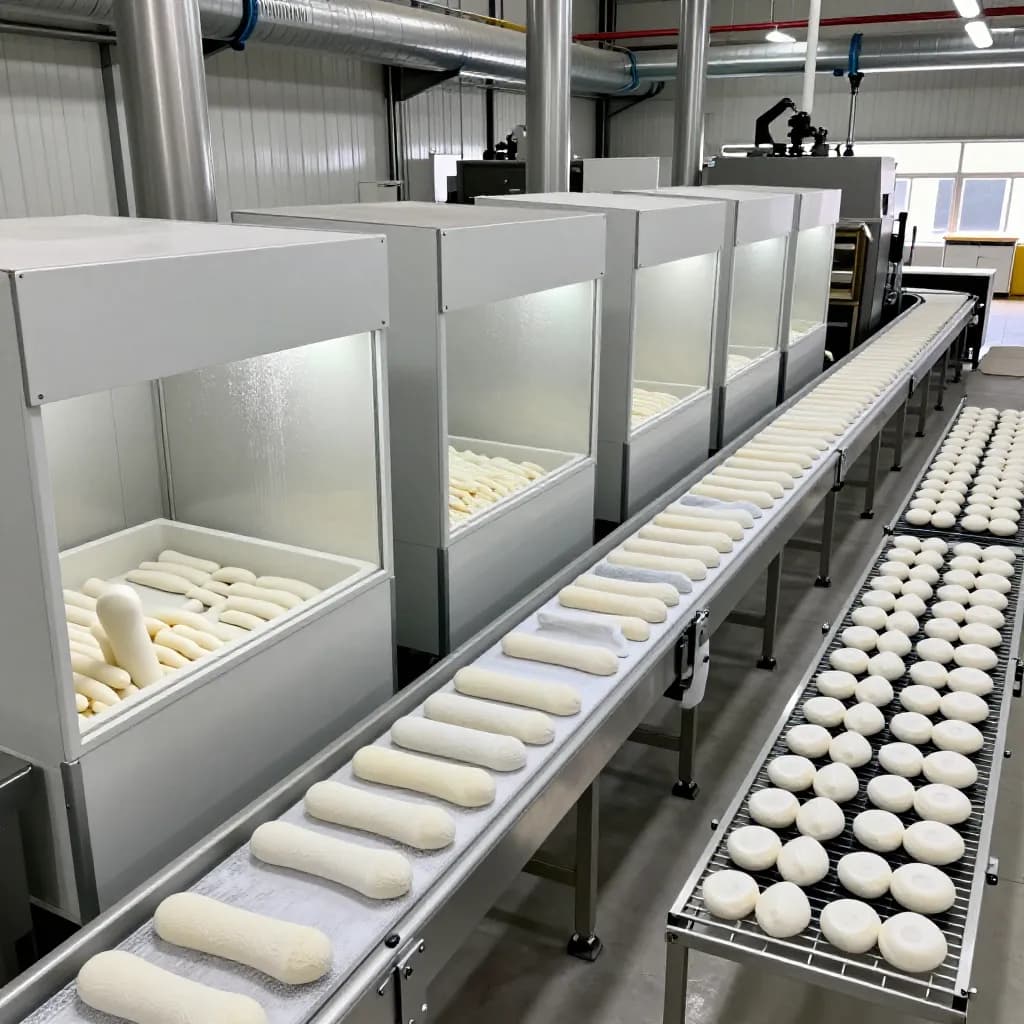
The actual powder coating process — from hanging a prepared part on the coating line to removing a fully cured, finished part — takes approximately 1-2 hours for most standard applications. This includes powder application time of 5-15 minutes and oven cure time of 15-30 minutes, plus cooling time. The process itself is remarkably fast, which is one of powder coating's advantages over multi-coat liquid paint systems that require hours of drying time between coats.
Ready to Start Your Project?
From one-off customs to 15,000-part production runs — get precise pricing in 24 hours.
On This Page
Two Different Questions: Process Time vs Turnaround Time
The turnaround time from a coating shop — the elapsed time from when you drop off your parts to when you pick them up finished — is typically 3-7 business days for standard service. This longer timeline reflects the reality that your parts must wait in the shop's production queue, be prepared and pretreated, coated, inspected, and packaged. The shop is processing many customers' work simultaneously, and your parts move through the workflow in sequence.
Understanding this distinction helps avoid frustration. The coating process is fast, but the shop workflow takes time. This article breaks down both the process duration and the shop turnaround, explains what factors affect each, and discusses options when you need parts faster than the standard timeline.
The Powder Coating Process: Step-by-Step Timing
Breaking down the powder coating process into its individual steps reveals where the time goes and why some jobs take longer than others.
Surface preparation is typically the most time-consuming step. For parts that arrive clean and ready to coat, preparation may take just 10-15 minutes for a quick solvent wipe and hang. For parts that need media blasting, the time depends on the part size, the amount of rust or old coating to remove, and the complexity of the geometry. A small bracket might take 5 minutes to blast; a bicycle frame might take 30-45 minutes; a large gate or railing section could take an hour or more.
Chemical pretreatment — phosphate wash, conversion coating, or multi-stage wash systems — adds 15-30 minutes to the process. Automated wash systems process parts on a conveyor through multiple stages of cleaning, rinsing, and conversion coating. Manual pretreatment involves spraying or dipping parts in treatment solutions and allowing appropriate contact time.
Powder application itself is fast. An experienced coater can spray a medium-sized part in 5-10 minutes, achieving uniform coverage on all surfaces. Complex parts with recesses, internal surfaces, and intricate geometry take longer because the coater must adjust gun settings and spray angles to reach all areas. Very large parts or assemblies may take 15-30 minutes to coat thoroughly.
Oven curing is the most precisely timed step. Standard powder coatings require the part to reach a specific temperature — typically 180-200 degrees Celsius — and maintain that temperature for 10-20 minutes. The total oven time includes the ramp-up period for the part to reach cure temperature, which depends on the part's mass and thickness. A thin sheet metal part might reach temperature in 5-8 minutes, while a heavy casting might take 20-30 minutes. Total oven time ranges from 20 minutes for light parts to 45-60 minutes for heavy parts.
Cooling after curing takes 15-30 minutes depending on part mass. Parts must cool enough to handle safely and for the coating to reach its final hardness before packaging or assembly.
Shop Turnaround: What Determines the Wait
The gap between the fast process time and the longer shop turnaround is filled by several factors that are largely outside the customer's control but helpful to understand.
Production queue position is the biggest factor. Most powder coating shops operate on a first-in, first-out basis, processing jobs in the order they are received. If the shop has a backlog of work ahead of yours, your parts will wait in the queue until their turn comes. During busy seasons — spring and summer are peak periods for many coating shops due to outdoor furniture, fencing, and construction work — queue times can extend significantly.
Batching by color is a common practice that affects timing. Powder coating shops try to group parts of the same color together to minimize color changes, which require cleaning the spray booth and guns between colors. If your parts are a common color like black or white, they may be batched with other orders and processed sooner. If your parts are an unusual color, the shop may wait until they have enough work in that color to justify a color change, which can add days to the turnaround.
Preparation complexity adds time. Parts that arrive rusty, painted, greasy, or otherwise contaminated require more preparation work than clean, bare metal parts. If the shop needs to strip old coating, remove heavy rust, or perform extensive blasting, this adds labor time that extends the turnaround. Bringing parts to the shop as clean and prepared as possible can reduce turnaround time.
Inspection and rework occasionally extend timelines. If the first coating application has defects — contamination, thin spots, color issues — the shop may need to strip and recoat the part. Quality-conscious shops will not release substandard work, which means occasional rework adds time. This is actually a good sign — it means the shop has quality standards.
Typical turnaround times by shop type: small custom shops often quote 3-5 business days for standard work; larger production shops may quote 5-10 business days; and high-volume industrial coaters working on contract may have lead times of 2-4 weeks depending on their production schedule.
Factors That Make Jobs Take Longer
Certain characteristics of a powder coating job predictably extend the timeline. Being aware of these factors helps you plan accordingly and communicate effectively with your coating shop.
Multiple colors on the same part require masking and multiple coating and curing cycles. Each color adds a full application and cure cycle to the process, plus the time needed to apply and remove masking. A two-tone finish effectively doubles the coating time, and three or more colors multiply it further. Multi-color work also requires more careful handling to avoid damaging previously applied colors during subsequent coating steps.
Specialty finishes like textured coatings, metallic effects, candy coats, and multi-layer systems take longer than standard single-coat applications. Textured coatings may require specific application techniques and cure schedules. Metallic powders require careful application to achieve uniform metallic effect without mottling. Candy coat and chrome-effect finishes involve multiple layers — base coat, color coat, and clear coat — each requiring separate application and curing.
Large or heavy parts extend both the coating and curing times. Large parts take longer to blast, longer to spray, and longer to heat to cure temperature in the oven. Very large parts may also require special fixturing or handling equipment, adding setup time. If the part is too large for the shop's standard oven, it may need to be processed in sections or the shop may need to schedule it for a time when their large oven is available.
Parts requiring disassembly and reassembly add significant time. If a coating shop needs to disassemble a product before coating and reassemble it afterward — removing hardware, bearings, bushings, or other components that cannot be coated — the labor time for disassembly and reassembly can exceed the coating time itself.
Custom color matching adds lead time if the powder is not in stock. The shop may need to order the specific powder color from their supplier, which can add 3-7 business days to the timeline. For truly custom colors that require a new formulation, the powder manufacturer may need 2-4 weeks to produce the custom batch.
Rush Orders: Getting Parts Faster
When standard turnaround times do not meet your deadline, most powder coating shops offer rush or expedited service options. Understanding how rush service works helps you use it effectively when needed.
Same-day or next-day service is available from many shops for an additional fee. Rush orders are moved to the front of the production queue, bypassing the normal first-in, first-out sequence. The rush fee compensates the shop for disrupting their production schedule and potentially delaying other customers' work. Rush fees typically range from 25 to 100 percent above the standard service rate, depending on the shop and the urgency.
To maximize your chances of getting fast turnaround, bring parts that are as ready to coat as possible. Clean, bare metal parts with no old coating, rust, or contamination to remove can go almost directly to the coating booth, eliminating the most time-consuming preparation steps. If you can blast and clean the parts yourself before bringing them to the shop, you remove a significant bottleneck.
Communicate your deadline clearly when you first contact the shop. Rather than simply asking for rush service, explain your specific timeline — when you need the parts and why. Some shops can accommodate tight deadlines within their normal workflow if they know about the requirement in advance, potentially avoiding the rush fee. Advance notice gives the shop time to plan your job into their schedule.
Choose common colors when speed matters. If your parts need to be black, white, or another color the shop uses frequently, they can likely coat your parts during their next run of that color without a special setup. Unusual colors require a dedicated color change, which takes more time and is harder to fit into a rush schedule.
Build relationships with your coating shop. Regular customers who provide consistent, well-prepared work often receive priority treatment and faster turnaround as a matter of course. Shops value reliable customers and are more willing to accommodate rush requests from people they know and trust.
For truly urgent situations — parts needed within hours — some shops will run a single part through the process while you wait. This is the most expensive option but can be a lifesaver when a critical part is needed immediately for a production line, event, or installation deadline.
Planning Your Project: Timeline Tips
Smart planning around powder coating timelines prevents last-minute stress and rush fees. Whether you are renovating a home, building a custom project, or managing a commercial installation, these timeline tips help keep your project on track.
Get quotes and lead times early. Contact your coating shop as soon as you know you will need powder coating, even if the parts are not ready yet. Understanding the shop's current lead time allows you to plan the rest of your project schedule around the coating step. Lead times can vary significantly by season and shop workload, so checking early avoids surprises.
Schedule coating during off-peak periods when possible. Late fall and winter are typically slower periods for many powder coating shops, as outdoor projects wind down. Scheduling your coating work during these quieter months often results in faster turnaround and potentially better pricing. Spring and summer are peak season, with longer queues and less flexibility for rush work.
Prepare parts before delivery to the shop. Remove old paint, clean off grease and oil, disassemble components that should not be coated, and remove any hardware or fittings. The less preparation work the shop needs to do, the faster your parts move through the process. Some shops offer a discount for parts that arrive ready to coat.
Provide complete information with your order. Specify the exact color (with RAL or manufacturer code if possible), the desired finish (gloss, matte, textured), any areas that need masking, and your required completion date. Incomplete information leads to delays while the shop contacts you for clarification. A clear, complete order moves through the shop faster than one that requires back-and-forth communication.
Order powder coating touch-up kits at the same time as the coating work. If you will need touch-up capability for installation damage or future maintenance, having the touch-up kit ordered and color-matched to the same batch of powder ensures the best possible color match.
Build a buffer into your timeline. Even with the best planning, unexpected delays can occur — equipment breakdowns, quality issues requiring rework, or supply chain delays for specialty powders. Adding 2-3 business days of buffer to your expected completion date provides a cushion that prevents a minor delay from becoming a project crisis.
Comparing Powder Coating Speed to Alternative Finishes
Understanding how powder coating timelines compare to alternative finishing methods helps you choose the right process when time is a factor.
Liquid painting is generally faster for single parts because there is no oven cure cycle — air-dry paints can be handled within hours, and even baked liquid paints cure faster than powder coatings because the paint film is thinner and heats through more quickly. However, liquid paint systems that require multiple coats with drying time between each coat can take longer overall than a single-coat powder application. A three-coat liquid system with primer, color, and clear coat may require 2-3 days of application and drying time, while a single-coat powder application is complete in under 2 hours.
Anodizing aluminum has similar shop turnaround times to powder coating — typically 3-7 business days — but the process itself takes longer due to the electrochemical bath times required. Anodizing produces excellent results on aluminum but is limited to that single substrate and offers a narrower color range than powder coating.
Plating processes — chrome, nickel, zinc — generally have longer turnaround times than powder coating, often 1-3 weeks, because the multi-step plating process is more complex and time-consuming. Each plating layer requires its own bath, rinse, and quality check sequence.
Cerakote and other thin-film ceramic coatings have similar turnaround times to powder coating for standard service but may be faster for rush orders because the thinner films cure more quickly. These coatings are popular for firearms, automotive, and aerospace applications where thin, precise coatings are needed.
For most consumer and commercial applications, powder coating offers the best balance of process speed, finish quality, and durability. The actual coating process is fast, and the shop turnaround is competitive with or faster than most alternative finishing methods.
Frequently Asked Questions
How long does the actual powder coating process take?
The coating process itself takes approximately 1-2 hours for most parts, including 5-15 minutes for powder application, 20-45 minutes for oven curing depending on part mass, and 15-30 minutes for cooling. Surface preparation before coating adds additional time depending on the part's condition.
What is the typical turnaround time from a powder coating shop?
Standard turnaround is typically 3-7 business days for most shops, though this varies by shop workload, season, and job complexity. During peak season in spring and summer, turnaround times may be longer. Large production shops may quote 5-10 business days for standard service.
Can I get same-day powder coating?
Many shops offer same-day or next-day rush service for an additional fee, typically 25-100 percent above standard rates. Bringing clean, ready-to-coat parts in a common color maximizes your chances of same-day completion. Some shops will process a single urgent part while you wait for critical situations.
Why does powder coating take longer for some parts?
Jobs take longer when parts need extensive preparation like rust removal or old coating stripping, when multiple colors require masking and separate cure cycles, when parts are very large or heavy requiring longer cure times, or when custom colors must be ordered from the powder supplier. Complex geometry and specialty finishes also add time.
How can I get my parts back faster from the coating shop?
Deliver parts clean and free of old coatings, choose common colors that the shop runs frequently, provide complete specifications with your order, communicate your deadline early, and consider scheduling during off-peak months. Building a relationship with your coating shop also helps, as regular customers often receive priority treatment.
Ready to Start Your Project?
From one-off customs to 15,000-part production runs — get precise pricing in 24 hours.