Bubbling and blistering on powder coated surfaces are visible defects that indicate a problem beneath or within the coating film. While the terms are often used interchangeably, they describe slightly different conditions that can have different causes and implications.
Consumer
Powder Coating Bubbling and Blistering: Moisture, Outgassing, Contamination, and When to Recoat
Sundial Powder Coating·April 23, 2026·11 min
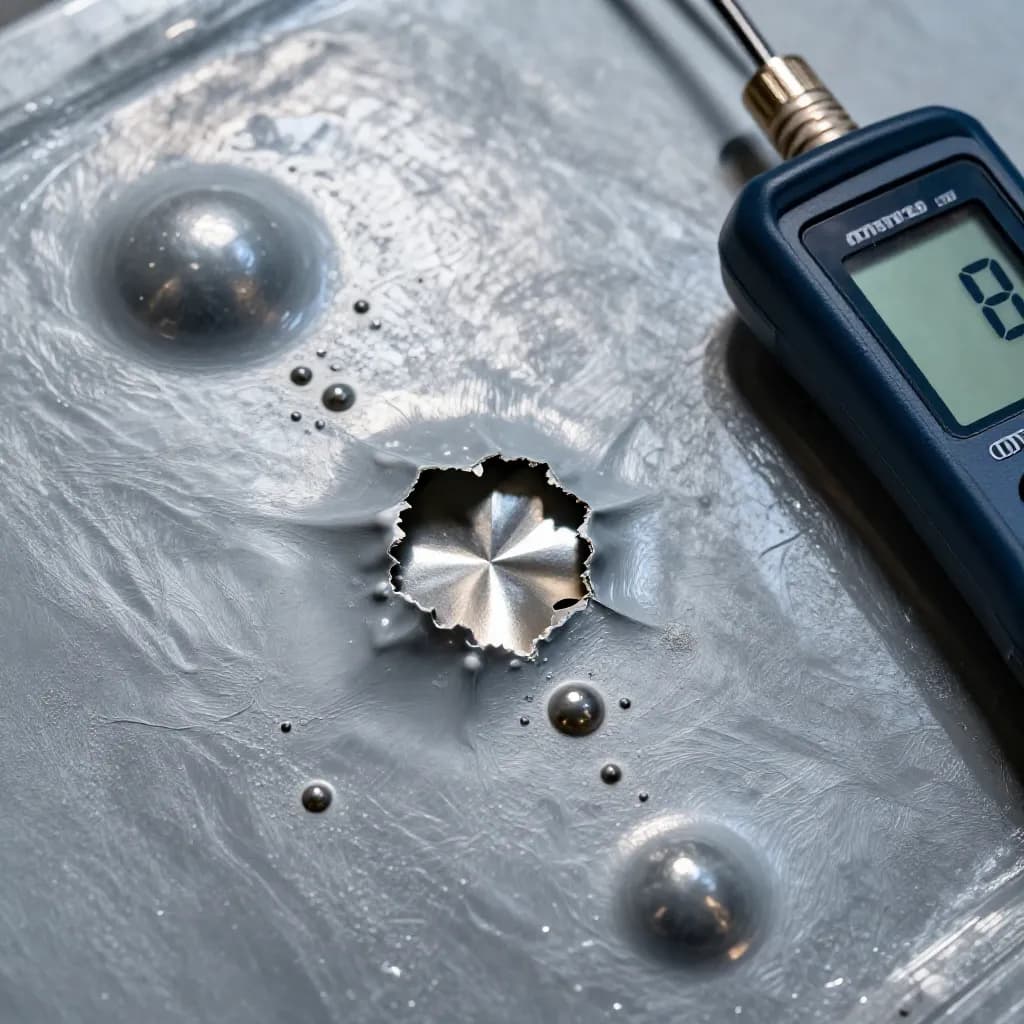
Bubbles are raised, dome-shaped defects that form during the curing process when gas is trapped beneath or within the coating as it melts, flows, and cross-links. They are typically discovered immediately after curing or during the initial quality inspection. Bubbles may be small and scattered or large and concentrated, depending on the source and amount of trapped gas.
Ready to Start Your Project?
From one-off customs to 15,000-part production runs — get precise pricing in 24 hours.
On This Page
Recognizing Bubbling and Blistering on Powder Coated Surfaces
Blisters are similar in appearance but develop after the coating has cured and been placed in service. They form when moisture, corrosion products, or other materials accumulate beneath the coating, pushing it away from the substrate. Blisters indicate that the coating's bond with the substrate has been compromised and that conditions beneath the coating are promoting delamination.
The size, distribution, and contents of bubbles and blisters provide diagnostic clues about their cause. Small, uniformly distributed bubbles across the entire surface suggest outgassing from the substrate. Large, isolated blisters that develop over time suggest localized moisture infiltration or corrosion. Clusters of bubbles in specific areas may indicate localized contamination.
Both conditions are serious because they compromise the coating's protective function. A bubble or blister is a thin-walled dome of coating with no substrate adhesion, making it vulnerable to mechanical damage and providing a pathway for moisture to reach the substrate. Left unaddressed, bubbles and blisters typically worsen over time as the underlying cause continues to operate.
Moisture-Related Bubbling and Blistering
Moisture is the most common cause of both bubbling during cure and blistering in service. Water in various forms can become trapped beneath or within the coating, creating defects that compromise the finish.
Moisture trapped in the substrate before coating is a frequent cause of bubbling during cure. When the coated part enters the curing oven, the trapped moisture turns to steam and expands, pushing through the melting powder coating to create bubbles. This is particularly common with porous substrates such as cast iron and cast aluminum, which can absorb significant amounts of water during washing and pretreatment. Welded assemblies with enclosed spaces or overlapping joints can also trap wash water that is not visible during inspection.
Inadequate drying after pretreatment leaves a film of water on the substrate surface. When the powder is applied over this moisture film and the part enters the oven, the water vaporizes and creates bubbles. This cause is identified by bubbles that are concentrated on horizontal surfaces where water pooled or in recesses where water was not fully removed by the drying process.
Moisture infiltration in service causes blistering that develops weeks, months, or years after coating. Water penetrates the coating through damage points, thin spots, or areas of poor adhesion, and accumulates at the coating-substrate interface. On ferrous substrates, this moisture initiates corrosion, and the expanding corrosion products push the coating further away from the substrate, creating progressively larger blisters.
Osmotic blistering occurs when soluble contaminants trapped beneath the coating attract moisture through the coating film by osmosis. The coating acts as a semi-permeable membrane, allowing water molecules to pass through while retaining the dissolved contaminants. The accumulating water creates pressure that pushes the coating away from the substrate. This mechanism can cause blistering even on coatings with no visible damage points.
To confirm moisture as the cause, puncture a blister and examine the contents. Moisture-related blisters typically contain clear or slightly discolored liquid. On ferrous substrates, the liquid may be rust-colored, indicating that corrosion is occurring beneath the coating.
Outgassing: When the Substrate Releases Gas During Cure
Outgassing is the release of trapped gas from the substrate during the curing process, and it is one of the most common causes of bubbling in powder coated castings, hot-dip galvanized steel, and porous metal substrates.
Cast metals including cast iron, cast aluminum, and die-cast zinc are inherently porous. The casting process creates microscopic voids and channels throughout the metal that can trap air, moisture, and mold release agents. When the coated casting enters the curing oven, these trapped substances expand and escape through the molten powder coating, creating bubbles that may or may not heal as the coating flows and levels before cross-linking.
Hot-dip galvanized steel is another common outgassing substrate. The zinc coating applied during galvanizing contains microscopic pores and channels that trap air and moisture. During powder coating cure, these trapped gases escape through the coating, creating pinhole bubbles that are often called fisheyes. The problem is exacerbated by thick galvanizing layers and by galvanizing processes that produce a rough, crystalline surface texture.
The severity of outgassing depends on the substrate porosity, the amount of trapped gas, and the cure schedule. Faster heating rates give the gas less time to escape before the coating begins to cross-link, trapping the bubbles in the cured film. Slower heating rates allow more gas to escape while the coating is still fluid, giving the coating time to flow and heal over the escape points.
Pre-baking the substrate before powder application is the standard solution for outgassing. Heating the bare substrate to a temperature above the powder coating cure temperature drives out trapped gases before the coating is applied. For castings, a pre-bake at 200 to 230 degrees Celsius for 15 to 30 minutes is typical. For galvanized steel, a pre-bake at 150 to 200 degrees Celsius is usually sufficient.
Specialized powder coating formulations designed for outgassing substrates are available. These products have extended flow and leveling characteristics that allow them to heal over gas escape points during cure. They are commonly used for coating castings and galvanized steel where pre-baking is impractical or insufficient to eliminate outgassing completely.
Contamination-Caused Bubbling and Blistering
Surface contamination on the substrate before coating can cause both immediate bubbling during cure and delayed blistering in service. Contaminants interfere with the coating's ability to wet and bond to the substrate, creating weak points that develop into visible defects.
Oil and grease contamination is the most common surface contaminant. Residual machining oils, cutting fluids, hydraulic fluid, fingerprints, and shop soils prevent the powder coating from bonding to the substrate. During cure, the oil may vaporize and create bubbles, or it may simply prevent adhesion, creating areas where the coating is not bonded and is vulnerable to blistering under environmental stress.
Silicone contamination is particularly problematic because silicone is extremely difficult to remove completely and causes severe wetting defects even in trace amounts. Sources of silicone contamination include mold release agents, lubricants, sealants, and personal care products. Silicone contamination typically produces crater-like defects called fisheyes rather than traditional bubbles, but the effect on coating performance is equally damaging.
Weld flux and spatter residue on welded assemblies can cause localized bubbling and adhesion failure. Flux residue is chemically active and hygroscopic, attracting moisture that promotes corrosion beneath the coating. Weld spatter creates rough, poorly adhered metal deposits that the powder coating cannot properly cover. Both must be thoroughly removed before coating.
Chemical residue from cleaning products, pretreatment chemicals, or previous coatings can cause bubbling if not completely removed before powder application. Rinse water contaminated with pretreatment chemicals, detergent residue from inadequate rinsing, and residual paint stripper from previous coating removal are all potential causes.
To prevent contamination-related defects, the pretreatment process must effectively remove all surface contaminants, and the cleaned surface must be protected from recontamination between pretreatment and coating application. Quality control checks such as water break tests, which verify that the surface is free of oil by observing whether water sheets uniformly across it, help catch contamination before it causes coating defects.
Diagnosing the Cause of Bubbling and Blistering
Accurate diagnosis of the cause is essential for effective remediation. The characteristics of the defects, their timing, location, and distribution all provide diagnostic information that points toward the root cause.
Timing is the first diagnostic indicator. Defects that are present immediately after curing point to causes related to the coating process: outgassing, moisture in the substrate, contamination, or cure conditions. Defects that develop days, weeks, or months after coating point to in-service causes: moisture infiltration, corrosion, or osmotic blistering.
Distribution pattern provides the second clue. Uniform distribution across the entire surface suggests a systemic cause such as outgassing from a porous substrate or a pretreatment chemistry problem. Localized clusters suggest contamination at specific points. Defects concentrated at edges, joints, or damage points suggest moisture infiltration through the coating barrier.
Defect size and shape offer additional information. Small, pinhole-sized bubbles are characteristic of outgassing. Larger, dome-shaped blisters suggest moisture accumulation or corrosion beneath the coating. Crater-like defects with raised edges suggest contamination, particularly silicone.
Examining the contents of a blister helps confirm the cause. Puncture a representative blister with a sharp point and observe what emerges. Clear liquid suggests moisture infiltration. Rust-colored liquid or dry rust powder indicates corrosion beneath the coating. Gas release without liquid suggests trapped air or outgassing. Oily or waxy residue suggests contamination.
Examining the substrate beneath a removed blister provides definitive information. Clean, bright metal with good pretreatment coating suggests the problem is in the powder coating itself. Corroded metal indicates moisture-related failure. Contaminated or poorly pretreated metal confirms a surface preparation problem.
For complex or recurring blistering problems, laboratory analysis may be needed. Cross-sectioning the coating and examining it under magnification reveals the location and nature of the defect within the coating system. Chemical analysis of blister contents identifies the specific contaminants or corrosion products involved.
When to Recoat: Making the Decision
The decision to recoat a bubbled or blistered powder coated surface depends on the extent of the damage, the root cause, and the consequences of continued degradation. Not every instance of bubbling or blistering requires immediate recoating, but some do.
Isolated bubbles or blisters on an otherwise sound coating can often be addressed with localized repair. Remove the defective coating in the affected area, treat the substrate as needed, and apply touch-up paint. Monitor the repair and surrounding area for recurrence. If the defects do not recur and the rest of the coating remains sound, localized repair is sufficient.
Widespread bubbling that was present from the initial coating application indicates a systemic process problem. The entire coating is compromised, even in areas that appear defect-free, because the same conditions that caused visible bubbles likely created less visible adhesion problems across the entire surface. Complete stripping and recoating with corrected process parameters is the appropriate response.
Progressive blistering that is spreading over time indicates an active failure mechanism that will continue until the coating is removed and the cause is addressed. Monitoring and localized repair may buy time, but the trajectory is toward complete coating failure. Plan for recoating and address the root cause, whether it is moisture infiltration, inadequate pretreatment, or substrate corrosion.
Blistering on structural or safety-critical components warrants prompt recoating regardless of the extent. The coating's protective function is compromised, and the consequences of substrate corrosion on structural elements can include safety hazards. Do not delay recoating of structural steel, load-bearing members, or safety-critical equipment.
When recoating, ensure that the root cause has been identified and will be addressed in the recoating process. Recoating over the same substrate with the same process that caused the original failure will produce the same result. Upgrade the pretreatment, improve the drying process, pre-bake outgassing substrates, or add a primer system as needed to prevent recurrence.
Prevention: Avoiding Bubbling and Blistering from the Start
Preventing bubbling and blistering requires attention to every step of the coating process, from substrate selection through pretreatment, application, and curing. Each step contributes to the overall integrity of the coating system.
Substrate selection and preparation set the foundation. For castings, specify the tightest porosity standards practical for the application. For welded assemblies, specify complete removal of flux, spatter, and slag before coating. For galvanized steel, specify the surface preparation method, whether sweep blasting, chemical treatment, or other preparation appropriate for the galvanizing type.
Pretreatment must be thorough, consistent, and appropriate for the substrate. Verify that the pretreatment chemistry is within specification, that contact times and temperatures are correct, and that rinse water quality meets requirements. Implement quality checks such as water break tests and coating weight measurements to verify pretreatment effectiveness on every batch.
Drying after pretreatment must be complete. Use heated drying ovens with adequate time and temperature to remove all moisture from the substrate surface and from any pores, joints, or recesses. For porous substrates, extend the drying time beyond what is needed for surface drying to ensure that moisture within the substrate is also removed.
Pre-baking porous substrates before powder application drives out trapped gases that would otherwise cause outgassing during cure. Establish pre-bake parameters based on the specific substrate type and verify their effectiveness through trial coating runs. Document the pre-bake parameters as part of the coating specification.
Powder application should achieve uniform film thickness across the entire surface, with particular attention to edges, corners, and recesses. Adequate film thickness provides a robust barrier against moisture infiltration. Verify film thickness with a gauge on every batch.
Cure conditions must match the powder manufacturer's specifications. Under-curing leaves the coating incompletely cross-linked and more permeable to moisture. Over-curing can degrade the coating and reduce its adhesion. Use oven temperature profiling to verify that the substrate reaches the required temperature for the required time.
Frequently Asked Questions
What causes bubbles in powder coating?
The most common causes are outgassing from porous substrates like castings and galvanized steel, moisture trapped in the substrate or on the surface before coating, and surface contamination such as oil, grease, or silicone. Each cause produces a characteristic pattern of defects that helps identify the specific problem.
Can blistered powder coating be repaired?
Isolated blisters can be repaired by removing the defective coating, treating the substrate, and applying touch-up paint. Widespread blistering typically requires complete stripping and recoating because the underlying cause has likely compromised the entire coating, not just the visibly blistered areas.
What is outgassing in powder coating?
Outgassing is the release of trapped gas from a porous substrate during the curing process. As the coated part heats up, trapped air, moisture, or other gases expand and escape through the melting powder coating, creating bubbles. It is most common on castings, galvanized steel, and porous metal substrates.
How do I prevent outgassing bubbles on cast parts?
Pre-bake the bare casting at a temperature above the powder coating cure temperature, typically 200 to 230 degrees Celsius for 15 to 30 minutes, before applying the powder. This drives out trapped gases before the coating is applied. Specialized powder formulations with extended flow characteristics can also help by allowing the coating to heal over gas escape points.
Why is my powder coating blistering after a few months?
Blistering that develops after the coating has been in service typically indicates moisture infiltration through damage points, thin spots, or areas of poor adhesion. On steel substrates, the moisture initiates corrosion that pushes the coating away from the surface. Inadequate pretreatment and insufficient film thickness are the most common underlying causes.
Ready to Start Your Project?
From one-off customs to 15,000-part production runs — get precise pricing in 24 hours.