Chalking and fading are the two most common forms of powder coating degradation on exterior surfaces, and they are closely related. Both result from the same underlying process: ultraviolet radiation breaking down the polymer structure at the coating surface. Understanding this process helps you assess the severity of the problem and choose the right response.
Consumer
Powder Coating Chalking and Fading: Causes, Assessment, Restoration, and Prevention
Sundial Powder Coating·April 23, 2026·11 min
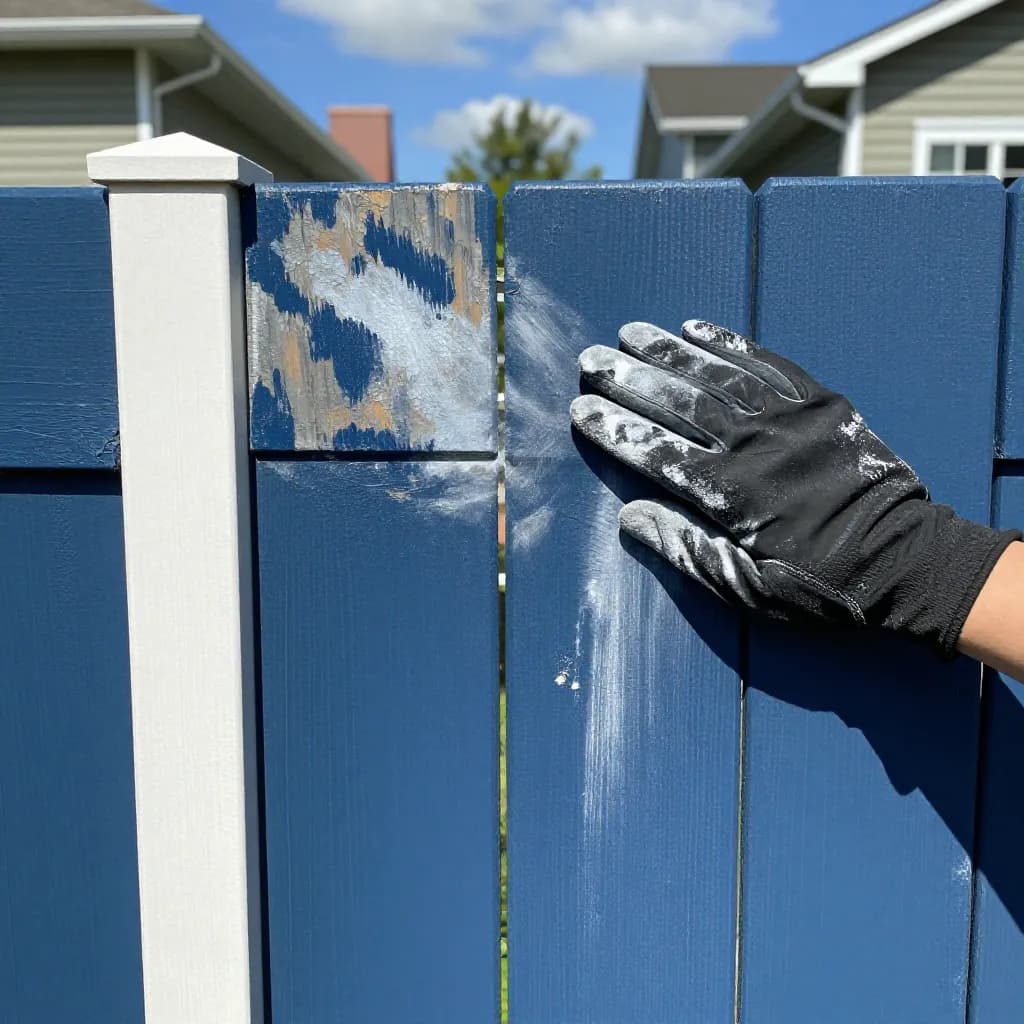
Chalking occurs when UV radiation degrades the resin binder at the coating surface, releasing pigment particles that are no longer held in the polymer matrix. These loose pigment particles sit on the surface as a powdery residue that transfers to your finger or a cloth when you touch the surface. The name comes from the chalk-like appearance and feel of this residue.
Ready to Start Your Project?
From one-off customs to 15,000-part production runs — get precise pricing in 24 hours.
On This Page
Understanding Chalking and Fading on Powder Coated Surfaces
Fading is the visible color change that accompanies chalking. As pigment particles are released from the surface and washed away by rain, the coating becomes progressively lighter or less saturated in color. Fading is most noticeable on dark and saturated colors where even small changes in pigment concentration are visually obvious. On white and very light colors, the equivalent process may manifest as yellowing rather than lightening.
Chalking and fading are normal aging processes for any organic coating exposed to UV radiation. They are not defects in the traditional sense, but rather the expected end-of-life progression for exterior coatings. The rate at which they occur depends on the coating chemistry, pigment selection, UV exposure intensity, and maintenance practices. A well-specified coating in a moderate climate may take 15 to 20 years to show significant chalking, while a poorly specified coating in a harsh UV environment may chalk noticeably within a few years.
The important distinction is between normal aging and premature failure. Chalking and fading that occur within the expected timeframe for the coating specification are normal. Chalking and fading that occur significantly earlier than expected may indicate a specification, application, or curing problem that warrants investigation.
Assessing the Severity of Chalking and Fading
Accurate assessment of chalking and fading severity guides the appropriate response, from continued routine maintenance to planning for recoating. Several methods provide objective measurements that supplement visual observation.
The simplest chalking assessment is the finger or cloth test. Press a clean finger or dark cloth firmly against the coating surface and draw it across. The amount of powdery residue that transfers indicates the chalking severity. Industry standards rate chalking on a scale from 0 to 10, where 0 is no chalking and 10 is the most severe. Ratings of 1 to 3 are considered light chalking, 4 to 6 moderate, and 7 to 10 heavy.
For more objective measurement, ASTM D4214 describes standardized methods for evaluating chalking using reference standards. These methods allow consistent comparison between inspections and between different surfaces. Professional coating inspectors use these standards for warranty assessments and condition surveys.
Fading assessment requires comparison to a reference. The most reliable reference is a protected area of the same coating that has not been exposed to UV, such as under a gasket, behind hardware, or on a surface that faces away from the sun. Place a color chip from the protected area next to the exposed surface to visualize the degree of color change.
Color measurement instruments such as spectrophotometers provide numerical color data that can be compared to the original specification or to previous measurements. The color difference is expressed as a Delta E value, where values below 1 are imperceptible, 1 to 3 are noticeable to a trained observer, 3 to 5 are noticeable to most people, and above 5 are obvious to everyone.
Gloss measurement with a gloss meter provides another objective indicator. Measure the current gloss at 60 degrees and compare it to the original specification. Gloss retention above 70 percent of original is generally considered acceptable. Between 50 and 70 percent indicates moderate degradation. Below 50 percent indicates significant surface deterioration.
Document all measurements with dates, locations, and instrument readings. This data creates a degradation timeline that helps predict when the coating will reach the end of its serviceable life and supports informed planning for maintenance or recoating.
What Causes Premature Chalking and Fading
When chalking and fading occur significantly earlier than expected for the coating specification and environment, investigating the cause helps prevent the same problem on future projects and may support warranty claims.
Incorrect coating chemistry selection is the most common cause of premature exterior degradation. Epoxy and polyester-epoxy hybrid coatings used in full exterior exposure will chalk and fade rapidly because they lack the UV resistance needed for outdoor service. These coatings are designed for interior use or sheltered exterior applications. If they were specified or applied for full exterior exposure, premature failure is the predictable result.
Under-curing the powder coating during application can significantly reduce its UV resistance. The cross-linking reaction that gives the coating its durability requires specific time and temperature conditions. If the coating was cured at too low a temperature or for too short a time, the polymer network is incomplete and more vulnerable to UV attack. Under-cured coatings may also show reduced hardness, chemical resistance, and adhesion.
Over-curing can also cause premature degradation, particularly yellowing and embrittlement. Excessive cure temperatures or times can thermally degrade the resin and pigments, reducing their UV stability. Over-cured coatings may appear acceptable initially but degrade faster than properly cured coatings.
Poor pigment selection affects color stability independently of the resin system. Organic pigments, while offering bright, saturated colors, are generally less UV-stable than inorganic pigments. A coating formulated with UV-sensitive organic pigments may fade prematurely even if the resin system is appropriate for exterior use. This is particularly relevant for bright reds, yellows, and oranges.
Insufficient film thickness reduces the coating's ability to absorb UV radiation before it reaches the substrate interface. Thin areas, particularly at edges and corners, degrade faster than areas with full film thickness. If the overall film thickness is below specification, the entire surface may show premature chalking and fading.
Environmental factors beyond UV also contribute. Atmospheric pollutants, industrial emissions, and chemical exposure can accelerate coating degradation. Surfaces near industrial facilities, highways, or agricultural operations may experience faster degradation than the same coating in a clean environment.
Restoration Options for Chalked and Faded Coatings
Several restoration approaches can improve the appearance of chalked and faded powder coatings, ranging from simple cleaning to professional refinishing. The appropriate option depends on the severity of degradation and the performance requirements of the application.
Thorough cleaning is the first step for any chalked surface. Washing with pH-neutral detergent and water removes the loose chalked material from the surface, which alone can improve the appearance significantly. The surface beneath the chalk layer is often in better condition than the chalky exterior suggests. Regular cleaning that removes chalk before it accumulates maintains a better appearance throughout the coating's life.
Polishing with automotive-grade compound can restore gloss and improve color on moderately chalked surfaces. The polishing compound removes the degraded surface layer, exposing fresher coating material beneath. This approach works well when the chalking is limited to the outermost surface layer and the coating retains adequate thickness. Use a fine-cut compound and a soft pad, working in small sections.
Applying a clear coat over the existing powder coating provides renewed UV protection and restores gloss without the need for stripping and recoating. The clear coat acts as a sacrificial UV-absorbing layer that protects the color coat beneath. This option is most effective when the existing coating still has good adhesion and acceptable color, and the primary concern is preventing further degradation.
Wax and sealant products can temporarily improve the appearance of lightly chalked surfaces by filling micro-surface irregularities and adding gloss. This is a cosmetic improvement rather than a restoration, and it needs to be reapplied periodically. However, it is the simplest and least invasive option for surfaces where the chalking is mild and the coating is otherwise in good condition.
Full stripping and recoating is the definitive restoration for heavily chalked and faded coatings. This involves removing the existing coating completely, preparing the substrate, and applying a new powder coating. While this is the most involved and costly option, it produces a like-new result and resets the coating's service life. It is the appropriate choice when degradation is too advanced for surface restoration methods.
Prevention: Specifying for Maximum Chalking and Fading Resistance
The most effective prevention of premature chalking and fading happens at the specification stage, before the coating is applied. Selecting the right coating system for the intended exposure conditions sets the foundation for long-term performance.
For maximum exterior durability, specify super-durable polyester powder coatings that meet Qualicoat Class 2 or AAMA 2605 requirements. These specifications mandate accelerated weathering tests that verify the coating's resistance to UV degradation over extended periods. Coatings that pass these tests have demonstrated their ability to maintain color and gloss in demanding exterior exposure.
Pigment selection matters as much as resin chemistry. Specify coatings formulated with UV-stable inorganic pigments wherever possible. For colors that require organic pigments, such as bright reds and yellows, discuss UV stability with the powder manufacturer and select the most lightfast pigment options available. Some manufacturers offer enhanced-durability versions of UV-sensitive colors.
Film thickness at or above the specification minimum provides the full UV protection that the coating system is designed to deliver. Specify minimum film thickness requirements and verify compliance through measurement during application. Pay particular attention to edges, corners, and complex geometries where thin coverage is most likely.
Proper curing is essential for achieving the coating's designed UV resistance. Specify cure conditions according to the powder manufacturer's technical data sheet and verify compliance through cure window testing during application. Both under-curing and over-curing reduce UV performance.
Orientation and shading should be considered during design. Where possible, orient the most visible and appearance-critical surfaces away from maximum sun exposure. Architectural features such as overhangs, fins, and recesses that provide partial shading reduce cumulative UV exposure and extend coating life.
A maintenance program that includes regular cleaning and periodic application of UV-protective products extends the coating's resistance to chalking and fading. Cleaning removes contaminants that accelerate UV degradation, while UV-protective waxes and sealants provide an additional barrier against solar radiation.
Chalking and Fading in Warranty Context
Chalking and fading are the most common subjects of powder coating warranty claims, and understanding how warranties address these conditions helps set realistic expectations and supports valid claims when they arise.
Most architectural powder coating warranties specify maximum allowable chalking and fading levels at defined intervals. A typical warranty might guarantee chalking no worse than rating 8 on the ASTM scale and color change no greater than 5 Delta E units after a specified number of years. These thresholds define the boundary between normal aging and warranted failure.
Warranty coverage typically requires that the coating was applied by a certified applicator using approved materials, that the specified pretreatment and cure conditions were followed, and that the owner has maintained the coating according to the manufacturer's maintenance guidelines. Failure to meet any of these conditions may void the warranty, which is why documentation of application conditions and maintenance activities is so important.
To support a warranty claim, you need documentation of the original coating specification, evidence that the coating was applied by a certified applicator, maintenance records showing compliance with the manufacturer's guidelines, and objective measurements of the current chalking and fading levels. Photographs comparing the affected surface to protected reference areas provide compelling visual evidence.
If you believe your coating has chalked or faded prematurely, contact the powder manufacturer and the applicator as early as possible. Many warranty issues are resolved more smoothly when reported promptly rather than after the coating has deteriorated further. The manufacturer may send a representative to inspect the coating and take samples for laboratory analysis.
Keep in mind that warranties typically cover the coating material and application quality, not environmental factors beyond the coating's design parameters. A standard polyester coating that chalks after 5 years of extreme UV exposure may be performing within its design capability even though the owner expected longer service. Matching the coating specification to the actual exposure conditions is the owner's responsibility, often guided by the specifier or architect.
Living with Chalking: When Replacement Is Not Immediate
In many situations, chalking and fading are identified but immediate recoating is not practical due to budget constraints, scheduling limitations, or the coating still providing adequate protection despite its changed appearance. Managing a chalked coating until recoating can be scheduled is a practical reality for many building and asset owners.
Regular cleaning becomes more important as chalking progresses. Washing away the chalked surface layer improves appearance and removes the degraded material that can trap moisture and contaminants against the coating. A surface that is cleaned regularly looks significantly better than one that is allowed to accumulate chalk, even though the underlying degradation is the same.
Applying a quality wax or sealant after cleaning provides a temporary gloss boost and some UV protection. The improvement is cosmetic and temporary, lasting weeks to months depending on the product and exposure conditions. However, it can meaningfully improve the appearance of a chalked surface while recoating is being planned.
Monitor the coating's protective function separately from its appearance. A coating that has chalked and faded may still be providing adequate corrosion protection to the substrate. Check for adhesion, substrate condition, and any signs of corrosion at regular intervals. As long as the coating is still adhering well and the substrate is sound, the coating is still doing its primary job even if it no longer looks its best.
Prioritize recoating based on risk. Surfaces where coating failure would lead to structural corrosion, safety hazards, or significant secondary damage should be recoated first. Surfaces where the consequence of further degradation is purely cosmetic can wait longer. This risk-based approach allocates limited maintenance resources where they have the greatest impact.
When recoating is eventually scheduled, use the opportunity to upgrade the specification. If the original coating chalked prematurely, specify a higher-performance system for the replacement. If the original coating performed as expected but the owner wants longer service, upgrading to super-durable polyester or adding a clear topcoat extends the next recoating interval.
Frequently Asked Questions
Is chalking on powder coating normal?
Yes. Chalking is a normal aging process for any organic coating exposed to UV radiation. The rate depends on the coating chemistry, with super-durable polyester resisting chalking for 20 to 25 years and standard polyester for 10 to 15 years. Chalking that occurs within the expected timeframe is normal aging, not a defect.
Can chalked powder coating be restored without recoating?
Mild to moderate chalking can be improved by thorough cleaning followed by polishing with automotive compound to remove the degraded surface layer. Applying a clear coat over the existing coating provides renewed UV protection. These methods work when the coating still has good adhesion and adequate thickness. Heavy chalking typically requires recoating.
Why is my powder coating fading unevenly?
Uneven fading is usually caused by uneven UV exposure. South and west-facing surfaces receive more sun than north and east-facing surfaces, so they fade faster. Shaded areas under overhangs or adjacent structures fade more slowly. Uneven film thickness can also cause uneven fading, with thinner areas degrading faster.
Does cleaning prevent powder coating from chalking?
Regular cleaning does not prevent chalking, which is caused by UV radiation, but it slows the process by removing atmospheric contaminants that accelerate UV degradation. Cleaning also removes accumulated chalk, improving appearance and preventing the degraded material from trapping moisture against the coating surface.
How do I file a warranty claim for powder coating chalking?
Gather documentation of the original coating specification, applicator certification, and your maintenance records. Measure the current chalking level using ASTM D4214 methods and document color change with photographs comparing exposed and protected areas. Contact the powder manufacturer and applicator with this evidence. Prompt reporting improves the likelihood of a smooth resolution.
Ready to Start Your Project?
From one-off customs to 15,000-part production runs — get precise pricing in 24 hours.