Powder coating is widely recognized as one of the most durable finishing technologies available, but its actual lifespan depends heavily on the application environment and the quality of the coating system. In exterior applications exposed to sunlight, rain, temperature fluctuations, and atmospheric pollutants, a well-applied standard polyester powder coating can be expected to last 15 to 20 years before showing significant signs of degradation such as chalking, fading, or loss of gloss. Superdurable and hyperdurable formulations can extend this to 25 years or more.
Technical
How Long Does Powder Coating Last? Durability & Lifespan Guide
Sundial Powder Coating·April 20, 2026·8 min
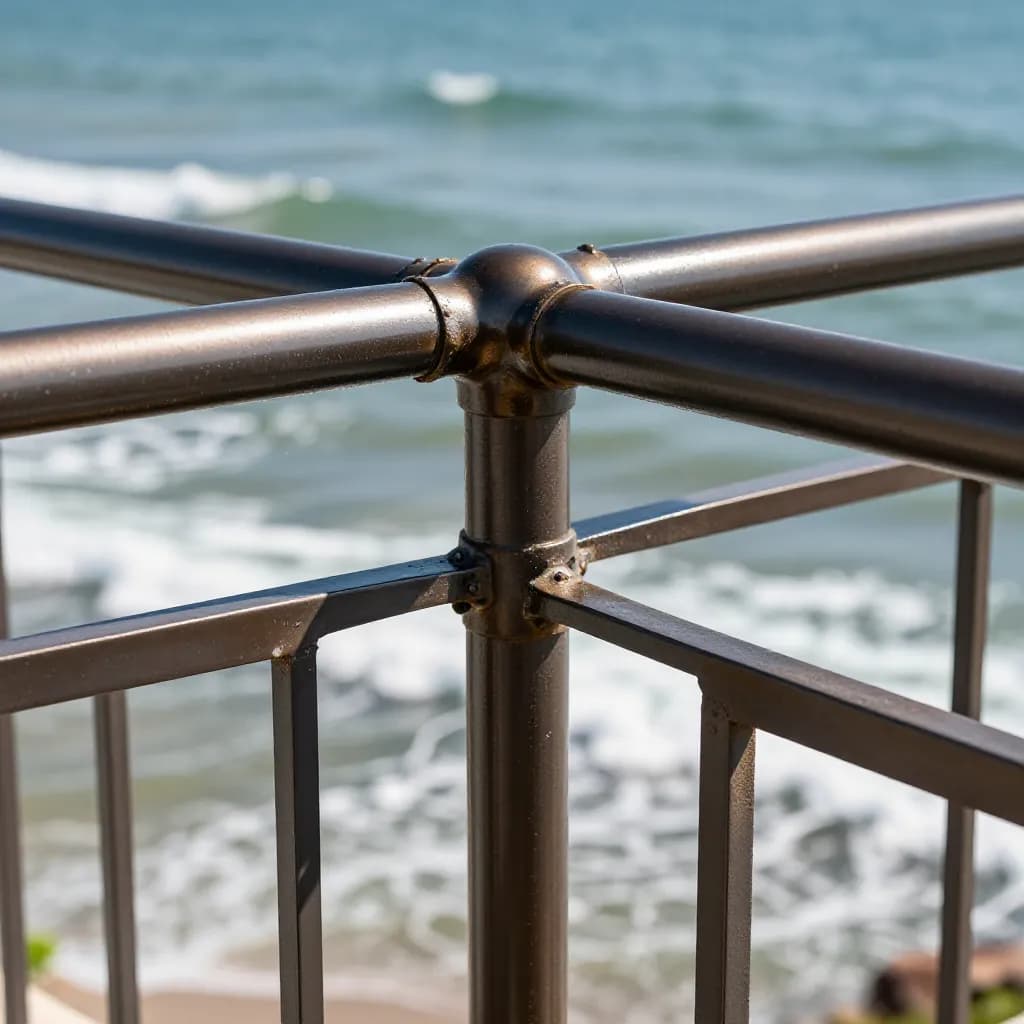
For interior applications where the coating is shielded from UV radiation and harsh weather, powder coatings can last virtually indefinitely. Office furniture, shelving, appliances, and interior architectural elements finished with powder coating routinely maintain their appearance for decades with minimal maintenance. The absence of UV exposure eliminates the primary degradation mechanism, allowing even standard polyester and hybrid coatings to perform exceptionally well over long periods.
Ready to Start Your Project?
From one-off customs to 15,000-part production runs — get precise pricing in 24 hours.
On This Page
Typical Lifespan of Powder Coating
It is important to distinguish between functional lifespan and aesthetic lifespan. A powder coating may begin to show visible changes in color or gloss long before it loses its protective function. The underlying corrosion protection provided by the coating system — including the pretreatment and primer layers — often continues to perform well even after the topcoat has begun to weather. This means that a building facade may need recoating for aesthetic reasons while the structural protection remains intact.
Factors Affecting Durability
Several key factors determine how long a powder coating will last in service. UV radiation is the primary cause of coating degradation in exterior applications. Ultraviolet light breaks down the chemical bonds in the resin, leading to chalking, fading, and loss of gloss over time. The intensity of UV exposure varies significantly by geographic location, with tropical and high-altitude regions experiencing much higher UV levels than temperate or northern climates. South-facing surfaces also receive more UV exposure than north-facing ones in the Northern Hemisphere.
The quality of surface preparation and pretreatment is arguably the most critical factor for long-term durability. A powder coating is only as good as the substrate beneath it. Inadequate cleaning, poor conversion coating quality, or insufficient pretreatment will lead to premature adhesion failure and corrosion, regardless of how good the topcoat is. Multi-stage pretreatment processes using zinc phosphate or modern chromate-free alternatives provide the best foundation for long-lasting performance.
Film thickness plays a significant role in durability. Coatings applied below the minimum recommended thickness will have reduced UV protection, lower barrier properties, and increased susceptibility to mechanical damage. Most architectural specifications require a minimum of 60 microns for exterior applications. The specific powder chemistry, the quality of the raw materials used in the formulation, and the accuracy of the curing process also directly impact how well the coating will perform over time. Under-cured or over-cured coatings will have compromised mechanical properties and reduced weathering resistance.
Standard vs Superdurable vs Hyperdurable Coatings
The powder coating industry offers three tiers of exterior durability to match different performance requirements and budgets. Standard polyester powder coatings are formulated for general exterior use and typically maintain acceptable appearance for 10 to 15 years in moderate climates. They meet the basic requirements of quality standards like Qualicoat Class 1 and GSB Master, which specify performance after one year of Florida exposure testing.
Superdurable polyester powder coatings use specially selected resins and UV stabilizers to deliver significantly enhanced weathering performance. These coatings are designed to maintain color and gloss retention for 20 to 25 years in exterior applications and meet the more demanding Qualicoat Class 2 and GSB Premium standards, which require performance validation after two or three years of Florida exposure. Superdurable coatings have become the standard specification for high-quality architectural projects where long-term aesthetic performance is important.
Hyperdurable powder coatings represent the pinnacle of weathering performance in polyester technology. These premium formulations use the highest-grade resins and advanced stabilizer packages to achieve performance levels approaching those of fluoropolymer coatings, with expected service lives of 25 to 30 years or more. Qualicoat Class 3 certification, the highest tier, validates this level of performance. For projects requiring the absolute maximum in weathering resistance, fluoropolymer (PVDF) powder coatings offer proven performance exceeding 30 years, as demonstrated by buildings coated decades ago that still maintain excellent appearance.
How to Extend the Life of Powder Coating
Regular cleaning is the single most effective way to extend the life of a powder-coated surface. Dirt, pollution deposits, bird droppings, and other contaminants can trap moisture against the coating surface and accelerate degradation. For architectural applications, cleaning with mild soapy water and a soft cloth or sponge at least once or twice a year is recommended. In coastal or heavily polluted environments, more frequent cleaning may be necessary. Avoid abrasive cleaners, scouring pads, or harsh solvents that could damage the coating surface.
Proper specification at the design stage is equally important for maximizing coating life. Selecting the appropriate durability tier for the application environment, specifying adequate film thickness, and ensuring that the pretreatment system is matched to the substrate and exposure conditions will all contribute to long-term performance. For coastal projects within five kilometers of the sea, specifying a primer coat beneath the topcoat provides an additional layer of corrosion protection that can significantly extend the overall system life.
Avoiding mechanical damage during installation and throughout the service life of the coated product also helps maintain the coating's integrity. Scratches, chips, and abrasion damage the protective barrier and create entry points for moisture and corrosive agents. Using protective films during transport and installation, specifying appropriate handling procedures, and addressing any damage promptly with touch-up products can prevent localized corrosion from spreading.
Signs It's Time to Recoat
Knowing when a powder-coated surface needs recoating helps prevent costly damage to the underlying substrate. Chalking is one of the earliest visible signs of coating degradation. It appears as a powdery residue on the surface that can be wiped off with a finger. Mild chalking is a normal part of the weathering process and does not necessarily indicate that recoating is needed, but heavy chalking suggests that the coating's UV protection is significantly diminished.
Color fading and loss of gloss are progressive indicators of weathering. While some degree of color change is expected over many years of exterior exposure, noticeable fading — particularly uneven fading between sheltered and exposed areas — indicates that the coating is approaching the end of its aesthetic service life. Gloss reduction is typically the first measurable change, followed by color shift. Quality standards define acceptable limits for both gloss retention and color change using standardized measurement methods.
More serious signs include cracking, peeling, blistering, or visible corrosion. Cracking and peeling indicate that the coating has lost its flexibility and adhesion, often due to UV degradation, thermal cycling, or substrate movement. Blistering may indicate moisture infiltration beneath the coating, often caused by inadequate pretreatment or damage to the coating film. Any visible rust or corrosion staining is a clear signal that the protective system has been compromised and prompt action is needed to prevent further substrate damage. In these cases, the affected areas should be stripped, re-prepared, and recoated as soon as possible.
Frequently Asked Questions
Does powder coating fade in sunlight?
All organic coatings will experience some degree of fading when exposed to UV radiation over time. However, the rate and extent of fading depends on the powder coating chemistry and quality tier. Standard polyester coatings may show noticeable fading after 10-15 years, while superdurable formulations maintain color for 20-25 years. Darker and more saturated colors tend to show fading more visibly than lighter shades.
Is powder coating more durable than anodizing?
Powder coating and anodizing offer different types of durability. Powder coating provides a thicker protective layer with unlimited color options and excellent UV resistance. Anodizing creates a hard, integral oxide layer that is extremely scratch-resistant but limited in color range. For architectural applications requiring specific colors and long-term color retention, powder coating is generally preferred. For applications requiring maximum abrasion resistance, anodizing may be the better choice.
Can you repair damaged powder coating?
Minor scratches and chips can be repaired using color-matched touch-up paints or pens specifically designed for powder-coated surfaces. For larger areas of damage, the affected section may need to be sanded, primed, and repainted with a compatible liquid coating. Complete recoating requires stripping the existing powder coating through chemical stripping, media blasting, or burn-off, followed by full reapplication of the powder coating system.
Does powder coating rust?
Powder coating itself does not rust, as it is made from synthetic resins and pigments. However, if the coating is damaged, improperly applied, or has degraded over time, moisture can reach the underlying metal substrate and cause rust. Proper surface preparation, adequate film thickness, and appropriate pretreatment are essential to prevent corrosion beneath the powder coating.
How does climate affect powder coating lifespan?
Climate significantly impacts powder coating durability. Hot, sunny climates with high UV intensity cause faster degradation than cooler, overcast regions. Coastal environments with salt spray accelerate corrosion, while industrial areas with chemical pollutants can attack the coating surface. Tropical climates combining high UV, humidity, and temperature present the most challenging conditions. Specifying the appropriate durability tier for the local climate is essential for achieving the expected service life.
Ready to Start Your Project?
From one-off customs to 15,000-part production runs — get precise pricing in 24 hours.