Green building certification systems provide frameworks for designing, constructing, and operating buildings with reduced environmental impact and improved occupant well-being. The four most widely recognized systems globally are LEED (Leadership in Energy and Environmental Design), developed by the US Green Building Council; BREEAM (Building Research Establishment Environmental Assessment Method), originating in the UK; WELL Building Standard, focused on occupant health and wellness; and DGNB (Deutsche Gesellschaft für Nachhaltiges Bauen), the German sustainable building certification.
Environmental
Green Building Certifications and the Role of Coatings: LEED, BREEAM, WELL, DGNB
Sundial Powder Coating·April 20, 2026·9 min
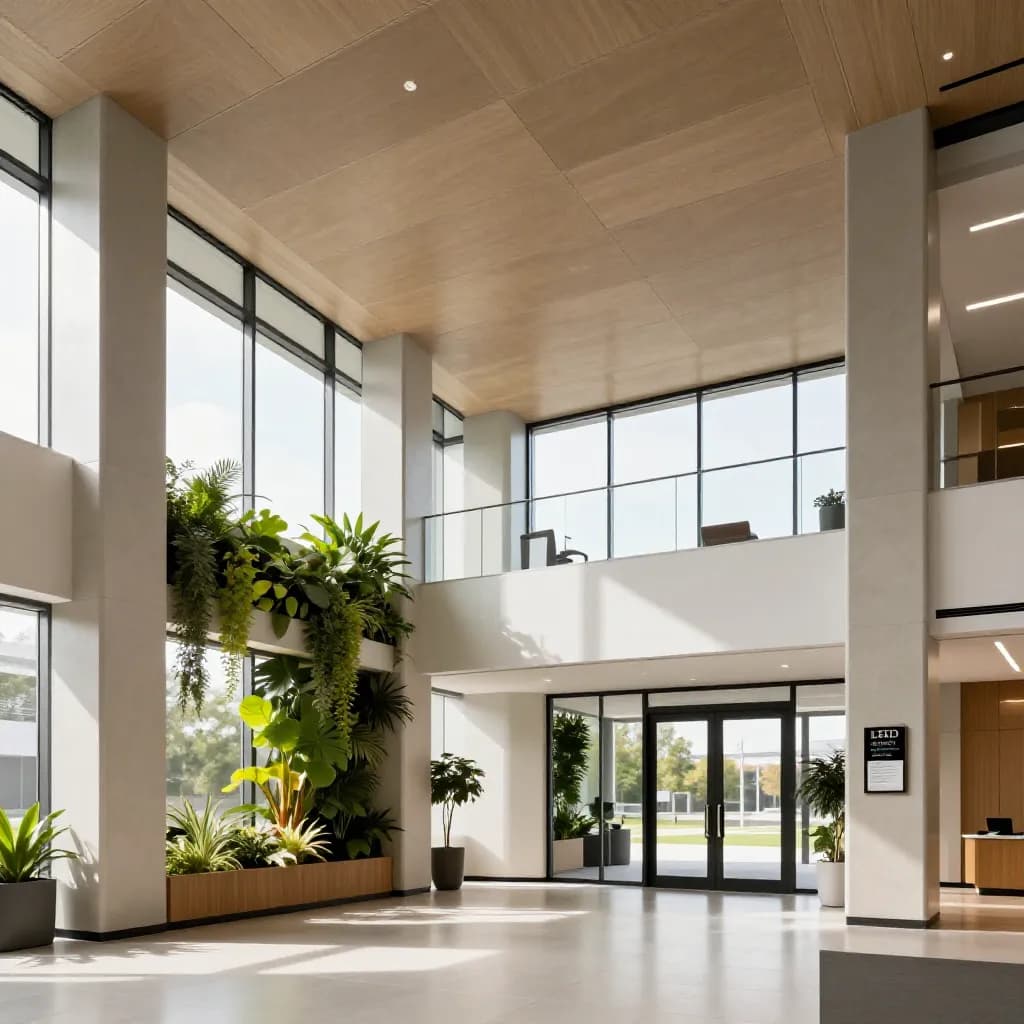
Each system uses a credit-based approach where projects earn points across multiple categories — energy, water, materials, indoor environment, site, and others — to achieve certification levels ranging from basic to the highest tier (Platinum for LEED, Outstanding for BREEAM, Platinum for DGNB). While the systems differ in emphasis and methodology, they share common themes including resource efficiency, reduced environmental impact, and healthy indoor environments.
Ready to Start Your Project?
From one-off customs to 15,000-part production runs — get precise pricing in 24 hours.
On This Page
Overview of Major Green Building Certification Systems
Coatings touch multiple credit categories across all these systems. Material selection credits reward low-emitting products and those with environmental product declarations. Indoor environmental quality credits address VOC emissions and air quality. Durability and lifecycle considerations affect material efficiency credits. Understanding how coatings contribute to each system enables specifiers to maximize certification potential through informed product selection.
How Coatings Contribute to Green Building Credits
Coatings contribute to green building credits through four primary pathways: low emissions, environmental transparency, recycled and renewable content, and durability. Low-emitting materials credits reward the specification of coatings with low VOC content and verified low emission rates, directly improving indoor air quality for building occupants. These credits are available in virtually every green building system and are among the most straightforward to achieve through proper coating specification.
Environmental transparency credits recognize products that have Environmental Product Declarations (EPDs), Health Product Declarations (HPDs), or equivalent documentation that discloses environmental and health impacts. As green building systems increasingly emphasize lifecycle thinking, the availability of EPDs for specified coatings becomes a competitive advantage for both the coating manufacturer and the project team.
Recycled content and bio-based material credits reward products that incorporate post-consumer or post-industrial recycled materials or renewable bio-based feedstocks. While recycled content in coatings is still relatively limited, some powder coating manufacturers have begun incorporating recycled resins and pigments. Durability credits, particularly in DGNB and BREEAM, recognize that longer-lasting materials reduce lifecycle environmental impact by extending replacement intervals and reducing maintenance waste.
LEED-Specific Coating Credits
LEED v4.1 offers several credit opportunities related to coatings. Under the Indoor Environmental Quality (IEQ) category, the Low-Emitting Materials credit requires that interior paints and coatings meet VOC content limits based on applicable regulations (such as SCAQMD rules) or demonstrate compliance with emission testing standards such as CDPH Standard Method v1.2 (California Section 01350). Products with GREENGUARD Gold certification are generally accepted as compliant.
Under the Materials and Resources (MR) category, the Building Product Disclosure and Optimization credits reward products with EPDs (Environmental Product Declarations) and HPDs (Health Product Declarations). Products with product-specific (Type III) EPDs earn more credit than those covered only by industry-wide EPDs. Products that demonstrate below-industry-average environmental impacts in their EPDs earn additional optimization credit.
LEED also recognizes coating durability indirectly through its Building Life-Cycle Impact Reduction credit, which rewards projects that demonstrate reduced lifecycle environmental impact through whole-building LCA. Specifying durable coatings that extend maintenance intervals contributes to lower lifecycle impacts in the LCA model. For projects pursuing LEED certification, a coordinated coating specification strategy that addresses IEQ, MR disclosure, and lifecycle performance can contribute to multiple credits across categories.
BREEAM and WELL Coating Requirements
BREEAM assesses coatings primarily under its Health and Wellbeing (Hea) and Materials (Mat) categories. The Hea 02 Indoor Air Quality credit requires that interior paints and coatings meet specified VOC emission limits, with testing to EN 16516 or equivalent standards. BREEAM's Materials category rewards products with EPDs and responsible sourcing certifications, and its lifecycle assessment methodology credits durable materials that reduce replacement frequency over the building's 60-year reference study period.
BREEAM International and its national scheme operators (such as BREEAM NL, BREEAM-ES, and BREEAM-NOR) may have specific local requirements for coating VOC content and emission testing that differ from the international standard. Specifiers should verify the requirements of the specific BREEAM scheme applicable to their project.
The WELL Building Standard v2 addresses coatings under its Air concept with specific requirements for VOC content and emission rates. WELL Feature A06 (Enhanced Volatile Organic Compound Restrictions) sets VOC content limits for interior paints and coatings and requires compliance with emission testing standards. WELL also addresses material transparency through its Materials concept, encouraging the use of products with disclosed ingredients and hazard assessments. The standard's emphasis on occupant health makes coating selection particularly important, as coatings cover large interior surface areas and can significantly influence indoor air quality.
Powder Coating's Advantages for Green Building Certification
Powder coating offers distinct advantages for projects pursuing green building certification across all major systems. Its zero-VOC formulation automatically satisfies the most stringent low-emitting materials requirements in LEED, BREEAM, WELL, and DGNB without the need for special product selection or emission testing verification. For interior metalwork — door frames, handrails, window hardware, furniture, and fixtures — powder coating eliminates any IAQ concern from the coating itself.
The availability of EPDs for powder coating products supports Materials and Resources credits in LEED and Materials credits in BREEAM and DGNB. Several major powder coating manufacturers publish product-specific EPDs verified by accredited third parties, providing the environmental transparency data that green building systems reward. When these EPDs demonstrate below-average environmental impacts — as powder coatings often do due to zero VOC emissions and high material efficiency — additional optimization credits may be available.
Powder coating's superior durability contributes to lifecycle performance credits, particularly in DGNB's lifecycle assessment methodology and BREEAM's responsible sourcing and durability assessments. A superdurable powder coating with a validated 25-year service life reduces the number of recoating cycles over a building's reference study period, lowering lifecycle environmental impact and maintenance disruption. This combination of zero emissions, environmental transparency, and long-term durability makes powder coating a strong contributor to green building certification across all major systems.
Frequently Asked Questions
Which green building credits can coatings contribute to?
Coatings can contribute to credits for low-emitting materials (indoor air quality), environmental product declarations (material transparency), recycled and bio-based content (resource efficiency), and durability (lifecycle impact reduction). The specific credits vary by certification system but are available in LEED, BREEAM, WELL, and DGNB.
Do powder coatings meet LEED low-emitting materials requirements?
Yes. Powder coatings contain zero VOC solvents and produce no emissions in the occupied space, easily meeting LEED's low-emitting materials requirements. For interior metalwork, powder coating is the most straightforward way to satisfy IEQ credit requirements without additional emission testing or certification.
What is the WELL Building Standard's approach to coatings?
WELL v2 addresses coatings under its Air concept, setting VOC content limits and requiring emission testing compliance for interior paints and coatings. The Materials concept encourages ingredient disclosure and hazard assessment. WELL's focus on occupant health makes low-emitting coating selection particularly important.
How does coating durability affect green building certification?
Longer-lasting coatings reduce the number of replacement cycles over a building's reference study period, lowering lifecycle environmental impact. DGNB's lifecycle assessment methodology and BREEAM's durability assessments specifically credit materials with longer service lives, making durable powder coatings advantageous for certification.
Ready to Start Your Project?
From one-off customs to 15,000-part production runs — get precise pricing in 24 hours.