Solvent-based paints are inherently flammable because they contain organic solvents with low flash points — the minimum temperature at which the solvent produces enough vapor to ignite in the presence of an ignition source. Common coating solvents such as acetone (flash point -20°C), toluene (-4°C), xylene (27°C), and MEK (-9°C) are classified as flammable or highly flammable liquids under GHS and transport regulations.
Environmental
Fire Risk of Solvent-Based Paint Storage and Application
Sundial Powder Coating·April 20, 2026·9 min
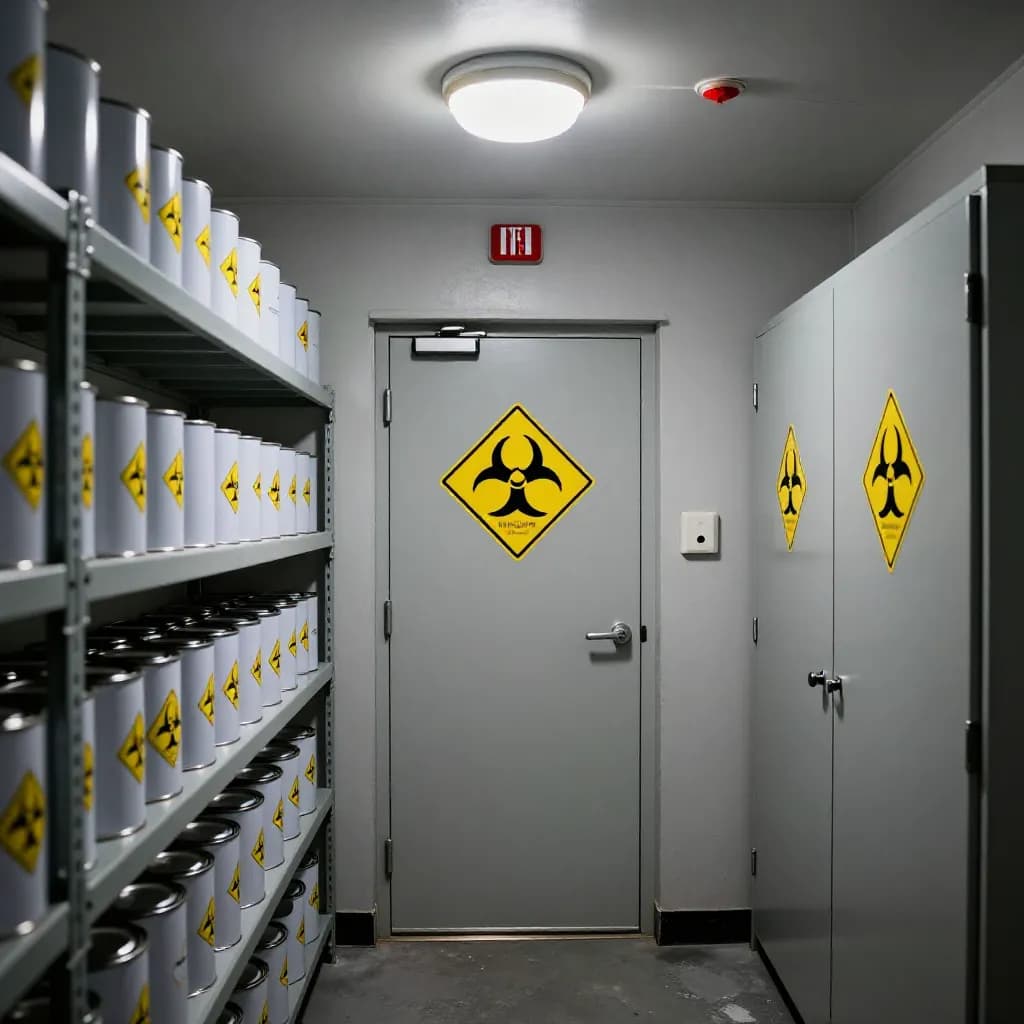
The fire risk is compounded by the vapor density of most coating solvents, which is greater than air. Solvent vapors tend to settle and accumulate in low-lying areas, pits, and poorly ventilated spaces, creating invisible pools of flammable atmosphere that can travel significant distances from the source to reach an ignition point. A solvent vapor cloud ignited by a distant spark or hot surface can flash back to the source, causing a fire or explosion at the paint storage or application area.
Ready to Start Your Project?
From one-off customs to 15,000-part production runs — get precise pricing in 24 hours.
On This Page
Why Solvent-Based Paints Are Fire Hazards
During spray application, the risk intensifies dramatically. Atomization creates a fine mist of solvent-laden paint droplets with an enormous surface area for rapid evaporation, generating high concentrations of flammable vapor in the spray zone. Electrostatic charging of paint particles, friction from spray equipment, and electrical equipment in the booth area all represent potential ignition sources. The combination of flammable vapor, atomized flammable liquid, and potential ignition sources makes spray painting one of the highest fire-risk industrial activities.
Storage Requirements for Solvent-Based Paints
Proper storage of solvent-based paints is governed by fire codes and regulations that specify container types, storage quantities, cabinet and room requirements, and separation distances. In the US, NFPA 30 (Flammable and Combustible Liquids Code) and OSHA 29 CFR 1910.106 establish the framework. Flammable liquids must be stored in approved containers — typically metal safety cans with self-closing lids and flame arrestors for quantities up to 20 liters, or original manufacturer containers for smaller volumes.
Flammable storage cabinets rated to UL 1275 or FM 6050 standards provide fire-resistant enclosures for limited quantities of flammable liquids within work areas. These cabinets are constructed of double-walled steel with a specified fire resistance rating and include self-closing doors, liquid-tight sills, and ventilation provisions. Maximum quantities per cabinet are typically limited to 227 liters (60 US gallons) of Class I and II flammable liquids.
Larger quantities require dedicated flammable liquid storage rooms or detached storage buildings with fire-rated construction, mechanical ventilation, explosion-proof electrical systems, automatic fire suppression, and spill containment. Separation distances from other buildings, property lines, and public ways are specified based on the quantity stored and the type of construction. These requirements add significant infrastructure cost and operational complexity to facilities that use solvent-based coatings.
Spray Booth Fire Prevention
Spray booth design and operation are critical for fire prevention during solvent-based paint application. Booths must be constructed of non-combustible materials and designed to maintain airflow velocities sufficient to keep solvent vapor concentrations below 25% of the lower explosive limit (LEL) throughout the booth. This typically requires face velocities of 0.5-1.0 m/s (100-200 ft/min) depending on the booth type and coating system.
All electrical equipment within the spray zone and adjacent areas must be rated for hazardous (classified) locations — typically Class I, Division 1 or 2 under NEC/NFPA 70, or Zone 1 or 2 under IEC/ATEX standards. This includes lighting, motors, switches, and any instrumentation. Explosion-proof or intrinsically safe equipment is significantly more expensive than standard industrial equipment and requires specialized installation and maintenance.
Automatic fire suppression systems are required in spray booths, typically dry chemical, carbon dioxide, or clean agent systems designed for rapid discharge to suppress fires before they can escalate. Continuous LEL monitoring with automatic booth shutdown provides an additional layer of protection by detecting dangerous vapor accumulations before they reach ignitable concentrations. Regular maintenance of filters, ventilation systems, and fire suppression equipment is essential, as accumulated paint residue on booth surfaces and in ductwork represents a significant fuel load in the event of a fire.
Historical Incidents and Lessons Learned
The history of industrial coating operations includes numerous fire and explosion incidents that underscore the inherent risks of solvent-based paint processes. Spray booth fires caused by static discharge, equipment malfunction, or inadequate ventilation have resulted in facility destruction, serious injuries, and fatalities. Solvent storage area fires triggered by container failures, spills reaching ignition sources, or inadequate separation from heat sources have caused extensive property damage and environmental contamination.
Common contributing factors in coating facility fire incidents include inadequate housekeeping (allowing paint residue and overspray to accumulate on surfaces and in ductwork), failure to maintain ventilation systems at required airflow rates, use of non-rated electrical equipment in hazardous areas, improper storage of flammable materials, and insufficient training of personnel in fire prevention and emergency response.
The lessons from these incidents consistently point to the same conclusion: the most effective way to prevent solvent-related fires is to eliminate flammable solvents from the process. While engineering controls, administrative procedures, and fire suppression systems can reduce the risk, they cannot eliminate it entirely as long as flammable materials are present. Every layer of protection has a failure mode, and the consequences of failure in a solvent-rich environment can be catastrophic.
How Powder Coating Eliminates Solvent Fire Risk
Powder coating fundamentally eliminates the fire and explosion risks associated with flammable solvents because the technology uses no organic solvents whatsoever. There are no flammable liquids to store, no flammable vapors generated during application, and no explosive atmospheres created in the spray zone. The fire risk profile of a powder coating facility is categorically different from that of a solvent-based paint operation.
The elimination of solvent fire risk has cascading benefits throughout the facility. Flammable liquid storage infrastructure — fire-rated cabinets, storage rooms, spill containment, and separation distances — is not required. Spray booth electrical equipment does not need hazardous-area ratings for flammable vapor (though combustible dust considerations apply to powder booths). Fire suppression system requirements are simplified, and insurance premiums for fire risk are typically lower.
While powder coating operations do present a combustible dust hazard that must be managed through proper housekeeping, grounding, and ventilation, the risk is qualitatively different from and generally lower than the flammable vapor risk in solvent-based operations. Powder coating dust explosions, while possible, are far less likely than solvent vapor ignition events when proper dust management practices are followed. The overall fire safety profile of a powder coating facility is substantially better than that of a comparable solvent-based painting operation.
Frequently Asked Questions
What makes solvent-based paints a fire hazard?
Solvent-based paints contain organic solvents with low flash points that produce flammable vapors at room temperature. These vapors are heavier than air and can accumulate in low areas, creating invisible flammable atmospheres. During spray application, atomization generates high vapor concentrations that can ignite from sparks, static discharge, or hot surfaces.
What fire suppression is required in paint spray booths?
Spray booths using solvent-based paints require automatic fire suppression systems, typically dry chemical, CO2, or clean agent systems. Continuous LEL (lower explosive limit) monitoring with automatic shutdown is also recommended. All electrical equipment in the spray zone must be rated for hazardous (classified) locations.
Does powder coating have any fire risk?
Powder coating eliminates flammable solvent vapor risk entirely. However, fine powder dust is combustible and must be managed through proper housekeeping, grounding, and ventilation to prevent dust accumulation and potential dust cloud ignition. This risk is generally lower and more manageable than solvent vapor fire risk.
How does eliminating solvents affect facility insurance?
Facilities that eliminate flammable solvents by switching to powder coating typically benefit from lower fire insurance premiums due to the reduced risk profile. The elimination of flammable liquid storage, hazardous atmosphere spray zones, and solvent-related fire history can significantly improve a facility's insurability and reduce coverage costs.
Ready to Start Your Project?
From one-off customs to 15,000-part production runs — get precise pricing in 24 hours.