Fire safety is one of the most critical considerations in building design, and the coatings applied to building components play a direct role in how a structure performs during a fire. Coatings can influence fire behavior in several ways: they can contribute fuel to a fire if they are combustible, they can generate toxic smoke and gases, they can promote flame spread across surfaces, and — in the case of fire-protective coatings — they can actively slow the transfer of heat to structural elements, buying critical time for evacuation and firefighting.
Technical
Fire-Rated Coatings and Building Safety: What Architects Need to Know
Sundial Powder Coating·April 20, 2026·11 min
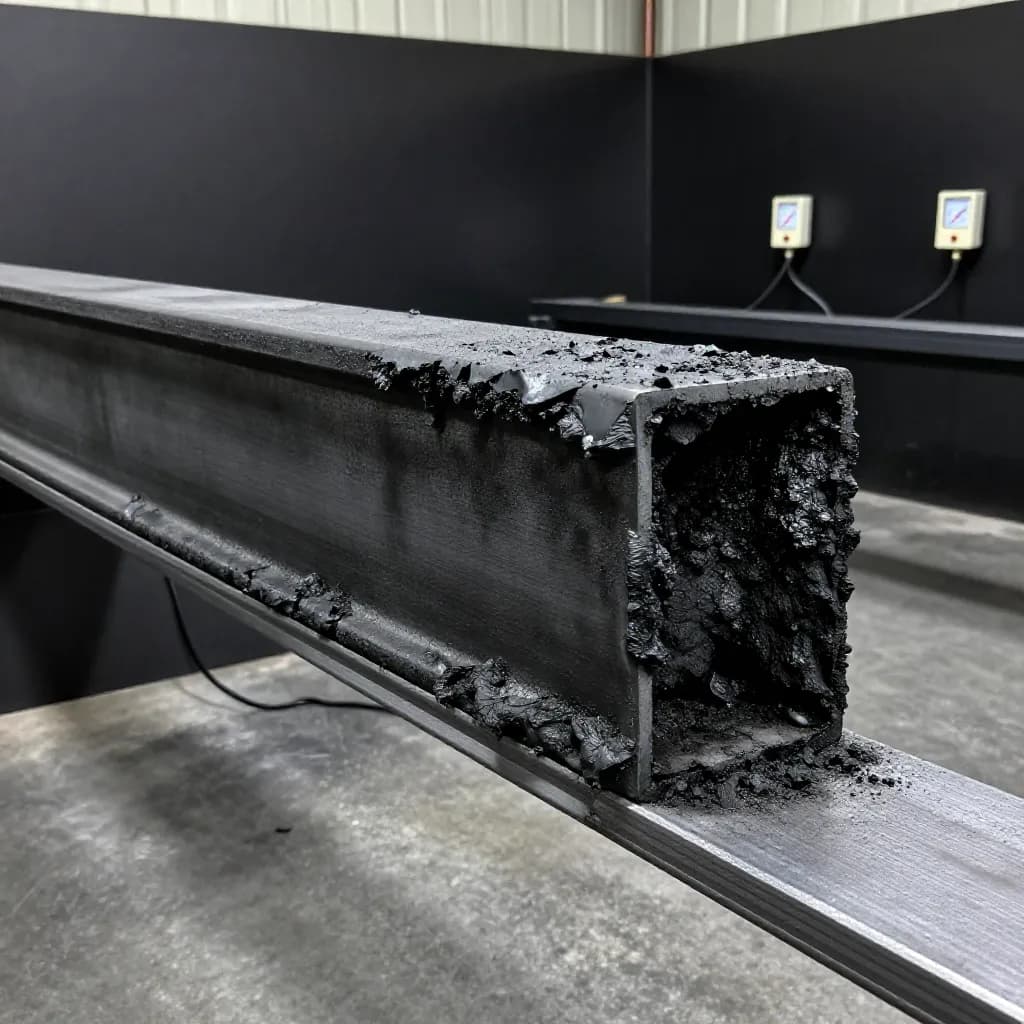
The importance of coating fire performance has been brought into sharp focus by several high-profile building fires in recent years. These tragedies have demonstrated that the materials used in building envelopes — including coatings, insulation, and cladding substrates — can dramatically influence the speed and severity of fire spread. As a result, building regulations worldwide have been strengthened, and architects, specifiers, and building owners face increased scrutiny of the fire performance of every material in the building envelope.
Ready to Start Your Project?
From one-off customs to 15,000-part production runs — get precise pricing in 24 hours.
On This Page
Why Fire Performance Matters in Coatings
For architects and specifiers, understanding coating fire performance is no longer optional — it is a fundamental professional responsibility. Selecting coatings that meet the required fire classifications, specifying appropriate fire-protective systems for structural steel, and ensuring that facade materials comply with current regulations are all essential steps in delivering safe buildings.
How Coatings Are Fire Tested and Classified
Coatings and building materials are classified for fire performance through standardized testing that measures their reaction to fire — how they behave when exposed to a fire source. The European classification system, defined by EN 13501-1, assigns materials to Euroclasses ranging from A1 (non-combustible, no contribution to fire) to F (no performance determined). Classes A1 and A2 indicate non-combustible or limited combustibility materials, while classes B through E indicate increasing levels of combustibility with corresponding smoke production (s1, s2, s3) and flaming droplet (d0, d1, d2) sub-classifications.
The key European test methods include EN ISO 1182 (non-combustibility test), EN ISO 1716 (calorific value determination), and EN 13823 (single burning item or SBI test). The SBI test is particularly important for facade materials as it simulates a fire in a room corner and measures heat release, flame spread, and smoke production. Materials must pass the appropriate combination of tests to achieve their Euroclass rating.
In North America, ASTM E84 (Standard Test Method for Surface Burning Characteristics) is the primary test for surface flame spread and smoke development, producing a Flame Spread Index (FSI) and Smoke Developed Index (SDI). NFPA 285 is a full-scale fire test specifically for exterior wall assemblies. In the UK, BS 476 parts 6 and 7 have historically been used, though the Euroclass system is increasingly adopted. Understanding which test standards and classifications apply in your jurisdiction is the essential first step in specifying fire-safe coatings.
Intumescent Coatings for Structural Steel
Intumescent coatings are a specialized category of fire-protective coatings designed to protect structural steel from the effects of fire. Steel loses its structural strength rapidly as temperature increases — at 550°C, steel retains only about 60% of its room-temperature yield strength, and structural failure can occur. Intumescent coatings address this by expanding dramatically when exposed to fire, forming a thick, insulating char layer that slows the rate of heat transfer to the steel and extends the time before the steel reaches its critical failure temperature.
The intumescent reaction is triggered at temperatures around 200-250°C. The coating contains three key reactive components: an acid source (such as ammonium polyphosphate), a carbon source (such as pentaerythritol), and a blowing agent (such as melamine). When heated, the acid source decomposes and catalyzes the carbonization of the carbon source, while the blowing agent releases gases that expand the carbonized mass into a foam-like char. A thin film of intumescent coating — typically 0.5-5 mm dry film thickness — can expand to 20-50 times its original thickness, creating an insulating barrier several centimeters thick.
Intumescent coatings are classified by the fire resistance period they provide — typically 30, 60, 90, or 120 minutes. The required fire resistance period depends on the building type, occupancy, height, and structural design, as defined by building regulations. Thin-film intumescent coatings are the most common type for architectural and commercial buildings because they can be applied by spray, brush, or roller and provide an attractive decorative finish that is indistinguishable from conventional paint. Thick-film (epoxy-based) intumescent coatings are used in industrial and offshore applications where higher fire resistance periods and resistance to weathering and mechanical damage are required.
Facade Cladding Fire Safety
The fire safety of facade cladding systems has become one of the most scrutinized aspects of building design following the Grenfell Tower tragedy in London in 2017 and similar incidents worldwide. These events demonstrated that combustible materials in facade systems can enable rapid vertical fire spread on the exterior of buildings, with catastrophic consequences. In response, building regulations in many countries have been significantly tightened.
In the UK, the Building Safety Act 2022 and updated Approved Document B ban the use of combustible materials in the external walls of residential buildings over 18 meters in height. Materials must achieve a minimum Euroclass A2-s1,d0 rating. Similar requirements have been introduced or strengthened in Australia, the UAE, and many European countries. These regulations apply to all components of the facade system, including the cladding substrate, insulation, cavity barriers, fixings, and — critically — the coatings and finishes applied to these components.
For architects and specifiers, this means that every material in the facade assembly must be evaluated for fire performance, and documentation must be available to demonstrate compliance. The coating on a cladding panel is not exempt from these requirements — if the coating contributes to combustibility, it can affect the fire classification of the entire assembly. This has significant implications for material selection, as the combination of substrate, insulation, and coating must be tested and classified as a system.
Powder Coating Fire Performance
Powder coatings applied to solid aluminum substrates generally achieve excellent fire performance. Aluminum is non-combustible (Euroclass A1), and the thin layer of powder coating (typically 60-120 microns) on a solid aluminum substrate does not contribute sufficient fuel to change the fire classification of the assembly. Powder coated solid aluminum panels, extrusions, and sheets routinely achieve Euroclass A2-s1,d0 or even A1 classification when tested as a complete system, meeting the most stringent non-combustible requirements for high-rise facades.
However, the situation is more complex with aluminum composite panels (ACPs), which consist of thin aluminum skins bonded to a core material. The fire performance of ACPs depends primarily on the core composition. Panels with a solid mineral or aluminum hydroxide-filled core can achieve A2 classification, while panels with a polyethylene (PE) core are combustible and have been implicated in several major facade fires. The powder coating on an ACP does not significantly alter the fire classification — the core material is the dominant factor — but specifiers must ensure that the complete panel system, including coating, meets the required fire classification.
For powder coated steel components such as structural columns, beams, and facade support structures, the powder coating itself does not provide fire resistance. If fire protection is required, an intumescent coating must be applied as a separate system, either beneath or instead of the decorative powder coating. Some manufacturers offer intumescent primers that can be overcoated with a decorative powder topcoat, providing both fire protection and aesthetic finish in a single system.
Specifying Fire-Safe Coating Systems
Specifying fire-safe coating systems requires a systematic approach that considers the building type, regulatory requirements, substrate materials, and the specific fire performance needed for each component. Start by identifying the applicable building regulations and fire classification requirements for your project. For high-rise residential buildings in most jurisdictions, facade materials must achieve Euroclass A2-s1,d0 or equivalent. For lower-rise buildings, the requirements may be less stringent but still mandate specific fire classifications.
Request fire test certificates and classification reports for the specific coating system and substrate combination you intend to use. Generic claims of non-combustibility are insufficient — the fire classification must be based on testing of the actual product system. Reputable coating manufacturers and cladding suppliers can provide EN 13501-1 classification reports, NFPA 285 test results, or BS 476 test certificates as appropriate for your jurisdiction. Ensure that the test reports cover the specific substrate type, coating thickness, and any other variables that could affect fire performance.
For structural steel requiring fire protection, work with a fire engineer to determine the required fire resistance period for each structural element. Specify intumescent coatings from manufacturers with third-party assessed fire resistance data, and ensure that the coating is applied by certified applicators who can provide documentation of correct film thickness and coverage. Regular inspection during application is essential, as intumescent coatings must achieve specific dry film thicknesses to deliver their rated fire resistance. Under-application is a common issue that can compromise fire safety and is difficult to detect after the decorative finish is applied.
Frequently Asked Questions
Is powder coating fire resistant?
Powder coating on solid aluminum achieves excellent fire classifications, typically Euroclass A2-s1,d0 or A1, because the thin coating layer on a non-combustible substrate does not contribute significant fuel. However, powder coating alone does not provide fire resistance for structural steel — intumescent coatings are needed for that purpose.
What is an intumescent coating?
An intumescent coating is a fire-protective coating that expands dramatically (20-50 times its original thickness) when exposed to high temperatures, forming an insulating char layer that slows heat transfer to the underlying steel structure. This buys critical time — typically 30 to 120 minutes — before the steel reaches its failure temperature.
What Euroclass rating do facade materials need?
For high-rise residential buildings (typically over 18 meters) in most European jurisdictions and the UK, facade materials must achieve a minimum of Euroclass A2-s1,d0, indicating limited combustibility with low smoke production and no flaming droplets. Requirements vary by building type, height, and jurisdiction, so always check local regulations.
Can powder coating be applied over intumescent coatings?
Standard powder coating cannot be applied directly over most intumescent coatings because the high cure temperatures would activate the intumescent reaction. However, some manufacturers offer compatible systems where an intumescent primer is designed to be overcoated with a specific powder topcoat. Always use systems that have been tested and certified together.
Ready to Start Your Project?
From one-off customs to 15,000-part production runs — get precise pricing in 24 hours.