Facade cladding serves as the protective and decorative outer skin of a building, shielding the structural elements from weather, pollution, and physical damage while defining the building's visual identity. The choice of cladding material is one of the most consequential decisions in the design process, affecting not only the building's appearance but also its thermal performance, acoustic properties, fire safety, maintenance requirements, and long-term lifecycle costs.
Technical
Facade Cladding Materials Compared: Aluminum, Steel, Zinc, and Composite
Sundial Powder Coating·April 20, 2026·10 min
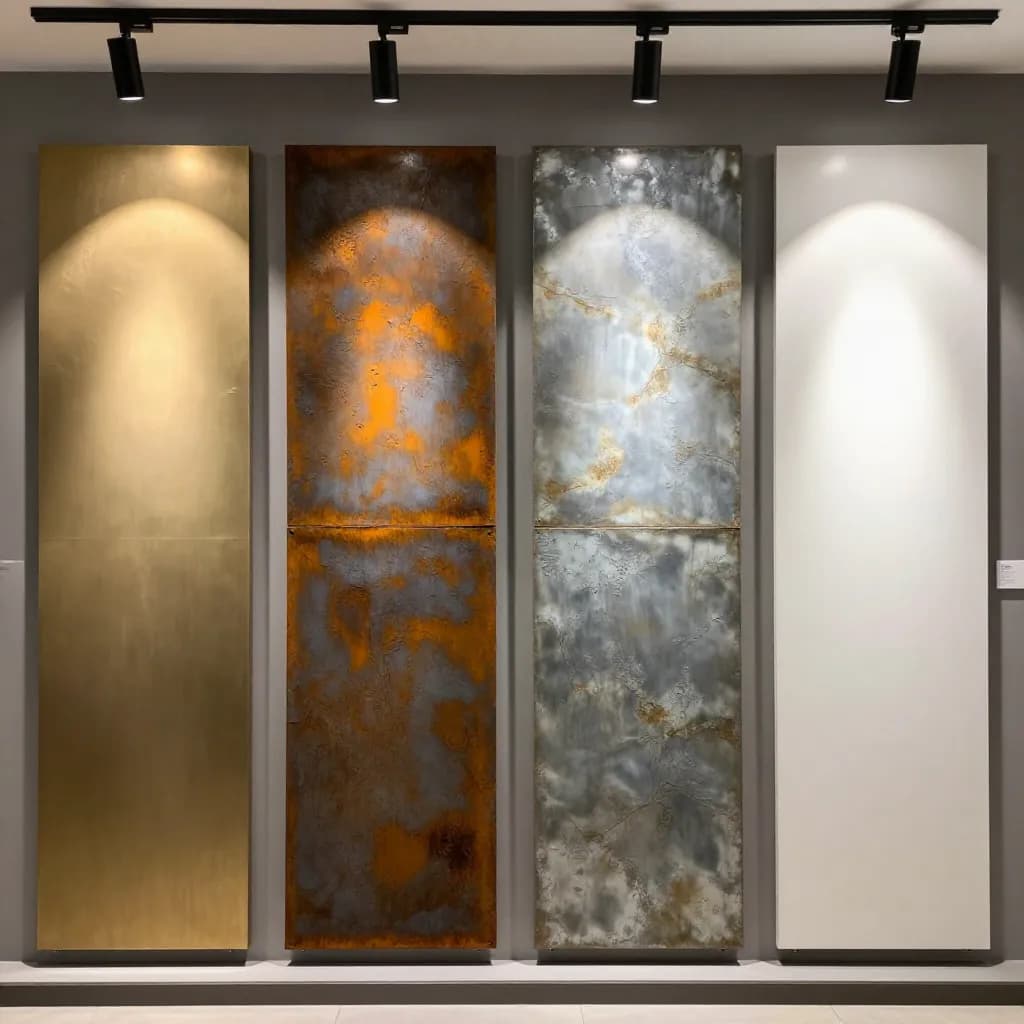
Modern facade design increasingly demands materials that combine aesthetic versatility with high performance and sustainability. Architects need materials that can be formed into complex shapes, finished in a wide range of colors and textures, and installed efficiently on diverse building geometries. At the same time, building regulations are imposing stricter requirements for fire performance, thermal insulation, and environmental impact, narrowing the range of acceptable solutions.
Ready to Start Your Project?
From one-off customs to 15,000-part production runs — get precise pricing in 24 hours.
On This Page
Introduction to Facade Cladding
The four most common metal-based cladding materials — aluminum, steel, zinc, and composite panels — each offer a distinct combination of properties that make them suitable for different project requirements. Understanding the strengths, limitations, and typical applications of each material enables architects, engineers, and building owners to make informed decisions that balance design ambition with practical performance and budget constraints.
Aluminum Cladding
Aluminum is the most widely used metal for facade cladding worldwide, and for good reason. Its exceptional strength-to-weight ratio — approximately one-third the density of steel — makes it easy to handle, transport, and install, while reducing the structural load on the building frame. Aluminum is naturally corrosion resistant due to the stable oxide layer that forms on its surface, and when enhanced with proper pretreatment and powder coating, it provides decades of maintenance-free performance in virtually any climate.
The design versatility of aluminum is unmatched among cladding metals. It can be extruded into complex profiles, rolled into flat or curved sheets, cast into three-dimensional forms, and perforated or laser-cut into intricate patterns. Aluminum cladding panels are available in thicknesses ranging from 1.5 to 4 millimeters for solid panels, and the material can be formed into cassette panels, rainscreen panels, standing seam systems, and bespoke architectural features. The ability to powder coat aluminum in virtually any color, gloss level, and texture — including metallic, anodized-look, and wood-grain effects — gives architects extraordinary creative freedom.
Aluminum is also one of the most sustainable cladding materials. It is 100 percent recyclable without loss of quality, and recycled aluminum requires only about 5 percent of the energy needed to produce primary aluminum. The combination of long service life, low maintenance, and high recyclability gives aluminum cladding an excellent lifecycle environmental profile. Major quality standards including Qualicoat, GSB, and AAMA ensure that powder-coated aluminum cladding meets rigorous performance criteria for durability, weathering resistance, and color stability.
Steel Cladding
Steel cladding offers high strength, excellent flatness, and competitive pricing that make it an attractive option for many commercial and industrial projects. Carbon steel is significantly stronger than aluminum, allowing thinner gauges to be used for equivalent structural performance in some applications. Steel cladding is available in various forms including flat sheets, profiled sheets, cassette panels, and standing seam systems, and it can be finished with a range of coating systems including powder coating, coil coating (pre-painted), and hot-dip galvanizing.
The primary challenge with steel cladding is corrosion. Unlike aluminum, carbon steel is highly susceptible to rust when exposed to moisture and oxygen. Effective corrosion protection is therefore essential and typically involves a combination of galvanizing (applying a zinc layer to the steel surface) and organic coating (paint or powder coating). Pre-painted galvanized steel, where the coating is applied to the coil before forming, is the most common format for steel cladding panels. The galvanized layer provides sacrificial cathodic protection, while the organic coating provides barrier protection and the desired color and finish.
Steel cladding is particularly popular for industrial buildings, warehouses, retail parks, and agricultural structures where cost efficiency is a priority. Weathering steel (Corten) is a specialized variant that develops a stable, protective rust patina when exposed to the atmosphere, eliminating the need for painting and creating a distinctive orange-brown aesthetic that is popular in contemporary architecture. However, weathering steel requires careful detailing to manage runoff staining and is not suitable for all environments, particularly coastal locations where chloride exposure prevents the formation of a stable patina.
Zinc Cladding
Zinc cladding occupies a premium position in the facade materials market, valued for its distinctive aesthetic character and exceptional longevity. When exposed to the atmosphere, zinc develops a natural patina — a layer of zinc carbonate — that gives the surface a characteristic matte grey appearance and provides self-healing corrosion protection. Minor scratches and surface damage are gradually covered by the growing patina, maintaining the protective barrier without intervention. This self-healing property is unique among common cladding metals and contributes to zinc's reputation for very long service life, often exceeding 60 to 100 years in moderate environments.
The aesthetic evolution of zinc cladding is part of its appeal. Fresh zinc has a bright, shiny appearance that gradually transforms over months and years into the soft, matte grey patina that architects prize. Pre-patinated zinc products are available for projects where the final appearance is desired from day one, eliminating the transitional period. Zinc can also be supplied in a range of pre-weathered and pigmented finishes that offer colors beyond natural grey while retaining the material's characteristic surface quality.
The main limitations of zinc cladding are its higher material cost compared to aluminum and steel, and its lower strength, which requires thicker gauges or more frequent support points. Zinc is also softer than aluminum and steel, making it more susceptible to denting and mechanical damage during handling and installation. The material cost of zinc cladding is typically two to three times that of equivalent aluminum panels, positioning it as a premium choice for projects where the unique aesthetic and longevity justify the investment. Zinc is fully recyclable, and the energy required for recycling is significantly less than for primary production.
Composite Panels
Aluminum composite material (ACM), also known as aluminum composite panels (ACP), consists of two thin aluminum sheets bonded to a core material, typically polyethylene (PE), fire-retardant mineral-filled (FR), or non-combustible mineral core. Composite panels offer an exceptional combination of flatness, rigidity, and light weight that makes them one of the most popular choices for flat-panel facade cladding on commercial buildings worldwide.
The sandwich construction of composite panels provides superior flatness and rigidity compared to solid metal sheets of equivalent weight. A typical 4-millimeter composite panel weighs approximately 5.5 kilograms per square meter — significantly less than a solid aluminum panel of comparable rigidity — while maintaining excellent dimensional stability across large panel sizes. The aluminum face sheets are typically 0.5 millimeters thick and can be finished with PVDF liquid coating, powder coating, or other high-performance finishes in a wide range of colors and effects.
Fire performance is the most critical consideration when specifying composite panels. Following several high-profile building fires, regulations in many countries now require non-combustible or limited-combustibility cladding materials for buildings above certain heights. Panels with polyethylene cores are classified as combustible and are increasingly restricted or prohibited on tall buildings. Fire-retardant (FR) core panels offer improved fire performance but may still not meet the most stringent requirements. Panels with non-combustible mineral cores (often called A2-rated panels, referring to the European fire classification) provide the highest level of fire safety and are now the standard specification for high-rise and public buildings in many jurisdictions. Specifiers must carefully verify the fire classification of composite panels and ensure compliance with local building regulations.
Choosing the Right Cladding Material
Selecting the optimal cladding material requires balancing multiple factors including design intent, performance requirements, budget, sustainability goals, and local regulations. Aluminum is the most versatile all-around choice, offering the best combination of design flexibility, corrosion resistance, weight, and sustainability. It is the default recommendation for most architectural cladding applications, particularly where powder-coated color and finish options are important and where long-term, low-maintenance performance is valued.
Steel is the most cost-effective option for large-area cladding on commercial and industrial buildings where budget is a primary driver and the design does not require complex forming or premium finishes. Weathering steel offers a distinctive aesthetic for projects that embrace the natural patina look. Zinc is the premium choice for projects where the unique self-healing patina, exceptional longevity, and distinctive aesthetic character justify the higher material cost. It is particularly popular for cultural buildings, museums, and high-end residential projects.
Composite panels are ideal for projects requiring large, flat panels with minimal weight and maximum rigidity, but fire performance must be carefully evaluated and non-combustible core panels should be specified for any building where fire safety is a concern. In practice, many facade designs combine multiple materials — for example, aluminum cassette panels on the main facade with zinc standing seam on the roof, or composite panels on flat areas with extruded aluminum profiles for feature elements. The key is to match each material to the specific requirements of each facade zone, considering exposure, geometry, visual impact, and maintenance access.
Frequently Asked Questions
What is the most popular facade cladding material?
Aluminum is the most widely used metal facade cladding material globally, valued for its lightweight strength, natural corrosion resistance, design versatility, and extensive color and finish options through powder coating. Aluminum composite panels (ACM) are also extremely popular for flat-panel applications on commercial buildings, though fire performance requirements have shifted demand toward non-combustible core variants.
How long does metal facade cladding last?
The lifespan of metal facade cladding depends on the material and coating system. Powder-coated aluminum cladding typically lasts 25-40 years or more with proper maintenance. Pre-painted steel cladding lasts 20-30 years depending on the coating quality and environment. Zinc cladding can last 60-100+ years due to its self-healing patina. Regular cleaning and prompt repair of any coating damage help maximize service life for all materials.
Is aluminum cladding fireproof?
Solid aluminum panels are classified as non-combustible (Euroclass A1) and do not contribute to fire spread. However, aluminum has a relatively low melting point (approximately 660 degrees Celsius) and will melt in intense fires. Aluminum composite panels with polyethylene cores are combustible and may not meet fire regulations for tall buildings. Non-combustible mineral core composite panels (A2 rated) are available for applications requiring enhanced fire performance.
What is the cheapest metal cladding option?
Pre-painted galvanized steel is generally the most cost-effective metal cladding option, particularly for large-area applications on commercial and industrial buildings. Profiled steel cladding sheets offer the lowest cost per square meter, while steel cassette panels cost more but provide a flatter, more architectural appearance. Aluminum is moderately priced, and zinc is the most expensive of the common cladding metals.
Can facade cladding be recycled?
Yes, all common metal cladding materials are recyclable. Aluminum is 100% recyclable without quality loss, and recycling requires only 5% of the energy needed for primary production. Steel is the world's most recycled material by volume. Zinc is fully recyclable with minimal energy input. Composite panels can be recycled, though the process of separating the aluminum skins from the core material adds complexity. Specifying recyclable cladding materials contributes to circular economy goals and green building certifications.
Ready to Start Your Project?
From one-off customs to 15,000-part production runs — get precise pricing in 24 hours.