Every powder coater, from beginners to professionals, encounters defects. The difference between a frustrated hobbyist and a confident coater is not the absence of problems — it is the ability to diagnose the cause and apply the correct fix. Powder coating defects are almost always traceable to a specific cause in the preparation, application, or curing process, and once you identify the cause, the solution is usually straightforward.
DIY
DIY Powder Coating Troubleshooting Guide: Fixing Orange Peel, Runs, and Adhesion Failures
Sundial Powder Coating·April 22, 2026·13 min
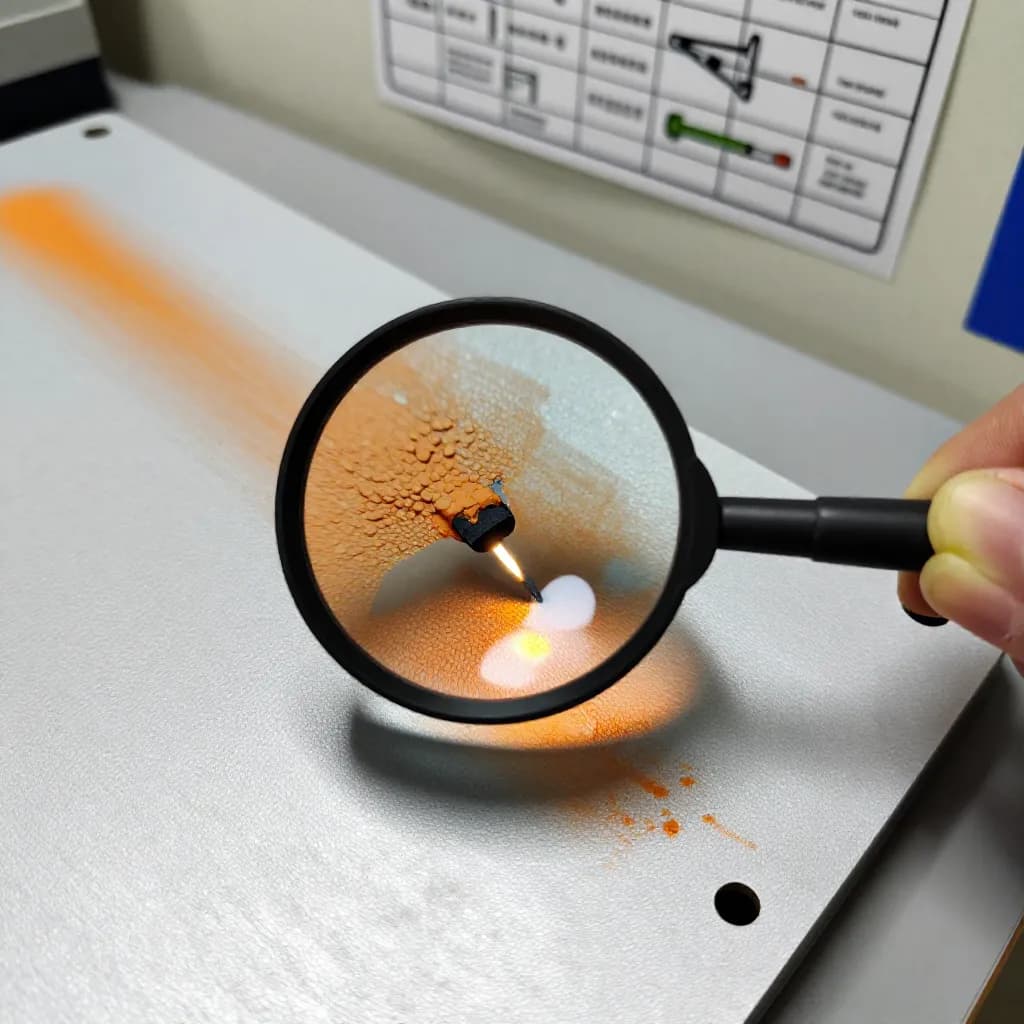
This troubleshooting guide covers the most common defects that DIY coaters encounter, organized by symptom. For each defect, we explain what it looks like, what causes it, and how to fix it. We also provide prevention strategies so you can avoid the problem on future projects.
Ready to Start Your Project?
From one-off customs to 15,000-part production runs — get precise pricing in 24 hours.
On This Page
A Systematic Approach to Powder Coating Defects
When troubleshooting a defect, resist the urge to guess and immediately try a fix. Instead, examine the defect carefully and consider all possible causes before making changes. Many defects have multiple potential causes, and fixing the wrong one wastes time and materials. A systematic approach — observe the defect, list possible causes, test the most likely cause first — will get you to the solution faster.
Keep a troubleshooting log alongside your project notes. Record every defect you encounter, the cause you identified, and the fix that worked. Over time, this log becomes a personal reference that helps you diagnose problems quickly based on your own experience with your specific equipment and materials.
Orange Peel: Causes and Solutions
Orange peel is a textured surface that resembles the skin of an orange — a bumpy, uneven finish instead of the smooth, glossy surface you expected. It is one of the most common defects in DIY powder coating and has several potential causes.
Excessive film thickness is the most frequent cause of orange peel. When too much powder is applied, the coating cannot flow out smoothly during the melt phase of curing. The thick layer develops surface tension variations that create the characteristic bumpy texture. The fix is simple: apply less powder. Aim for 2 to 3 mils of film thickness for most applications. Use a mil gauge on test pieces to calibrate your eye for proper coverage.
Voltage set too high causes back-ionization, which disrupts the powder layer and creates a rough, textured surface. Reduce your gun voltage, especially on flat surfaces and recoat situations where back-ionization is most likely. Start at 50-60 percent of maximum voltage and increase only if needed for coverage.
Insufficient cure temperature can cause orange peel because the powder does not reach a low enough viscosity during the melt phase to flow out smoothly. Verify your oven temperature with an independent thermometer and ensure the part reaches full cure temperature. Some powders are more sensitive to temperature than others — check the manufacturer's recommended cure window.
Poor powder quality or contaminated powder can also cause orange peel. Powder that has absorbed moisture, been stored improperly, or been contaminated with a different product may not flow properly during curing. Test with fresh powder from a sealed container to rule out powder quality as the cause.
To fix orange peel on a cured part, you have two options: strip and recoat with corrected settings, or sand the cured surface smooth with fine-grit sandpaper (400-600 grit) and apply a thin second coat. The second approach works for minor orange peel but may not fully resolve severe cases.
Runs, Sags, and Drips During Curing
Runs and sags appear as streaks or curtains of coating that have flowed downward during the curing process. They occur when the powder melts into a liquid that is too thick or too fluid to stay in place on vertical surfaces.
Excessive film thickness is again the primary culprit. When too much powder is applied to a vertical surface, the weight of the molten coating exceeds its surface tension and it flows downward. This is especially common on large flat vertical surfaces where it is easy to over-apply powder without realizing it. Reduce your application thickness and pay extra attention to vertical surfaces.
Cure temperature too high can cause excessive flow. If your oven is running hotter than the powder's recommended cure temperature, the coating becomes more fluid than intended and is more likely to run. Verify your oven temperature and ensure it matches the powder manufacturer's specification. Even 25°F above the recommended temperature can cause running on thick applications.
Part orientation in the oven affects where runs develop. If possible, orient parts so that the most visible surfaces are horizontal during curing. For parts that must be vertical, apply a thinner coat to vertical surfaces than to horizontal ones — the vertical surfaces need less powder because they are more prone to running.
Some powder formulations are more prone to running than others. High-gloss powders tend to flow more aggressively than matte or textured formulations. If you consistently have running problems with a particular powder, try reducing your application thickness or lowering the cure temperature by 10°F (while still staying within the manufacturer's recommended range).
To fix runs on a cured part, sand the run smooth with progressively finer sandpaper (220 through 600 grit), then apply a thin second coat and re-cure. For severe runs, stripping and recoating may be necessary.
Thin Spots, Bare Areas, and Poor Coverage
Thin spots and bare areas are regions where the coating is noticeably thinner than the surrounding area or where bare metal shows through the cured finish. These defects are both cosmetic and functional — thin areas provide less protection and are where corrosion will start first.
Faraday cage effects cause thin coverage in recessed areas, inside corners, and complex geometries. The electrostatic field concentrates on edges and high points, leaving recesses undercoated. Address this by coating recessed areas first at reduced voltage, using a narrow spray pattern directed into the recess. Some coaters use a tribo gun specifically for Faraday cage areas.
Poor grounding causes inconsistent powder adhesion across the entire part. If the ground connection is weak or intermittent, some areas will attract powder normally while others will not. Check your ground connection with a multimeter and ensure clean metal-to-metal contact at the grounding point. Clean or replace hanging hooks that have powder buildup.
Insufficient powder flow from the gun creates thin, patchy coverage. Check your powder supply — is the hopper adequately filled? Is the powder fluidizing properly? Is the pickup tube clear? Increase the flow rate on your gun and verify that the powder stream is consistent and steady.
Spray technique issues — moving too fast, holding the gun too far away, or not overlapping passes adequately — result in thin, uneven coverage. Slow down, maintain 8-12 inches of spray distance, and overlap each pass by 50 percent. Work systematically across the part rather than randomly spraying.
To fix thin spots on a cured part, lightly scuff the thin area with fine sandpaper or scotch-brite, apply additional powder to the thin area, and re-cure the entire part. The existing cured coating provides a good base for the touch-up layer.
Adhesion Failure: Peeling, Flaking, and Chipping
Adhesion failure — coating that peels, flakes, or chips away from the substrate — is the most serious powder coating defect because it indicates a fundamental problem with the bond between the coating and the metal. Unlike cosmetic defects that can sometimes be fixed with a touch-up, adhesion failure usually requires stripping and starting over.
Surface contamination is the most common cause of adhesion failure. Oils, grease, silicone, wax, fingerprints, and other contaminants create a barrier between the powder and the metal that prevents proper bonding. The fix is thorough degreasing and handling parts with clean gloves after cleaning. If you suspect contamination, strip the part, re-clean with a stronger degreaser, and recoat.
Inadequate surface profile means the metal surface is too smooth for the powder to grip mechanically. Powder coating relies on both chemical and mechanical adhesion, and a smooth, polished surface provides poor mechanical grip. Blast the surface to create a proper anchor pattern — this is the single most effective step for preventing adhesion failure.
Coating over old finish, plating, or oxidation causes adhesion failure because the powder bonds to the old layer rather than the metal. If the old layer has poor adhesion, the new coating fails with it. Always strip to bare metal before powder coating.
Undercuring can cause adhesion failure because the powder has not fully crosslinked and developed its bond to the substrate. Verify your cure temperature and time, and ensure the part (not just the oven air) reaches full cure temperature for the specified duration.
Incompatible substrate materials can cause adhesion problems. Some metals, like stainless steel and certain aluminum alloys, benefit from a chemical pretreatment or adhesion promoter before powder coating. If you are having adhesion problems on a specific metal type, research whether a pretreatment is recommended.
Color Mismatch and Gloss Deviation
Color mismatch occurs when the cured coating does not match the expected color — it may be too light, too dark, too warm, too cool, or simply a different shade than what you intended. Gloss deviation means the finish is shinier or duller than the powder's specified gloss level.
Cure temperature and time are the most common causes of color and gloss deviation. Undercuring often produces a higher gloss than specified because the coating has not fully crosslinked. Overcuring causes yellowing or darkening, especially on light colors, and can reduce gloss on some formulations. Verify your cure schedule and oven calibration.
Film thickness affects color appearance. Thicker coats appear darker and more saturated than thinner coats of the same powder. If you are trying to match a color reference, ensure your film thickness matches the thickness used to create the reference sample. Most color chips and samples are produced at 2-3 mils.
Substrate color shows through thin coats, especially with lighter powder colors. If you are coating over a dark substrate with a light-colored powder, you may need a thicker coat or a primer coat to achieve full opacity. White and yellow powders are particularly susceptible to substrate show-through.
Lighting conditions dramatically affect color perception. Always evaluate color under the same type of lighting where the finished part will be used. A color that looks perfect under fluorescent shop lights may look completely different in natural daylight. Daylight is the standard reference for color evaluation in the coating industry.
Powder batch variation can cause color differences between purchases. Different production batches of the same color may have slight variations. If color consistency is critical, buy enough powder from a single batch to complete your project. Note the batch number on your storage container for future reference.
To fix color mismatch, verify your cure schedule first — this is the most common and easiest cause to address. If the cure is correct, evaluate film thickness and lighting conditions before concluding that the powder itself is the wrong color.
Contamination Defects: Specks, Craters, and Fish Eyes
Contamination defects appear as foreign particles embedded in the coating (specks), small circular depressions (craters), or larger circular defects with a raised rim (fish eyes). These defects are caused by contaminants either on the part surface or in the powder itself.
Specks of the wrong color are caused by cross-contamination from previous coating jobs. Residual powder in the gun, booth, or on hanging hooks transfers to the current job and shows up as colored specks in the cured finish. The fix is thorough cleaning between color changes — disassemble and blow out the gun, vacuum the booth, and use clean hooks.
Dust and debris specks come from the coating environment. Airborne dust, dirt, and fibers that land on the part before or during coating become embedded in the finish during curing. Improve your booth cleanliness, filter incoming air, and minimize dust-generating activities near the coating area.
Craters and fish eyes are typically caused by silicone contamination. Silicone is extremely difficult to remove from metal surfaces and even microscopic amounts can cause defects. Sources of silicone include spray lubricants, mold release agents, some hand lotions, and certain automotive products. If you suspect silicone contamination, clean the part with a silicone-removing solvent and consider using a powder formulated with anti-crater additives.
Oil and grease contamination causes craters and adhesion problems. Even after degreasing, oils can remain in pores, crevices, and under old coatings. A pre-bake at cure temperature before coating can help drive out trapped oils — you will see them appear as dark spots on the surface. Wipe the surface clean after the pre-bake and before applying powder.
Prevention is always better than cure for contamination defects. Maintain a clean coating environment, clean your equipment thoroughly between jobs, handle parts with clean gloves, and keep your powder stored in sealed containers away from potential contaminants.
Frequently Asked Questions
What causes orange peel in powder coating?
The most common causes are excessive film thickness, voltage set too high (causing back-ionization), insufficient cure temperature, and poor powder quality. Reduce application thickness to 2-3 mils, lower gun voltage, verify oven temperature with an independent thermometer, and test with fresh powder to identify the cause.
Why is my powder coating peeling off?
Peeling indicates adhesion failure, usually caused by surface contamination (oils, grease, fingerprints), inadequate surface profile (not blasted), coating over old finish or plating, or undercuring. Strip the part to bare metal, degrease thoroughly, blast to create a proper profile, and verify your cure schedule.
How do I fix runs in cured powder coating?
Sand the run smooth with progressively finer sandpaper (220 through 600 grit), then apply a thin second coat and re-cure. For severe runs, stripping and recoating may be necessary. Prevent runs by applying thinner coats to vertical surfaces and verifying your oven temperature is not too high.
Why does my powder coating color not match the sample?
Color mismatch is most commonly caused by incorrect cure temperature or time — undercuring and overcuring both affect color. Film thickness, substrate color, and lighting conditions also affect appearance. Verify your cure schedule, match your film thickness to the sample, and evaluate color under daylight.
What causes fish eyes and craters in powder coating?
Fish eyes and craters are typically caused by silicone or oil contamination on the part surface. Silicone from spray lubricants, mold release agents, and some personal care products is extremely difficult to remove. Clean with a silicone-removing solvent and consider using powder with anti-crater additives.
How do I prevent contamination specks in my powder coating?
Thoroughly clean your gun, booth, and hanging hooks between color changes. Minimize airborne dust near the coating area. Use a spray booth with proper filtration. Handle parts with clean gloves. Store powder in sealed containers. Maintain a clean coating environment and develop a consistent cleaning routine.
Ready to Start Your Project?
From one-off customs to 15,000-part production runs — get precise pricing in 24 hours.